

Effective Risk Management Techniques
Learn effective risk management techniques 🔍 to spot threats early, assess impact, and apply strategies like avoidance, reduction, sharing, or acceptance in various sectors.
Edited By
Grace Morgan
Risk management is essential for keeping project deliveries smooth, especially in Kenya's dynamic business environment. Projects here often face multiple challenges, from regulatory changes to supply chain disruptions and even unexpected local factors like weather patterns affecting construction timelines.
Understanding risks means more than spotting obvious troubles. It involves continuous assessment and practical response to changes as a project unfolds. For example, a Nairobi-based real estate development might unexpectedly face delays due to permit approvals or fluctuating material costs influenced by currency fluctuations.
Good risk management starts with identifying potential issues early—this helps teams prepare instead of reacting under pressure. Common risks in Kenyan projects include logistical snags, political or community tensions, funding gaps, and technology failures. Each risk needs a clear plan on how to monitor, assess, and control its effect.
Effective risk handling reduces surprises and supports clear decision-making, helping projects stay on course and within budget.
Identification: Pinpoint risks through consultations with project stakeholders, site visits, and analysing past project reports.
Assessment: Evaluate risks based on their likelihood and potential impact. For instance, delays in roadworks during the long rains season may score high in both criteria.
Control: Develop practical strategies, like choosing local suppliers to avoid transport disruptions or securing flexible financing to manage cash flow issues.
Appropriate risk tools, such as risk registers and SWOT analysis, play a vital role. These enable tracking of risks and understanding the internal and external factors affecting the project.
Finally, communication is critical. Project leaders must update teams and investors regularly about risk status and mitigation efforts to ensure transparency and quick problem-solving.
Kenyan project managers who apply these straightforward steps often find that they manage risks better—even when facing issues beyond their control. The result is smoother delivery, happier clients, and better returns for investors.
Risk management is often the linchpin in ensuring smooth project delivery. Understanding how to identify and handle risks can save projects from costly delays, budget overruns, and reputation damage. For instance, imagine a Nairobi-based real estate developer who ignored early alerts about rising material costs; this oversight could spiral into budget blowouts and stall the entire housing project.
Managing risk means spotting potential problems before they escalate and putting plans in place to deal with them. This proactive stance allows project teams to keep risks from turning into full-blown crises. In Kenya’s construction sector, where unexpected regulatory changes or supply chain disruptions are common, managing risks can mean the difference between meeting deadlines and incurring heavy penalties.
When risks are managed well, projects tend to deliver results on time and within budget. Effective risk management improves communication among team members and stakeholders, helping everyone stay aligned and prepared. It’s not just about avoiding problems but also maximising opportunities that might come along unexpectedly.
Ignoring risks often leads to unpleasant surprises. For example, a local IT company that failed to assess data security risks might end up with costly breaches, damaging client trust and inviting legal trouble. Similarly, projects can become vulnerable to delays if resource shortages or equipment failures caught late are not handled promptly.
Ignoring risks also means a project can blow the budget or fail to meet quality expectations. Financial strain from unexpected issues can force teams to cut corners or postpone critical activities, which might lower the overall project value or performance. These avoidable consequences weigh heavily on businesses and investors who expect predictable results.
Internal risks come from within the project’s own environment—think of team skills, resource availability, and management decisions. For instance, if a project in Kisumu depends on a specialised fundi who suddenly leaves, the delay in finding a replacement can hold up the entire schedule.
Resource shortages like insufficient funding or equipment can also derail progress. These internal challenges need constant monitoring to ensure the team is well equipped and motivated. Assigning clear roles and maintaining open communication helps reduce these internal risks.
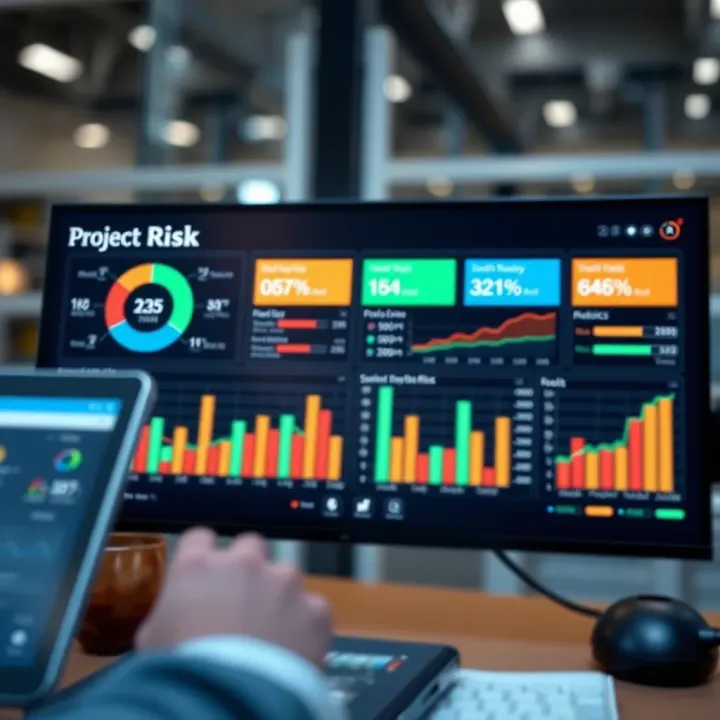
External risks come from outside the project and can be harder to control. Changes in government policy, like sudden tax hikes or new building codes, can impact costs and timelines unexpectedly. There was a case in Mombasa where a clean energy project had to halt because of abrupt policy shifts on tariffs, affecting the financial model.
Market risks such as fluctuating prices for construction materials or foreign exchange rates also affect projects. For example, many Kenyan importers faced higher costs when the shilling weakened. These external factors mean project teams must keep tabs on their broader environment and adapt quickly.
Technical risks involve the technologies or methods used in the project. A software development project in Nairobi might face delays if the chosen platform is incompatible with client systems or lacks needed features. This risk requires thorough testing and vetting before full rollout.
Operational risks pertain to daily activities and processes. For example, if transport strikes disrupt material deliveries, a building project could lose valuable days. Such risks call for backup plans, like alternative suppliers or flexible scheduling, to minimise interruption.
Identifying and addressing the right kind of risks early helps projects in Kenya navigate inevitable challenges and deliver value without unpleasant surprises.
Managing risks systematically throughout a project's lifecycle keeps surprises at bay and enables better decision-making. The risk management process is essential because it breaks down the complex task of handling risks into clear stages: identification, assessment, prioritisation, and response planning. This approach helps project teams focus on what could go wrong and plan how to keep the project on track.
Brainstorming and expert interviews bring multiple viewpoints together to uncover risks that might not be obvious from one person's perspective. For example, in a Kenyan infrastructure project, engaging engineers, suppliers, and local community leaders can reveal concerns about weather disruptions, material delays, or land disputes early on. This technique is cost-effective and encourages open discussion, fostering teamwork around risk awareness.
Checklists and historical data analysis rely on lessons learnt from previous projects. In the Kenyan context, reviewing past infrastructure or agribusiness projects can highlight common pitfalls like funding delays or regulatory hurdles. Checklists ensure these known risks are not overlooked, while data analysis helps quantify risk frequency and severity, guiding informed planning.
Tools like SWOT and PESTLE add structured analysis to the identification phase. SWOT (Strengths, Weaknesses, Opportunities, Threats) helps teams pinpoint internal factors affecting risk, such as resource availability or skills gaps. PESTLE (Political, Economic, Social, Technological, Legal, Environmental) examines external influences—for instance, changing regulations by the Energy and Petroleum Regulatory Authority (EPRA) or seasonal weather patterns impacting project timing. Using these tools, Kenyan project managers can develop a well-rounded risk profile.
Qualitative versus quantitative assessment determines how risks are measured. Qualitative assessment is about describing risks (e.g., high, medium, low) using expert judgement, which suits projects with less data or new risks. Quantitative assessment assigns numerical values to risk impact and probability, useful where data is available, such as financial impact estimates in KSh or timeline delays in days.
Risk matrix and scoring approaches provide a visual and systematic way to rank risks. By plotting likelihood against impact, teams can identify which risks need urgent attention. For example, a risk that a critical supplier might delay delivery (high likelihood and high impact) would score higher than a less likely regulatory change with small impact.
Determining risk impact and likelihood involves considering the possible consequences and how probable each risk is. Impact could be cost overruns in KSh, lower quality output, or reputational damage. Likelihood looks at historical trends, expert insights, or market analysis in Kenya’s dynamic environment. This step helps focus resources efficiently on the riskiest areas.
Avoidance, mitigation, transfer, and acceptance strategies form the toolkit for handling risks. Avoidance means changing plans to remove a risk, like choosing a safer construction site to avoid flooding. Mitigation reduces risk effects — securing alternative suppliers to prevent delays is one example. Transfer involves shifting risk to a third party, such as insurance or subcontractors. Acceptance is acknowledging a risk tolerable within project limits; for instance, accepting minor weather delays during the short rains.
Creating contingency and fallback plans means preparing practical steps if risks materialise. Contingency plans might include setting aside KSh reserves or flexible timelines to absorb shocks. Fallback plans act as the last resort — for example, switching to local suppliers if imports stall due to regulatory changes. Having these plans ready prevents panic and keeps projects moving.
A robust risk management process keeps Kenya’s project environments nimble, helping teams anticipate problems and respond smartly rather than firefight blind.
By applying these structured stages, you ground project delivery on a strong foundation of informed action and preparedness. This keeps investors, stakeholders, and teams confident through every phase.
Managing risks is not a one-off task but a continuous effort during a project’s entire life. Implementing risk management throughout the project ensures that potential problems are spotted early and dealt with promptly, preventing delays or extra costs. For investors and financial analysts, steady risk handling can mean the difference between meeting targets and unexpected losses.
Incorporating risk checkpoints in project schedules helps embed risk oversight as part of daily project activities. By setting specific points, such as after completing a major milestone or before starting critical phases, teams can review existing risks and identify new ones. For example, a construction project based in Nairobi might include checkpoints before purchasing expensive materials to reassess supply chain risks influenced by fluctuating transport costs or currency shifts.
These checkpoints create a rhythm of regular evaluation, ensuring the project doesn’t blindly proceed amid changing conditions. It’s a practical way to stay on top of challenges without waiting for problems to spiral out of control.
Assigning risk owners within teams means designating clear responsibility for managing particular risks. Each risk owner tracks the risk, implements agreed mitigation actions, and reports back on progress. This approach follows the logic that when accountability lands on a specific person, actions tend to be faster and better-coordinated.
For instance, in a tech project, the lead developer might take charge of technology-related risks, while the procurement officer handles supplier issues. This eliminates gaps in risk management and fosters ownership, which investors favour as it boosts confidence in delivery.
Regular risk reviews during project meetings provide a forum to discuss risk status openly with the whole team. These recurring sessions help catch early warning signs and gauge whether risk responses are working. In projects with multiple stakeholders, risk reviews also allow alignment on priorities and any strategic shifts.
For example, in an infrastructure upgrade on the Mombasa-Nairobi highway, weekly meetings might uncover emerging road closure risks due to weather, prompting adaptations to the schedule or contractor allocation.
Using risk registers and dashboards is key to organising and visualising risks clearly. A risk register lists identified risks alongside details such as likelihood, impact, response plans, and current status. Dashboards add visual snapshots with traffic-light colours or trend graphs for quick insight.
In Kenya, projects utilising project management software like Microsoft Project or Primavera often integrate risk registers directly, offering real-time updates accessible to investors and project managers. This transparency helps in making timely decisions and ensures that no risk falls through the cracks.
Communicating risk status to stakeholders is critical to maintaining trust and preventing surprises. Stakeholders—including investors, vendors, and government bodies—expect regular updates on how risks are managed and their potential impact.
Clear, timely communication:
Builds confidence in project leadership
Helps stakeholders prepare for possible outcomes
Enables collaborative problem-solving when new risks arise
A Kenyan agro-processing project, for example, might send monthly risk reports highlighting weather-related threats to crop supply, allowing stakeholders to assist in contingency planning early on.
Successful risk implementation is like having a reliable compass during project delivery—it guides decisions, aligns teams, and reassures investors that challenges will be handled without losing direction.
Projects rarely go exactly as planned; unexpected risks and issues can pop up at any point. Managing these wisely is what keeps a project resilient and moving forward. This part focuses on how project teams can respond to surprises quickly and how reflecting on these experiences improves future project delivery.
Escalation procedures are about having clear steps to raise urgent risks or issues up the chain of command immediately. When an unexpected problem arises—say a key supplier suddenly pulls out—a predefined escalation process ensures the matter reaches the right decision-makers without delay. This prevents teams from trying to handle high-impact problems alone, which might lead to costly delays or poor decisions. In the Kenyan context, where resources are sometimes limited, quick escalation can bring in necessary support or alternative solutions faster, reducing downtime.
Once the risk is escalated, adjusting plans to new realities becomes essential. No project stays the same when surprises hit. For example, if new regulatory requirements come through during implementation, the project schedule, budget, or scope may need revision. Adapting isn't just about reacting but about reshaping the project so it still meets key objectives. Teams must be agile enough to update timelines, budgets, and resource assignments on short notice. This means keeping contingency plans live, and not set aside after initial planning.
Conducting post-project risk reviews allows teams to look back at what risks actually occurred and how they were handled. This practice is critical for capturing lessons that prevent repeating the same mistakes. For instance, a construction project in Nairobi might discover that local weather disruptions were underestimated, causing delays. A thorough post-project review highlights such insights, helping future projects prepare better.
Following reviews, updating risk frameworks and tools makes sure organisations stay current in identifying and managing risks. Relying on old checklists or outdated assessment models is risky in itself. If a Kenyan firm notices that their previous risk matrix didn’t fully capture supply chain disruptions common in East Africa, they should revise their tools accordingly. Regular updates create a learning culture where risk management improves continuously, making project delivery more predictable over time.
Handling unexpected risks isn’t about having all the answers upfront but having clear processes to respond fast and learn after every project. This mindset builds stronger teams and more successful projects.
By combining swift response with reflective improvement, projects can handle surprises with less disruption and more confidence.
Learn effective risk management techniques 🔍 to spot threats early, assess impact, and apply strategies like avoidance, reduction, sharing, or acceptance in various sectors.
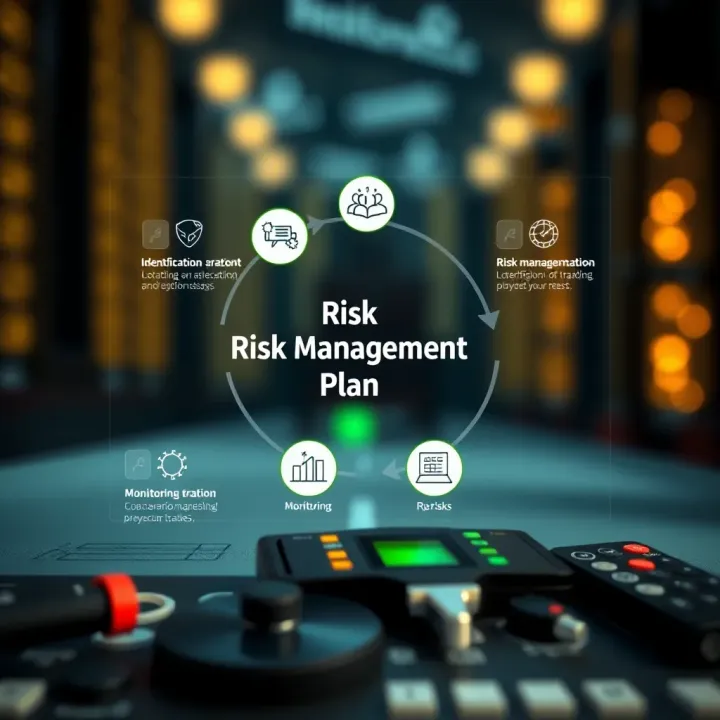
Learn how to create a risk management plan that helps Kenyan SMEs, jua kali workshops, and community groups identify, assess and manage potential threats effectively 📊🛡️
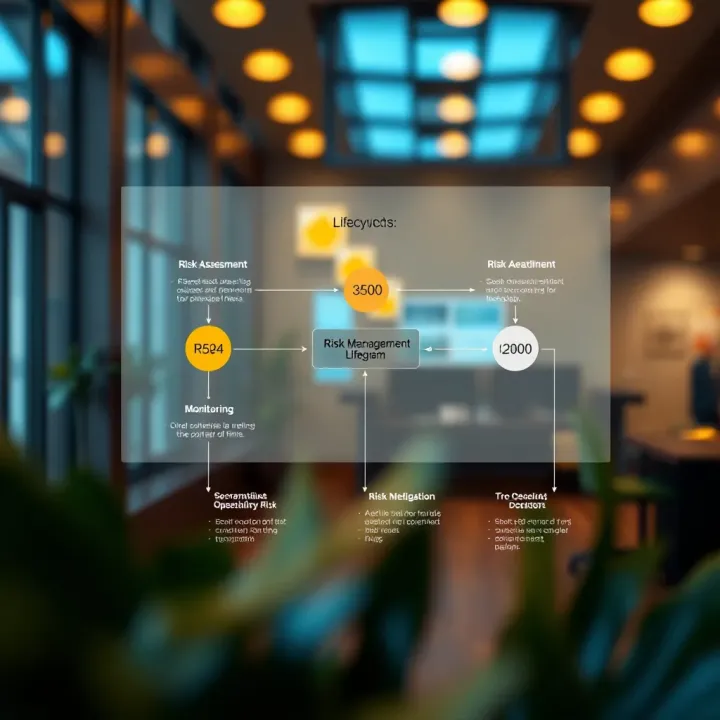
🔧 Explore practical tools for effective risk management in Kenya. Learn how to identify, assess, monitor, and reduce risks to protect your business or investment reliably.
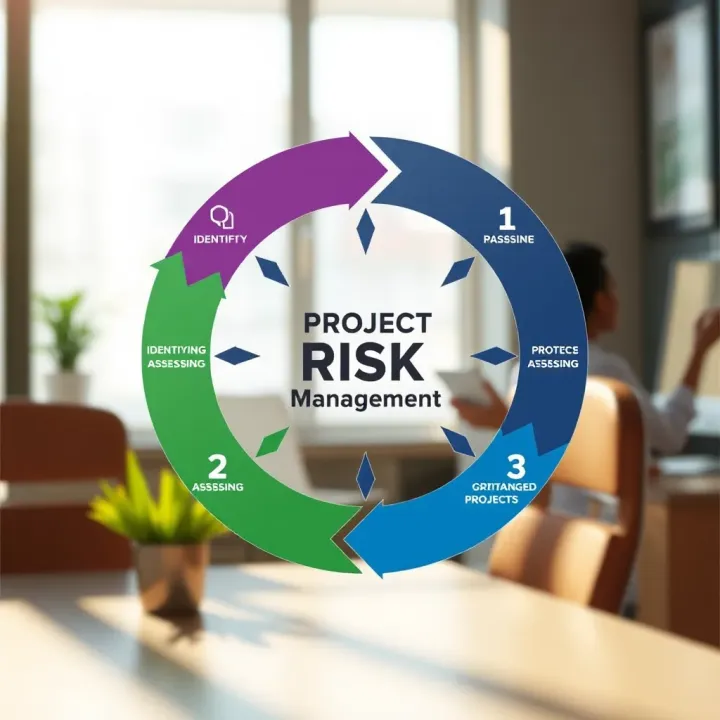
📊 Learn practical project risk management strategies to identify, assess, and control risks in Kenyan business projects. Master planning, monitoring, and stakeholder roles effectively.
Based on 12 reviews