
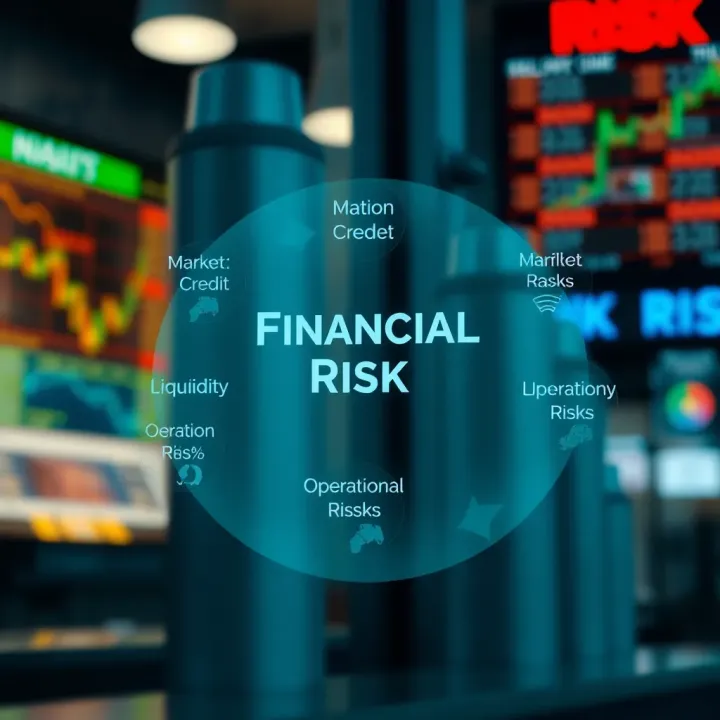
Essential Guide to Financial Risk Management
Discover how to spot, assess, and reduce financial risks in your business. Stay compliant and monitor risks continuously to protect your investments 💼📉
Edited By
Henry Fletcher
Risk management is about spotting and dealing with potential problems before they cause harm. For investors, traders, financial analysts, brokers, and educators in Kenya, having the right tools is key to navigating uncertainties. These tools help break down large, complex risks into manageable parts so you can make better decisions.
Understanding and applying practical tools can protect your investments, business, or educational programmes from disruptions linked to market shifts, regulatory changes, natural disasters, or operational hiccups.

"Risk management tools turn guesswork into informed action, saving time, money, and headaches."
Every good risk management plan starts by identifying risks. Checklists tailored to the Kenyan business environment make it easier to spot common challenges—be it currency fluctuations affecting import/export businesses or weather impacting agricultural output. A risk register is a living document where you list, describe, and rank these risks by impact and likelihood, creating a clear snapshot for your team.
Risk matrices visually map the seriousness (impact) against chances (likelihood). For example, a small but frequent risk like delayed M-Pesa payments might score differently compared to a rare but severe event like political unrest. Tools like Value at Risk (VaR) models help traders and analysts quantify potential losses under various scenarios, which is crucial for portfolios and financial firms managing large investments.
KRIs are specific measures that alert you if a risk factor moves beyond acceptable limits. For example, a sudden rise in inflation rates or exchange rate volatility would trigger a review of investment strategy. Dashboards consolidate data from various sources, giving brokers and risk managers real-time updates to spot emerging threats and respond swiftly.
Planning "what if" scenarios helps prepare strategies for different risk outcomes. In Kenya, this might involve stress-testing cash flow based on potential disruptions like new tax regulations from the Kenya Revenue Authority (KRA) or changes in NHIF contributions. Hedging using currency forwards, futures contracts, or even diversifying investment portfolios spread risk to reduce exposure.
Employing these tools systematically improves confidence in decision-making and builds resilience against unforeseen shocks. Ultimately, risk management is not about avoiding all risk—it is about managing the right risks in a way that supports sustainable growth.
Risk management involves recognising potential challenges that could affect your business or personal ventures and taking steps to reduce or handle them. It's not just about avoiding losses but also about making informed decisions that keep your operations smooth and responsive to unforeseen events. For example, a Nairobi-based exporter might use risk management strategies to safeguard against currency fluctuations by monitoring the shilling's value and using forward contracts.
Being familiar with risk management helps you focus your energy and resources on areas that truly matter. It minimises surprises and boosts confidence when facing uncertainties, such as political unrest disrupting local supply chains or changes in tax policy affecting profitability.
At its core, risk management is the systematic process of identifying, evaluating, and controlling risks to an acceptable level. The main objective is to protect assets—be it finances, reputation, or operational capacity—while enabling growth. Practically, it involves ongoing vigilance and adjusting strategies as situations change.
For instance, an SME in Mombasa can implement procedures that detect early indicators of cash flow problems, allowing timely corrective actions. This proactive approach contrasts with reacting only after a crisis hits.
Common risks include financial uncertainties like credit default or interest rate hikes; operational risks such as equipment failures or staff strikes; market risks from changing demand or competition; legal risks from compliance failures; and even environmental risks like floods, which are particularly relevant during Kenya’s long and short rainy seasons.
Individuals also face risks, from health issues to theft, and risk management here might involve health insurance or secure storage solutions.
Kenya's dynamic economy presents unique challenges. Currency volatility, fluctuating commodity prices, fluctuating political climates during election seasons, and regulatory changes can catch businesses unawares if they aren't prepared. For example, many businesses felt the pinch when the government adjusted VAT rates or energy tariffs.
Besides economic factors, infrastructural challenges—such as unreliable power or road networks—can disrupt operations. As such, risk management becomes essential for businesses to maintain continuity and competitiveness.
A solid risk management framework helps businesses absorb shocks without collapsing. For example, having emergency funds or diversified supply chains can keep production going even when a particular supplier faces problems. This resilience accelerates growth by ensuring trust from customers and investors.
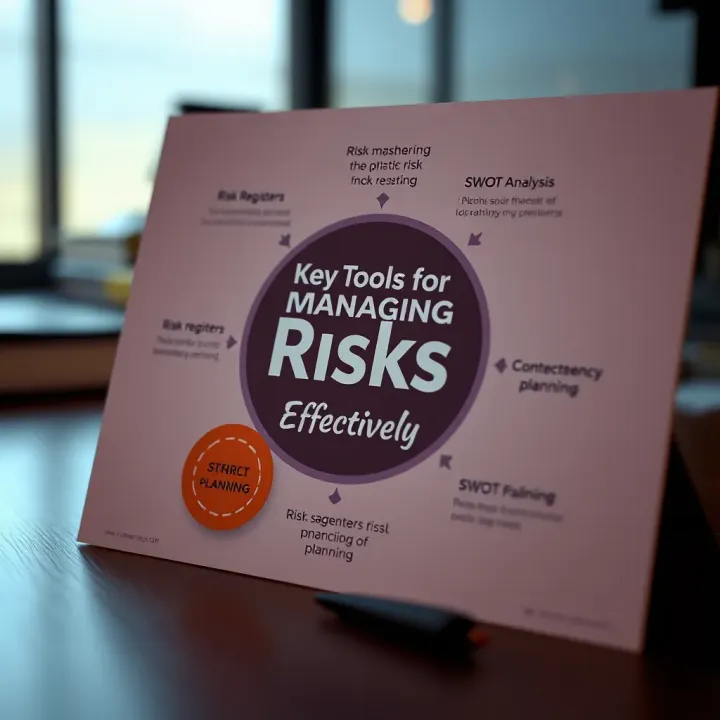
Effective risk management isn't just about preventing losses; it forms the backbone of sustainable growth, especially in environments as fluid as Kenya's.
In summary, understanding what risk management involves and why it matters in local contexts is the first step towards safeguarding your investments and facilitating steady progress.
Identifying risks early provides an edge in managing their impact effectively. Risk identification tools help spot vulnerabilities that may otherwise go unnoticed, especially in complex business environments. In Kenya, entrepreneurs, investors, and financial analysts face diverse uncertainties—from market shifts to regulatory changes and security concerns. Using practical risk identification tools increases the chances of catching these threats before they escalate.
Developing and using checklists tailored to local businesses: Checklists and questionnaires act like a risk radar for Kenyan businesses. By listing common risk factors—from supply chain disruptions to cash flow challenges—these tools help ensure no critical risk is overlooked. For example, a small agribusiness in Kisumu may use a checklist highlighting risks like drought impact, pest invasions, or price fluctuation in maize. These tailored checklists draw on local conditions and industry specifics to guide comprehensive risk recognition.
Advantages and limitations: One strong point of checklists is their simplicity—they’re easy to use and help standardise risk identification. They work well for routine risks that have been experienced before. However, their downside lies in rigidity. Checklists might miss newer or unusual risks, such as cyber fraud or sudden policy changes by government agencies. Also, overreliance on fixed questions might lead to ticking boxes without deep analysis. Hence, checklists perform best when updated regularly and combined with other tools.
Assessing strengths, weaknesses, opportunities, and threats: SWOT analysis gives a balanced picture by revealing areas of strength and weakness alongside potential opportunities and threats. When applied honestly, it helps business leaders and investors see dangers hidden within their operations or market positioning. For instance, a Nairobi-based exporter might identify a weakness in logistics but an opportunity in rising demand from East African markets, helping balance reactive and proactive risk approaches.
Applying SWOT in Kenyan contexts: Kenyan companies face unique SWOT challenges where infrastructural gaps and political shifts regularly affect operations. In a retail business, power outages and transport delays might appear as weaknesses, while government incentives for SMEs could be opportunities to exploit. Including community and stakeholder input in SWOT exercises ensures local realities inform the assessment, making the tool more practical and grounded.
Engaging stakeholders and specialists: Collaborative brainstorming brings diverse experience to the table, scrutiny from various angles increases depth in risk detection. Involving suppliers, staff, or external experts in interviews uncovers insights managers may miss. For example, financial analysts assessing investment risks in Kenya’s banking sector may gather insights from auditors, regulators, and tech experts to capture a full risk profile.
Gathering diverse perspectives on potential risks: By pooling knowledge from various fields, businesses avoid tunnel vision. A logistics company, for example, might explore risks from climate-related disruptions, market competition, or regulatory changes heard directly from drivers, customs officials, and logistics consultants. This ensures a richer risk map, helping decision-makers prepare for both obvious and subtle threats.
Consistent use of these tools empowers Kenyan businesses and investors to spot risks with greater accuracy, improving readiness and resilience in an ever-changing environment.
Effective risk management relies heavily on proper assessment and prioritisation techniques. These methods allow businesses and investors to pinpoint which risks demand immediate attention and which can be monitored over time. Without this step, resources may end up scattered, solving minor issues while overlooking significant threats. In Kenya’s dynamic economic landscape, where factors like political shifts, currency fluctuations, and regulatory changes intersect, well-chosen assessment tools help maintain focus and safeguard investments.
Risk probability and impact matrices provide a straightforward way to visualise and categorise risks based on how likely they are and the severity of their consequences. For example, a matatu operator in Nairobi might assess the likelihood of traffic delays (high probability, low impact) versus a sudden fuel price hike (medium probability, high impact). The matrix helps prioritise which issues to manage first, guiding everyday decisions effectively.
Risk ranking and scoring involves assigning numerical or descriptive values to risks, often based on expert judgement or past data. Kenyan agricultural exporters, for instance, might rank risks like export bans, currency instability, and pest infestations to decide which to mitigate with insurance or diversification strategies. This method brings clarity on relative urgency and directs limited resources efficiently.
Data collection and numerical evaluation pull from historical records, financial reports, or market data to quantify risk. A stockbroker tracking NSE equities could use price volatility data and past performance to anticipate potential losses. Gathering reliable data improves the accuracy of risk predictions, making it easier for traders to protect portfolios from unexpected shocks.
Use of statistical tools and models such as regression analysis or Monte Carlo simulations allows for modelling complex risk scenarios. For example, a Kenyan bank might simulate loan default probabilities under different economic conditions. These models offer a more detailed, probabilistic picture of risks, helping institutions build buffers or set aside adequate capital reserves.
Weighing risks against mitigation costs ensures that the money spent to reduce risks actually brings value. A small business in Mombasa, for example, may evaluate whether investing in a generator during power outages is worth the cost compared to the losses caused by downtime. The goal is to avoid overcommitting funds to tiny risks or ignoring major threats.
Examples from local business scenarios illustrate this balance. A Nairobi-based tech startup deciding on cyber security insurance would compare the average annual premium against potential data breach losses. Meanwhile, farmers in Rift Valley might assess fencing costs against the frequency and damage of livestock theft. Such grounded examples help decision-makers avoid guesswork and base actions on solid financial logic.
Prioritising risks through clear assessment techniques lets Kenyan businesses and investors allocate their energies wisely, securing operations without wasting scarce resources. In a fast-changing environment, these tools are not just useful—they’re necessary for survival and growth.
Managing risks goes beyond identifying and assessing them; it also involves taking concrete steps to reduce exposure and prepare for any fallout. Risk control and mitigation tools are vital in this process, helping businesses and investors in Kenya safeguard their operations and investments. These tools cover policies, insurance, training, and emergency plans tailored to local realities and regulatory environments.
Standard operating procedures (SOPs) provide a set of consistent guidelines for daily activities, ensuring risks are controlled through routine practices. For example, a manufacturing firm in Nairobi may have SOPs on machinery safety and quality checks to prevent accidents and defects. These procedures also link closely with compliance checks, making sure the business meets legal requirements set by bodies like the Kenya Bureau of Standards (KEBS) or NEMA. Such measures reduce risks of penalties or reputational harm.
Training and awareness programmes complement SOPs by empowering employees with the right knowledge and skills. A bank in Mombasa, for instance, can run regular sessions on cybersecurity to combat phishing and fraud. Awareness initiatives help staff recognise risks early and follow best practices, making them crucial for effective risk mitigation. Besides technical knowledge, training builds a safety culture where everyone takes shared responsibility for reducing risks.
Insurance remains one of the most practical ways for businesses in Kenya to manage financial risks. Common types include business property insurance, public liability insurance, fire and theft coverage, and motor insurance for company vehicles. SMEs often rely on group health insurance schemes for their workers to manage health-related uncertainties. Agriculture-based enterprises usually take crop insurance due to risks from weather and pests.
Choosing the right insurance involves evaluating coverage limits, exclusions, premiums, and the insurer's reliability. Some policies may not cover losses from political unrest or floods, common concerns in certain counties. Businesses should review insurance options carefully, considering both cost and potential payout to align with their risk exposure. A manufacturing firm outsourcing to a supplier might require supplier liability insurance to safeguard their supply chain.
Developing emergency response strategies is crucial to minimise damage when risks materialise. These plans detail actions to take during crises such as fire outbreaks, floods, or cyber-attacks. For example, a hotel in Kisumu could establish evacuation protocols and backup power arrangements to continue operations during outages. Contingency planning involves mapping scenarios, assigning roles, and setting communication channels.
Kenyan organisations like Safaricom and KCB Bank have well-documented contingency plans. Safaricom’s response to the 2019 Nairobi floods included prompt service restoration and client communication, which kept trust intact. KCB Bank regularly conducts disaster simulations to strengthen staff response to IT system failures. Such local examples highlight how preparedness translates into business resilience.
Risk control is not a one-time effort; it demands ongoing attention and adaptation. Using policies, insurance, and emergency plans together creates a safety net, allowing businesses to navigate uncertainties with greater confidence.
Regular monitoring and reviewing of risk management efforts is vital to ensure ongoing protection of businesses and investments. In Kenya's dynamic economic environment, risks can change rapidly due to new market trends, regulatory changes, or unexpected events. Keeping a close watch helps organisations identify emerging risks, track the effectiveness of controls, and adjust strategies before small issues escalate.
Key risk indicators and performance metrics help organisations quantify and track risks over time. These are measurable signs—like rising debt ratios, supply chain delays, or increased customer complaints—that hint at potential problems. For instance, a Nairobi-based SME may monitor cash flow trends and late payments as key indicators to flag financial distress early.
Using clear metrics allows businesses to respond swiftly, reducing losses. These indicators provide a dashboard view, making risk visibility accessible to decision-makers without deep technical knowledge. Appropriate performance metrics also assist in aligning risk appetite with actual exposures, which is critical in keeping projects and investments on track.
Use of digital tools and software has become increasingly relevant for risk monitoring. Many Kenyan firms now use specialised platforms that collect real-time data, generate alerts, and provide analytics dashboards. For example, financial institutions often deploy software that flags unusual transactions instantly to combat fraud.
Digital tools reduce human error and improve response time. Cloud-based risk management software permits remote monitoring, which suits the current trend of mobile and flexible work environments in Kenya. The ability to integrate data from various sources—like sales, operations, and compliance—offers a comprehensive view that manual methods cannot match.
Adjusting strategies based on new information is crucial for staying relevant amid constant change. A company may start with a risk mitigation plan that seemed sufficient, but new legislative policies or Nairobi’s fluctuating market conditions can quickly render it outdated. Regular reviews allow businesses to fine-tune their approaches—for example, increasing focus on cyber security following new data protection regulations.
Without this adaptive approach, businesses risk sticking to ineffective measures while exposed to growing threats. Scheduled risk reviews also help in identifying gaps introduced by recent developments and ensuring resources are prioritised efficiently.
Incorporating feedback from stakeholders enriches the risk management process by bringing diverse perspectives into decision-making. Stakeholders such as employees, customers, suppliers, and regulators often spot emerging risks from their unique viewpoints. A garment manufacturer in Eldoret might learn from workers about supply delays or quality issues before these affect end products.
Acting on this feedback fosters a culture of open communication and collective responsibility towards risk. It further provides practical insights that top management might overlook, ultimately strengthening the overall risk framework.
Effective risk monitoring and reviewing is not a one-off task but a continuous cycle that integrates measurable indicators, technology, and stakeholder insights for sustained resilience.
This section outlined how key risk indicators, digital tools, adaptive strategies, and inclusive feedback mechanisms work together to keep risk management efforts aligned with changing realities. These practical approaches help Kenyan businesses safeguard their operations and investments with greater confidence.
Discover how to spot, assess, and reduce financial risks in your business. Stay compliant and monitor risks continuously to protect your investments 💼📉

Explore how Enterprise Risk Management frameworks help Kenyan businesses spot, evaluate, and handle risks to boost decision-making and resilience. 📊🔍

Explore how Kenya manages disaster risks through assessment, preparedness, response, and recovery. Learn the roles of communities, government, and partners 🌍🔥

🔍 Explore how risk management helps identify, assess, and control threats to protect businesses and individuals in Kenya from uncertainties & losses.
Based on 6 reviews