

Compliance and Risk Management for Kenyan Businesses
Discover effective strategies for compliance & risk management in Kenyan businesses ✅ Learn governance, tech & culture tips to protect and grow your company 🌍
Edited By
Sophia Miller
Risk management is a key part of running any business in Kenya, given the various challenges that local companies face daily. Whether it is a retail shop in Nairobi, a tea plantation in Kericho, or a tech startup in Mombasa, managing risk effectively helps safeguard assets, maintain smooth operations, and protect profitability.
Kenyan businesses operate in a fast-changing environment influenced by factors like economic fluctuations, regulatory changes, supply chain interruptions, and security concerns. Ignoring risks, or handling them poorly, can lead to significant losses or even business closure. That’s why creating a clear risk management process tailored to the Kenyan market is essential.
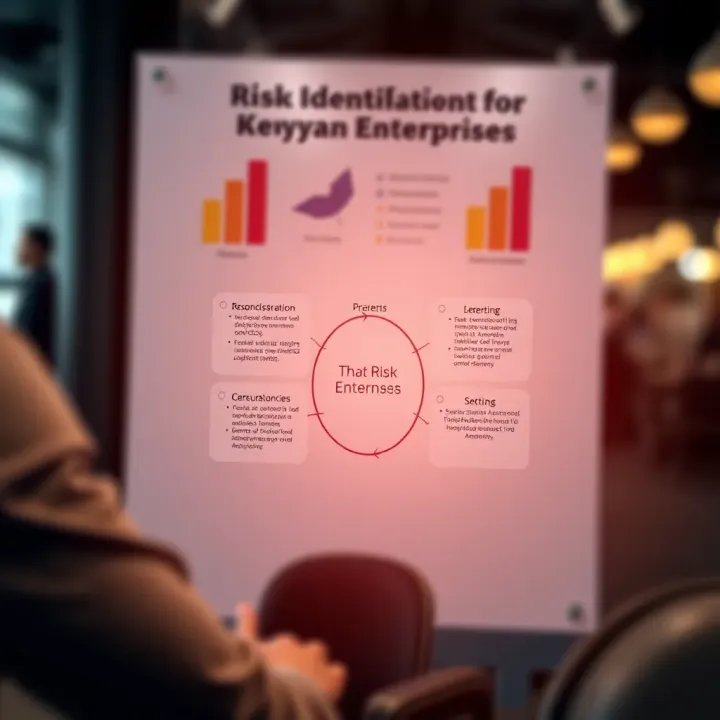
Identifying Risks – Begin by spotting possible risks within your business operations. These include financial risks like currency volatility affecting import costs, operational risks such as unreliable power supply, and regulatory risks from evolving tax laws by Kenya Revenue Authority (KRA). For example, a farmer should consider climate variability risks impacting crop yields.
Evaluating Risks – Once risks are listed, businesses must assess their likelihood and impact. This helps prioritise which risks need urgent action. For instance, a logistics company may find fuel price hikes affect daily costs more severely than occasional vehicle breakdowns.
Mitigating Risks – Develop strategies to reduce or avoid identified risks. Mitigation measures include diversifying suppliers to avoid disruption, investing in backup power sources, or purchasing insurance against theft and fire. A Nairobi-based retailer might negotiate flexible payment terms with suppliers to buffer cash flow challenges.
Monitoring and Review – Risk management is not a one-off event but a continuous process. Businesses must regularly track risks, check if controls work, and adjust plans as new situations arise. In Kenya's dynamic economy, periodic review guards against surprises.
Effective risk management not only prevents losses but also strengthens investor confidence, helping businesses attract capital and expand.
By focusing on these practical steps, Kenyan businesses can build resilience and sustainably grow despite challenges. Later sections will explore how to implement risk frameworks that fit local regulatory landscapes and daily realities.
Risk management is essential for any business operating in Kenya’s dynamic economy. It helps organisations identify and handle uncertainties that could affect their objectives or operations. For investors, traders, and financial analysts, understanding risk management means making better decisions based on a clear picture of potential pitfalls and opportunities.
Kenyan businesses face distinctive challenges such as regulatory changes, market fluctuations, and infrastructure gaps. Effective risk management allows companies to anticipate these issues, reduce losses, and build resilience against shocks like political unrest or supply chain disruptions. In practical terms, a solid risk management approach can be the difference between surviving tough times or going under.
Risk management involves recognising potential threats to a business and taking steps to control or mitigate their impact. Its purpose is to protect assets, reputation, and profitability while ensuring business continuity. Instead of simply reacting to problems when they arise, companies develop processes to foresee risks and prepare responses in advance.
The approach covers identifying what risks exist, analysing their likelihood and consequences, then deciding the best ways to manage them. For example, a Nairobi-based exporter might use risk management to prepare for currency fluctuations and shipping delays, reducing surprises and financial strain. This proactive stance improves confidence among stakeholders and often attracts investments due to perceived stability.
Operational risks come from internal processes, people, or systems failing. This could be a power outage at a processing plant in Eldoret or a software glitch affecting sales transactions in a Nairobi retail chain. Such risks are real because many Kenyan businesses rely on infrastructure that can be unreliable, including electricity and internet.
Handling operational risks means planning for disruptions—like backup power generators or diversified suppliers. These practical measures help reduce downtime and keep businesses running smoothly under stress.
Financial risks include currency volatility, credit default, and liquidity shortages. Kenyan shilling fluctuations can sharply affect importers and exporters, squeezing margins unexpectedly. Market risks stem from changing consumer preferences or competitive pressures. For example, a mobile money provider like M-Pesa faced new rivals that forced it to innovate or risk losing market share.
Managing such risks requires continuous market analysis and financial planning, such as maintaining mixed revenue streams or hedging currency exposure. Without this, companies find themselves vulnerable during economic shifts or inflation spikes.
Businesses in Kenya must comply with laws from entities like the Kenya Revenue Authority (KRA) and the Capital Markets Authority (CMA). Changes in tax policies, licensing requirements, or sector regulations can impact costs and operations. For instance, a manufacturing firm might face delays if it doesn’t meet environmental laws overseen at the county level.
Ignoring compliance risks not only attracts fines but damages reputation. Incorporating legal updates into risk management processes ensures businesses stay ahead of regulatory changes and keep operating licences intact.
Environmental risks include floods during heavy long rains or drought affecting agricultural supply chains, a very localised yet serious concern. Social risks cover labour disputes, community protests, or security issues like crime.
Managing these risks involves community engagement, sustainability initiatives, and contingency plans. A tea farm in Kericho might invest in sustainable water use, while an urban retailer may strengthen security protocols. Addressing these risks supports business continuity and maintains goodwill among customers and stakeholders.
A well-structured risk management process is not a luxury but necessary for Kenyan businesses to thrive amid uncertainty and shift swiftly when conditions change.
Managing risks effectively is vital for Kenyan businesses aiming to survive and grow in a dynamic market. The key steps in risk management form a practical roadmap that helps organisations identify, assess, and handle risks before they spiral out of control. These steps not only protect company assets and reputation but also improve decision-making and planning.
Brainstorming brings together teams from various departments to share ideas about potential risks. In a Nairobi-based exporter, for instance, employees from logistics, finance, and sales can highlight unexpected supply chain disruptions or currency fluctuations. Expert consultations add value by bringing in seasoned professionals or industry advisers who understand local market challenges, such as shifting tax policies or political unrest in border regions.
Using checklists helps ensure no usual risk factors are overlooked. For example, a manufacturing firm could maintain a checklist including machine breakdowns, worker strikes, or power outages. Reviewing historical data from similar businesses or past company incidents also provides concrete clues, showing patterns of risks likely to reoccur, such as delays during rainy seasons affecting road transport.

SWOT analysis offers a balanced view by combining internal and external factors. A small trader in Kisumu can use SWOT to pinpoint strong supplier relationships (strength), limited access to capital (weakness), expanding local demand (opportunity), and rising competition (threat). This helps shape targeted risk responses grounded on realistic conditions.
This involves judgement-based analysis, where risks are rated according to likelihood and impact using descriptive terms like high, medium, or low. For instance, a financial analyst might assign “high” risk to currency volatility and “low” to petty theft at office premises, guiding resource focus without requiring complex calculations.
Quantitative methods assign numerical values to risk probabilities and consequences. A trader dealing with forex might use historical exchange rates to estimate potential losses in KSh and employ statistical tools for better predictions. This approach lets businesses weigh risks in financial terms, improving budgeting for risk control measures.
Risk matrices combine likelihood and impact on a grid, helping visualise which risks need urgent attention. For example, in a service company, cybersecurity breaches could plot in the high-impact/high-likelihood zone needing immediate controls, while supplier delays show moderate risk. Ranking risks aids in prioritising actions and allocating funds efficiently.
Avoidance means steering clear of activities with unacceptable risks. A farmer might avoid investing in a crop vulnerable to erratic rains, instead diversifying into livestock. Reduction involves measures that lower the chances or effects of risk, such as regular maintenance on machinery to reduce breakdowns or staff training on compliance to prevent regulatory fines.
Sharing risks can involve partnerships or joint ventures where exposure is distributed. Transferring risks is common through insurance policies. For example, a transport company may purchase vehicle insurance to cover accident damages, shifting financial burdens away from the business.
Some risks are unavoidable or too costly to prevent. Here, businesses accept the risk but prepare contingency plans. A retailer in Nairobi might accept occasional power outages but invest in generators as backup, ensuring continuity despite challenges.
Successful risk management depends on applying these steps thoughtfully together. Kenyan businesses that identify risks early, assess them clearly, and deploy practical mitigation improve their chances of thriving even in unsettled environments.
Setting up a robust risk management framework is vital for Kenyan businesses aiming to stay resilient and competitive. Such a framework provides the backbone for identifying, assessing, and controlling risks systematically, ensuring threats do not catch the business off guard. By embedding structures and policies tailored to local realities–and aligned with regulatory demands–businesses can reduce unexpected losses and enhance decision-making.
Risk committees and boards play a hands-on role in overseeing the risk management process. They ensure that risk policies are not just on paper but actively followed. For example, a board overseeing a medium-sized Kenyan manufacturing company may hold quarterly risk reviews to adjust strategies against changing market conditions or government regulations.
These governance bodies also act as a bridge between risk management teams and senior leaders, helping to maintain alignment with overall business goals. Their presence shows commitment to risk awareness at the top level, which encourages a culture of vigilance throughout the organisation.
Clear lines of responsibility are essential to avoid overlaps or gaps in managing risks. Assigning well-defined roles helps each department understand its specific risk management duties—from compliance teams handling regulatory risks to operations teams monitoring equipment safety.
In practise, this could mean a finance manager regularly reporting on currency fluctuation risks unique to Kenyan exporters, while the procurement unit manages supplier risks. Such clarity helps fast-track decision-making during crises and ensures no risks slip through unnoticed.
Clear and consistent operating procedures are critical to manage risks effectively. Well-documented standards guide staff on how to identify, report, and control risks in their daily tasks. In Kenya’s diverse business environment, standardising documentation helps mitigate errors caused by lack of uniformity, especially in multi-branch companies.
For instance, a retail chain might have a standardised incident report form accessible across all stores to track theft or stock discrepancies. Over time, this data shapes better preventive measures and builds a strong risk record.
Risk policies shouldn’t sit isolated from everyday business. Embedding them into core processes, such as procurement, sales, or human resources, ensures risks are managed seamlessly alongside operations.
Consider a logistics firm in Nairobi integrating risk checks into its delivery scheduling by assessing routes for flood risks during long rains. This practical integration reduces delays and protects assets without disrupting business flow.
Kenyan laws and sector regulations shape much of the risk landscape businesses encounter. Setting up a risk framework means understanding the requirements of bodies like the Kenya Revenue Authority (KRA), the Capital Markets Authority (CMA), and others specific to the industry.
For example, a financial services firm must align its policies with CMA directives on customer data protection and anti-money laundering. Non-compliance can lead to penalties that cripple operations, making thorough regulatory alignment a core risk control.
Different sectors face unique risks requiring tailored guidelines. Agricultural businesses in Kenya, for instance, must manage risks linked to climate variability and pest outbreaks, whereas manufacturing firms focus more on occupational safety and supply chain resilience.
Incorporating these sector-specific standards into the risk management framework helps businesses address real threats effectively. This ensures risk controls are relevant and not just generic practices that may miss key vulnerabilities.
A clear risk management framework transforms reactive firefighting into proactive problem-solving, strengthening Kenyan businesses against market uncertainties and regulatory pressures.
Successful risk management doesn’t stop once risks are identified and mitigation plans are set in place. Monitoring, reporting, and continuous improvement are the gears that keep the entire system moving smoothly. These processes ensure that risk controls remain effective over time and adapt to new challenges, especially in Kenya’s fast-changing business environment.
Key Risk Indicators (KRIs) provide early warnings about potential threats. These indicators are quantifiable metrics linked to specific risks. For example, a Kenyan manufacturing firm might track machine downtime rates or supply chain delays as KRIs. If downtime increases sharply, it signals operational risk that needs attention before production halts. KRIs help businesses stay proactive instead of reactive.
Technology Use in Monitoring enhances speed and accuracy. Kenyan companies increasingly use software solutions to track risks in real time. Cloud-based platforms can aggregate data from various sources like sales, finance, and logistics, providing dashboards that flag unusual patterns early. For example, banks may use technology to monitor transaction volumes that might indicate fraud. These digital tools reduce dependency on manual checks and enable quick decision-making.
Internal Reporting to Management is vital for informed decision-making. Clear and regular risk reports allow leadership to understand emerging issues and resource needs. For instance, an SME in Nairobi might submit monthly risk summary reports to its board highlighting cash flow pressures or compliance challenges. Such transparency builds trust and ensures timely interventions.
External Reporting Obligations matter especially for regulated sectors. Kenyan firms listed on the Nairobi Securities Exchange (NSE) or licensed by bodies like the Capital Markets Authority (CMA) must disclose risk exposures publicly. This disclosure improves stakeholder confidence and meets legal requirements. Additionally, reporting to lenders or insurance firms may also be necessary to maintain good relations.
Learning from Incidents and Near Misses anchors continuous improvement. Businesses should analyse actual risk events or close calls to identify weaknesses and adjust controls. For example, if a retailer in Mombasa faces a stock theft incident, reviewing the event helps strengthen inventory security. Capturing lessons reduces chances of repeat mistakes.
Incorporating Feedback and Updates ensures risk strategies evolve with changing conditions. Regular consultations with staff, partners, and customers provide fresh perspectives on emerging threats or effectiveness of controls. For example, a financial firm might adapt its cyber risk processes following feedback from IT experts or new government regulations. This iterative process keeps risk management practical and relevant.
Continual monitoring, clear reporting, and an openness to adapt are key to steering Kenyan businesses safely through risk landscapes that rarely stay the same for long.
Organisational resilience means a business's ability to bounce back quickly from setbacks like economic shocks, regulatory changes, or supply chain interruptions. Risk management plays a significant role here by helping companies foresee potential threats and prepare systems to absorb shocks without disrupting operations. For Kenyan businesses, resilience is especially vital due to frequent market fluctuations, changes in government policy, and environmental challenges such as drought or floods that affect operations.
These programmes aim to equip employees at all levels with the knowledge to recognise risks early and understand their potential impact. Practical relevance lies in making staff alert to red flags, such as unusual transactions or supply delays, that could escalate if unchecked. For example, a Nairobi-based manufacturing firm that runs regular risk awareness sessions may spot early indicators of raw material shortages due to regional instability and act before production stalls.
These focus on sharpening specific skills that support risk management practices, such as data analysis, crisis communication, or compliance monitoring. Workshops build practical competencies so employees handle risk events confidently and effectively. Suppose a trading company holds workshops on financial risk modelling; this training enables its finance team to better project currency fluctuations and hedge accordingly.
Risk management becomes effective only if the leadership fully backs it and leads by example. When senior managers openly discuss risks and priorities, it signals to all employees that managing risk is part of daily business, not just a tick-box exercise. For Kenyan firms, leaders who show commitment encourage their teams to proactively flag concerns, preventing small issues from turning into bigger crises.
A transparent environment where employees freely share worries without fear of blame enhances early risk detection. Open communication nurtures collective responsibility and speeds up responses. Take a regional bank that encourages its frontline staff to report suspicious activities immediately—this openness strengthens fraud prevention mechanisms and boosts customer trust.
Modern software applications allow businesses to run continuous risk assessments, incorporating real-time data streams. This helps in spotting emerging threats faster, such as sudden changes in commodity prices or regulatory updates affecting operations. Kenyan SMEs adopting these tools can avoid costly delays by adjusting plans promptly based on digital insights.
Analytical tools crunch large datasets to reveal risk trends and patterns that might escape manual analysis. For instance, a logistics company might use analytics to identify routes prone to accidents or delays and redesign schedules to improve reliability. Automated reporting also ensures timely communication of risk status to decision-makers, helping them act decisively.
Building resilience through these facets of risk management ensures Kenyan businesses face uncertainties better prepared and maintain smooth operations despite challenges.
Discover effective strategies for compliance & risk management in Kenyan businesses ✅ Learn governance, tech & culture tips to protect and grow your company 🌍
🌍 Explore how risk management boosts decision-making, financial strength, and compliance for Kenyan businesses, safeguarding operations from threats.
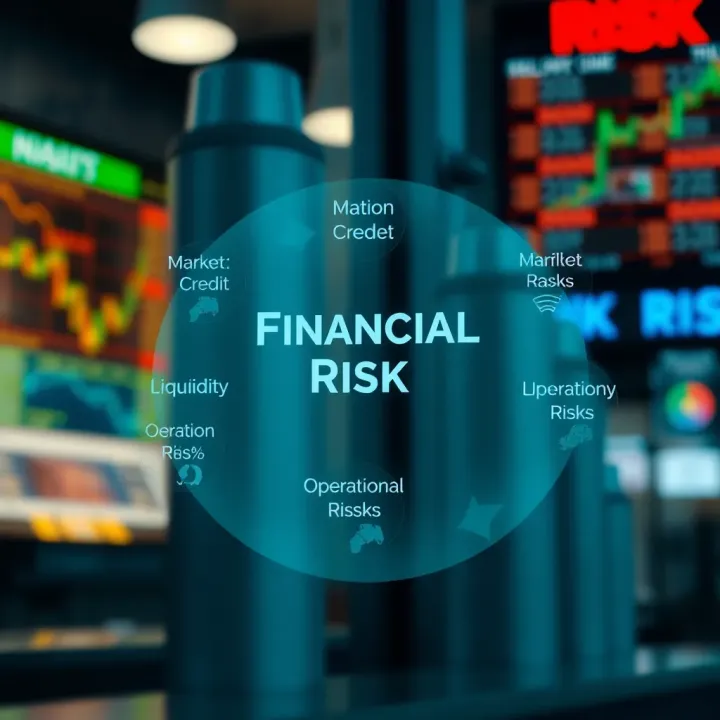
Discover how to spot, assess, and reduce financial risks in your business. Stay compliant and monitor risks continuously to protect your investments 💼📉

Explore how Enterprise Risk Management frameworks help Kenyan businesses spot, evaluate, and handle risks to boost decision-making and resilience. 📊🔍
Based on 7 reviews