

Government's Role in Managing Risks in Kenya
Discover how the Kenyan government identifies, assesses, and manages risks like natural disasters, economic shocks, and health threats to protect communities 🌍.
Edited By
Liam Robertson
Risk is a fact of life for any business in Kenya, from small jua kali workshops in Nairobi to mid-sized community projects in Kisumu. Without a proper plan, these risks can cause serious disruptions, costing time, money, and reputation. A risk management plan helps you pinpoint what might go wrong, measure the impact, and decide how best to deal with those threats before they spiral out of control.
In Kenya’s diverse economic landscape, risks come in all shapes and sizes. For example, a small agro-processing firm in Eldoret may face supply chain delays during the long rains, while an SME in Mombasa contends with fluctuating energy tariffs that can hike operational costs. Even community groups managing donor funds need clear controls to prevent mismanagement or fraud.
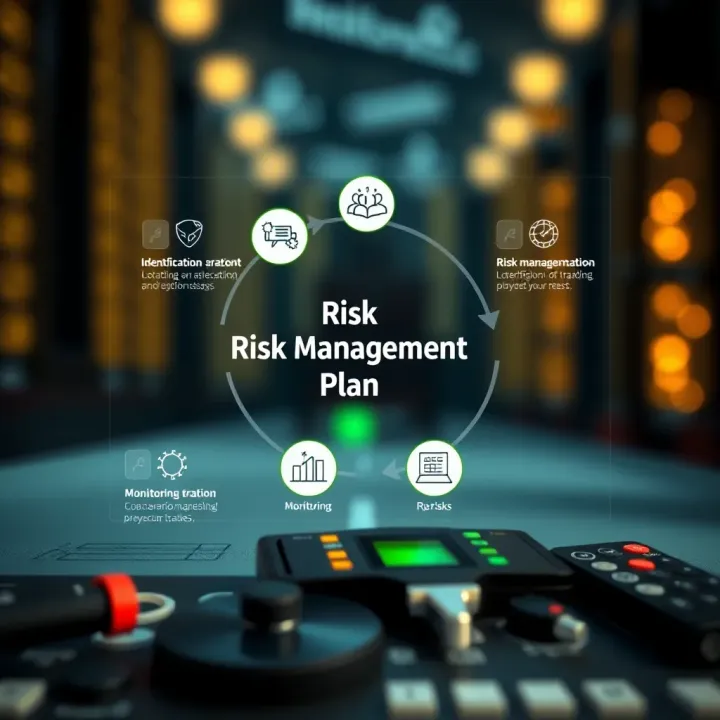
An effective risk management plan is not just about avoiding losses — it helps you stay prepared, stay agile, and maintain confidence among clients, partners, and investors.
The core of a good plan involves several key steps:
Identifying Risks: spotting internal and external factors that could cause harm.
Assessing Risks: evaluating how likely risks are and their potential impact on your operations.
Planning Responses: deciding whether to avoid, transfer, mitigate, or accept each risk.
Monitoring: regularly checking risk factors and adjusting plans as conditions change.
In Kenya, practical tools like M-Pesa can facilitate faster response funding, while the eCitizen platform can help verify permits and legal compliance to avoid regulatory issues. Community-based organisations might rely on local networks and harambee initiatives to build resilience.
Businesses and organisations that invest time in creating a risk management plan position themselves better to weather shocks like economic slowdowns, security challenges, or unexpected tax changes by the Kenya Revenue Authority (KRA). This foundation boosts overall sustainability and even attracts funding by showing maturity in managing uncertainties.
The rest of this article breaks down how to craft a plan tailored for Kenyan realities, including simple templates and easy steps for ongoing risk management.
A risk management plan serves as a roadmap for businesses and organisations to identify potential threats and prepare ways to handle them. Understanding its purpose helps leaders focus on what really matters: avoiding surprises that could cause losses or disrupt operations. In a Kenyan context, where businesses face unique challenges like fluctuating market conditions, political shifts, or infrastructural hiccups, having a clear plan is not just a good idea—it can be a lifesaver.
Risk means the chance that something unexpected could negatively affect your business. This might be anything from theft in a small shop, delays in delivery caused by a broken-down matatu, to currency fluctuations impacting import costs. Importantly, risk doesn't only mean disaster; it can also involve opportunities that could go wrong if unprepared. For example, expanding a business without enough market research is a risk that could lead to losses.
Many Kenyan businesses operate in environments with uncertainty—whether it's seasonal rains affecting supply chains or sudden changes in government policy. Managing risks means spotting these dangers early and setting measures to cope. For instance, an SME selling fresh produce in Nakuru might invest in proper refrigeration to reduce spoilage risk during power outages. Managing risk helps businesses stay afloat when problems arise instead of reacting too late.
A risk management plan lays out how to safeguard your key assets, such as equipment, money, or reputation. Take a boda boda operator in Nairobi who keeps proper records and insures the motorbike; this reduces financial shocks if the bike is stolen or damaged. Similarly, organisations can plan how to protect confidential customer data in line with Kenya's Data Protection Act, avoiding legal penalties and trust loss.
With a risk management plan, decisions become more informed and less guesswork. Businesses can weigh the pros and cons knowing the possible risks involved. For example, a trader importing electronics via Mombasa port may plan for possible customs delays by setting realistic delivery timelines and budgeting some buffer costs. This foresight improves cash flow management and strengthens long-term strategy.
Transparent risk management shows stakeholders—from suppliers to customers—that the business is reliable and prepared. When customers know a retailer has safe payment systems like M-Pesa and clear return policies, they gain confidence. Investors and partners also prefer working with firms that demonstrate control over risks, as it suggests stability. This trust can open doors to new opportunities and improved partnerships.
A well-understood purpose of risk management is the foundation for making your business durable and trustworthy in the Kenyan market’s ups and downs.
Effectively, a risk management plan keeps a business aware, ready, and able to adapt to challenges while safeguarding growth prospects. It’s an ongoing tool that, when used properly, saves time, money, and reputations.
A strong risk management plan hinges on several key components that enable organisations to spot, assess, and handle potential threats effectively. For Kenyan businesses and groups, knowing these parts ensures resilience amid uncertainties like market shifts, regulatory changes, or even weather effects affecting supply chains.
Common sources of risk in Kenyan SMEs and communities include market volatility, unreliable power supply, political unrest, and climate-related events such as drought or flooding. For example, a Nairobi-based jua kali workshop might face sudden material price hikes or disruptions caused by county-level road closures. Local community groups may also encounter risks tied to changing government policies or health crises.
Tools to recognise risks early play a big role in helping organisations stay ahead of problems. Methods like risk checklists, brainstorming sessions with staff, and simple SWOT analysis (Strengths, Weaknesses, Opportunities, Threats) can reveal critical risks. Kenyan firms also benefit from monitoring local news, opinions from industry associations, or even early warning alerts from government ministries to flag issues early.
Evaluating likelihood and impact in local settings means considering how often a risk happens and its potential damage. For instance, frequent power outages in Kisumu might have a higher likelihood and severe impact on businesses dependent on refrigeration. This evaluation helps firms weigh the seriousness of different risks honestly.

Ranking risks to focus resources effectively ensures effort and money target the most pressing threats first. Kenyan SMEs with limited budgets must decide whether to invest in fuel generators to counter unreliable electricity or strengthen cybersecurity against digital fraud. Prioritising helps avoid spreading resources too thin and boosts the chance of dealing with real dangers before they escalate.
Avoidance, reduction, transfer, and acceptance strategies offer practical ways to deal with risks. Avoidance might mean not engaging with unstable suppliers, reduction could be installing backup power systems, transfer involves insurance policies (for example, livestock insurance in rural areas), while acceptance is recognising when certain risks are too minor or costly to address.
Examples relevant to Kenyan business sectors show how strategies apply in real situations. A farmer group in Meru might transfer weather risks by buying crop insurance, while a retail store in Mombasa could reduce theft risk through CCTV and security guards. A small tech startup might accept certain software glitches but mitigate critical risks by backing up all data daily.
Who manages which risks must be clear to avoid confusion. In a Kenyan NGO, the finance officer might oversee compliance risks, while project managers handle operational challenges. Clear assignment ensures those best positioned handle specific threats promptly.
Integrating accountability within organisational structures means building risk management into daily duties and reporting lines. For example, a county government office could add risk updates in monthly meetings. This approach embeds a culture where everyone contributes, ensuring risks don’t get overlooked or shirking of responsibilities.
A robust risk management plan is practical and tailored. It requires knowing the common local risks, methods to spot them early, thoughtful evaluation to prioritise, clear plans to handle risks, and assigning accountable people to keep things running smoothly. Kenyan businesses thrive when these pieces fit well together.
Developing a risk management plan is more than just listing potential threats. It’s about gathering the right data, setting clear goals, and involving the right people to ensure your plan is practical and effective. This section explains the key steps every Kenyan business or organisation should take to build a plan that truly protects assets and supports growth.
Collecting accurate and local data forms the backbone of a solid risk plan. In Kenya, this means using information from sources like the Kenya National Bureau of Statistics (KNBS), industry reports, local news, and even community feedback. Expert input from consultants familiar with Kenyan markets or sectors can add valuable perspective to risks unique to your environment.
Relying on data without insights from people on the ground can lead to gaps. For instance, a jua kali workshop in Nairobi might face risks related to electricity outages, which local experts and workers can highlight better than generic reports. This combined approach helps you spot risks early and prepare better.
Engaging staff and stakeholders in the process ensures the plan isn’t a one-person task. These groups bring day-to-day experience that can reveal risks management might miss. Regular meetings or workshops can encourage open discussion about what could disrupt operations. It also promotes ownership, making it easier to implement mitigation strategies.
For example, a small grocery store in Kisumu may involve suppliers and staff in risk discussions. They can provide insights on supply chain delays during rainy seasons or cash handling risks, enabling tailored solutions that fit their reality.
Setting realistic goals aligned with business priorities keeps the plan practical and focused. Your objectives should match what the organisation can reasonably achieve given available resources. For a medium-sized enterprise in Nairobi, this might mean focussing first on securing digital payments and protecting customer data, rather than attempting to solve all threats at once.
Clear aims help the team understand what success looks like, whether reducing losses from theft by 30% or improving emergency preparedness within six months. These goals should be measurable and time-bound.
Documenting processes clearly avoids confusion later on. The plan must outline steps for identifying risks, who handles each task, and how success is tracked. Simple language and straightforward formats work best, especially where teams include members with varied education or language skills.
A step-by-step procedure for responding to power outages or supplier delays can save time and reduce errors. Providing templates or checklists within the plan makes adoption easier, especially for the jua kali sector where formal documentation is often minimal.
Leadership buy-in is essential. Consulting senior managers or decision-making committees ensures the plan aligns with the overall strategy and resources. It also signals that risk management is taken seriously at the top, encouraging compliance across all levels.
This stage is the last chance to adjust the plan based on fresh insights or organisational changes. For example, if a company has recently expanded to another county, risk factors specific to that region should be included before final approval.
Kenyan regulations play a big role in what your plan must cover. Ensuring compliance with bodies like the Kenya Bureau of Standards (KEBS), the Occupational Safety and Health Act, or the data protection laws avoids penalties that could otherwise add to business risks.
A well-approved and compliant plan increases stakeholder confidence, especially for investors or partners who want assurance that your business handles risks responsibly.
A risk management plan is most effective when it reflects local realities, is understood by those involved, and has full support from leadership and regulators.
Implementing risk controls and monitoring progress are essential steps to ensure that your risk management plan does not remain just a document, but becomes a living part of your business operations. This phase helps you act promptly on identified risks and track whether the measures put in place are effective. Without proper implementation, even the best plans can fall apart, exposing your business or organisation to avoidable losses.
Clear communication about who handles what risk is vital. Assigning specific responsibilities to individuals or teams ensures accountability and prevents confusion. For example, in a Nairobi-based SME, the finance manager might be responsible for monitoring cash flow risks, while the IT officer handles cyber risks. When everyone knows their role, there’s less chance that important tasks will be overlooked.
It’s practical to hold briefing sessions or share written guidelines to ensure the whole team understands their duties around risk control. Including risk management in regular staff meetings can keep it top of mind, especially since situations often change, and your plan needs to stay relevant.
Risk controls work best when they become part of everyday routines rather than being an add-on. For example, a boda boda transport company in Kisumu might integrate daily vehicle checks to reduce accident risk, or an agri-business near Eldoret might implement crop rotation and soil testing as routine practices to prevent pest risks.
Embedding these controls into existing workflows saves time and improves consistency. The key is to make risk management feel natural to your team — not a burden. Simple checklists, regular reminders, and standard operating procedures can help make this integration smoother.
Sophisticated technology is not always needed to track risk. Small businesses can use simple tools like Excel spreadsheets or WhatsApp groups for monitoring key risk indicators. For instance, a Nairobi retail shop might record daily sales and theft incidents manually to spot trends early.
The focus should be on ease of use and accessibility to encourage consistent updating. Kenyan SMEs, especially those with limited resources, benefit from using mobile-friendly tools that don’t require heavy investment but still provide reliable data for decision-making.
Timely reporting keeps everyone involved informed and ready to act. A monthly report summarising risk trends and control effectiveness allows leadership and stakeholders — such as board members or partners — to stay connected to risk issues.
This transparency builds trust and ensures that decision-makers can allocate resources appropriately. For example, a community group managing a water project in Machakos might present quarterly risk updates during meetings to adapt activities as needed.
Every incident or near miss is a lesson. Documenting these events provides valuable information on where controls failed or where risks were underestimated. For example, if a Jua Kali welding workshop in Mombasa experiences a minor fire, reviewing what happened can reveal lapses in safety measures.
This feedback loop turns setbacks into opportunities to adjust policies and prevent future issues. It makes the risk management process dynamic rather than static.
Risk management is not a one-time task but a process that steadily improves. Regularly revisiting the plan to incorporate new insights, changes in the business environment, or shifts in regulations keeps the plan effective.
Continuous improvement is especially relevant in Kenya’s fast-changing economic and regulatory landscape. By committing to ongoing evaluation and enhancement, businesses and organisations maintain resilience and adapt better to emerging risks.
Risk management only works when it's actively applied, monitored, and refined. Turning plans into action and learning from experience ensures your organisation remains prepared for whatever comes.
A risk management plan is only as effective as its ability to adapt to real-world hurdles. Kenyan businesses and community groups often face resource constraints and shifting risk environments, which can stall their efforts unless they prepare wisely. Addressing common challenges upfront helps keep your plan realistic and workable.
Practical tips for SMEs and community groups: Many small enterprises and grassroots organisations in Kenya have tight budgets and a limited pool of skilled staff to handle risk planning. To work around this, it's best to simplify the risk management process—focus on the most likely and impactful risks rather than attempting to cover every possible scenario. Using straightforward monitoring tools like simple spreadsheets or manual checklists can reduce costs and complexity. For example, a small jua kali workshop could monitor machine maintenance schedules and safety hazards without needing expensive software.
Training existing staff through free or low-cost resources, such as government advisories or online courses from Kenyan institutions, can also raise in-house expertise gradually. Installing clear accountability—even if it's shared among a few people—helps maintain risk awareness without requiring a dedicated team.
When to seek external support: If your organisation encounters specialised risks, such as regulatory compliance or cyber threats, external experts become necessary. Consulting with risk advisers from bodies like the Kenya Association of Manufacturers or engaging auditors familiar with your sector can provide targeted guidance. Similarly, if your business is growing rapidly or entering new markets within the East African Community region, professional input helps avoid costly mistakes.
External support lets you tap into specialised knowledge without overburdening your resources. However, it’s wise to balance this by requesting customised, practical advice rather than generic reports.
Adapting to economic shifts and regulatory updates: Kenya’s economic and regulatory landscape can change quickly. For instance, tax policies may shift, or new health and safety rules may emerge, affecting your risk calculations. Regularly reviewing your risk plan ensures you stay updated and compliant.
For example, if rising fuel costs affect your transport expenses, revisiting your financial risk forecasts can prepare you better. Monitoring official channels such as Kenya Revenue Authority (KRA) updates and the Kenya Gazette enables timely adjustments. This ongoing review process reduces surprises and helps keep your plan relevant.
Incorporating technology and innovation: Technology can greatly improve your risk management despite resource limits. Mobile apps for inventory tracking or M-Pesa for quick financial transactions provide instant data that feeds into risk monitoring. Using tools like WhatsApp groups to communicate risk alerts within teams can improve responsiveness.
Embracing technology doesn’t require big budgets; many affordable or free digital solutions exist suitable for Kenyan SMEs and community groups. Even integrating basic databases or cloud storage helps secure important risk documents and track incidents efficiently.
Facing challenges head-on with practical solutions and openness to change strengthens your risk management plan, making it a vital asset for your business or organisation’s survival and growth.
Discover how the Kenyan government identifies, assesses, and manages risks like natural disasters, economic shocks, and health threats to protect communities 🌍.

🔍 Learn how risk management and insurance protect you and businesses in Kenya from accidents, theft, and natural disasters. Discover local policies and tips to stay covered.

Explore growing risk management jobs in Kenya focusing on key skills, typical employers, and industry trends to help you build a successful career locally 📊💼

Learn effective risk management techniques 🔍 to spot threats early, assess impact, and apply strategies like avoidance, reduction, sharing, or acceptance in various sectors.
Based on 11 reviews