
Effective Credit Risk Management in Kenya
Learn key strategies and tools for effective credit risk management in Kenya 🏦. Stay ahead with practical tips on assessing and controlling loan defaults 📉.
Edited By
Grace Turner
Project risk management is the practice of identifying, assessing, and managing uncertainties that can affect a project's success. For investors, traders, financial analysts, brokers, and educators engaged with Kenyan projects, understanding these risks is vital to protect investments and ensure smooth project delivery.
Risk can stem from many sources—economic shifts like inflation or currency fluctuations, regulatory changes, supply chain disruptions, or even social factors such as labour strikes. For example, a construction project in Nairobi could face delays if suppliers experience fuel shortages or if there are changes in county-level building regulations.
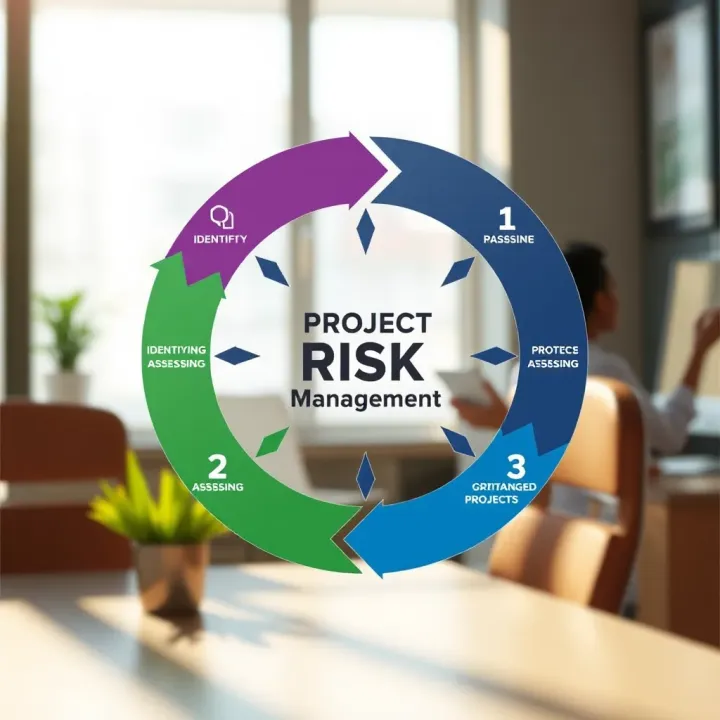
Effective risk management begins with creating a risk management plan. This plan outlines how to identify potential risks, analyse their impact, and implement control measures. Simply put, it acts as a roadmap that signals possible project threats and prescribes the steps to reduce or respond to them.
A well-crafted risk management plan is more than paperwork; it's a practical tool that guides decision-making and resource allocation throughout the project lifecycle.
Key steps in this process include:
Risk Identification: Using brainstorming sessions, checklists, and past project records to spot potential problems early. For instance, financial analysts might examine market trends that could affect project financing.
Risk Assessment: Estimating the likelihood and impact of each risk. This can be quantitative—such as calculating potential cost overruns in KSh—or qualitative through expert judgement.
Risk Response Planning: Deciding whether to avoid, mitigate, transfer, or accept risks. For example, transferring a risk might involve taking out insurance against project delays.
Monitoring and Review: Continuously tracking risks during project execution to spot new issues or changes and adjusting plans accordingly.
Communication plays a critical role. Engaging stakeholders—from project sponsors to local communities—ensures everyone understands risks and their roles. Kenyan projects often involve diverse groups, so transparent, timely updates via meetings or digital platforms like eCitizen portals help keep everyone on the same page.
Understanding the practical realities of local markets, regulations, and cultures enables Kenyan investors and project leaders to manage risks more effectively, leading to better performance and value preservation.
Project risk management is key for anyone involved in managing projects, especially in Kenya where uncertainties can have big impacts on project outcomes. Knowing how to identify, assess, and handle risks helps save time, money, and reputation. For instance, a Nairobi-based construction project that ignores potential legal and regulatory risks might face costly delays or fines when county government policies suddenly change. By understanding risk management, project teams are better prepared to spot problems early and act before issues escalate.
Project risk management means spotting potential threats or opportunities that could affect project goals, and then planning how to deal with them. It's not just about avoiding problems but also about making sure risks don’t stop your project from delivering on time, quality, or budget. In practice, this involves a series of steps—from recognising possible risks like fluctuating material prices or unreliable suppliers, to deciding whether to avoid, reduce, share, or accept those risks. For example, a tech start-up in Kenya launching a new app might identify risks like poor internet connectivity or data privacy concerns and prepare to manage them accordingly.
Managing risks is vital because it helps keep projects on track despite uncertainties. Risks can come from many places—market changes, unexpected weather during the long rains, or shifts in government regulations. If neglected, these risks may lead to wasted resources, missed deadlines, or total project failure. On the other hand, good risk management also allows project managers to prepare for opportunities, such as negotiating better deals with suppliers or innovating processes to deliver more value. For example, a farming cooperative in Rift Valley that actively manages market price risks can better plan its produce sales and avoid losses.
Effective project risk management is about balancing known challenges with smart preparation, which can make the difference between project success and costly failure.
In summary, understanding project risk management is the foundation every investor, trader, and analyst needs to manage uncertainties practically. It helps create a structured approach that cuts through guesswork and aids decision-making in uncertain environments common across Kenyan business projects.
Identifying and categorising risks early in a project allows teams to prepare adequately and avoid surprises later on. Without knowing what could go wrong, projects often overshoot budgets or schedules, especially here in Kenya where external factors like changing weather or regulatory rules can crop up unexpectedly. Pinpointing risks helps focus resources on the most threatening issues, ensuring smoother progress and better outcomes.
Financial risks involve any uncertainties regarding project funding or cost overruns. In Kenya, fluctuating foreign exchange rates can heavily impact projects relying on imported goods or services. For example, a construction firm budgeting KSh 100 million might face increased costs if the shilling weakens against the dollar, inflating material prices unexpectedly. Additionally, delays in payments from clients, especially in government contracts, can strain cash flow and stall project activities.
Operational risks stem from the day-to-day workings of a project. These include equipment breakdowns, supply chain disruptions, or workforce strikes. For instance, a manufacturing project relying on timely delivery of raw materials might suffer if transport strikes or roadblocks delay supplies. Similarly, inadequate training of staff on new machinery can cause accidents or lowered productivity, affecting timelines and costs.
Kenyan projects must comply with numerous laws and regulations covering permits, labour standards, and environmental safeguards. Changes in legislation or delayed approvals can halt a project. A real estate developer could face delays if county authorities require more documentation or if zoning laws suddenly change. Ignorance of such legal requirements risks penalties or costly reworks.
Projects in Kenya increasingly face scrutiny over their environmental and social impact. Risks include harm to ecosystems, water sources, or displacement of local communities. For example, a road project cutting through a wetland might face resistance from conservation groups or regulatory blocks. Ignoring community concerns can lead to protests or work stoppages, affecting timelines and costs.
Gathering the project team and stakeholders for brainstorming can uncover risks that might otherwise go unnoticed. This collaborative approach taps into diverse experiences and viewpoints, often surfacing practical concerns such as potential delays from seasonal rains or supplier reliability. A contractor building roads in Kisumu might identify flooding risks that others miss until much later.
Using checklists based on past projects provides a structured way to identify typical risks. Organisations like KRA or county governments may share reports highlighting common challenges for infrastructure projects. Reviewing historical data helps anticipate issues like frequent theft of construction materials or late payments, saving teams from reinventing the wheel.
Assessing a project’s Strengths, Weaknesses, Opportunities, and Threats helps place risks in a wider context. For example, a solar energy project’s strength might be abundant sunlight but a weakness could be weak grid infrastructure. SWOT guides teams to spot external threats like policy shifts or local opposition, enabling better risk response planning.
Speaking with technical experts, legal advisers, or local leaders brings specialised knowledge into the risk identification process. For example, interviewing environmental consultants may reveal potential compliance risks that general staff overlook. Similarly, local chiefs can shed light on social dynamics affecting project acceptance.
Early and thorough risk identification streamlines project delivery and cuts unexpected costs. In Kenya’s dynamic environment, a mix of sharp local insight and systematic tools helps spot risks before they become crises.
Evaluating risks through assessment and prioritisation is a vital step for project managers and investors in Kenya. It helps pinpoint which risks need urgent attention and which can be monitored without immediate action. By understanding the potential impact and likelihood of risks, projects avoid unexpected costs or delays—common issues in infrastructure or financial ventures. For example, a trader dealing with currency fluctuations must assess how likely extreme swings are and the potential loss size before deciding on hedging strategies.
Qualitative assessment involves using descriptive scales such as "high," "medium," and "low" to gauge how seriously a risk could affect a project and its chance of occurring. This approach suits situations where hard data is scarce or quick judgements are needed. For instance, a property developer in Nairobi might rank regulatory changes as a high impact but medium likelihood risk based on recent county policy shifts. This assessment guides early risk responses without complex analysis.
Quantitative methods assign numerical values to risk probability and impact, allowing for calculations such as expected monetary loss. These methods often rely on historical data or statistical models. An investor analysing agro-business projects may quantify the probability of drought affecting yields and estimate the associated financial loss. Such precise figures support decisions like purchasing crop insurance or diversifying investments. While more data-driven, these approaches require access to reliable local figures, which might be challenging for some Kenyan projects.
A risk matrix visually maps risks on a grid based on their likelihood and impact, making it easy to see which risks demand priority. Consider a construction project: risks placed in the top-right corner of the matrix (high impact, high probability) might relate to labour disputes or material shortages, calling for immediate mitigation. The matrix simplifies communication among stakeholders, ensuring everyone agrees on what risks to tackle first.
Probability-impact charts work similarly by plotting risks on a two-dimensional scale but often with a more detailed scoring system. They help decision-makers rank risks precisely and allocate resources efficiently. For example, in a trading firm, risks like foreign exchange exposure and credit default might be plotted, revealing which need more stringent controls. This tool supports continuous risk monitoring as scores can change over time due to market dynamics.
Prioritising risks using these tools ensures resources focus where they matter most, avoiding wasted effort on minor issues and protecting project goals effectively.
By combining qualitative insight with quantitative data and using visual prioritisation methods, Kenyan projects and investors can manage risks thoughtfully and respond swiftly to changing circumstances.
Creating and applying a risk management plan is a critical phase in project management. It moves the team from just understanding risks to actively managing them, minimising surprises and costs. A good plan outlines clear strategies for handling risks, ensuring that resources are effectively allocated and project goals are less likely to be derailed. For instance, in a construction project in Nairobi, a risk plan might address supply chain delays by specifying alternative suppliers and timelines, thus avoiding costly standstills.
The plan should be practical and tailored to the project's specific risk profile. It not only helps to prepare responses but also clarifies the timing and responsibility needed for each action. This approach fosters accountability and swift decision-making when risks materialise.
Avoidance involves changing the project plan to sidestep a risk entirely. This can mean dropping a risky task or finding a safer method. For example, a software developer might avoid a risky third-party tool with questionable support by building a feature in-house. Although this can add upfront costs, it reduces the chance of critical failures later. Avoidance is particularly relevant when the potential negative impact is too high to justify taking any chance.
Mitigation focuses on reducing the likelihood or impact of risk, rather than eliminating it. This is common in most projects because some risks can’t be avoided fully. In a Kenyan agricultural project, mitigation might involve installing irrigation systems to reduce reliance on unpredictable rainfall. This doesn't remove the risk but lessens its damage.
Transfer shifts the consequences of risk to another party, usually through contracts or insurance. It’s common to transfer risks like equipment failure or accidents to insurance companies. In Kenya, many projects use performance bonds or insurance covers to transfer risks, so financial losses are minimised if mishaps occur. Nevertheless, this does not eliminate risk but rather reallocates responsibility.
Acceptance means acknowledging a risk without taking specific action to address it, usually when the impact is minor or the cost of mitigation is too high. This is common in small-scale projects with limited budgets. For instance, a small trader may accept the risk of occasional late deliveries from suppliers, factoring it into stock management rather than investing heavily in alternative measures.
Clear roles and responsibilities are key to effective risk management. Without designated owners, risks may be ignored or mishandled. Each risk or group of risks should have a person accountable for monitoring and executing response plans. For example, in a financial services project, the compliance officer might take charge of legal risks, while the operations manager handles logistical risks.
Assigning these roles early ensures that when a risk occurs, there is no delay caused by confusion or passing the buck. Regular updates and communication among the risk owners keep the project team alert and coordinated. This approach builds a culture where risk management is an ongoing, shared responsibility rather than an afterthought.
A well-crafted risk management plan links directly to everyday project activities. Assigning responsibilities and planning responses clearly lets project teams act swiftly, reducing disruptions and steering the project towards success.
By focusing on these practical elements—clear risk responses and responsible owners—your project is better equipped to handle the unexpected and continue moving forward smoothly.
Monitoring risks is a continuous process that ensures any new threats or changes to existing risks are detected early. For projects, especially those in dynamic environments like Kenya’s, regular monitoring helps avoid surprises that could derail timelines or budgets. It keeps the risk management plan alive and relevant, adapting to changes rather than relying on assumptions made at the start.
Project teams should schedule frequent risk reviews throughout the project lifecycle. These sessions focus on checking if risk assumptions still hold, assessing the effectiveness of current responses, and spotting new risks. For instance, during a construction project in Nairobi, regular reviews may reveal delays caused by supply shortages due to import restrictions, a factor not initially considered. Catching this early gives the team room to adjust schedules or find alternative suppliers.
The risk register is not a static document; it must be updated as risks evolve or new ones come up. When risk triggers like policy shifts or weather patterns change, these details should be noted in the register along with updated impact assessments. For example, a road upgrade project along the Kenyan coast might face unexpected weather risks during the long rains. Documenting these changes allows project managers to reprioritise and apply mitigation efforts promptly.
Keeping everyone involved in the loop is essential. Stakeholders—from financiers to county officials—need timely information on risks and their management status. This builds trust and helps gather local insights or support when responding to risks. In Kenyan projects, engaging community leaders early has often fast-tracked approvals and helped resolve land disputes before they balloon.
Clear and consistent reporting creates a paper trail that helps track risk history and management effectiveness. Risk reports should be concise but thorough, capturing the nature of risks, actions taken, and outcomes. Well-maintained documentation proves especially useful in audits or when justifying contract changes in response to unforeseen challenges. For example, companies working with the Kenya Revenue Authority often rely on documented risk communications to clarify delays in tax compliance due to project disruptions.
Monitoring risk is not just an administrative task; it’s a vital part of steering a project safely through uncertainty. Staying alert, updating records, and communicating openly help Kenyan projects keep on track despite challenges.
Learn key strategies and tools for effective credit risk management in Kenya 🏦. Stay ahead with practical tips on assessing and controlling loan defaults 📉.
Explore how Enterprise Risk Management frameworks help Kenyan businesses spot, evaluate, and handle risks to boost decision-making and resilience. 📊🔍
Explore how Kenya manages disaster risks through assessment, preparedness, response, and recovery. Learn the roles of communities, government, and partners 🌍🔥

Master forex risk management tailored for Kenyan traders 🇰🇪 with practical techniques and tools to secure your investments in the volatile market 📉💹
Based on 8 reviews