

Forex Trading in Kenya: A Beginner’s Guide
📈 Start your forex trading journey in Kenya with this practical guide covering safe trading, trusted brokers, M-Pesa payments, and risk management tips tailored for beginners.
Edited By
Sophia Clarke
Forex trading in Kenya offers a promising avenue for investors and traders looking to diversify their portfolios and tap into the global currency market. The foreign exchange market operates 24 hours a day, facilitating the buying and selling of currencies worldwide. For Kenyans, this means there are active opportunities beyond the usual stock or property investments.
The market revolves around currency pairs such as USD/KES (US Dollar versus Kenyan Shilling), EUR/USD (Euro versus US Dollar), and GBP/USD (British Pound versus US Dollar). Traders speculate on price movements to generate profits, but the risks are high if no proper strategy or knowledge is applied.
Kenya has seen growing interest in forex trading partly due to easy internet access and payment methods like M-Pesa, which simplify deposit and withdrawal processes. Platforms like MetaTrader 4 and 5 dominate locally, offering user-friendly interfaces with charting tools and live data feeds.
Successful forex trading depends on understanding market trends, maintaining discipline, and adhering to local regulations. Without this, the market can quickly lead to heavy losses.
The Capital Markets Authority (CMA) regulates forex trading activities in Kenya to protect investors. Only brokers authorised and licensed by CMA should be trusted, as unregulated firms may put traders' funds at risk. Being aware of scams and fraudulent schemes is crucial.
For beginners, it's wise to start with a demo account or small capital before committing larger amounts. Practical steps like setting stop-loss orders, keeping an eye on global economic news, and learning technical analysis are vital.
In the next sections, we will explore key Kenyan regulations, popular trading platforms, and practical tips to help you trade forex safely and effectively. Understanding both the opportunities and the challenges will equip you to navigate the forex market with more confidence and less guesswork.
Understanding forex trading is essential for any Kenyan interested in tapping into the global currency market. Forex trading involves buying and selling currency pairs, which influences profit depending on currency value changes. For Kenyans, this market is relevant due to its accessibility and potential to diversify income sources beyond traditional investments.
Forex trading means exchanging one currency for another at an agreed price. Each trade involves currency pairs, like USD/KES (US dollar/Kenyan shilling). If a trader believes the dollar will strengthen against the shilling, they buy USD and sell KES, aiming to sell later at a higher price. This is practical for hedging against local currency fluctuations or speculating for profit.
The forex market runs 24 hours daily across major financial hubs: London, New York, Tokyo, and Sydney. In Kenya, traders participate mostly during London and New York sessions due to time overlap. Thanks to mobile internet and platforms, local traders can access the same global liquidity as anyone else, though they must remain mindful of market volatility caused by political events, economic data releases, or monetary policies from major economies.
Many Kenyans find forex attractive because of the possibility to earn decent profits with relatively small capital. The ability to trade on leverage means one can control larger positions than the actual funds deposited. For instance, with KS0,000 and a leverage of 1:100, traders can handle trades worth KS million. However, this also increases risk, so proper risk management is key.
Forex trading suits the Kenyan profile due to mobile penetration. Platforms like MetaTrader 4 and 5 offer user-friendly mobile apps compatible with smartphones. Coupled with M-Pesa for deposits and withdrawals, even those outside major cities can trade forex conveniently. This lowers barriers that once restricted forex to banks or large investors.
Compared to stocks or real estate, forex trading requires less capital upfront and offers more flexible trading hours. While property investment demands significant funds and patience, forex trading allows quick entry and exit, suitable for those who cannot lock money long-term. That said, forex is more volatile and requires education and discipline, unlike safer but slower-growing investments like government bonds.
Forex trading is not a shortcut to wealth but a practical market offering opportunities and challenges. Understanding its workings is the first step to making informed decisions.
Kenya’s forex trading scene is governed by a regulatory framework designed to foster transparency, protect investors, and ensure market stability. For traders, understanding these regulations is not just about compliance but also about recognising how they safeguard against common risks. This framework mainly revolves around the Capital Markets Authority (CMA), which sets the standards brokers need to meet and enforces rules to protect Kenyan investors.
Licensing of forex brokers is a critical role of the CMA. Before any broker can legally offer forex trading services in Kenya, they must secure a licence from the CMA. This process demands that brokers meet strict financial and operational criteria, ensuring they have adequate capital, transparent business practices, and robust technological systems. For instance, a trader dealing with a CMA-licensed broker can be more confident that their funds are held securely and that the broker abides by Kenyan laws. This licensing process helps weed out fly-by-night operators who might disappear with clients’ funds.
When it comes to investor protection measures, the CMA ensures brokers implement safeguards like segregated client accounts and clear dispute resolution channels. These steps reduce the chances of misuse of client funds and give traders legal recourse if issues arise. For example, if a broker mismanages client money or acts fraudulently, the affected trader can report to the CMA, which has the power to investigate and impose sanctions or revoke licences. Additionally, CMA enforces continuous disclosure by brokers so traders stay informed about market risks and broker status.
Registered local brokers are those that operate under CMA regulation and adhere to Kenyan financial rules. These brokers often provide services tailored to the Kenyan market, including integration with payment systems like M-Pesa, which simplifies deposits and withdrawals for users. Choosing a registered broker also means benefiting from local customer support and easier communication if any dispute occurs. Examples of such brokers include some well-known names listed officially by CMA that offer transparent pricing and compliance with anti-money laundering rules.
On the other hand, dealing with unlicensed operators comes with serious risks. These brokers might not follow industry best practices, leading to problems such as delayed withdrawals, unfair spreads, or outright scams. Traders who unknowingly join these platforms could lose their savings with little chance of recovery. The CMA frequently warns Kenyan investors against unregulated brokers, advising thorough checks before entering agreements. To stay safe, traders must confirm broker credentials on the CMA’s official register and avoid platforms that refuse transparency.
Forex trading profits in Kenya are subject to tax obligations, just like other sources of income. The Kenya Revenue Authority (KRA) treats earnings from forex trading as taxable and requires traders to declare their income under capital gains or business income depending on the trading method. For example, if a trader earns KSh 200,000 profit in a financial year, this amount must be declared and taxed according to Kenyan income tax rates.
To facilitate tax compliance, Kenyan traders can use the eCitizen portal and KRA’s iTax system to declare forex earnings accurately. These online platforms allow for the submission of income details, tax returns, and payments conveniently. Using these systems reduces the risk of penalties for late or incomplete tax declarations. Many forex traders consult tax experts to ensure that their forex gains, including withdrawals via M-Pesa or bank accounts, are properly accounted for in their tax filings.
Traders who understand and comply with Kenya’s forex regulatory framework protect themselves from fraud and penalties, ensuring a smoother, more secure trading experience.
This regulatory clarity helps both new and experienced traders navigate Kenya’s forex market safely, making it a more reliable avenue for investment and income.
Choosing the right forex trading platform is key for success in Kenya’s dynamic market. The platform you pick affects everything—from the speed of your trades to the fees you’ll pay and the tools you have at your disposal. A reliable platform ensures smooth execution, protects your funds, and helps you develop your trading skills. Whether you are a beginner or a seasoned trader, the platform sets the stage for your trading experience.
MetaTrader 4 (MT4) and MetaTrader 5 (MT5) remain the favorites among Kenyan forex traders. They offer robust tools for charting, technical analysis, and automated trading through expert advisors. MT4, in particular, is preferred for its simplicity and wide broker support, while MT5 provides improvements like more timeframes and order types. These platforms work well even with slower internet, making them suitable across Kenya.
Kenyan traders also access platforms provided by both local brokers and international firms. Local broker platforms often integrate M-Pesa for smooth deposits and withdrawals, customised customer support, and compliance with Capital Markets Authority (CMA) rules. International platforms such as IG, FXTM, and Saxo Bank provide broader market access and advanced features but may have more complex payment setups. Selecting a platform involves balancing ease of access, regulatory safety, and available markets.
A user-friendly interface is important because a complicated platform can slow your decision making and cause mistakes. With most Kenyans relying heavily on mobile internet, mobile compatibility is critical. Platforms offering responsive apps or mobile versions let you trade on the go, whether on a matatu ride or at home. MetaTrader mobile apps and some local broker apps fit this need well.
Trading costs come mainly from spreads (the difference between buying and selling prices) and any commissions charged. Platforms with narrow spreads and low commissions allow you to keep more of your profits. Remember, hidden fees can eat into your earnings, so transparent pricing is vital. Compare fees across platforms before committing.
Good customer service keeps your trading running smoothly. It’s useful to choose platforms that offer quick responses via phone, email, or live chat. Besides support, platforms that provide education—like webinars, tutorial videos, or blog posts about Kenyan market conditions—help traders build strong strategies and avoid costly errors.
M-Pesa is the backbone of payments in Kenya, and platforms integrated with it make deposits and withdrawals fast and convenient. This avoids costly bank charges and delays common with traditional payments. Some brokers have direct M-Pesa APIs enabling instant fund movements, which is crucial for time-sensitive forex trading.
Besides M-Pesa, bank transfers and payments through Visa or Mastercard remain popular. These methods work well for larger sums or for those who prefer a paper trail. Still, processing times and charges vary, so platforms transparent about these details help traders plan finances accurately. Some platforms also support mobile banking apps from Kenyan banks, adding a layer of convenience.
Picking the right trading platform goes beyond flashy features; it must suit your trading style, budget, and Kenyan payment habits. A well-chosen platform can be your best asset in navigating forex trading safely and profitably.
For anyone starting forex trading in Kenya, having practical guidelines is more than just useful—it can be the difference between success and loss. The forex market moves fast, and without clear tips on managing risk and testing strategies, new traders can easily find themselves overwhelmed or making costly mistakes. Here, practical advice is aimed at helping traders build confidence, avoid pitfalls, and trade with a clear plan.
Using a demo account means simulating trades without risking real money. This is crucial for beginners who need to see how trading works in real time without facing the pressure of losses. For instance, a new trader practising on MetaTrader 4 can place virtual trades on currency pairs like USD/KES to understand price movements and execution times.
Beyond just watching numbers move, demo accounts help build confidence. By practising different strategies, such as day trading or swing trading, beginners can test what suits their style best. For example, someone might discover that quick trades during market opens fit their schedule better than longer positions held overnight. This form of trial and error is hard to replicate in live trading without risking capital.
Setting stop-loss and take-profit orders protects your investment by automatically closing your position when a certain price is reached. Stop-loss limits losses if the market moves against you, while take-profit secures gains once a target price is hit. Consider a trader who buys EUR/USD at 1.1000: placing a stop-loss at 1.0950 limits potential loss to 50 pips, and a take-profit at 1.1100 locks in profit at 100 pips.
Limiting exposure per trade means not risking too much of your capital on one position. A good rule is to risk only 1-2% of your trading account on any single trade. For example, if your account holds KS0,000, risk should be no more than KS00–1,000. This helps avoid heavy losses that can wipe out your portfolio if a trade goes badly.
Scams and false promises abound in forex trading, especially online. New traders must watch out for schemes promising guaranteed profits or unusually high returns with little risk. In Kenya, caution is warranted with brokers or educators without CMA licensing. Always verify credentials before committing money.
Managing emotions is essential since fear and greed can cloud judgment. Many traders rush to recover losses or hold losing trades hoping for a turnaround, which often results in bigger damage. Sticking to a plan, using stop-losses, and taking breaks from the screen can help keep emotions in check.
Successful forex trading in Kenya depends not just on knowledge but on discipline and smart risk control. Beginning with demo practice, managing risks carefully, and staying alert to scams are key steps to building a solid trading foundation.
Understanding the future of forex trading in Kenya is key for traders, brokers, and financial analysts alike. This outlook shows how technological progress, regulatory shifts, and educational opportunities will shape the market. Observing these trends helps traders prepare better strategies and make informed decisions as the market evolves.
Kenya's internet coverage has grown significantly over the past decade. With more rural and urban areas gaining reliable access, a larger base of Kenyans can enter the forex market. This expansion means traders outside Nairobi and Mombasa can participate without facing major connectivity issues. For instance, during the long rains season, more users can access forex platforms easily compared to five years ago. This wider reach promotes inclusivity in forex trading.
Smartphones play a vital role in this development. Most Kenyan traders rely on mobile devices to monitor and execute trades, especially through apps like MetaTrader 4, MetaTrader 5, and local platforms supporting M-Pesa deposits. These apps are designed for mobile use, with user-friendly interfaces and quick notification alerts. Traders can react promptly even when away from computers, which is practical for busy individuals balancing trading with other work or family responsibilities.
The Capital Markets Authority (CMA) in Kenya is continuously reviewing its forex regulations to address emerging challenges. Traders should expect updated guidelines that may tighten broker licensing requirements or introduce stricter investor protection rules. These changes aim to shrink the activities of unlicensed operators and minimise scammers, improving overall market trust. Staying informed about these evolving policies ensures traders comply fully and avoid legal pitfalls.
Investor education is another focus for regulators moving forward. Enhanced programmes will target new and existing forex market participants, helping them understand risks better. CMA plans may include mandatory educational modules for opening broker accounts or compulsory disclosures highlighting common trading dangers. These efforts reduce reckless trading and encourage safer practices across the board.
Workshops and online courses specific to the Kenyan forex market have become more accessible. These training sessions often cover practical skills like reading forex charts, managing leverage, and identifying scam brokers. Kenyan institutions and private companies organise such events throughout the year, sometimes offering certificates recognised by local bodies. The convenience of online courses allows traders across counties to upgrade their knowledge without travelling to major cities.
Community trading groups and online forums provide peer support for forex traders. These spaces enable exchange of real-time market insights and strategies tailored to Kenyan economic contexts. For example, groups on WhatsApp or Telegram often discuss how local events like political changes or currency fluctuations impact forex trends. Participating in such networks helps traders learn from others’ experiences and avoid common mistakes.
The future of forex in Kenya lies in combining improved technology, regulatory clarity, and education, creating a more reliable environment for both new and seasoned traders.
This forward-looking perspective equips Kenyan traders with essential knowledge to tackle the forex market confidently and responsibly.
📈 Start your forex trading journey in Kenya with this practical guide covering safe trading, trusted brokers, M-Pesa payments, and risk management tips tailored for beginners.
📈 Understand forex trading basics in Kenya! Learn market operation, key currency pairs, strategies, risk tips, and how to start trading confidently today.
Start forex trading in Kenya with this practical guide 📈. Learn to pick brokers, open accounts, use M-Pesa for payments, and manage risks smartly like a pro.
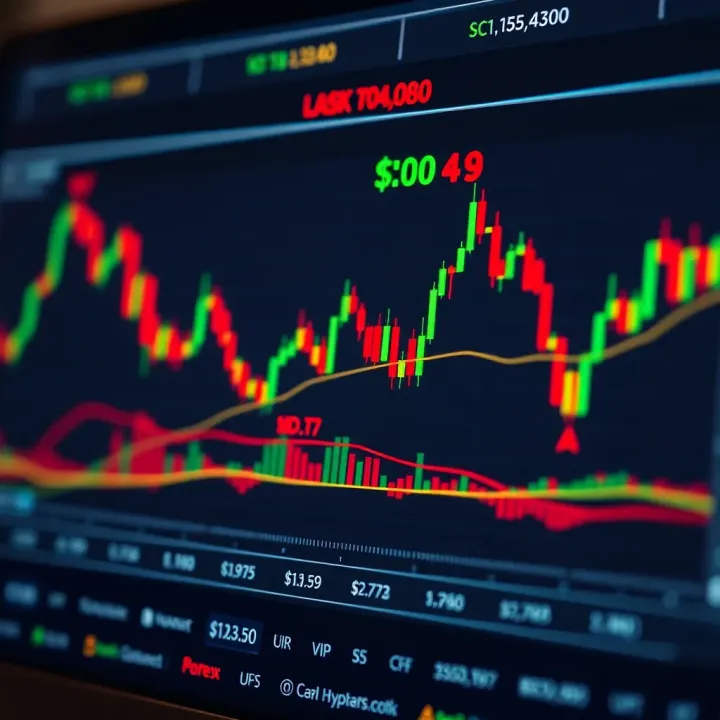
📈 Master forex trading in Kenya with this practical guide covering key strategies, risk management, top platforms, and regulatory tips to trade confidently and securely.
Based on 7 reviews