
Understanding Risk Management: Practical Guide
Explore practical risk management basics ➡️ understand key strategies, challenges, and how Kenyan businesses safeguard success effectively.
Edited By
Ethan Foster
Managing risks in projects is not just an afterthought but a central part of ensuring your project meets its goals effectively. In Kenya, where projects often face unique challenges—from unpredictable weather affecting construction schedules to fluctuating costs of materials—getting ahead of risk is essential.
Risk management starts with recognising potential problems before they cause delays or inflate budgets. This means identifying risks early, whether they are financial, operational, environmental, or regulatory. For example, a developer building a housing estate in Nairobi might identify the likelihood of delays in land registration or sudden changes in building regulations as key risks.
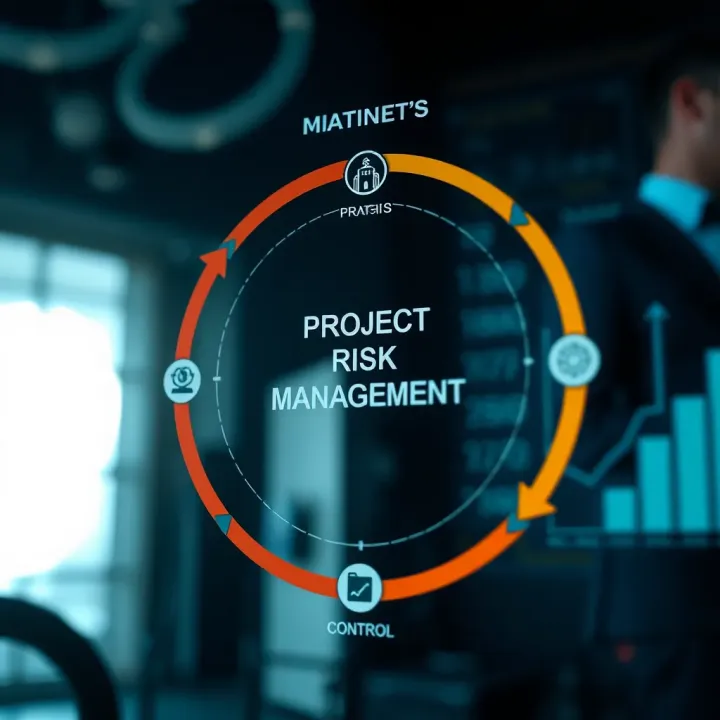
Once risks are identified, the next step is assessing their impact and likelihood. Using simple tools like risk matrices, project teams can rank risks from low to high priority. This helps decide where to focus resources—for instance, investing in legal support to ensure compliance with local policies or securing prices for steel and cement ahead of time to avoid market price surges.
Controlling risks means putting plans in place to reduce their impact. This could involve establishing contingency budgets, choosing suppliers with proven reliability, or scheduling buffer time during key project phases. For Kenyan investors and developers, leveraging mobile platforms like M-Pesa for quick payments can help mitigate cash flow risks.
Risk management isn’t about avoiding risk altogether but managing it smartly to cushion your project against setbacks.
Regular risk reviews at each project stage to catch new challenges early
Engaging local experts familiar with Kenyan regulations and market nuances
Using technology for real-time monitoring of project progress and costs
Promoting clear communication within the team and with stakeholders
Good risk management supports better decision-making and builds confidence among investors and partners. It also ensures that projects deliver value to communities without wasting time or money.
Taking a proactive and structured approach to risk can be the difference between a project that stalls and one that finishes strong, especially within the Kenyan context where unpredictability is common. This guide will walk you through practical ways to improve risk management throughout your project’s life cycle.
Risk management is key to steering projects safely through uncertainty. Understanding how to spot risks, assess their impact, and plan responses helps teams avoid stumbling blocks that could derail progress. When you know what threats lie ahead—whether from technical challenges, budget issues, or external factors—you can take action to reduce their impact before they snowball.
Projects face different types of risks, each requiring attention. For instance, technical risks emerge when new or untested technology might fail. Think of a software rollout that depends on unstable internet access in rural counties; this could delay deployment. Then there are financial risks, like unexpected cost overruns due to currency fluctuations or price hikes in materials. Operational risks relate to disruptions in resources or staff, such as strikes or key team members falling sick. Lastly, external risks—like changes in government policy or permits—can stall a project unexpectedly.
Knowing these types at the start is practical—it helps focus efforts on the areas that could cause major hiccups. For example, a construction project in Nairobi might prioritise monitoring permit approvals closely to avoid costly delays.
When risks go unmanaged, the fallout can hit projects hard. Missed deadlines frustrate clients and might lead to penalties or lost contracts. A Nairobi-based agribusiness project, for example, might fail to meet planting seasons, significantly lowering yields and profits. Budget overruns strain resources, forcing cuts in essential areas or even project abandonment.
Beyond money and time, unmanaged risks damage team morale and stakeholder trust. Once the project reputation gets a dent, attracting future funding or partners becomes an uphill task.
Effective risk management strengthens the chances that projects finish on time. When teams monitor possible delays—like supplier shortages or adverse weather during the long rains—they can plan for alternatives early. For instance, acquiring materials ahead of the busy season or having backup vendors lined up prevents stalls.
In a competitive landscape, finishing on schedule is not just about pride but about keeping contracts and gaining referrals. Timely delivery reflects a disciplined team and effective planning.
Managing risk also guards your budget and resources from being stretched too thin. Imagine a clean energy project in Eldoret where fuel prices unexpectedly rise; without a buffer or a hedging plan, expenses skyrocket. Risk-aware teams embed contingencies or adjust project scopes promptly to avoid financial losses.
Resources like equipment and skilled labour are expensive, so protecting them through proactive checks and maintenance reduces breakdowns and rework. This careful handling ensures the KSh invested yields the intended returns or impact.
Proper risk management is not just a project formality but a tool that saves time, money, and reputations, especially in Kenya’s dynamic project environments.
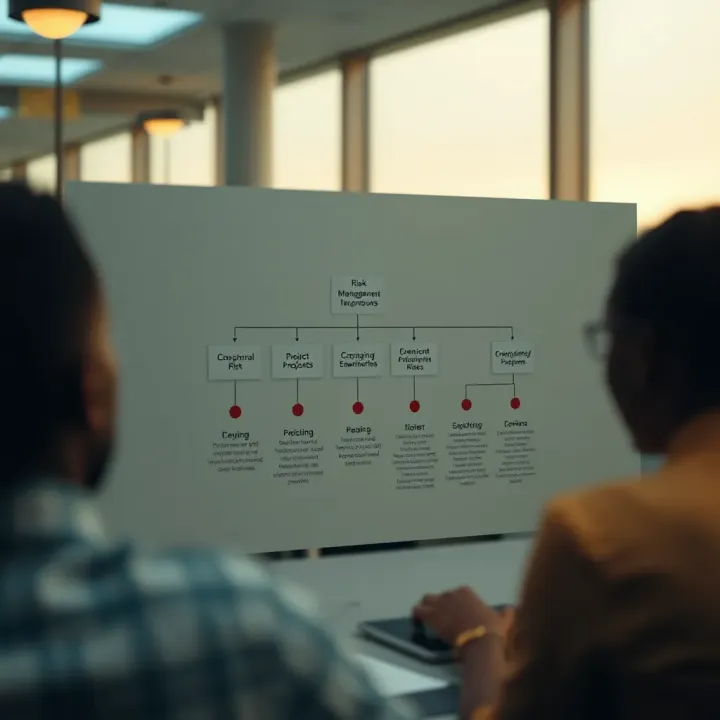
By understanding what risks look like and why addressing them matters, project teams can navigate challenges confidently and deliver real results.
Managing risk effectively requires a clear, step-by-step approach. The risk management process breaks down the complex task of handling uncertainties into manageable stages, ensuring no area is overlooked. This structure aids investors, traders, and project managers in Kenya to stay ahead of problems before they escalate.
Spotting risks early is about being alert to anything that might disrupt your project. Techniques such as brainstorming sessions, expert interviews, and reviewing lessons from past projects help uncover hazards. For example, in a construction project in Nairobi, identifying a possible delay caused by transport strikes early on can save significant costs.
Once risks are identified, documenting them thoroughly is vital. The risk register acts as a living document recording each risk, its cause, potential impact, and assigned responsibility. This way, teams can track risks systematically instead of relying on memory or informal notes.
Risk analysis involves understanding the nature and seriousness of each risk. Qualitative assessment uses descriptive categories like 'high', 'medium', or 'low' impact, which works well when exact data is hard to gather. Quantitative assessment, on the other hand, assigns numbers to risks – such as estimating a KSh 2 million loss if equipment delivery is delayed by two weeks.
Prioritising risks relies on combining how likely they are to happen and their potential impact. This lets project leaders concentrate resources on the most threatening risks first. For example, a project may accept small delays caused by weather but must address risks threatening budget overruns immediately.
Risk responses either reduce the chance of a risk happening or diminish its impact. Mitigation may involve sourcing materials from multiple suppliers to avoid delays, while avoidance means changing project plans to bypass high-risk activities entirely.
Sometimes risks are unavoidable. In such cases, having contingency plans is necessary. A contingency plan for power outages could be renting generators to maintain work flow. Accepting risk occurs when the cost of mitigation outweighs the potential damage, so the team prepares to handle the fallout if it occurs.
Keeping track of risks doesn’t stop once the project starts. Risk statuses change, and new ones pop up due to evolving circumstances. Regular risk reviews and updates to the risk register ensure the team has a current picture.
Adjusting responses is essential as project conditions shift. For instance, if a supplier improves delivery times, a team might scale back contingency resources there, reallocating them to new areas of risk. Staying flexible helps avoid waste and keeps the project resilient.
Consistent application of the risk management process keeps projects on track, saving money and time, which is especially critical in Kenya's dynamic business environment where unexpected hurdles are common.
By following these steps closely, professionals can reduce surprises and build more reliable project outcomes. The process turns risk from a vague threat into a series of clear actions and decisions.
Managing risks well depends greatly on using the right tools and techniques. These help project teams identify, assess, and respond to risks methodically, avoiding guesswork. In Kenyan projects, where resources and time are often limited, practical tools can save costs and safeguard deadlines by focusing attention on the most critical risks.
Risk matrices and heat maps are visual aids that simplify risk assessment. They show the likelihood of each risk happening against the potential impact on project goals. For example, a road construction project in Nairobi might use a heat map to prioritise risks like delayed material delivery or unexpected weather. Risks plotted in the high-likelihood, high-impact zone are tackled urgently, while less severe risks might get monitored only. This approach helps teams focus their limited resources where they matter most.
SWOT analysis tailored for projects is another common tool. It breaks down project factors into Strengths, Weaknesses, Opportunities, and Threats, offering a balanced view of internal and external elements that affect success. A software rollout in a Kenyan bank might highlight strengths such as experienced IT staff but weaknesses like limited infrastructure. Opportunities could include regulatory changes favouring digital banking, while threats may cover cyberattacks or vendor delays. Knowing these helps leaders plan more realistic risk responses.
Project management platforms with risk modules bring risk management into the same space as planning and tracking tasks. Tools like Microsoft Project or Oracle Primavera include features where risks, their status, and mitigation actions are recorded. This integration fosters accountability and quick access to up-to-date information. For instance, a Nairobi-based real estate firm could track construction hazards alongside budgets and timelines, making it easier to adjust plans promptly if risks arise.
Local adaptations and cloud-based tools have become more popular in Kenya given internet availability and the rise of SME projects requiring flexible systems. Cloud platforms offer real-time collaboration across teams in different counties or partners overseas. Companies can customise settings for local contexts, such as regulatory requirements or common risk categories in agriculture or manufacturing. Cloud solutions also avoid hefty upfront investments, a big plus for smaller businesses depending mostly on mobile broadband or limited office IT.
Using the right tools isn’t just about technology; it’s about making risk management part of everyday project work. Visual tools and software solutions that fit local needs make this easier and more effective.
By selecting appropriate tools—from visual matrices to integrated software—project teams in Kenya can strengthen their ability to spot trouble early and act fast, keeping projects on track and within budget.
Establishing a project culture that understands and actively manages risks is key for any team aiming to deliver on time and within budget. A risk-aware culture means everyone—from the project manager to field staff—recognises risks early and feels responsible to address them. This collective mindset reduces surprises and helps the team adapt swiftly when challenges arise. In Kenya’s project environments, where resources can be limited and external factors like weather or stakeholder delays often intervene, cultivating this culture can mean the difference between success and missed targets.
Open communication starts with ensuring team members have safe, accessible ways to share their concerns or spot potential risks without fear of blame or sidelining. For example, a construction project might introduce anonymous weekly feedback boxes or digital chat groups where workers can flag issues they notice on site. This approach encourages honesty and uncovers hidden risks that may otherwise be ignored because workers worry about speaking up. When staff feel heard, it also builds trust, making it easier to address problems early.
Holding consistent risk review meetings strengthens this culture further by setting a dedicated time for the team to discuss new and ongoing risks. These sessions should be structured but informal enough to encourage participation from all levels. For instance, during a ICT rollout in Nairobi, weekly risk meetings involved not just project leads but also technical and support staff, allowing early detection of supplier delays or software glitches. Such meetings keep risks visible and help the team adjust plans before issues escalate.
Training sessions are vital in bringing everyone onto the same page about risk management basics and practical tools. Workshops might cover how to identify risks, use risk registers, or understand impact versus likelihood. In Kenyan projects, these sessions are often interactive, using role-plays or simulations tailored to local project scenarios. For example, a public works department might run hands-on exercises showing how poor communication can lead to cost overruns, helping participants grasp why risk management matters beyond theory.
Using Kenyan-specific case studies makes training relatable and effective. Sharing stories from past projects—like a road upgrade affected by unexpected rainy seasons or delays in material delivery caused by supplier issues—helps teams see practical consequences and how risks were managed (or not). These real-life examples encourage teams to learn from familiar situations, increasing their ability to spot and mitigate similar risks in their current work.
A project culture that openly discusses risks and continually builds team knowledge equips projects to handle uncertainty with confidence, improving chances of success in Kenya’s dynamic project landscape.
Managing risks effectively is no walk in the park, especially in the Kenyan project environment. Challenges often arise due to resource constraints, complex stakeholder dynamics, and gaps in governance. Addressing these obstacles head-on can prevent costly delays and budget overruns, making your project delivery smoother and more reliable.
Limited resources and tight budgets pose a significant hurdle for many projects in Kenya. Often, projects operate on lean finances with little room for error, leaving risk management efforts underfunded or overlooked. For example, smaller infrastructure projects in rural counties might struggle to allocate funds for thorough risk assessments or contingency planning, which means early warning signs could be missed.
On top of that, tight budgets affect the quality of materials and human resources involved. Opting for cheaper supplies or less experienced staff to cut costs can sometimes introduce new risks, such as delays from substandard workmanship or need for rework. Hence, managing risks without sufficient resources is a tricky balancing act.
Complex stakeholder interests add more layers to risk management. Projects in Kenya often involve multiple parties: government agencies, local communities, financiers, and contractors. These groups can have conflicting agendas. For instance, a county government might push for rapid completion to meet political timelines, while the local community might prioritise environmental concerns or compensation issues.
Misalignment in stakeholder interests can lead to disputes, work stoppages, or regulatory hurdles. A road construction project near Nairobi once stalled because neighbouring residents opposed land acquisition terms, leading to expensive renegotiations. Understanding and managing these competing interests is key to navigating project risks.
Leveraging technology and local expertise can close many of the gaps faced in Kenyan projects. Using affordable project management tools and risk tracking software can help teams monitor risks more closely and respond faster. For example, cloud-based platforms allow project managers to update risk registers in real time, even when working remotely or across counties.
Besides technology, tapping into local consultants and experienced fundis who understand the terrain, bureaucracy, and community dynamics brings practical insights. Their knowledge can predict potential challenges before they balloon into major setbacks.
Aligning risk management with overall project governance ensures that managing risks isn't an afterthought but integrated into decision-making. When risk management is linked to reporting structures and accountability frameworks, it gains the necessary focus.
For example, including risk indicators in regular project progress reports submitted to the board or county assembly keeps everyone informed and ready to act. This alignment also encourages resource allocation towards risk-related activities, balancing short-term deadlines with long-term risk reduction.
Without integrating risk management into governance, projects can face blind spots that increase vulnerability to shocks and disruptions.
By recognising these challenges and adopting practical strategies, Kenyan projects stand a better chance of navigating uncertainties and delivering results as expected.
Explore practical risk management basics ➡️ understand key strategies, challenges, and how Kenyan businesses safeguard success effectively.
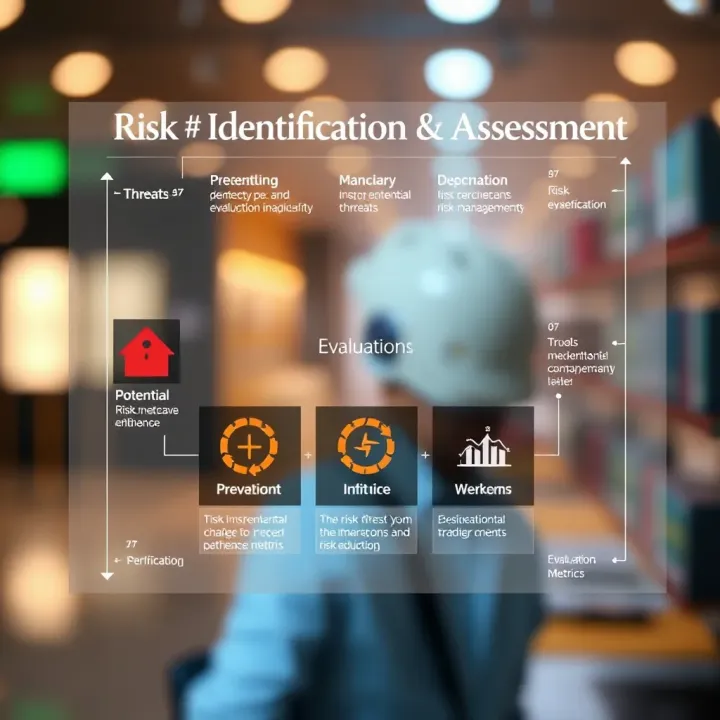
Learn practical steps to manage risks affecting your business or daily life in Kenya ⚖️ from spotting threats to reviewing your safety plans effectively.

Learn effective risk management techniques 🔍 to spot threats early, assess impact, and apply strategies like avoidance, reduction, sharing, or acceptance in various sectors.
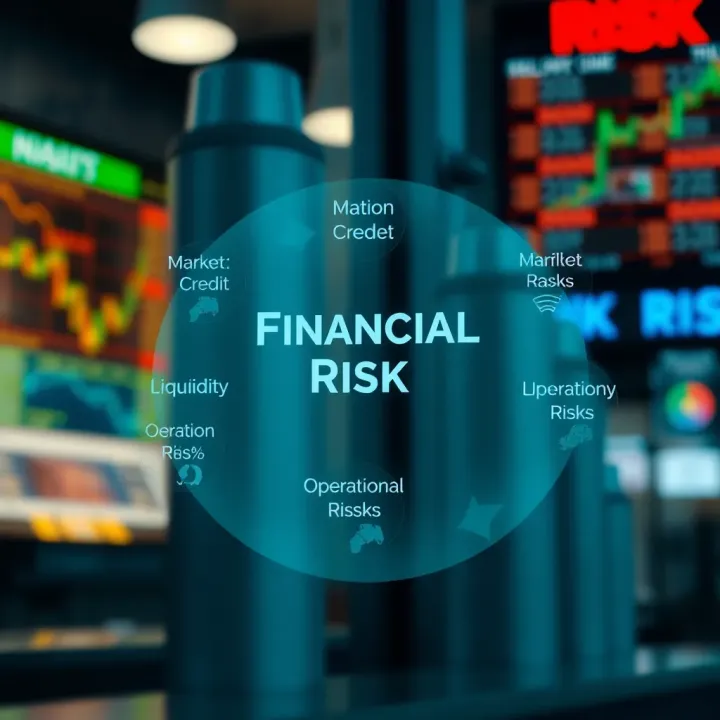
Discover how to spot, assess, and reduce financial risks in your business. Stay compliant and monitor risks continuously to protect your investments 💼📉
Based on 14 reviews