
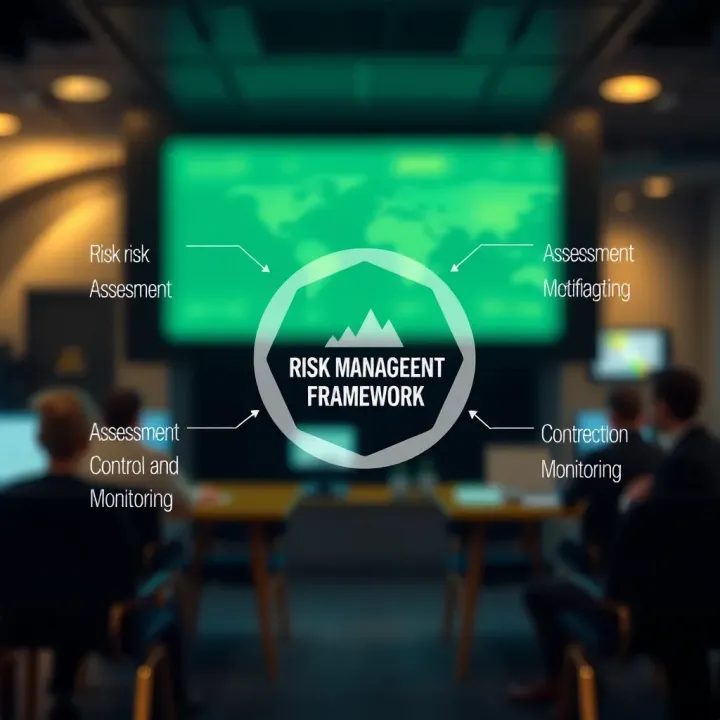
Risk Management Frameworks for Kenyan Businesses
📊 Learn how Kenyan businesses can identify and control risks with a clear risk management framework. Protect resources, manage threats, and improve processes for success.
Edited By
Isabella Reed
Risk management is no longer a luxury for Kenyan businesses but a necessity. With the unpredictable economic climate and unique challenges faced locally—from currency fluctuations and regulatory changes to geopolitical risks in the East African region—businesses must prepare themselves to handle setbacks without compromising their operations.
Understanding where risks come from is the first step. These risks can be financial, such as fluctuations in the Kenyan Shilling or delayed payments via M-Pesa; operational, like supply chain disruptions caused by transport strikes or poor infrastructure; or even strategic, including changes in government policy that impact trade within the East African Community (EAC).
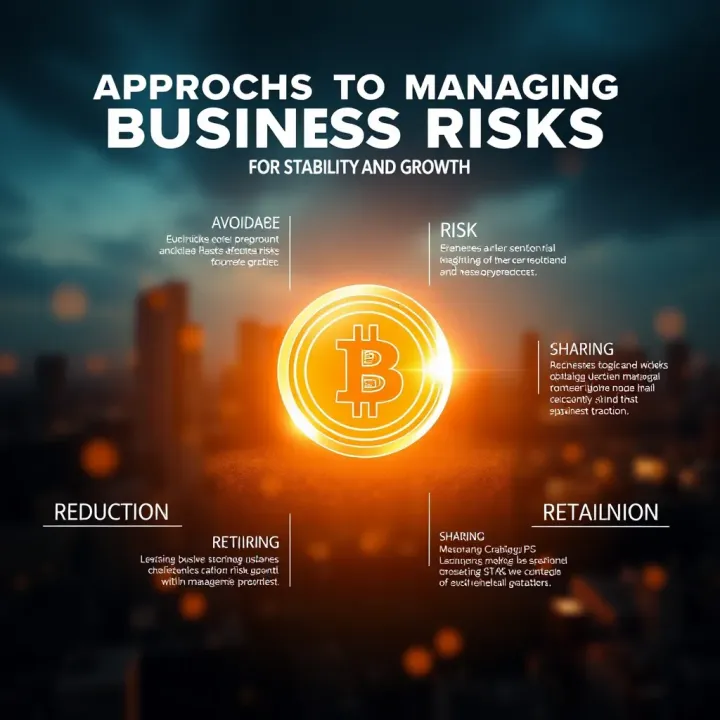
Successful risk management starts with clear identification and realistic assessment, followed by well thought-out strategies to mitigate losses and protect business continuity.
An effective approach includes several key strategies:
Risk Identification: Regularly scan your business environment to spot potential threats early. For example, retail chains in Nairobi supervise their stock closely to guard against theft or spoilage, while exporters track currency volatility closely to hedge risks.
Risk Assessment: Once risks are identified, rank them according to their likelihood and impact. Use both qualitative insights—like feedback from suppliers or clients—and quantitative data, such as financial reports or market trends.
Risk Mitigation Techniques: Apply practical methods such as:
Risk avoidance: Steering clear of highly volatile investments common in certain sectors.
Risk reduction: Implementing robust security at warehouses or backup power systems to reduce downtime.
Risk sharing: Using insurance products available locally to distribute potential losses.
Risk retention: Sometimes businesses accept minor risks, like small delays in matatu services, as managing them can be costlier than the impact.
These strategies are firmly rooted in the Kenyan business context and require consistent monitoring to adapt to new risks quickly. By investing time and resources in smart risk management, companies can safeguard their assets, reputation, and growth prospects amid uncertainty.
In the following sections, we'll explore concrete steps and tools Kenyan businesses can use to strengthen their risk management efforts and stay ahead in an ever-changing market.
Grasping the fundamentals of risk management is essential for any Kenyan business aiming to thrive in a dynamic market. It’s not just about avoiding losses but about recognising potential challenges early, adjusting operations, and creating opportunities for steady growth. A clear understanding allows businesses to balance risks smartly rather than avoiding them altogether, which can stunt innovation and expansion.
Risk, in business terms, refers to any uncertain event or condition that can affect a company’s ability to achieve its objectives. These events might lead to financial loss, reputational damage, or operational disruptions. For instance, a Nairobi-based agribusiness might face climate-related risks like drought affecting crop yields, which can cripple its supply chain and profits. When risks are not managed well, even small issues can escalate into major setbacks.
Kenyan businesses typically deal with a variety of risks, including:
Market risk: Changes in consumer demand or price fluctuations, especially in agriculture and retail sectors.
Credit risk: Clients or partners failing to pay on time, common for SMEs relying on informal credit terms.
Operational risk: Breakdowns in processes, such as equipment failure or staff shortages.
Regulatory risk: Shifts in government policies or tax laws that may affect business costs and compliance.
Political risk: Instability during election seasons impacting consumer confidence and supply chains.
Cybersecurity risk: Growing threat of data breaches as more businesses go digital without strong safeguards.
Understanding these risk types helps a business prepare appropriate strategies instead of reacting after losses occur.
Risk identification The first step is spotting potential risks before they cause problems. This involves scanning all areas of operation, from supplier reliability to market trends. For example, a manufacturing firm in Eldoret might identify risks linked to frequent power outages or delayed raw material deliveries early enough to seek alternatives.
Risk assessment Once risks are identified, they need evaluation based on their likelihood and potential impact. This helps to prioritise which risks deserve immediate attention. A retailer in Mombasa could assess the risk of theft as high likelihood with serious impact, prompting fast action, while considering policy changes as lower immediate concern.
Risk mitigation This stage is about developing and applying measures to reduce risks. It could be shifting suppliers, investing in backup power generators, or training staff on security protocols. A Kenyan tea exporter might diversify production sites to spread climate risks, ensuring not all depends on one location.
Monitoring and review Risk management isn’t a one-time activity; it requires constant checking and updating. Conditions change, new risks arise, and old strategies may become ineffective. Regular reviews help businesses keep ahead of challenges. For example, a fintech startup in Nairobi must regularly monitor cyber threats and update safeguards to protect customer data.
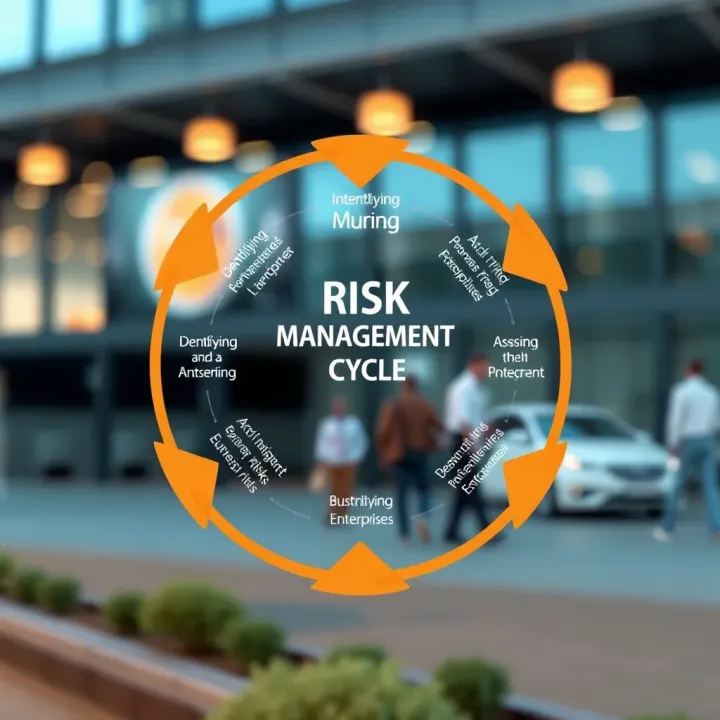
Risk management is a cycle that keeps businesses alert and adaptive, preventing small hiccups from turning into crises.
Mastering these basics equips Kenyan businesses to build resilience, adapt confidently, and maintain steady growth despite uncertainties.
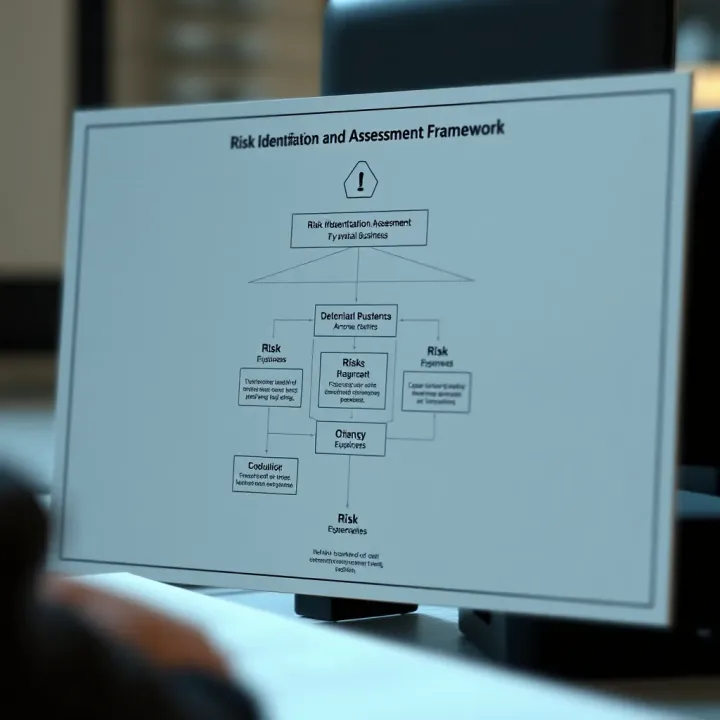
Knowing how to identify and assess risks is the backbone of effective risk management for Kenyan businesses. Without these techniques, companies often fly blind, exposing themselves to losses or disruptions they could have otherwise predicted or mitigated. Practical, reliable methods guide decision-makers to spot threats early and prioritise them based on their potential impact and likelihood. This saves time and resources by focusing on what truly matters.
Brainstorming sessions help teams gather diverse perspectives about possible risks. In a typical Kenyan SME, gathering the manager, sales reps, and even boda boda riders delivering goods can reveal hidden operational risks—like cash flow delays or supply chain hiccups. These sessions encourage open conversation where even minor concerns surface, allowing the business to build a risk list from various angles.

SWOT analysis breaks down risks and opportunities into four buckets: Strengths, Weaknesses, Opportunities, and Threats. A manufacturer in Nakuru might discover, for example, that its strength lies in local raw materials but faces threats from imported products flooding the market cheaply. This approach helps businesses understand internal and external risk factors, so they plan strategically rather than reactively.
Checklists offer a systematic way to ensure no common risk areas get missed. Many Kenyan firms use tailored checklists covering financial risks, regulatory compliance, market risks, and environmental factors like the rains affecting transport. By tick-boxing these categories regularly, businesses maintain ongoing vigilance and are less likely to overlook straightforward but pressing risks.
Interviews and surveys provide a way to tap into detailed insights from employees, customers, or suppliers. For instance, asking staff confidentiality questions about workplace safety or client trust issues can highlight risks not apparent in everyday operations. Many Kenyan firms use this tool during audits or annual reviews to generate fresh intelligence and gauge risk sentiment across the organisation.
A risk probability and impact matrix helps map out the chance of a risk happening against its potential damage. Kenyan traders, for example, might rate political unrest as low probability in some areas but high impact if it occurs. Visual tools like these enable businesses to spot where attention is urgent.
Risk scoring and ranking take the matrix a step further by assigning numeric scores and ordering risks from highest to lowest priority. A Nairobi-based tech startup might score cyber threats higher than infrastructure failure, focusing resources accordingly. This technique keeps risk management focused and measurable.
Financial risk quantification translates risk exposure into money terms to grasp the true cost. For Kenyan exporters struggling with foreign exchange fluctuations, this means calculating potential loss from a weakening dollar against the shilling. Understanding the financial stakes allows companies to make informed decisions on whether to hedge, insure, or absorb risks.
Effective risk identification and assessment aren't just about theory—they provide practical roads to safer operations and better returns in Kenya’s dynamic market.
By combining these tools and methods, businesses build a clear picture of risks and their implications, enabling smarter, faster, and more confident choices.
Managing risks effectively is not just about identifying potential problems but putting in place clear, actionable steps to handle them. Kenyan businesses that actively manage risks tend to avoid costly setbacks and maintain steady growth even when the market or environment shifts. This section explores practical strategies, showing how companies can protect themselves through prevention, reduction, sharing, or acceptance of risks.
Risk avoidance involves steering clear of activities likely to cause trouble. For example, a Nairobi-based logistics firm might avoid delivering to areas prone to frequent road closures or unrest, choosing safer routes or times instead. Prevention focuses on stopping risks before they occur, like enforcing strict hygiene standards in a food processing plant to prevent contamination. Both approaches save costs from damage control or regulatory fines and keep operations running smoothly. However, avoidance isn't always possible, especially when business growth requires taking some risks.
Once risks are identified, companies should implement controls to reduce their likelihood or impact. This can be through regular equipment maintenance, employee training to cut operational errors, or tighter financial controls to prevent fraud. A good practice is setting standard operating procedures (SOPs), which guide employees on the right steps to handle sensitive tasks. Take a retail chain in Mombasa that introduced daily stock audits and clear cash handling protocols; the result was a noticeable drop in losses due to theft and errors. Reducing risk does not eliminate it entirely but makes it easier to manage and less likely to hurt the business.
Risk transfer means shifting the burden to another party, commonly by buying insurance or outsourcing risky activities. For instance, a construction company might have insurance covering accidents on site, reducing out-of-pocket expenses if something goes wrong. Outsourcing specific processes like payroll or IT to expert providers can also lower risks by relying on specialists who understand how to control them better. Businesses should carefully review contracts and insurance terms to ensure adequate coverage without unnecessary costs.
Sometimes it makes sense to accept certain risks, especially if mitigating them costs more than the potential loss. Small kiosks in Nairobi’s informal markets might not afford full insurance but instead set aside a small fund to deal with occasional theft or damage. Accepting risk requires a clear understanding of potential consequences and a plan to handle losses when they occur. This strategy suits risks that are unlikely or have minimal impact compared to the costs of other options.
Effective risk management is about balancing these strategies to fit your business context. Kenyan companies that thoughtfully combine avoidance, reduction, transfer, and acceptance tend to be more resilient in uncertain environments.
By adopting these practical approaches, businesses can better safeguard their operations, protect assets, and maintain customer trust, even when unexpected challenges arise.
Creating a risk-aware culture is essential for Kenyan businesses aiming to strengthen resilience and safeguard their operations. When every employee, from the chap in accounts to senior managers in the boardroom, understands the importance of risk management, the company is better positioned to spot threats early and respond quickly. This cultural shift reduces costly surprises and supports smoother decision-making in a fast-changing market.
Training staff on risk awareness is the first step towards embedding this culture. Practical workshops, scenario-based exercises, and regular briefings help workers grasp both obvious and subtle risks affecting their roles. For instance, a retail company in Nairobi might train cashiers and supervisors to spot potential fraud attempts or stock discrepancies. Communication should be a two-way street — encouraging workers to share their observations helps build collective vigilance. Using local examples, such as risks tied to matatu strikes or power outages, makes training more relatable and effective.
Leadership sets the tone for risk culture by actively championing risk management practices. When directors and managers demonstrate commitment — whether by allocating resources to risk control or openly discussing setbacks — they embed accountability at every level. For example, county-based firms that experience unpredictable regulatory changes benefit when top management regularly reviews and updates compliance measures. Leadership should also recognise and reward proactive risk reporting, ensuring employees feel valued for contributing to the organisation’s safety net.
A transparent environment encourages honest reporting of risks or incidents before they escalate. Kenyan enterprises often struggle with underreporting due to fear of blame or lack of trust. Establishing confidential reporting channels and assuring workers that risk disclosures lead to solutions rather than punishment can change this culture. In practical terms, a small agro-processing firm might introduce an anonymous WhatsApp group for employees to report onsite hazards or supply issues, which management then addresses promptly. Transparent risk communication benefits not just internal teams but also builds trust with stakeholders and partners.
Embedding a risk-aware culture involves ongoing commitment across levels — it’s not a one-off initiative but part of daily business life that helps Kenyan organisations adapt, survive, and grow in uncertain times.
By prioritising training, leadership engagement, and open reporting, Kenyan businesses can weave risk awareness into their DNA, safeguarding their growth and reputation in competitive markets.
Technology plays a key role in improving how Kenyan businesses manage risks today. With rising complexities in markets and operations, relying on traditional methods alone is no longer enough. Technology tools can streamline risk identification, enhance prediction accuracy, and strengthen defence against cyber threats, helping companies stay ahead of potential losses.
Several software platforms cater specifically to risk management needs within Kenya and the broader East African region. Programs like MetricStream and Resolver offer integrated solutions that can track, assess, and report risks in real time. These tools simplify compliance with local regulations such as those set by the Capital Markets Authority (CMA). For smaller firms, cloud-based solutions like Zoho Risk Management or RiskWatch are affordable and allow teams to collaborate remotely, crucial in Nairobi’s dynamic business environment.
These platforms typically feature dashboards that present risk data clearly, enabling faster decision-making. For example, a logistics firm dealing with matatu delays and supply chain disruptions can monitor risks linked to transport routes and adjust plans promptly. The Kenyan market is also seeing increased adoption of mobile-accessible tools, allowing managers to update and monitor risk activities on the go.
Data analytics empowers businesses to forecast risks before they spiral into full crises. By analysing historical sales, market trends, and even weather patterns, companies can anticipate operational hiccups. For instance, agricultural businesses in Kenya use satellite data paired with local climate records to predict drought risk and adjust planting schedules accordingly.
Financial analysts use predictive models to evaluate investment risks, helping investors make informed choices. Banks harness transaction data to detect suspicious activities indicative of fraud early. Such data-driven approaches reduce guesswork and provide a measurable basis for risk mitigation strategies.
Cybersecurity remains a growing concern as more Kenyan firms adopt digital systems for operations and payments. Protecting sensitive data, especially customer financial information, is critical. Businesses need layered security measures including firewalls, encryption, and regular software updates.
Training staff to recognise phishing attempts or social engineering attacks is crucial, since human error often opens security gaps. For example, a SME operating an e-commerce platform that accepts payments via Paybill or Lipa Na M-Pesa must ensure these interfaces are secured against hacking attempts to avoid financial losses and reputational damage.
Strong cybersecurity is not just about technology but also about creating vigilant organisational habits around data safety.
In summary, integrating digital tools and analytics can greatly enhance risk management for Kenyan businesses. Selecting the right software, analysing data proactively, and safeguarding digital assets help firms manage risks effectively in a fast-changing environment.
Regularly reviewing and adapting risk management strategies is vital for Kenyan businesses to stay resilient amid change. Risks evolve as markets shift, regulations change, and new technologies emerge. Without ongoing review, a risk strategy quickly becomes outdated, exposing a company to avoidable losses or missed opportunities. In practice, this means businesses must keep an eye on their internal and external environment to adjust their approach when necessary.
Continuous monitoring helps catch early signs of risk materialisation before they escalate. For example, a Nairobi-based SME using M-Pesa for payments might monitor transaction patterns to spot fraud attempts early. Monitoring isn't just about financials; it includes regulatory updates from bodies like KRA (Kenya Revenue Authority) and the Central Bank of Kenya, changes in supplier reliability, or even social trends that might affect demand. Daily or weekly risk reports can empower management to act swiftly. Using risk management software that updates in real-time adds an extra layer of protection.
Flexibility is key. When unexpected risks arise — such as political unrest affecting supply chains or a sudden increase in foreign exchange volatility — a rigid risk plan fails. Kenyan exporters, for instance, may need to quickly adjust pricing or sourcing strategies to navigate currency fluctuations. Updating contingency plans and reallocating resources to buffer these impacts keeps business steady. It also pays to have clear triggers defined in the risk plan: when a certain metric crosses a threshold, the company initiates a specific response.
Every risk incident is a learning opportunity. Keeping comprehensive records of risk events, responses, and outcomes builds an institutional memory that prevents repeat mistakes. For example, if a supplier failed to deliver raw materials on time, documenting the cause and remedial action helps refine supplier contracts or diversify sourcing next time. Sharing these lessons across departments encourages a proactive culture. Over time, this documentation creates a valuable knowledge base that improves forecasting and decision-making.
A business that reviews and adapts its risk strategies regularly does not merely survive challenges; it grows stronger by learning and evolving.
By embedding continuous monitoring, swift adaptation, and thorough documentation into risk management, Kenyan businesses can safeguard their operations and capitalise on emerging opportunities even in uncertain times.
📊 Learn how Kenyan businesses can identify and control risks with a clear risk management framework. Protect resources, manage threats, and improve processes for success.
📊 Learn how Kenyan businesses can spot, assess, and handle risks to protect operations and boost decisions. Practical tips with local examples included.
📊 Navigate risk with confidence! Learn how Kenyan businesses can identify, assess, plan, monitor, and review risks to safeguard operations, finances, and reputation today.

📋 Learn how to build a solid risk management plan for Kenyan businesses. Identify local risks, take practical steps, and protect your venture from common challenges effectively.
Based on 9 reviews