

How to Choose and Use Forex Trading Apps in Kenya
Discover the best forex trading apps in Kenya 🇰🇪! Learn how to choose, download, and use them safely for smarter trading decisions 📱💹.
Edited By
Liam Gallagher
Stepping into the world of forex trading can be overwhelming without the right guidance. A well-structured forex trading course can be your reliable companion, helping you to build essential skills, avoid costly mishaps, and deepen your understanding of the foreign exchange market.
Forex trading in Kenya is growing, thanks in part to affordable internet access and mobile money platforms like M-Pesa that make funding accounts straightforward. Still, many traders rush in without solid knowledge, leading to losses that could have been avoided. This is where a good course comes in — it equips you with practical tools to read market trends, understand currency pairs, manage risk, and develop a trading strategy that fits your goals.

Choosing the right course is crucial. Courses vary widely in quality, content, and approach. Some focus heavily on technical analysis, while others prioritise fundamentals or psychology, so knowing what you need can save you time and money. Also, prices range from free lessons on YouTube to paid programmes costing tens of thousands of shillings, so it's wise to assess value before committing.
In this guide, we offer clear pointers on what to look for in a forex trading course and how to make the most of your learning experience. Whether you’re new to the forex market or seeking to sharpen your skills, these insights will help you pick a course that suits the Kenyan context and your personal trading ambitions.
Taking a course is not just about theory; it’s about practising strategies, staying disciplined, and understanding market behaviours—keys to surviving and thriving in forex trading.
Look forward to practical advice on topics taught in forex courses, ways to evaluate instructor credibility, and tips on applying lessons to the Kenyan market, where factors like EAC currency relations and local economic indicators can influence trading decisions.
Understanding these basics will put you ahead of many who rely on guesswork or misleading tips. Let’s begin by breaking down how forex training can fit into your trading journey and what benefits it offers beyond quick wins.
Forex trading courses lay the groundwork needed to navigate currency markets confidently. Understanding what these courses offer helps traders avoid trial-and-error losses common in forex trading. For instance, in Kenya where many traders start casually with M-Pesa funds, proper education saves them from risky gambles and builds lasting skills.
Basics of forex markets and currency pairs: Courses begin by explaining how forex markets operate globally, including common currency pairs like USD/KES or EUR/USD. Learners discover how currencies are quoted and traded, why exchange rates fluctuate, and practicalities such as spreads and leverage. This foundation is critical; without it, one risks misunderstanding how market moves can affect positions.
Introduction to trading platforms and tools: Mastering platforms like MetaTrader 4 or proprietary broker software is another core focus. Courses teach order types, chart navigation, and essential tools like economic calendars. For example, a Kenyan trader using a broker’s app must know how to set stop-loss orders to avoid losing more than intended. Hands-on practice with platforms reduces costly errors.
Fundamental and technical analysis: Good courses balance two main ways to study markets. Fundamental analysis covers how news like Kenya’s inflation rate or US Federal Reserve interest decisions impact currency prices. Technical analysis involves reading charts, spotting trends, and using indicators like the RSI or moving averages. Together they help traders make informed entry and exit decisions.
Risk management and trading psychology: Managing risk is central to lasting success. Courses illustrate how to size positions based on account size, set stop-losses effectively, and avoid overtrading. Psychology training addresses emotional control — essential for resisting impulsive trades after losses or gains. Without this, traders often blow accounts despite good strategies.
Beginners seeking foundational knowledge: Newcomers unfamiliar with forex need structured lessons to build safe trading habits. A Kenyan learner starting with KS0,000 can learn to avoid scams and understand basic terms. Learning from an expert also streamlines the path to competence, saving wasted funds.
Intermediate traders aiming to refine skills: Those with some trading experience benefit from courses that expand strategy knowledge and fine-tune technical skills. For example, an intermediate trader might learn backtesting methods to validate a system or master advanced indicators to improve timing.
Professionals looking for disciplined trading methods: Even experienced traders and brokers find value. Courses can introduce disciplined routines and risk controls to maintain consistency when markets get tough. For example, professional traders often need refresher lessons in psychology or insights on adapting to shifting market conditions globally.
Taking a forex trading course is not just about theory; it’s about applying skills to real markets with confidence and control, especially in markets like Kenya’s, where information gaps are common.
This understanding ensures every Kenyan trader can pick a course that suits their level, goals, and budget, turning trading into a disciplined activity rather than a gamble.
Choosing the right type of forex trading course matters because it impacts how effectively you learn and apply trading skills. Different course formats suit different learning styles, schedules, and budgets, so understanding what’s available can save you both time and money.
Flexibility and self-paced options let you fit learning into your own schedule. For example, if you’re juggling a day job in Nairobi and family duties, you can access recorded lessons at night or weekends. This flexibility makes forex education accessible to many Kenyans across different towns, not only in major cities.
Self-paced courses often break down complex topics like currency pairs or candlestick patterns into simple modules, allowing you to revisit tricky parts repeatedly. This learner-centred approach helps build confidence before risking real money.
Interactive sessions with expert traders add tremendous value to online formats. Live webinars enable you to ask questions and clarify doubts immediately. Engaging directly with seasoned Kenyan or international traders can reveal insights that textbooks miss, such as reading market sentiment during major events like CBK rate announcements.
Some platforms even offer group chats and forums where traders share real-time setups or warn against sudden volatility. This peer interaction boosts learning and replicates the dynamic nature of live forex markets.
Hands-on learning and peer interaction feature prominently in physical workshops. Sitting in a room with other traders allows you to practise chart reading exercises and use trading platforms under expert guidance. This format suits those who learn best by doing rather than watching alone.

In Kenya, certain forex academies organise weekend workshops in Nairobi or Mombasa, giving attendees practical experience in a focused environment. You get immediate feedback and mentorship, which accelerates skill acquisition compared to solo study.
Access to local trading communities is another perk of in-person training. Connecting with fellow traders builds support networks that endure beyond the course. For instance, a group might meet regularly at a café or connect via WhatsApp groups to discuss daily strategies and market news.
This communal aspect can help you stay disciplined and updated with Kenya’s unique market influences, such as the impact of local elections or shilling fluctuations.
Benefits and limitations of free resources include easy access and no cost, making them attractive for beginners testing the waters. Free videos on YouTube or basic ebooks explain forex basics and trading psychology well enough to get started.
However, free materials often lack depth, personalised feedback, or structured progression. They might not cover Kenya-specific nuances like trading during local market hours or managing risks in volatile currencies such as KES/USD.
What to expect from paid, structured programmes is more comprehensive learning with clear milestones. Paid courses usually deliver updated content, practical exercises such as simulated trading, and direct support from qualified instructors.
In Kenya, investing a reasonable fee (say KS0,000 to KS0,000) in a well-reviewed course can provide access to mentorship, downloadable materials, and sometimes post-course trading communities. This added value often translates to faster progress and greater confidence in applying trading strategies.
Selecting the right forex course format depends on your lifestyle, learning style, and budget. Whether you go online or in-person, free or paid, ensure the course matches your goals and offers practical, localised insights.
When selecting a forex trading course, focusing on specific key topics can make a difference in your learning outcomes and trading success. Courses that cover essential areas help you understand market behaviour, sharpen your analysis skills, and manage risks effectively. For instance, a course that explains technical analysis alongside risk management prepares you to trade wisely rather than just guessing.
Identifying trends and patterns is fundamental in forex trading. Courses teaching this show you how to spot when a currency pair is likely moving upwards, downwards, or sideways. Recognising patterns like head and shoulders or double bottoms helps anticipate market shifts. For example, if the USD/KES pair shows an upward trend with higher highs, it could signal a buying opportunity. Without this skill, traders may enter or exit trades too early, losing potential profits.
Using indicators and oscillators further supports decision-making. Indicators like moving averages smooth out price data to reveal trends, while oscillators such as the Relative Strength Index (RSI) show if a currency is overbought or oversold. A practical course will teach you when to act on signals from these tools. For example, combining a moving average crossover with an RSI below 30 may point to a strong buy signal.
Impact of economic data on currency values is another key topic. Economic reports like Kenya’s inflation rate, GDP growth, and trade balance influence how traders value the shilling against other currencies. A course explaining this helps you connect dots: if Kenya’s inflation rises unexpectedly, the central bank might raise rates, potentially strengthening the shilling.
Understanding central bank policies builds on this. Central banks like the Central Bank of Kenya (CBK) set interest rates and intervene in forex markets. Knowing their policy statements helps predict currency moves. For example, a hawkish stance by the CBK signaling tightening monetary policy often boosts the shilling, something a trader can capitalise on.
Setting stop-loss and take-profit levels teaches you how to protect your capital and lock in gains. A stop-loss automatically exits a trade if the price moves against you beyond a set point, limiting losses. Take-profit locks in profits when a target price is reached. Without these, traders expose themselves to big losses or miss out on securing gains.
Position sizing and capital preservation guide how much of your money to risk per trade. Good courses stress not risking more than 1-2% of your trading capital on a single trade. For instance, with KSh 100,000, risking KSh 1,000 per trade keeps you in the game longer and avoids blowing your account on one bad bet.
Backtesting and practice trading involve trying your strategies on historical data or demo accounts before risking real money. This shows how a strategy would have performed in past market conditions. A course with this topic helps you refine methods without costly mistakes.
Adapting strategies to market conditions is a lesson in flexibility. Markets change due to news, volatility, or seasonal trends. For example, a strategy that works in calm periods may fail during high volatility like a political event. Learning to adjust methods improves your chances of consistent profit.
Focusing on these key topics in a forex trading course arms you with real tools and understanding to trade the forex market confidently and protect your capital over time.
Choosing the right forex trading course is a step that can’t be rushed. With many options out there, a poor choice wastes time, money, and effort. Selecting a course that fits your level, learning style and goals helps you build solid skills that work in real market conditions. It’s especially relevant for Kenyan traders who want to understand the local market context alongside global trends.
The expertise of the instructor matters a lot. Opt for traders who have proven a track record in forex trading themselves, ideally with several years of live trading experience. For example, a mentor who has navigated real market events like the 2008 financial crisis or recent currency fluctuations in the East African region can offer valuable practical insights. Avoid courses led by instructors who only teach theory without hands-on experience—they often miss out on the realities of market psychology and risk.
Reviews from former participants give you a clearer picture of the course quality and support. Look for consistent comments about the clarity of explanations, the usefulness of practice exercises, and responsiveness of the teaching team. A course praised for helping students progress from demo accounts to live trading successfully is an encouraging sign. However, be cautious of courses with many reviews that sound generic or overly positive—sometimes these are paid or fabricated. Genuine, detailed comments tell you more.
A good forex course doesn’t just cover concepts like pips, leverage or candlestick patterns; it integrates practical exercises like live chart analysis and demo trading. For instance, one Kenyan trader applied knowledge from a course’s risk management module during live trades and avoided significant losses. This balance ensures you don't just memorise terms, but also apply skills to trade confidently.
Being part of a trading community or having access to mentors can raise your learning significantly. Mentors provide personalised feedback and help you stay disciplined, while peer groups offer shared experiences and strategies. Kenyan traders, for example, benefit from forums or WhatsApp groups where they discuss local currency trends and opportunities. Look for courses that foster ongoing support rather than one-off lessons.
Course fees vary widely; it’s crucial to know what you're paying for beyond just lectures. Some may include trading software access, personalised coaching, downloadable resources, or extra workshops. For example, a KSh 50,000 course might look expensive upfront but includes six months of live mentorship plus real-time market analysis—providing good value compared to a cheaper course that is purely video-based.
Don’t just pick the cheapest course. Weigh the cost against benefits like improved trading strategies, reduced losses, and faster skill acquisition. If a course helps you avoid common mistakes or boosts your winning trades by even a small margin, that can translate into significant savings and profits. Consider your budget but remember that forex trading is an investment in your financial knowledge that pays off long-term.
Choosing the right course requires research and attention to detail, but the payoff in your trading results can be substantial. Take your time to evaluate credentials, content, support, and costs carefully before committing.
Getting the most out of a forex trading course requires more than just attending sessions or watching videos. The real benefit lies in how you apply what you learn and adapt it to your unique trading style and financial goals. This section breaks down practical steps Kenyan traders can take to deepen their understanding and improve performance over time.
Forex trading is often misunderstood as a shortcut to quick riches, but in reality, it’s a craft that demands practice and patience. Think of it like learning to drive a matatu; you don’t start with a full passenger load on a busy Nairobi highway. Similarly, mastering forex requires building skills gradually, understanding how markets move, and accepting that losses are part of the learning curve. A realistic mindset prevents reckless decisions driven by greed or impatience.
Success in forex comes slowly, not overnight. Consistently dedicating time to learning—whether it’s daily chart reviews or weekly strategy tests—builds a strong foundation. Just as a farmer tends to his shamba day by day, nurturing your trading knowledge steadily helps you adapt to changing market conditions. Even when progress seems slow, maintaining focus and regularly applying lessons keeps you moving forward.
Demo accounts offer an invaluable chance to practise trading without risking actual money. They simulate real market environments, allowing you to test strategies, understand platform functions, and build confidence. For instance, if you’re new to indicators like the moving average or RSI, practising on demo platforms from brokers like FXTM or Pepperstone lets you explore these tools safely.
Mistakes are inevitable, but demo accounts turn them into learning moments. If a trade goes wrong here, you don’t lose KSh, just valuable insight into what not to repeat. Think of it like a football team training before a league match—errors made in practice prepare you for real games. This risk-free environment helps reduce emotional trading, which is a common pitfall for beginners.
Being part of a trading community, either online or locally, means you benefit from collective knowledge. Members often share tips on market trends, strategy tweaks, and broker experiences. For example, a group on a platform like Telegram or WhatsApp focused on forex from Nairobi or Mombasa can offer real-time advice and moral support. This exchange builds confidence and keeps you grounded.
Markets are always changing, influenced by news and economic indicators like CBK announcements or US Fed decisions. Forums and chats help you stay current and interpret these events’ effects on currencies like the shilling or dollar. Staying informed lets you adjust trades accordingly, avoiding surprises and spotting new opportunities.
Maximising your forex course isn’t just about theory; it’s developing habits, using tools wisely, and staying connected with fellow traders that builds lasting success.
Discover the best forex trading apps in Kenya 🇰🇪! Learn how to choose, download, and use them safely for smarter trading decisions 📱💹.

Discover how to start forex trading in Kenya 🇰🇪 with tips on brokers, risk management, and local regulations. Grow your investment knowledge and trade smartly! 📈
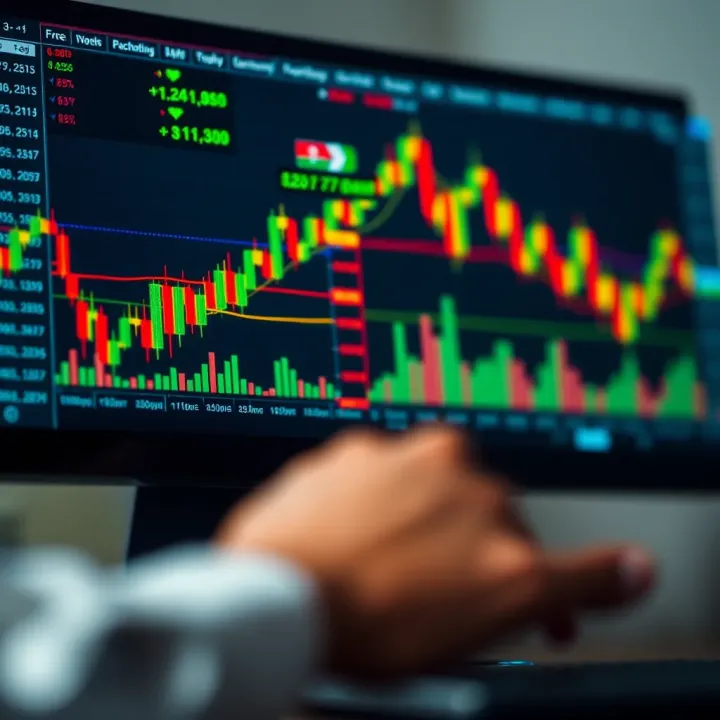
📈 Learn how to start forex trading in Kenya with easy steps on setting up accounts, picking platforms, managing risks, and making smart trades for steady KSh earnings.
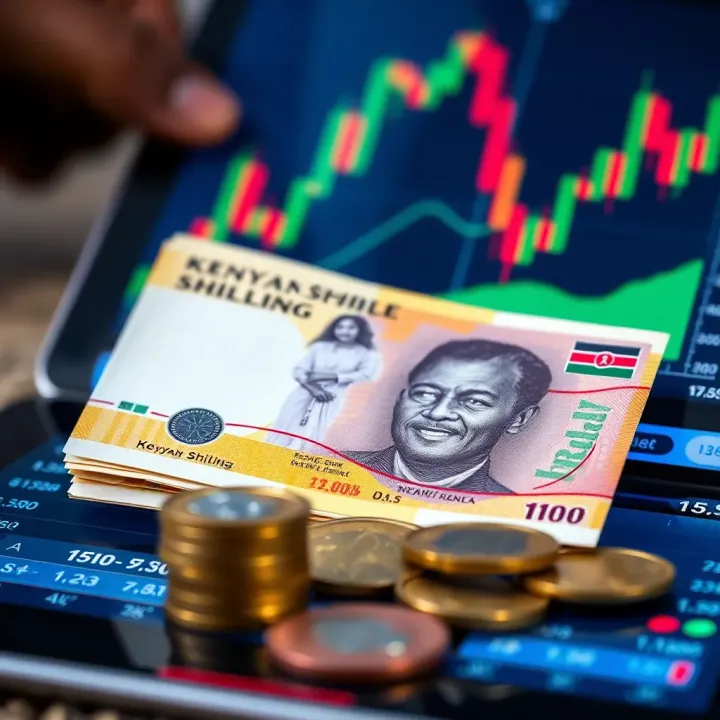
🌍 Want to start forex trading in Kenya? Learn local regulations, risk tips, and how to use tools like M-Pesa and KSh effectively for smart trading.
Based on 15 reviews