
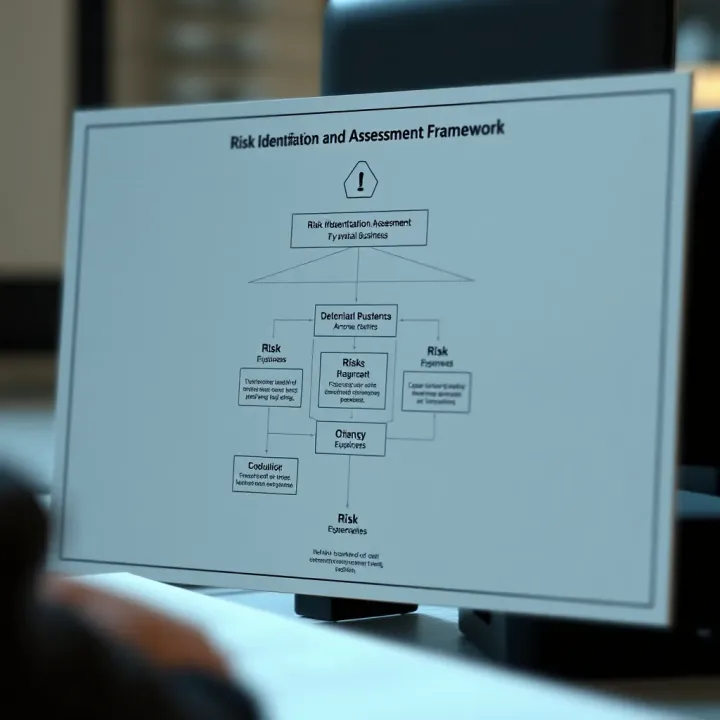
Key Steps in Risk Management for Kenyan Businesses
📊 Navigate risk with confidence! Learn how Kenyan businesses can identify, assess, plan, monitor, and review risks to safeguard operations, finances, and reputation today.
Edited By
Benjamin Carter
Risk management is about spotting, evaluating, and handling potential threats that could disrupt a business or organisation. For Kenyan businesses, whether a small jua kali workshop in Kisumu or a large manufacturing firm in Nairobi, understanding risk helps protect assets, people, and reputations.
The main goal is to prevent losses and make better decisions. For example, a tea processing plant in Kericho may face risks from unpredictable weather or fluctuating prices on the global market. By managing these risks, the plant can plan for dry seasons or lock in contracts to reduce financial shocks.
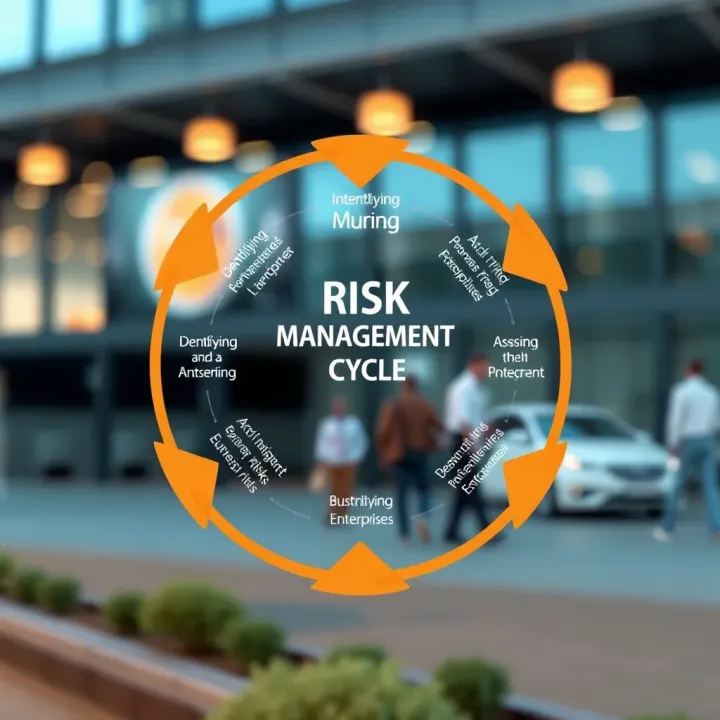
Effective risk management turns uncertainty into manageable parts and gives businesses a chance to steer clear of costly surprises.
Kenya's economy faces unique challenges - political shifts that can affect trade, infrastructure issues that disrupt supplies, and regulatory changes that impact taxes and dues. Investors and traders often deal with currency volatility, while financial institutions manage credit and fraud risks.
Ignoring these risks can lead to setbacks, such as delayed projects or loss of funds. But a solid risk approach helps organisations become more resilient, improve compliance with bodies like KRA and CMA (Capital Markets Authority), and attract confident investors.
Understanding risk management involves:
Identification: Find what might cause harm. This could be anything from theft in a retail duka to supply chain delays for an exporter.
Assessment: Measure how likely and severe the risk is. For instance, a bank may assess both cyber-attacks and loan defaults.
Control: Decide on actions. Installing CCTV, diversifying suppliers, or taking insurance are common ways.
Monitoring: Regularly check risk controls and adjust as conditions change, such as during election years or market downturns.
Many Kenyan companies use practical tools like risk registers – simple documents listing risks and actions – or software to track everything from delays to compliance. For financial analysts and brokers, models forecasting market risks help in advising clients better.
A small business can also adopt affordable risk management by training staff to spot hazards or using mobile payment systems like M-Pesa for safer transactions.
By applying these practical steps and tools, organisations in Kenya can reduce losses, safeguard growth, and navigate the business environment more confidently.
Risk management is at the heart of keeping any business or organisation on stable footing. In this section, we'll explore what risk management really means, especially for Kenyan businesses and institutions, and why it's not just jargon but a practical necessity.
Understanding risk as potential harm or loss: Risk refers to the chance that something might happen to cause harm or loss to a business. This could be anything from theft of stock in a Nairobi-based retail shop to unexpected price hikes for raw materials affecting a local manufacturer. Recognising what risks exist means spotting what can go wrong before it actually does.
Explaining risk management as a systematic approach: Managing risk is not about avoiding it entirely but handling it in a planned way. Businesses use steps like identifying possible risks, assessing their chances and impact, and then deciding how to handle each risk. For example, a small farming cooperative in Kisumu might use crop insurance and adopt better storage methods to manage risks linked to weather and pests systematically rather than waiting for losses to mount.
Protecting assets and resources: Every business has assets—cash, stock, equipment, or reputation—that need safeguarding. Without a risk management plan, a fire at a warehouse or fraud in accounts can drain resources quickly. For instance, an SME in Mombasa that regularly updates its security and financial controls reduces chances of loss due to theft or fraud significantly, protecting its investments.
Supporting sustainable business growth: Managing risks allows businesses to plan confidently for the future. A tech startup in Nairobi might be aware of software security risks and invest in good cybersecurity measures. By managing these risks upfront, the company can focus on expanding its market without constant setbacks, building long-term stability.
Complying with laws and regulations: Kenyan businesses must follow rules from bodies such as the Kenya Revenue Authority (KRA), NSSF, and NHIF. Proper risk management ensures that companies meet these legal requirements, avoiding fines or licences being revoked. For example, a manufacturing firm that regularly audits compliance with environmental regulations avoids costly penalties that could disrupt operations.
Effective risk management is not just a safeguard; it's a foundation for smarter decisions, resilience, and trust with customers and partners.
In short, understanding risk management means recognising threats early, handling them wisely, and creating an environment where Kenyan businesses can thrive despite uncertainties. This practical guide will build on these basics to equip you with the know-how to apply risk management in your own context.
Understanding the steps involved in risk management helps Kenyan businesses avoid costly surprises. Risk management is not a one-off exercise but a continuous cycle that ensures organisations spot threats early, decide how serious they are, take action to reduce harm, and keep watch for new dangers. Each step builds on the previous one to create a practical approach that businesses of all sizes can adopt.

Risk identification is the first and critical step where businesses actively look for anything that might go wrong. This involves reviewing operations, talking to employees, conducting inspections, and using checklists tailored to the local business environment. A simple example is a small retail shop in Nairobi noticing risks like unreliable suppliers or theft from customers. Spotting these early gives time to plan.
In Kenya, common risks include currency fluctuations affecting import costs, unreliable power supply disrupting production, or delayed payments from customers. For instance, a hospitality business in Mombasa might face risks from seasonal tourism dips and customer cancellations. Recognising these risks specific to Kenyan conditions helps businesses prepare and respond better.
After identifying risks, the next step measures how likely each risk is and how much damage it could cause. This helps businesses focus on the most dangerous risks first. For example, a trader might assess the chance of currency depreciation impacting profits and tally the potential loss in Kenyan Shillings.
Businesses use tools like risk matrices or scoring methods to prioritize risks. A risk matrix places risks on a grid according to their likelihood and impact, making it easier to see which need immediate attention. Kenyan SMEs might use simple spreadsheets to list risks with scores, deciding to focus on those with high impact but moderate to high likelihood while keeping others under watch.
Control and mitigation involve steps to reduce or remove risks. Strategies include changing processes, training staff, or buying insurance. For example, a manufacturing firm might back up power supply with generators to manage electricity outages, a common issue in Kenya.
Deciding on controls requires balancing the cost of action against potential losses. A small business may find buying costly insurance unaffordable but can improve security with CCTV cameras and staff training, which are cheaper but still reduce theft risk. Weighing how much a control costs versus the benefit in reducing risk is vital to avoid overspending.
Risk management is ongoing. Businesses must keep a close watch on their risk environment because circumstances change. Continuous monitoring helps spot new risks or changes in existing ones. For instance, a firm might review market shifts after new competitors enter the Kenyan market or after government policy changes affecting taxes.
Plans should be flexible and updated regularly. If a risk control isn’t working, the business must adjust. For example, if a crop farming cooperative faces unexpected droughts, it may need to revisit its risk approach, perhaps by diversifying crops or using weather insurance. Regular review ensures risk management remains effective and relevant.
Consistent risk management steps give Kenyan businesses the best chance to protect resources and thrive in a changing environment. It’s less about avoiding risks entirely and more about knowing how to handle them smartly.
Every Kenyan business or organisation deals with risks that can hit their goals or operations. Understanding these common risks helps leaders focus resources where it matters most and avoid costly surprises. Risks vary, but recognising typical challenges can improve planning and strengthen resilience.
Currency fluctuations and inflation impacts directly affect profit margins and pricing strategies. For example, a company importing goods from outside Kenya might find costs rising overnight if the Kenyan Shilling weakens against the US dollar. Inflation also means input prices—fuel, electricity, raw materials—can jump unexpectedly, squeezing budgets, especially for SMEs with tight cash flow.
Credit and loan repayment challenges arise when customers or partners delay payments or default. In Kenya's credit market, many businesses rely on loans from banks or groups like SACCOs, but poor repayment habits or interest rate hikes can cause cash shortages and even force layoffs. Managing credit risk is vital for maintaining financial health and good standing with lenders.
Supply chain disruptions can stall production or deliveries, impacting sales and customer trust. For instance, during the long rains, flooding might block roads around Nakuru or Kisumu, delaying deliveries from suppliers. Such interruptions highlight the need for alternative suppliers or buffer stock, especially for firms that depend on timely availability of goods.
Technology failures and cyber risks are growing threats as more Kenyan businesses digitalise. A sudden network outage or software glitch can halt transactions, affecting a retailer's daily sales or a bank's online service. Worse, cyberattacks—like phishing or ransomware—could expose sensitive client data or money, demanding robust cybersecurity measures and staff training.
Meeting requirements from agencies like the Kenya Revenue Authority (KRA), National Social Security Fund (NSSF), and National Hospital Insurance Fund (NHIF) demands regular attention. Failure to file returns on time or underpaying contributions can lead to fines, legal action, or reputational damage. Many businesses struggle to keep up with evolving tax laws or social security rules, making compliance a key risk area.
Environmental and safety regulations in Kenya are also tightening. Companies in manufacturing or construction must manage waste properly and ensure worker safety. Non-compliance could result in penalties or shutdowns by county governments or the National Environment Management Authority (NEMA). For example, a construction firm ignoring safety protocols risks accidents and legal suits.
Shifts in customer preferences can catch businesses off guard. A mobile money agent experiencing declining foot traffic might find clients switching to more convenient digital platforms or mobile apps. Staying tuned to customer needs and adapting product offerings keeps businesses relevant and competitive.
Competition from local and international players drives constant change. Kenyan SMEs face rivalry from established firms and foreign companies entering via trade agreements like the East African Community (EAC). For instance, small apparel shops in Nairobi compete with cheaper imports from Asia. Understanding this competitive landscape can inform pricing, marketing, and innovation strategies.
Identifying these risks early and integrating them into business plans or organisational policies helps Kenyan enterprises stay ahead and build resilience against setbacks.
This awareness ultimately safeguards investments, boosts confidence among stakeholders, and supports sustainable growth in Kenya’s dynamic market.
Managing risk well calls for more than just spotting dangers — you need proper tools to track, assess, and respond to them. For Kenyan businesses and organisations, using the right risk management approaches can save time, reduce losses, and improve decision-making across all levels. These tools help keep risk visible and manageable rather than hidden hazards that catch you off guard.
One of the simplest but most powerful tools in risk management is the risk register. This is a record listing all identified risks, along with details like their possible impact, likelihood, current controls, and action plans. Keeping a risk register forces you to put risks in the open, ensuring they are not forgotten or ignored. It also provides a useful history for reviewing how threats evolve over time.
For many Kenyan businesses, maintaining risk logs can be quite practical even with limited resources. A straightforward spreadsheet can serve well as a risk register, updated regularly by responsible staff. Small enterprises in Nairobi or towns can note supply chain risks, equipment breakdown, or currency instability issues they face. Documenting these risks and reviewing them monthly aligns actions with actual business realities and helps prevent surprises.
Transferring risks to another party is a common way to manage threats without handling all consequences yourself. In Kenya, insurance plays a vital role here. Businesses can obtain policies covering fire, theft, motor vehicle accidents, or professional liability. Local insurers like Jubilee Insurance and CIC offer products tailored to Kenyan markets and regulatory requirements.
Besides insurance, contracts and outsourcing arrangements allow organisations to share or shift risks. For instance, a transport company contracting boda boda riders can specify liability limits, reducing direct exposure to accidents. Similarly, IT services outsourced to specialised firms lower the chance of operational disruptions from internal errors. These contractual safeguards distribute risks and clarify responsibilities.
Digital tools have become indispensable for monitoring risks efficiently. Kenyan firms increasingly adopt software solutions to track operational data, financial indicators, and compliance deadlines. These systems can alert management early to unusual trends, such as delayed supplier deliveries or late payments, so prompt action can follow.
Cybersecurity deserves special attention as businesses go digital. Protecting online assets—customer databases, payment platforms, and internal communications—against hacking or data breaches requires firewalls, encryption, and regular staff training. Organisations must balance convenience with cautious controls to avoid costly digital attacks, especially given rising cyber threats within the East African region.
Keeping risks documented, sharing their load smartly, and using technology for constant vigilance turns risk management from a guessing game into reliable business practice. Kenyan companies that adopt these approaches stand a better chance of thriving amid uncertain environments.
Applying risk management in Kenyan businesses and communities is about adapting general principles to local realities. Risks in Nairobi or Kisumu are different from those in Uganda or South Africa, for instance. Understanding these local factors helps organisations reduce losses, comply with regulations, and make stronger decisions. Whether you run a small duka or a big company, managing risks keeps you ahead of supply hiccups, currency swings, or shifting customer demands.
SME owners should focus on straightforward risk steps. Start by spotting risks that affect daily cash flow, like fluctuating costs of raw materials or delayed payments from customers. Keeping a simple risk register helps track these issues and plan how to respond if they happen. For example, having a backup supplier for maize flour in a restaurant guards against stockouts during rainy seasons.
In the jua kali sector — the informal manufacturing and repair businesses — risks often come from equipment breakdowns and uncertain demand. A welder’s tools might need regular maintenance to avoid downtime, or a roadside mechanic may face competition when a new garage opens nearby. Simple measures like putting money aside for repairs and monitoring customer feedback can help manage these risks.
NGOs and community groups face risks different from profit-focused businesses. They need to consider funding reliability, changing donor priorities, and community trust. For example, a women’s group reliant on a single donor may struggle if grants are delayed or cut. They should plan for alternative income sources and engage beneficiaries effectively to maintain support.
Development projects carry risks such as political shifts, partner reliability, and regulatory compliance. Managing these involves thorough due diligence and clear reporting lines. For instance, a water project in a rural area may need regular financial audits and close communication with county governments to ensure smooth implementation and avoid delays.
Several Nairobi-based companies use risk management to safeguard operations. A major supermarket chain deals with theft and supply chain risks by installing CCTV, training staff, and diversifying suppliers. This protects profits and builds customer confidence. A tech start-up invests in cyber defence and regularly updates software to reduce hacking risks, which are common for digital businesses.
Lessons from recent events like the 2020 pandemic show the need for flexible risk strategies. Many businesses quickly shifted to online sales or remote work to survive lockdowns. Those with contingency plans adapted faster, while others struggled with revenue losses. This highlights why continuously updating risk approaches based on the environment pays off.
Good risk management is about practical steps that reflect the exact challenges Kenyan businesses or organisations face, not copy-pasting global models without local adjustments.
This focus on applying risk management practically makes Kenyan enterprises more resilient and ready for whatever challenges come their way.
📊 Navigate risk with confidence! Learn how Kenyan businesses can identify, assess, plan, monitor, and review risks to safeguard operations, finances, and reputation today.

📋 Learn how to build a solid risk management plan for Kenyan businesses. Identify local risks, take practical steps, and protect your venture from common challenges effectively.
Learn practical risk management steps tailored for Kenyan businesses🏢. Identify, assess, and reduce local risks to improve resilience in Kenya's dynamic market🌍.
📊 Discover how Kenyan businesses can spot and manage risks effectively, using local tools like M-Pesa, understanding regulations, and building a risk-savvy culture.
Based on 12 reviews