

Compliance and Risk Management for Kenyan Businesses
Discover effective strategies for compliance & risk management in Kenyan businesses ✅ Learn governance, tech & culture tips to protect and grow your company 🌍
Edited By
Isabella Ward
Risk management is about spotting potential problems that can affect your business and taking steps to reduce their impact. For Kenyan businesses, these risks come in many shapes and sizes — from sudden changes in market prices, currency fluctuations, to regulatory hurdles and even local factors like political instability or infrastructure challenges.
Understanding risk management isn't just for big companies or banks. Whether you run a small shop in Nairobi, a manufacturing unit in Mombasa, or a tech startup in Kisumu, knowing how to identify and control risks can save you time, money, and headaches.
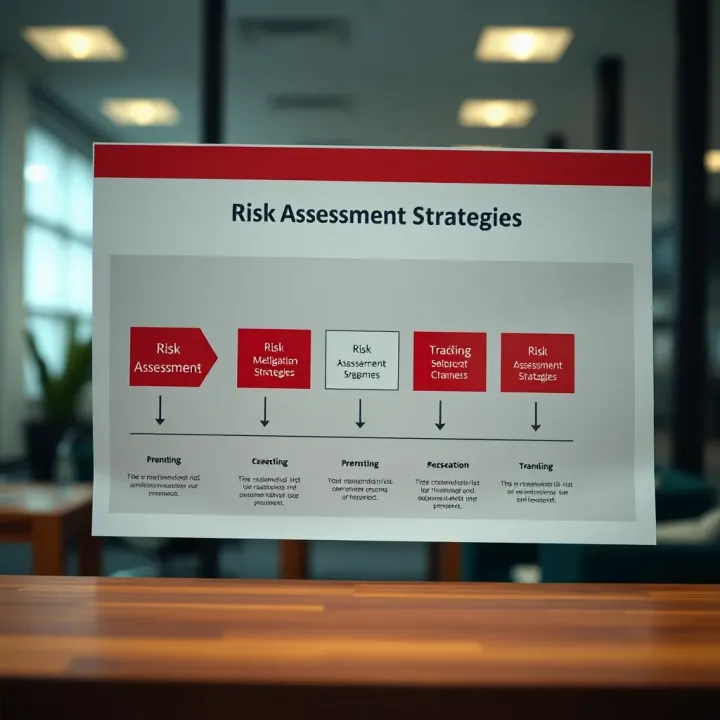
Let's break down some of the main risks Kenyan businesses face:
Market risks: Unexpected drops in demand or supply disruptions, such as delays in importing goods due to customs procedures.
Financial risks: Currency volatility affecting import costs or loans denominated in foreign currencies.
Compliance risks: New rules from bodies like the Kenya Revenue Authority (KRA) or Capital Markets Authority (CMA) that you must follow.
Operational risks: Daily hitches, like power outages or delays in delivery from suppliers.
Reputation risks: Negative customer feedback spreading quickly on social media, impacting sales.
A business that ignores these risks is like a boda boda rider without a helmet — it’s only a matter of time before trouble hits.
Effective risk management involves three key steps:
Identification: Spotting where things can go wrong. For instance, a farmer facing long rains delays should recognise how this might affect crop yields.
Assessment: Understanding how serious each risk is, such as estimating potential financial loss if a supplier fails.
Control Measures: Deciding what to do — diversifying suppliers, setting aside emergency funds, or getting insurance cover.
Applying these steps using tools like risk registers or simple SWOT analyses helps business owners prioritise risks and plan accordingly.
Understanding risk isn’t about avoiding all danger but making sure risks don't catch you off guard. Kenyan businesses that invest time in risk management stand a better chance to survive shocks and make smarter decisions, whether facing local political changes or global market shifts.
Risk management is the process of recognising, assessing, and handling potential obstacles that could disrupt a business’s operations or goals. For Kenyan businesses, this means identifying threats early enough to act in ways that protect assets, employees, and profitability. Taking a practical approach to risk management helps firms avoid surprises and maintain a steady course even when challenges emerge.
At its core, risk management involves spotting possible risks and planning how to deal with them before they cause harm. This typically includes identifying what can go wrong, evaluating how likely it is and what impact it would have, then deciding whether to avoid, reduce, transfer, or accept the risk. For example, a Nairobi-based exporter might assess the risk of foreign exchange fluctuations affecting their profits and decide on a strategy to limit losses.
Businesses face different kinds of risk, including financial, operational, legal, and reputational. Each type demands a thoughtful response. Financial risks affect cash flow or investments, operational risks arise from internal processes or systems, legal risks come from non-compliance with laws, and reputational risks involve damage to a company’s public image.
Managing these risks is crucial because unhandled threats can cost money, tarnish reputations, or even shut down operations. Kenyan businesses that keep track of their risks tend to use resources more wisely and are better prepared for unexpected issues.
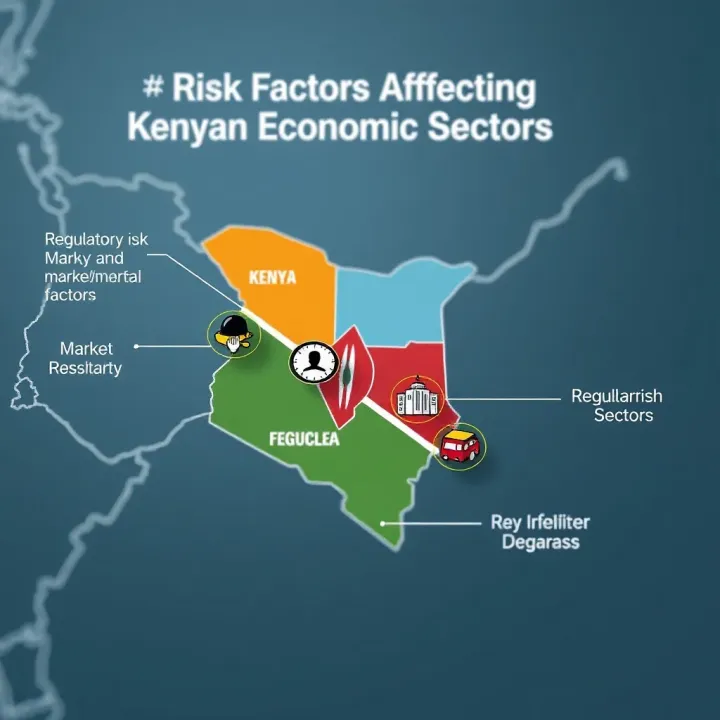
Kenyan businesses often face economic risks from market shifts, inflation, and currency volatility. For instance, sudden fuel price increases raise transport costs for supply chains, directly affecting profit margins. Similarly, changes in demand for exported products due to global economic conditions can hit businesses relying on external markets.
Political changes and evolving regulations in Kenya can impact business operations significantly. Frequent amendments to tax laws or new sector-specific rules by bodies like the Kenya Revenue Authority (KRA) require constant adjustment. Also, political uncertainty around election time may cause market jitters and delay investment decisions.
Operational risks arise from day-to-day activities such as supply chain disruptions or staff turnover. Technological risks include cyberattacks, system failures, or lack of digital adoption. For example, a failure in the M-Pesa payment system can halt transactions and stall business in sectors heavily reliant on mobile money.
Managing these risks well means focusing on prevention and readiness, not just reaction. Kenyan businesses able to balance risk control with growth strategies tend to thrive even in unpredictable environments.
In summary, understanding the basics of risk management equips Kenyan firms to spot threats early and use practical methods to minimise impact, keeping them on a steady path towards success.
Managing risk begins with knowing what you're up against. Identifying and assessing risks helps Kenyan businesses see potential threats clearly before they cause damage. This step sheds light on hazards like currency fluctuations, unreliable suppliers, or policy changes by regulators. Once businesses spot these risks, they can weigh how likely they are to happen and how badly they might hit, guiding smart choices on where to focus limited resources.
Risk checklists and brainstorming offer straightforward ways to unearth risks. Checklists list common threats relevant to your sector or business size—for example, power outages for a Nairobi-based manufacturing firm. Meanwhile, brainstorming sessions bring teams together to think openly about challenges, which can reveal risks not on standard lists. For instance, during brainstorming, a retail shop might identify risks like theft during busy seasons or supplier delays linked to road closures.
SWOT Analysis (Strengths, Weaknesses, Opportunities, Threats) helps frame risks within a wider context. By identifying weaknesses such as outdated equipment, a company recognises internal risks, while threats might include rising competition in the Kenyan market. On the flipside, opportunities could point to new markets or favourable government incentives. Using SWOT lets businesses balance caution with optimism by considering both risks and chances side by side.
Consultations and expert input bring outside perspectives that often catch blind spots. Talking to accountants, compliance officers, or industry specialists can highlight risks that internal teams miss. For example, an expert might warn a startup about shifting Central Bank of Kenya (CBK) regulations affecting foreign exchange controls or advise on risks linked to Kenya Revenue Authority (KRA) audits. This fresh insight helps develop a well-rounded risk picture.
Qualitative and quantitative assessment provide ways to judge risks beyond just naming them. Qualitative methods use descriptions and ratings like high, medium, or low impact, which works well when numbers aren't available. Quantitative assessment involves numbers, such as estimating that a 10% chance exists for a 20% drop in profit due to market changes. Kenyan SMEs might use qualitative approaches first because hard data can be scarce, but combining both improves accuracy.
Risk matrix approach uses a chart to plot risks by how likely they are and their potential impact. For example, a risk like unreliable electricity that happens often but only causes minor delays ranks differently than a rare but catastrophic cyber-attack. This visual helps decision-makers see priority risks instantly. Kenyan financial firms frequently apply this to manage credit or market risks.
Prioritising risks based on severity and probability ensures focus stays on threats that can cause the biggest harm. Not every risk needs immediate action. For instance, a small roadside kiosk in Mombasa might face daily theft attempts (high likelihood, medium impact) but low financial loss, whereas a large farm hit by drought (medium likelihood, high impact) could risk the owner’s entire livelihood. By screening risks this way, businesses allocate resources to where they matter most.
Identifying and measuring risks isn’t a one-time job. It requires regular reviews to catch new dangers as the business environment in Kenya shifts.
Understanding risks well sets the foundation to manage them wisely, which safeguards your investment and supports steady growth in Kenya’s vibrant but sometimes unpredictable business climate.
Managing risk effectively is a cornerstone for any Kenyan business aiming to stay afloat and grow in a challenging economic environment. Applying clear-cut strategies to handle potential threats helps businesses avoid losses and seize opportunities with confidence. These strategies range from avoiding risk altogether to sharing it through partnerships, or accepting it when the potential impact is manageable. The goal is to tailor approaches that fit specific business contexts and risk appetites.
Changing operations to eliminate risk means adjusting how a business functions to remove sources of potential harm. For example, a dairy farm in Nakuru facing frequent disease outbreaks among cows may choose to change suppliers or improve biosecurity measures, effectively moving away from risky practices. While it may involve upfront costs or disruptions, eliminating risky activities can save larger losses in the long run.
Implementing controls and safeguards involves putting practical measures in place to reduce risk likelihood or impact. This could be installing CCTV cameras and security systems to deter theft in retail outlets or regularly maintaining plant machinery to prevent breakdowns. The focus is on preventing risks from turning into actual problems by tightening internal processes and environmental controls.
Insurance options in Kenya provide a popular way to transfer risk to third parties. Kenyan businesses can access general insurance covers such as fire, theft, and public liability insurance. These policies help protect against unexpected financial losses that could otherwise cripple operations. For instance, an SME in Nairobi might take out a fire insurance policy to cover stock and premises, ensuring compensation if disaster strikes.
Partnerships and contracts as risk share allow businesses to divide certain risks, especially in joint ventures or supplier agreements. By clearly defining responsibilities and penalties in contracts, companies can share operational risks. An export company sharing costs and liabilities with a freight agent reduces exposure to transport-related losses. Such agreements create mutual accountability and reduce the weight of full risk bearing on one party.
When to accept risk is a vital decision for any business. Some risks are small or unavoidable and may not justify the cost of mitigation. For example, a small food vendor might accept the occasional spoilage risk rather than invest heavily in refrigeration. Recognising which risks fall into this category saves resources and prevents over-engineering safety measures.
Setting up monitoring systems means establishing ways to keep an eye on known risks continuously. This could involve regular financial reviews, operational audits, or market trend tracking. A boda boda operator using mobile data apps to monitor fuel price changes and demand patterns is a simple example of risk monitoring at play.
Review cycles and adjustments ensure that risk strategies remain relevant and effective over time. Risk environments evolve, so businesses should set regular intervals to review risks—quarterly or bi-annually, for instance. Adjustments might include updating insurance policies, recalibrating safety measures, or renegotiating contracts based on new insights or changes in business direction.
Effective risk strategies do not eliminate all dangers but help Kenyan businesses prepare, respond, and adapt to uncertainties in a way that improves their chances of success.
Using the right tools and technologies can make risk management far more effective for Kenyan businesses. These solutions help identify threats quickly, track risks over time, and guide decision-makers with clear data. This keeps organisations sharp and ready to handle challenges from market volatility, regulatory changes, or operational hitches.
Risk management software is becoming indispensable in many sectors across Kenya. These platforms automate risk assessment processes, create risk registers, and generate alerts to notify managers before small problems turn into big ones. For instance, firms in Nairobi and Mombasa increasingly rely on specialised software like Resolver or RiskWatch to streamline their risk workflows and maintain compliance with industry standards.
Data analytics tools take this a step further by analysing historical data, spotting trends, and projecting possible risks before they materialise. Businesses using business intelligence platforms can evaluate seasonality impacts, supplier reliability, or credit risks with more precision. These insights support timely interventions, reducing losses and improving planning.
Mobile platforms and apps have made risk management more accessible to Kenyan SMEs and jua kali artisans. Apps designed for quick risk reporting or compliance checks allow on-the-spot documentation of issues from fieldworkers or sales teams. For example, start-ups like Jana Risk use mobile technology to help small businesses monitor and report risks in real-time, even in remote areas without steady internet.
Integration with financial services like M-Pesa offers practical benefits in risk transfer and cash flow security. M-Pesa’s payment APIs can automate premium payments for insurance or facilitate micro-insurance schemes tailored for local needs. For example, farmers subscribing to weather-based insurance receive payouts through M-Pesa automatically after verified weather events, reducing financial risk from crop failures. This kind of smart integration makes risk control flexible and tied closely to actual business activity.
Leveraging local digital innovations with established payment platforms enables Kenyan businesses to manage risks efficiently without heavy costs or complicated setups.
Together, these tools and technologies let organisations keep a finger on the pulse regarding risks, improve communication across teams, and respond swiftly to changing environments. They are no longer luxuries but practical necessities for anyone serious about sustaining their business in Kenya's dynamic economy.
Instilling a risk-aware culture within a company is essential for business resilience, especially in the Kenyan market where uncertainties range from regulatory shifts to economic fluctuations. A risk-aware organisation recognises potential threats early, allowing better preparation and quicker responses. This culture ensures that every employee, from the security guard to the top management, understands their role in identifying and managing risks.
Workshops and seminars play a critical part in building this culture. These sessions offer targeted learning where employees gain practical skills in spotting risks unique to their roles. For instance, a workshop for sales teams might focus on recognising client credit risks, while a seminar for IT staff tackles cybersecurity threats. Such trainings are especially important for SMEs that do not have dedicated risk managers yet rely on a broad understanding across the team.
On-the-job training and awareness campaigns further embed risk knowledge into daily activities. Regular reminders through posters, email tips, or short safety talks act like a gentle nudge to keep risk front of mind. On-the-job coaching helps new staff learn the ropes without feeling overwhelmed by formal sessions. For example, a new cashier in a retail outlet can be shown how to spot counterfeit notes, reducing financial loss, while periodic awareness campaigns reinforce this skill over time.
Feedback systems provide channels for employees to share concerns and ideas about risks without fear. Suggestion boxes, regular team meetings, or digital platforms can be used for this purpose. These feedback loops bring local challenges to management’s attention quickly—like a matatu driver reporting a common route delay that might affect delivery schedules in a logistics firm.
Reporting risk incidents without blame encourages transparency. When mistakes or near-misses happen, an environment that punishes errors only drives problems underground. Organisations that promote blame-free reporting learn and adapt faster. For example, a small food processing company might encourage workers to report hygiene lapses promptly, preventing larger outbreaks and protecting the brand’s reputation.
Setting examples is vital for leaders to influence the organisation's risk culture. When senior managers openly discuss risks and how they manage them, staff feel more comfortable following suit. In a Nairobi-based fintech startup, the CEO might share monthly updates on emerging cyber threats and steps taken, signalling that risk management is everyone's responsibility.
Embedding risk management into strategy means incorporating it into planning and decision-making processes. This ensures risks aren’t an afterthought but part of growth plans or investments. For instance, a Kenyan agri-business firm might integrate climate risk assessments when deciding on crop diversification, reducing losses due to unpredictable weather. Aligning risk oversight with business objectives also makes it easier to allocate resources wisely and demonstrate compliance with local laws like the Companies Act or Data Protection Act.
A risk-aware culture binds the organisation together in facing uncertainties. It transforms risk from a looming threat into a manageable part of everyday operations.
This approach, when properly nurtured, helps ensure that Kenyan businesses are better positioned to absorb shocks and leverage opportunities responsibly.
Understanding the regulatory frameworks and compliance requirements in Kenya is key for any business aiming to manage risk effectively. These laws and rules set the boundaries within which companies operate, reducing uncertainty and shielding them from potential legal and financial troubles. Kenyan businesses that align with these regulations often find it easier to build trust with customers, investors, and regulators, which in turn improves their reputation and operational stability.
Companies Act
The Companies Act governs the formation, operation, and dissolution of companies in Kenya. It sets out the rules for corporate governance, reporting requirements, and directors' duties. For risk management, understanding the Companies Act helps firms stay compliant with mandatory disclosures and maintain transparent financial records. This law also outlines the responsibilities of directors to prevent negligence or fraud, which can have severe consequences.
For example, companies must hold annual general meetings and file audited accounts with the registrar. Failure to comply may result in penalties or loss of licencing. Therefore, abiding by the Companies Act mitigates risks linked to corporate governance and legal penalties.
Data Protection Act
With the growing reliance on digital information, the Data Protection Act safeguards personal data collected by businesses. It demands that companies handle customer and employee data responsibly, securing it against misuse or breaches. For businesses, complying with this Act means adopting strong data security measures and ensuring transparency in how data is processed.
Non-compliance can lead to hefty fines and damage to public trust, especially given the rise of cyber threats in Kenya. For instance, firms operating e-commerce platforms or financial services must prioritise data protection to avoid costly lawsuits and reputational risks.
Sector-specific regulations (finance, agriculture, etc.)
Some industries in Kenya face additional regulations tailored to their operations. The financial sector, for example, is overseen by the Central Bank of Kenya (CBK) and the Capital Markets Authority (CMA), while agriculture businesses adhere to standards from the Ministry of Agriculture and Kenya Plant Health Inspectorate Service (KEPHIS).
These specialised rules address unique risks such as financial misconduct, export quality control, or public health hazards in food production. A small-scale tea exporter complying with KEPHIS standards ensures product quality and avoids shipment rejections, reducing financial losses.
Kenya Revenue Authority (KRA) and tax compliance
KRA oversees tax collection and compliance in Kenya. For businesses, timely tax payments and proper record-keeping are crucial to avoid penalties and audits that can disrupt operations. KRA’s digital platforms like iTax have simplified compliance but also increased transparency.
Engaging proactively with KRA to clarify obligations or negotiate payment plans can help businesses manage risks related to unexpected tax burdens.
Capital Markets Authority (CMA)
The CMA regulates Kenya’s capital markets to protect investors and maintain fair trading practices. Companies listed on the Nairobi Securities Exchange (NSE) must comply with CMA rules concerning disclosures, insider trading, and investor protection.
For investors and brokers, CMA oversight reduces risks associated with market manipulation or fraud. Firms must have robust compliance units to monitor transactions and ensure reporting standards.
Central Bank of Kenya (CBK) guidelines
CBK sets monetary policies and implements regulations especially for banks and microfinance institutions. These guidelines cover liquidity, capital adequacy, and consumer protection.
Financial firms adhering to CBK directives manage risks like insolvency and fraud more effectively. For example, banks regularly submit risk reports to CBK, aligning their internal practices with national standards.
Kenyan businesses that keep close relationships with regulatory bodies gain a clearer understanding of changing requirements, enabling quicker responses and better risk control.
In sum, a firm grasp of Kenya’s regulatory environment empowers businesses to minimise legal and operational risks. Compliance is more than a checkbox; it’s a practical defence that supports long-term success.
Discover effective strategies for compliance & risk management in Kenyan businesses ✅ Learn governance, tech & culture tips to protect and grow your company 🌍
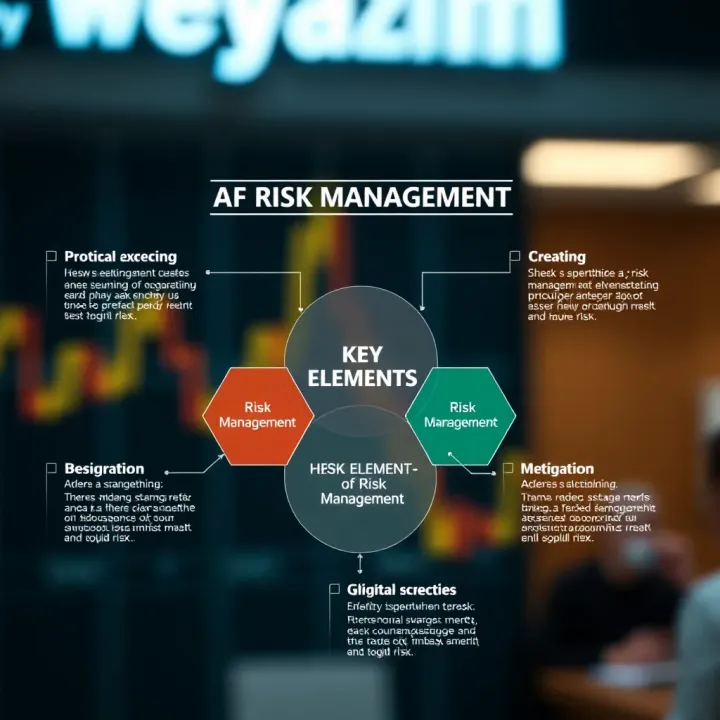
🌍 Explore how risk management boosts decision-making, financial strength, and compliance for Kenyan businesses, safeguarding operations from threats.

🔍 Explore how risk management helps identify, assess, and control threats to protect businesses and individuals in Kenya from uncertainties & losses.
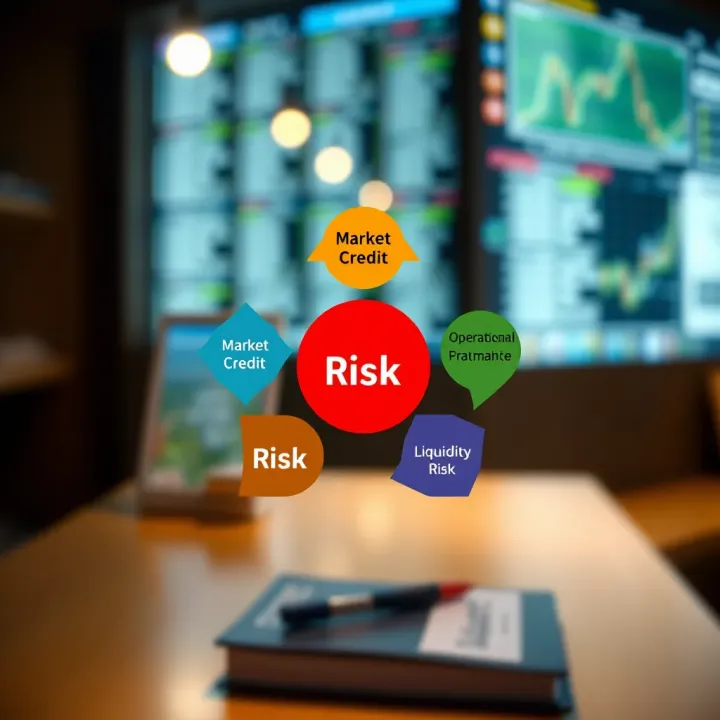
📊 Learn how financial risk management helps Kenyan businesses and individuals spot, measure, and control risks using practical tools and local resources.
Based on 6 reviews