
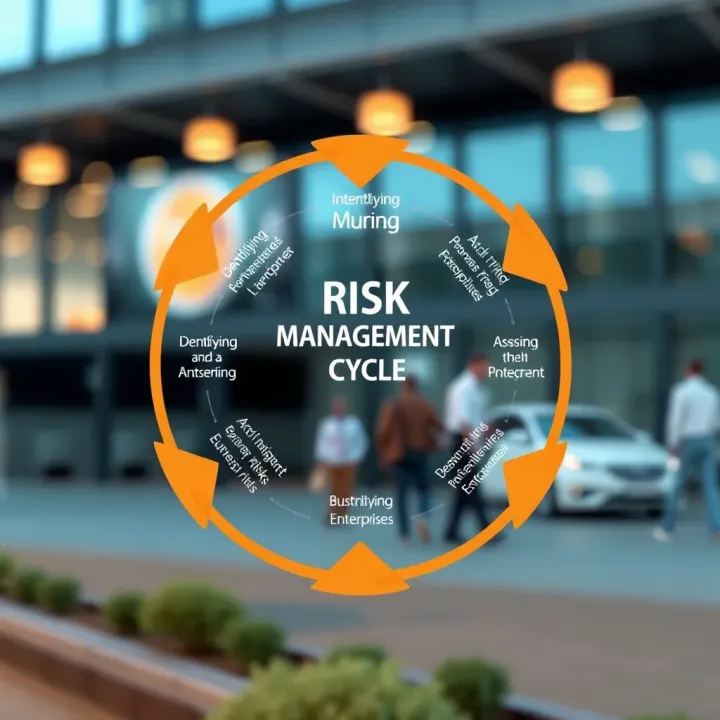
Risk Management for Kenyan Businesses
📊 Learn how Kenyan businesses can spot, assess, and handle risks to protect operations and boost decisions. Practical tips with local examples included.
Edited By
Oliver Bennett
Risk management isn't just for big corporations; it's a practical tool every business in Kenya can use to safeguard what matters most. Essentially, a risk management framework is a structured approach that helps organisations spot, assess, and handle risks that might derail their goals. Whether you’re running an investment firm in Nairobi, a tea plantation in Kericho, or a jua kali workshop in Nakuru, having a clear system to deal with uncertainties is key.
At its core, the framework guides businesses to identify potential threats such as market fluctuations, regulatory changes from bodies like the Capital Markets Authority (CMA), or even operational hazards like supply chain disruptions. After recognizing these risks, the framework supports assessing their impact and likelihood to prioritise where resources should go.
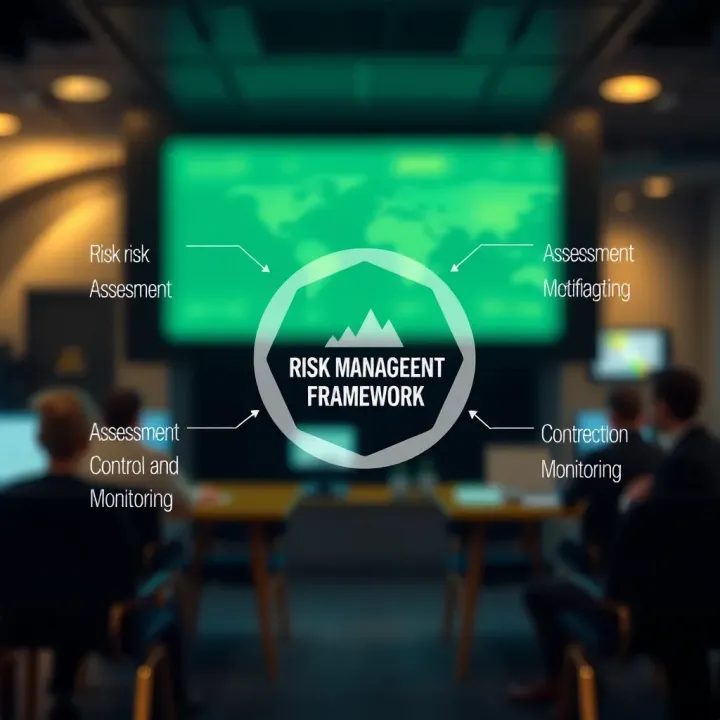
A good risk management framework turns uncertainty into a manageable factor, allowing organisations to protect their resources and stay on course.
Kenyan businesses benefit by:
Safeguarding investments and physical assets from avoidable losses
Meeting compliance requirements to avoid hefty fines
Building trust among investors through transparent risk handling
Consider a small manufacturer importing raw materials via Mombasa port. Without a proper risk framework, delays or new customs regulations can lead to unexpected costs. By implementing risk controls — such as diversifying suppliers or maintaining buffer stock — the business minimises disruption to production and cash flow.
Implementing a framework involves clear steps:
Defining the context: Understand the business environment and objectives
Risk identification: List possible internal and external risks
Risk assessment: Evaluate risks by likelihood and potential loss
Risk control: Decide and implement strategies to minimise risks
Monitoring and review: Regularly update the framework to tackle new risks
This approach isn’t static; Kenyan markets evolve quickly with factors like erratic weather affecting agriculture or policy shifts impacting trade tariffs. Ongoing monitoring helps businesses adapt promptly.
Understanding and adopting a risk management framework helps investors, financial analysts, and traders in Kenya make decisions based on clearer insights rather than guesswork. It also supports educators and institutions in preparing the next generation for a world where controlling risk is as crucial as spotting opportunity.
A risk management framework helps organisations systematically identify, assess, control, and monitor potential threats that could disrupt their operations. For Kenyan businesses and financial institutions, having this structure is vital to protect assets, secure compliance, and make better-informed decisions. Without it, risks like currency fluctuations, regulatory changes, or operational glitches might catch you off guard, leading to financial loss or reputational damage.
Risk management means recognising potential hazards that could affect an organisation and planning how to handle them. It's not about avoiding risk outright—that’s often impossible—but rather about understanding which risks are worth taking and which should be mitigated or accepted. For example, a trader on the NSE (Nairobi Securities Exchange) may decide to hedge against currency risk to protect profits from foreign investments.
The main aim of a risk management framework is to embed risk awareness into daily decision-making. This framework sets out clear roles, responsibilities, and processes to manage risks consistently across the organisation. Its scope covers everything from market risks for investors to operational risks like IT system failures or fraud in banking. For instance, an SME might adopt such a framework to secure loans by showing lenders their risks are well-managed.
Risk Identification: This first step involves spotting what could go wrong. It requires gathering insights from across the company—from frontline staff to top management—and sometimes external stakeholders. Tools such as brainstorming sessions or reviewing past incident reports help flag risks early. In Kenya’s jua kali sector, identifying common risks like supply chain delays or seasonal demand drops is essential for planning.
Risk Assessment: Once risks are identified, the next step is to evaluate their likelihood and potential impact. This assessment uses both qualitative methods (like expert judgment) and quantitative data (such as financial loss estimates). For example, a bank assessing credit risk would score borrowers based on repayment history and economic conditions.
Risk Control: This involves deciding on measures to mitigate or eliminate identified risks. Controls might include policies, procedures, or insurance cover. Consider a Nairobi-based logistics firm that implements GPS tracking and driver training programmes to reduce theft and accidents.
Monitoring and Review: Risks evolve, so regular checks ensure controls remain effective. Monitoring could involve key risk indicators (KRIs), audits, or management reports. For example, a telecom company tracks network downtime to adjust maintenance schedules timely.
Communication and Reporting: Clear and ongoing communication about risks keeps everyone aware and accountable. Regular reports to leadership and staff foster transparency. In Kenyan investment firms, sharing risk reports helps investors understand portfolio vulnerabilities and confidence in management.
A well-crafted risk management framework ties these elements together, creating a resilient organisation ready to face uncertainties head-on.
In summary, understanding what a risk management framework involves is the first step towards effective risk handling that safeguards business continuity and growth in Kenya’s dynamic environment.
Understanding the various types of risks Kenyan organisations face is key to putting in place an effective risk management framework. By categorising risks clearly, businesses and investors can prepare practical measures to reduce exposure and protect their assets and reputation. This section outlines the common risk categories, highlighting how each can impact operations and advising on what to look out for.
Financial and market risks directly affect an organisation’s monetary position. These include currency fluctuations, interest rate changes, inflation, and market price volatility. For instance, a Kenyan exporter might lose money if the Kenyan shilling gains strength against the dollar, making their products pricier abroad. Similarly, a local bank faces credit risk when borrowers fail to repay loans on time, potentially affecting liquidity.
Proper management of these risks means closely monitoring market trends and economic indicators. Hedging currency risk through forward contracts or diversifying investments across sectors helps reduce financial shocks. For investors, understanding these risks supports better decision-making in portfolio management and trading activities.
Operational risk arises from failures in daily business processes, systems, or human errors. In a Nairobi-based manufacturer, a malfunctioning machine could halt production, causing delays and losses. Errors in data entry or failure in supply chain logistics are other examples influencing business continuity.
Addressing operational risks involves regular maintenance, staff training, and robust process designs. Technology adoption, such as ERP systems, can reduce errors and enhance efficiency. Monitoring and quick response to incidents minimise impact, ensuring operations carry on smoothly.
Organisations must navigate a maze of legal requirements and government regulations. In Kenya, changing tax laws by the Kenya Revenue Authority (KRA) or new county regulations on waste disposal can create compliance risks. Non-compliance might lead to penalties, legal suits, or reputational damage.
A detailed risk framework includes keeping updated on evolving laws and assigning dedicated compliance officers. Training staff on relevant rules and routine audits help prevent breaches. This vigilance protects organisations from costly sanctions and builds trust with stakeholders.

Strategic risks occur when business decisions do not align well with market realities or long-term goals. For example, a retail chain might lose market share by failing to embrace online sales in an increasingly digital Kenya. Reputational risks arise from negative perceptions, such as poor labour practices or environmental harm.
Managing these risks requires regular review of business strategy, market research, and stakeholder engagement. Transparent communication and ethical conduct maintain a good reputation, which is vital for lasting success and investor confidence.
Identifying and understanding these risk types allows Kenyan businesses to design tailored strategies that safeguard their operations and growth ambitions. Awareness is the first step towards resilience and competitive advantage.
By integrating insights on these risks into daily decision-making, investors, financial analysts, and business leaders can better navigate Kenya's dynamic economic landscape.
Kenyan organisations face a unique set of challenges and opportunities, making it important to build a risk management framework tailored to their context. This framework helps businesses, financial institutions, and public entities identify potential risks, protect assets, and support informed decision-making. For example, a medium-sized agribusiness in Rift Valley confronting erratic weather patterns and fluctuating market prices will benefit from a framework that spots these risks early and guides how to handle them effectively.
First, an organisation must clearly understand its internal environment and goals. This involves analysing its size, sector, operating environment, and strategic objectives. For a Nairobi-based fintech firm, this could mean looking at rapid technology changes and regulatory requirements from the Capital Markets Authority (CMA) and the Central Bank of Kenya (CBK). By aligning risk management with business goals—such as expanding mobile payment options while ensuring data security—the organisation can prioritise risks that could hinder success.
Successful frameworks depend heavily on buy-in from both leadership and staff. Leaders set the tone by integrating risk considerations into daily operations and decision-making. Involving key stakeholders—like board members, department heads, and even external partners such as auditors—ensures risks are identified from different viewpoints. For instance, banks like Equity Bank engage compliance officers and IT teams alongside management to jointly manage operational and cyber risks, fostering a culture of shared responsibility.
Concrete policies and procedures provide clear guidance on handling identified risks. Kenyan organisations should draft documents that are simple, accessible, and relevant to their local environment. For example, a Nairobi-based SME can establish procedures for conducting annual risk audits, reporting incidents through simple templates, and following up with corrective action. This approach ensures staff at all levels understand their roles and the steps to take when risks materialise.
It’s essential to assign specific roles and adequate resources for risk management tasks. This might involve appointing a risk officer or forming a risk committee, especially in larger companies. Smaller organisations, like local retailers or jua kali workshops, can designate existing staff to oversee risk activities alongside their daily duties. Funding is also vital; setting aside a portion of the budget for training, risk assessments, or technology upgrades can prevent bigger losses later. For example, investing in cybersecurity tools for online payment processing protects customer data and supports business continuity.
Building a context-specific risk management framework strengthens resilience, enabling Kenyan organisations to navigate uncertainties while focusing on growth and service delivery.
By going through these steps intentionally, Kenyan businesses and institutions create a practical, living system that adapts to changing risks and supports their long-term goals.
Applying the right tools and techniques helps organisations spot and measure risks accurately. This clarity lets businesses take timely action to protect their operations and resources. Particularly in Kenya’s dynamic environment, using practical methods for risk assessment and monitoring ensures decision-makers have up-to-date insights to manage uncertainty effectively.
Workshops gather diverse teams to share ideas about potential risks. Brainstorming taps into collective knowledge, making it easier to surface risks that might be hidden in routine operations. For example, a bank in Nairobi might hold a workshop involving IT, compliance, and customer service to uncover cyber threats or process bottlenecks early.
This collaborative approach creates a shared understanding of risks across departments, helping develop practical strategies that everyone supports.
Checklists provide a structured way to ensure all common risk areas are reviewed. They act like a safety net, preventing important risks from slipping through. For instance, a manufacturing firm could use a checklist covering equipment maintenance, employee safety, and supply chain reliability.
Surveys gather input from a wider group, including frontline staff who interact with the day-to-day challenges. These insights often reveal smaller risks that might not be obvious to managers but can escalate if ignored.
Keeping an up-to-date record of hazards or incidents reported by staff helps track emerging risks before they escalate. In Kenya’s construction industry, prompt hazard reporting can prevent accidents and reduce downtime.
This method encourages a culture of openness, where employees feel responsible and empowered to flag issues, supporting quicker response and continuous improvement.
Qualitative methods involve describing risks based on experience or expert judgement, often categorised as low, medium, or high risk. Quantitative approaches put numbers to risks, such as estimating financial loss in KSh. For example, an investment firm might quantify market risk by modelling potential portfolio losses under different scenarios.
Combining both methods gives a balanced view, blending data with practical insights to guide risk responses.
These visual tools plot the likelihood of a risk against its impact, making it easy to prioritise. A risk that’s very likely and has a severe effect will stand out, signalling the need for urgent action.
A Nairobi-based retailer could map risks like supply disruptions or theft, helping management focus efforts on the most damaging threats rather than spreading resources thinly.
This involves imagining different future situations to see how risks might evolve. For example, a tourism company in Mombasa might assess how a prolonged drought or political unrest could affect visitor numbers and revenues.
This technique prepares organisations for uncertainties by testing how strategies hold up under changing conditions.
Key Risk Indicators (KRIs) are measurable signals that show when risks are rising. A bank might monitor the percentage of loans that fall overdue as a KRI for credit risk.
Early warnings from KRIs help organisations act before risks cause serious damage.
Audits check if controls and policies are working as planned. They also uncover gaps where risks can creep in unnoticed. For example, a company could audit its IT security measures annually to ensure they meet standards and address new cyber threats.
Regular audits keep risk management active and responsive rather than reactive.
Dashboards provide a quick, visual summary of risk data for leaders to review at a glance. They often combine KRIs, audit results, and incident reports in one place.
In the Kenyan context, management dashboards linked to mobile platforms allow executives to monitor risks even when offsite, supporting faster, better-informed decisions.
Practical tools and techniques in risk assessment are not just about compliance—they're essential for surviving and thriving in uncertain environments. Kenyan organisations that use these methods can spot trouble early and respond with confidence.
Risk management frameworks offer Kenyan businesses a structured way to identify, assess, and handle risks. While these frameworks bring significant benefits, organisations also face real challenges when putting them in place. Understanding both helps in planning effective strategies that improve business resilience and sustainability.
A clear risk management framework sharpens decision-making by providing a factual basis for evaluating potential downsides and upsides. For instance, a financial institution in Nairobi that consistently monitors credit risks can decide which loan applicants are less likely to default, reducing bad debts. This kind of data-driven decision support avoids guesswork and helps leadership steer the organisation more confidently amid uncertainties.
In sectors like agribusiness, where weather variability impacts yields, mapping climate risks helps farmers and investors make timely decisions on crop insurance or diversification. Such foresight supports steady growth even when the rains are unpredictable.
By highlighting where risks are most significant, risk management frameworks guide organisations on where to focus limited resources. Take an SME in Mombasa dealing with supply chain disruptions; identifying key risk points like unreliable suppliers enables the business to invest in alternative sourcing or stock buffers selectively rather than spreading resources thinly.
Similarly, NGOs operating in rural counties can allocate funds to essential risk controls like safety training or communications equipment, enhancing impact without unnecessary expenditure. Efficient resource allocation also improves return on investment by reducing costly surprises.
For many Kenyan companies, especially those in regulated industries like banking or telecommunications, a proper risk management framework is essential to meet Kenya Revenue Authority (KRA), Communications Authority (CA), or Capital Markets Authority (CMA) requirements. Non-compliance can lead to fines, legal troubles, or loss of licences.
Beyond compliance, managing risks pro-actively boosts reputation among customers, investors, and partners. For instance, a Safaricom franchise that handles data privacy risks well earns client trust and keeps its market edge. In today’s competitive landscape, reputation influences customer loyalty and access to financing.
Many organisations encounter pushback from staff when introducing risk management frameworks. Employees used to informal processes may see new procedures as extra work or doubt their value. Such resistance slows implementation and reduces effectiveness.
Overcoming this requires leadership to communicate clearly the benefits, involve staff in designing policies, and provide practical training. When people understand how risk management protects their jobs and the organisation’s future, they’re more likely to buy in.
A significant hurdle in Kenyan contexts is lack of expertise in risk assessment and controls. Without trained personnel, risk frameworks remain theoretical documents rather than tools for real action.
Building capacity through workshops, partnering with local universities or professional bodies, and hiring consultants where possible can raise knowledge levels. Also, encouraging cross-department collaboration spreads risk awareness beyond specialised units.
Smaller businesses and non-profits often struggle with limited funds and staff, making comprehensive risk management seem unaffordable. Investments in software, audits, or additional staff can be costly upfront.
However, starting small with simple risk registers or basic monitoring pays off by preventing bigger losses. Leveraging technology like mobile surveys or cloud-based tools cuts costs without sacrificing effectiveness. Plus, demonstrating early wins helps secure more budget for broader risk activities.
Embracing a risk management framework is a journey requiring clear benefits awareness and a plan to address hurdles. Kenyan organisations that navigate these challenges gain a stronger hold on their future, resilience against shocks, and a reputation for reliability.
📊 Learn how Kenyan businesses can spot, assess, and handle risks to protect operations and boost decisions. Practical tips with local examples included.
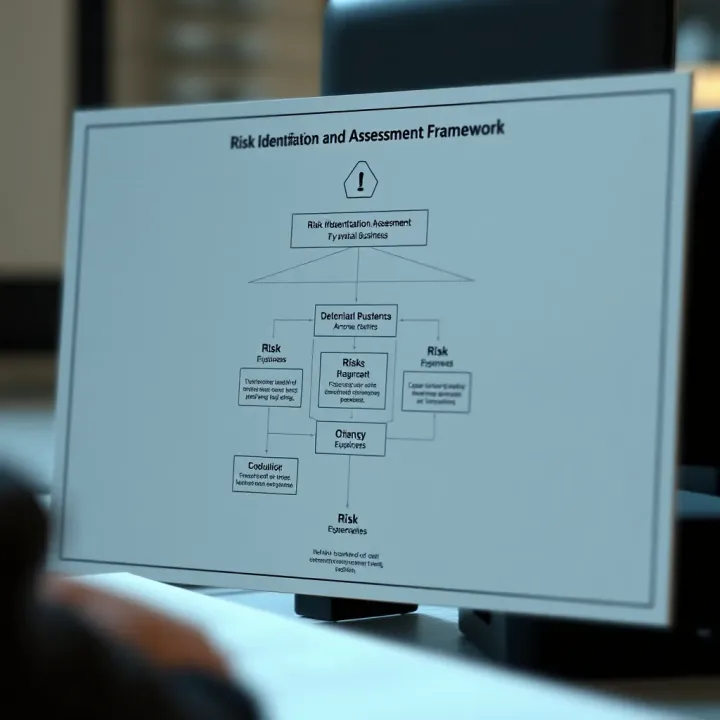
📊 Navigate risk with confidence! Learn how Kenyan businesses can identify, assess, plan, monitor, and review risks to safeguard operations, finances, and reputation today.

📋 Learn how to build a solid risk management plan for Kenyan businesses. Identify local risks, take practical steps, and protect your venture from common challenges effectively.
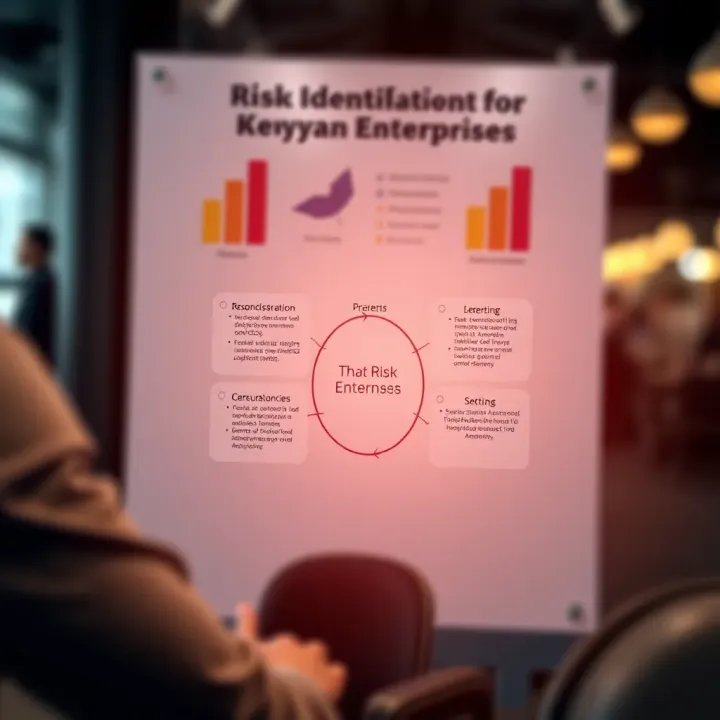
Learn practical risk management steps tailored for Kenyan businesses🏢. Identify, assess, and reduce local risks to improve resilience in Kenya's dynamic market🌍.
Based on 6 reviews