

Compliance and Risk Management for Kenyan Businesses
Discover effective strategies for compliance & risk management in Kenyan businesses ✅ Learn governance, tech & culture tips to protect and grow your company 🌍
Edited By
Henry Fletcher
Every Kenyan business, whether it's a local supermarket in Nakuru or a tech startup in Nairobi, faces risks that could derail its growth. A risk management plan helps you spot these dangers early and take control before they cause serious harm.
Risk management means identifying, assessing, and handling threats to your business. These might range from unpredictable weather affecting your supply chain to fluctuating forex rates that impact your imports. With a clear plan, you prepare your business to respond effectively rather than react chaotically.

Local businesses often encounter risks like political shifts influencing market stability, inconsistent power supply disrupting operations, cyberthreats targeting mobile money transactions, or even fierce competition from jua kali artisans. Understanding these specific challenges is key.
A practical risk management plan does not have to be complex. Focus on the risks that directly affect your business, prioritise them, and work out clear steps to reduce their impact.
For example, a small retail shop in Kisumu might face frequent power outages that spoil perishable goods. Its risk management plan could include investing in a generator and maintaining stock records to monitor losses. Meanwhile, a Nairobi-based digital firm might focus on securing client data and ensuring steady internet connectivity.
In this article, you will find practical steps to build a risk management plan tailored for Kenyan businesses. From identifying common local risks to crafting a real-life example, the goal is to equip you with tools that help safeguard your venture and support steady growth.
By grounding your approach in local realities and practical measures, you turn risk management from a paperwork exercise into a vital business strength.
Let's get started with the basics and walk through how you can protect your business against common threats in Kenya.
A risk management plan is essentially a structured approach that helps a business identify, assess, and manage potential threats that could disrupt its operations. This plan covers a wide range of possible risks—from financial setbacks like currency fluctuations to operational hiccups such as supply chain delays common in Nairobi’s bustling markets. By outlining specific risks and proposed responses, the plan provides a clear framework for organisations to protect themselves before challenges escalate.
Planning for risks matters deeply in business because risks are an inevitable part of any venture. For instance, a retail shop in Kenya's cities could face theft or delays in stock deliveries; without a risk plan, these disruptions might cause severe losses or even force closure. On the other side, well-planned risk management turns these threats into manageable issues, allowing business leaders to act proactively rather than reactively.
A solid risk management plan safeguards a business’s valuable resources—be it stock, capital, or reputation. Consider a small manufacturing outfit in Thika; without identifying risks like machinery breakdowns or power outages, the firm could face costly downtime. A risk plan would include maintenance schedules, backup power solutions, or insurance coverage to reduce losses and keep the business ticking.
Knowing the risks ahead gives managers and investors clearer information for decision-making. For example, when considering expanding to new counties with varying regulations and market behaviours, a risk management plan helps weigh the potential benefits against legal compliance risks or logistical challenges. This sharpened focus prevents rushed or uninformed choices that might drain resources unnecessarily.
Business continuity refers to keeping your operations running through unexpected shocks. In Kenya, periodic heavy rains may flood streets, impacting deliveries and customer access. A risk plan anticipates such environmental disruptions and suggests contingency steps such as rerouting supply chains or keeping extra stock in safer locations. This readiness means the business won’t grind to a halt and can bounce back quickly.
A risk management plan is not just paperwork; it’s a protective shield that keeps your business resilient in Kenya’s dynamic environment.
In summary, understanding what a risk management plan covers and recognising its benefits helps Kenyan businesses turn uncertainties into manageable challenges. Rather than being caught off guard by problems, firms with risk plans are better placed to protect their assets, make solid decisions, and maintain business even when things go wrong.
Identifying and categorising risks specific to the Kenyan business environment forms the backbone of an effective risk management plan. Kenyan businesses face a unique set of challenges, from fluctuating economic conditions to infrastructure gaps that might not be familiar in other markets. Knowing exactly what risks you face helps you prepare better and allocate resources where they're most needed, rather than guessing or spreading yourself too thin.
Operational risks such as supply chain disruptions play a significant role, especially in sectors like manufacturing and retail. For example, many Kenyan businesses depend on imports or the movement of goods across regions through matatus or trucks. When fuel prices spike suddenly or roadblocks arise — common occurrences during elections or heavy rains — deliveries get delayed, causing a ripple effect down the supply chain. These disruptions can lead to stockouts or increased operational costs that eat into profit margins.
Financial risks including currency fluctuations and inflation are daily realities for Kenyan businesses. The Kenyan shilling can sometimes weaken against the US dollar or euro, impacting the cost of raw materials and equipment bought from abroad. Inflation, driven by rising food and fuel prices, can increase operational costs and reduce consumer purchasing power. For instance, a small Nairobi-based exporter might find that payments from overseas clients shrink in real value due to currency instability or unexpected tax changes.
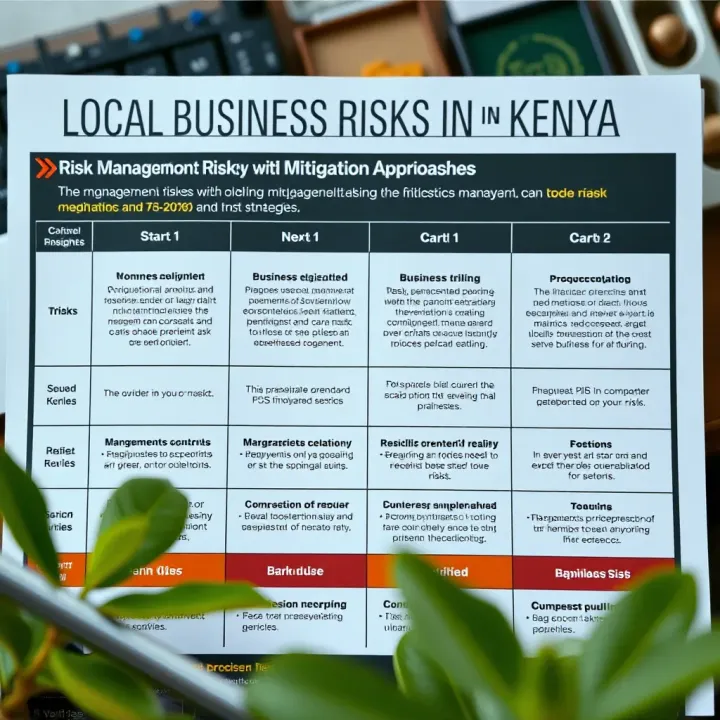
Legal and compliance risks related to local regulations affect many businesses, particularly around licensing, taxation, and labour laws. Kenyan authorities sometimes update regulations without much lead time, leaving businesses scrambling to comply. For example, a shop owner might face penalties if caught without a valid Single Business Permit or if NHIF and NSSF contributions are not remitted timely. Non-compliance can lead to fines or operational shutdowns, making it essential to stay updated on regulations.
Environmental risks like flooding during rainy seasons have practical impacts, especially in regions prone to floods such as Kisumu or parts of Nairobi. Flooding can disrupt operations, damage inventory, or even block customer access. Businesses located near riverbanks or low-lying areas must consider such risks seriously. For example, a small garment factory could face production halts and equipment damage after heavy rains, causing delays in fulfilling orders.
Brainstorming and staff consultations serve as useful starting points. Involving employees from different departments gives a wider perspective on potential risks, from daily operational troubles to unusual events. For example, a sales team might highlight challenges with mobile money payments, while the logistics team points out road conditions affecting deliveries. This interactive approach makes risk identification more concrete and grounded in everyday experiences.
Analysing past incidents and industry reports provides valuable lessons that prevent repeat mistakes. Reviewing records of previous disruptions, complaints, or financial performance shows patterns to watch out for. For instance, a transport company might learn from earlier strike actions or traffic snarl-ups during national holidays and plan accordingly. Industry reports from bodies like the Kenya Association of Manufacturers (KAM) also highlight sector-wide risks worth noting.
Using tools like SWOT analysis helps structure risk identification by examining Strengths, Weaknesses, Opportunities, and Threats. For a Kenyan business, a SWOT might reveal weaknesses like a reliance on a single supplier vulnerable to currency shocks or threats such as regulatory changes impacting licensing. This tool allows businesses to visualise risks in relation to their internal capabilities, helping to prioritise which risks demand closer attention.
Clear identification and categorisation of risks empower Kenyan businesses to tailor their responses effectively, reducing surprises and enhancing resilience in a challenging economic and regulatory environment.
Understanding local risks and the best ways to spot them ensures your risk management plan isn't just a piece of paper but a practical guide you can use daily.
Creating a clear risk management strategy and action plan is essential for Kenyan businesses to face uncertainties in their operations confidently. This step involves evaluating risks based on their potential impact and likelihood, deciding how to address each risk, and assigning responsibility and resources to ensure the plan is practical and effective. It helps businesses avoid costly surprises, maintain stability, and safeguard growth.
To assess risk severity, businesses rate how much a risk could affect their operations, finances, or reputation if it occurs. For example, a flood in Nairobi during the long rainy season might severely disrupt supply chains or damage stock. Probability measures how likely the risk is to happen. In this case, the chance of flooding during certain months could be high if previous trends and weather forecasts suggest so.
Combining both impact and likelihood helps prioritise risks. A risk with low impact but high probability might need monitoring, while a high-impact and high-probability risk demands immediate action. This approach prevents spreading resources too thinly and focuses attention where it matters most.
Businesses should focus first on risks that could cause the most harm or are most likely to happen. For instance, a Nairobi-based food vendor faces financial loss mainly if supply delays are common, so addressing supplier reliability takes precedence. On the other hand, a rarely occurring but potentially devastating legal compliance issue might require scheduled audits and staff training.
Prioritisation ensures that corrective measures don't get bogged down by less significant threats. It also helps communicate clearly within the team about which risks need urgent attention and which can be monitored over time.
Avoiding risk means changing plans or processes to eliminate risk sources. For example, if a business finds a certain supplier prone to delays during flooding, switching to a more reliable supplier from a less flood-prone area might eliminate that risk.
Mitigating risk through controls involves putting measures in place to reduce impact or likelihood. A retailer might install backup power generators to soften the blow from frequent power outages in some parts of Kenya.
Transferring risk with insurance or contracts shifts financial burdens elsewhere. Buying insurance coverage for fire or theft protects an SME from crippling losses. Similarly, contracts might include clauses that hold suppliers accountable for delays.
Accepting risk and monitoring applies when avoiding or mitigating is too costly or impractical. An ICT startup may accept minor currency fluctuation risks but monitor them closely to respond quickly if they escalate.
Designating risk owners clarifies who is in charge of managing specific risks. For example, a procurement manager could be responsible for supply chain risks while the finance officer oversees currency and inflation risks. This accountability streamlines risk handling and ensures no issue slips through the cracks.
Allocating budget and tools is about giving risk owners the means to act. Setting aside funds for insurance premiums, investing in training, or purchasing safety equipment are practical steps. Without dedicated resources, even the best strategies may falter.
A risk management strategy without clear roles and resources is like a map without directions—it won't get you where you need to go.
A well-developed strategy paired with a concrete action plan equips Kenyan businesses to protect themselves against local challenges effectively while focusing investments where they matter most.
A practical risk management plan sample is invaluable for Kenyan businesses to see how the concepts and tools operate in a real-world setting. It breaks down the process into clear steps, showing how to identify, assess, and respond to risks specific to local environments. For investors and financial analysts, such a sample provides a concrete framework to evaluate the preparedness of a business. Traders and brokers can also understand how risks might affect supply chains and financial flows.
The example focuses on a small manufacturing firm based in Nairobi, which is a hub for various industries including textiles, food processing, and light engineering. Operating in Kenya’s capital, this business faces the usual challenges like fluctuating utility costs, transport delays due to traffic jams or roadworks, and occasional political unrest that disrupts supply chains. Highlighting a Nairobi-based company helps relate risk management to a common Kenyan business setting, making the example practical for many readers.
The firm’s main risks include operational delays caused by traffic, power outages affecting machine uptime, currency volatility impacting raw material imports, and regulatory changes such as new tax rules from KRA. These risks are significant enough to strain production schedules and cashflow, but manageable with proper planning. Recognising these primary risks shows how everyday hurdles in business can be addressed through proactive strategies.
The risk register lists each risk clearly, rates its likelihood from low to high, and scores its potential impact on operations and profits. For instance, power outage might have a ‘high’ likelihood during long rainy seasons and a ‘medium’ impact if backup generators are available. Mitigation actions include installing stabilisers, negotiating with suppliers for flexible delivery, or buying insurance covering delays. This systematic layout helps businesses pinpoint threats and organise responses methodically.
Reading the register involves seeing which risks are the most urgent according to their combination of likelihood and impact. It also guides which mitigation efforts require immediate funding or management attention. For example, a risk categorised as ‘high impact’ and ‘high probability’ like traffic disruptions in Nairobi’s CBD should prompt frequent review and alternative logistics planning. Investors can quickly assess where a business focuses its risk efforts, highlighting operational robustness or gaps.
Regular meetings—monthly or quarterly—ensure the risk register remains current. These sessions bring together department heads to report any emerging risks or changes in existing ones. For example, if fuel prices spike suddenly, affecting transport costs, the team updates mitigation strategies such as adjusting delivery schedules or sourcing local suppliers. This continuous assessment strengthens responsiveness and helps spot early warning signs.
Managing risk is a dynamic process, so the plan must adapt to shifting realities like economic policies, market demand, or environmental conditions. The company updates its plan accordingly—for instance, after a new KRA tax directive is announced, the finance team revises cashflow forecasts and tax compliance steps. Adjustments keep the plan relevant and practical for everyday business challenges, not just theoretical scenarios.
A well-maintained risk management plan is not a one-time document but a living guide helping Kenyan businesses to keep pace with their changing landscape and safeguard their operations wisely.
A risk management plan isn’t a one-off exercise. Businesses, especially in Kenya’s dynamic environment, need to regularly update and engage with it to stay ahead. Over time, circumstances change—supplier reliability fluctuates, regulatory requirements evolve, and new risks emerge. Without updating the plan, you risk overlooking threats that can impact your operations or missing chances to improve your response.
Frequency of plan reassessment is a key factor in keeping your risk management plan relevant. For most businesses, reviewing the plan every six months makes sense, with more frequent checks in fast-moving industries or during periods of significant change—like after a new government policy or a market shock. Take, for example, a Nairobi-based exporter who faces currency fluctuations; reviewing their plan quarterly during volatile periods can prevent losses.
Incorporating lessons from incidents and audits ensures the plan evolves constructively. When a risk materialises—say, a delayed shipment or a data breach—your business should evaluate what went wrong and update the plan accordingly. These lessons aren’t just about fixing the immediate problem but about identifying weaknesses in processes or controls. Similarly, audits conducted by internal teams or third parties provide insights that help improve risk controls and compliance measures. This ongoing learning cycle builds resilience.
Training and awareness are vital because even the best risk plan fails if the team doesn’t know how to follow it. Regular training sessions help staff recognise risks early and understand their role in mitigation. For example, a small manufacturing firm in Mombasa might train its production team on safety practices to reduce equipment breakdowns, which are a common risk.
Encouraging a risk reporting culture creates an environment where employees and partners feel comfortable reporting potential issues without fear of blame. This openness can catch risks early, such as an employee noticing supply inconsistencies or irregular customer payments. To foster this, management should establish clear, simple channels—such as a suggestion box or a WhatsApp group—where risks can be shared promptly and acted upon.
A risk management plan only works well when it’s treated as a living document, kept fresh with updates, embraced by the team, and guided by real on-the-ground experience.
By keeping your plan active with regular reviews and engaging your team continuously, you put your business in a stronger position to manage risks effectively and safeguard your investments in Kenya’s varied business landscape.
Discover effective strategies for compliance & risk management in Kenyan businesses ✅ Learn governance, tech & culture tips to protect and grow your company 🌍
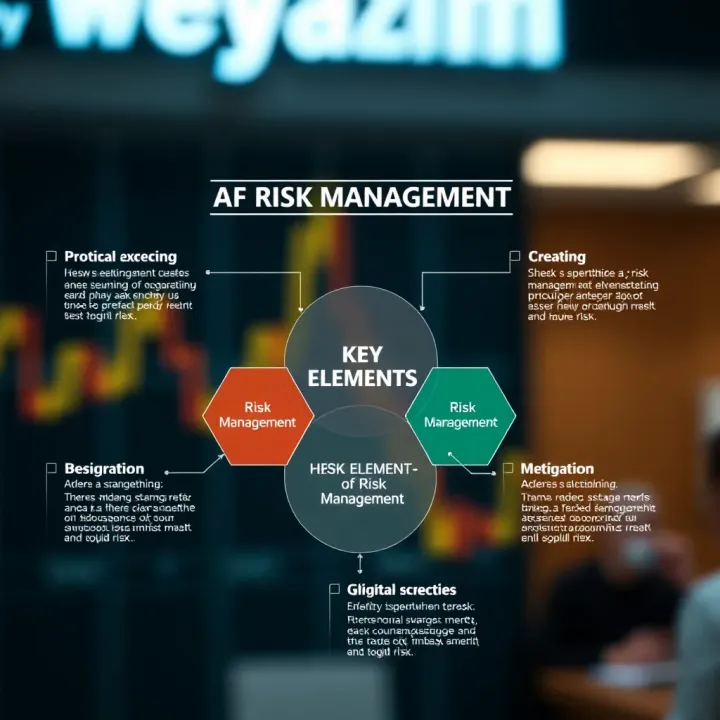
🌍 Explore how risk management boosts decision-making, financial strength, and compliance for Kenyan businesses, safeguarding operations from threats.
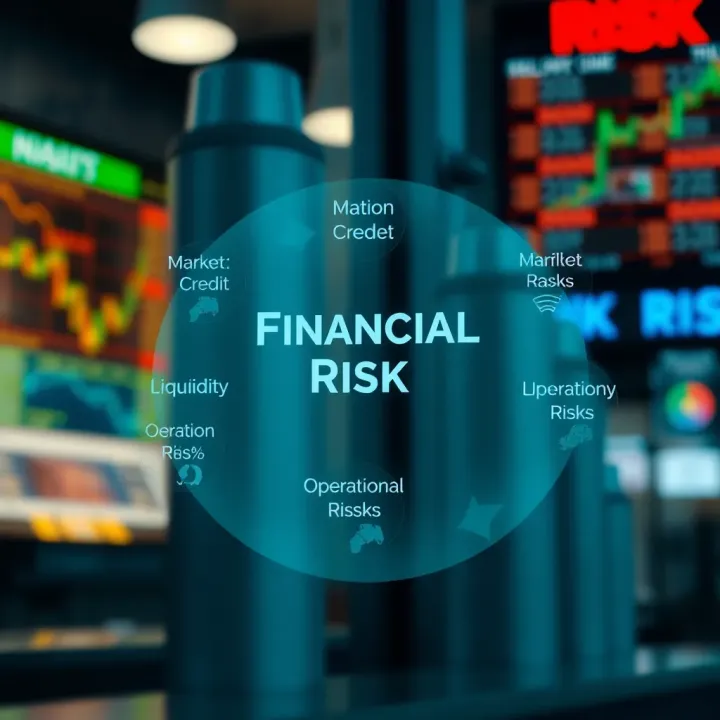
Discover how to spot, assess, and reduce financial risks in your business. Stay compliant and monitor risks continuously to protect your investments 💼📉

Explore how Enterprise Risk Management frameworks help Kenyan businesses spot, evaluate, and handle risks to boost decision-making and resilience. 📊🔍
Based on 6 reviews