

Risk Management Frameworks for Kenyan Businesses
📊 Learn how Kenyan businesses can identify and control risks with a clear risk management framework. Protect resources, manage threats, and improve processes for success.
Edited By
Isabella Reed
Risk management is a key part of running any business, especially in Kenya where market conditions and regulations can shift quite fast. Businesses face different risks—from financial pressures and operational hiccups to reputational damage—that can affect their sustainability and growth.
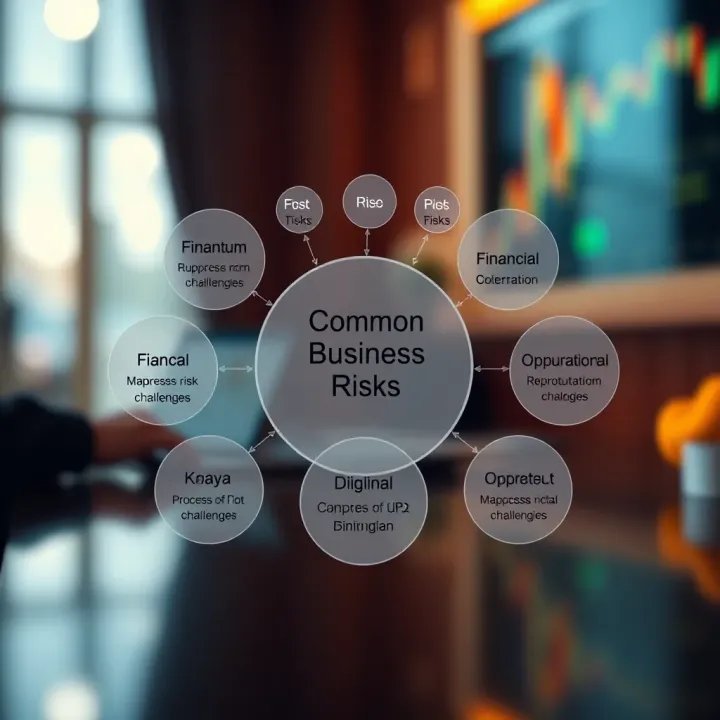
Understanding the types of risks common to Kenyan enterprises is the first step towards handling them well. For example, financial risks include currency fluctuations, delayed payments through platforms like M-Pesa, or unexpected tax changes by KRA. Operational risks might involve supply chain disruptions due to matatu strikes or shortages, or compliance challenges with county regulations. Reputational risks come from poor customer service or mishandling social media backlash.
Keeping a close eye on these risks and acting early can save businesses from costly surprises and build resilience over time.
The next step is to identify specific risks in your business environment. This may involve gathering input from different departments, suppliers, and even customers. Tools like SWOT analysis (Strengths, Weaknesses, Opportunities, Threats) can help uncover vulnerabilities.
Once risks are identified, assess their likelihood and potential impact. For instance, consider how a sudden policy change by CBK might affect your loan repayment schedules or how prolonged power outages in rural areas could disrupt your operations.
Not all risks warrant equal attention. Categorise them by severity and focus first on those that can cripple your business if ignored. Managing these risks might mean:
Keeping good records and invoicing promptly to avoid cash flow issues
Having alternative suppliers or logistics plans when primary options fail
Training your staff on customer relations to protect your brand
Kenyan businesses benefit from using technology to track transactions and compliance. Digital tools for bookkeeping, real-time stock monitoring, and eCitizen portals simplify regulatory adherence. For example, using iTax correctly helps avoid unnecessary fines.
Incorporating technology also means protecting your business data—consider cyber security measures against possible hacks, which can damage reputation and finances.
Finally, building a culture that recognises risk and encourages reporting issues without delay is vital. When every team member understands their role in risk management, the entire business becomes more agile and adaptive.
Effective risk management keeps a business steady through Kenya’s unique challenges. By spotting threats early, prioritising them wisely, and using technology smartly, your business can not only survive but also seize opportunities for growth.
Understanding risk in the Kenyan business environment is essential for making informed decisions. Kenyan businesses operate within a landscape shaped by unique economic, social, and regulatory factors. Without recognising these characteristics, businesses risk exposure to unforeseen challenges that could easily derail growth or profitability.
For example, a trader in Nairobi dealing with imported goods must account not only for exchange rate fluctuations but also for delays at the port caused by local administrative bottlenecks. Knowing how these risks intertwine helps in crafting practical strategies. It also gives investors and financial analysts clearer insight when evaluating opportunities and potential pitfalls in the Kenyan market.
Financial risks cover uncertainties around costs, revenue, and capital management. Kenyan businesses frequently encounter currency volatility, especially against the dollar, which affects importers and exporters differently. Take a local manufacturer who imports raw materials: sudden changes in the exchange rate could increase production costs, squeezing profit margins. Inadequate cash flow management can also lead to liquidity problems, making it difficult to pay suppliers or staff on time.
Operational risks arise from internal processes, people, and systems failing or underperforming. For example, a jua kali workshop relying on outdated machinery may experience frequent breakdowns, causing delays in fulfilling orders. Staff shortages or lack of training can also hamper productivity. These kinds of risks are often less visible but can significantly impact day-to-day operations and overall business sustainability.
Market risks relate to changes in demand, competition, or wider economic conditions. Fluctuations in consumer behaviour during periods like the long rains season often affect sales of certain products, say fresh fruits or construction materials. Economic challenges such as inflation and interest rate hikes, often influenced by Central Bank of Kenya (CBK) policies, tighten consumer spending and borrowing capabilities. Businesses need to track these trends closely to adapt pricing, product offerings, or marketing tactics accordingly.
Kenyan companies must navigate multiple layers of regulation—from national laws to county-level rules. Changes in tax policies by the Kenya Revenue Authority (KRA), new labour standards, or unexpected licensing requirements can impose additional costs or operational restrictions. For instance, a small lodging business in a particular county might suddenly face stricter health and safety inspections, requiring investments in infrastructure upgrades.
Reputation influences consumer confidence and loyalty. Kenyan businesses risk reputational damage through poor customer service, product quality issues, or failure to meet corporate social responsibility expectations. Social media has amplified the speed at which bad news can spread, making it vital for companies to monitor public sentiment and respond swiftly. A single viral complaint about delayed deliveries or unethical practices may cause significant brand harm.
Regulations vary significantly across Kenya’s 47 counties, impacting business costs and compliance efforts. For example, Nairobi may impose higher county fees or stricter waste management rules compared to a rural county. A trader operating in multiple locations must keep track of all local rules to avoid penalties or operational disruptions. This patchwork can complicate expansion plans but also offers opportunities to select favourable counties for certain activities.
Kenya’s hustler economy, where many rely on small-scale, informal businesses, shapes risk dynamics. These enterprises tend to operate with limited capital and face high market competition. They also lack formal contracts, increasing the risk of defaults or disputes. Yet, this resilience and flexibility allow quick pivots when conditions change. Businesses connected to this informal sector, like suppliers or financial services, must design risk management approaches that consider these realities.
The long and short rains seasons directly influence sectors like agriculture, transport, and trade. Flooding during the heavy rains can disrupt supply chains or damage stock, while drought may reduce consumer purchasing power in rural areas. For instance, a wholesaler of farming inputs must plan inventory around planting seasons and possible delays due to road conditions. Understanding these weather impacts helps mitigate losses by timing purchases, diversifying suppliers, or adjusting credit terms.
Effective risk management in Kenya hinges on grasping how these common risks and local factors interconnect. Businesses equipped with this knowledge can build resilient strategies that reflect the country’s unique conditions and market pulse.

Every Kenyan business faces risks that can disrupt operations or even threaten survival. Identifying and assessing these risks is a practical step towards managing them effectively. This process helps you spot vulnerabilities early and focus efforts where they matter most, whether you run a small trading business in Nakuru or a manufacturing firm in Nairobi.
SWOT (Strengths, Weaknesses, Opportunities, Threats) analysis remains a straightforward method for spotting risks linked to internal and external factors. For example, a juakali manufacturer might note weak financial reserves as a weakness, while rising import tariffs could be a threat. Pinpointing these helps the business prepare measures like diversifying suppliers or securing microloans to cushion shocks.
Risk mapping visually plots potential threats across business areas, making it easier to see where vulnerabilities lie. For instance, a logistics company might map risks such as vehicle breakdowns, fuel costs, or road closures due to rainy seasons. Checklists, on the other hand, provide a systematic approach to ensure no major risk is overlooked — like regulatory compliance requirements or cybersecurity gaps in digital operations.
Involving people connected to your business—suppliers, customers, employees, even local officials—can reveal risks not obvious from inside the office. A retail store in Kisumu might learn from customers about theft hotspots or from suppliers about delayed deliveries during rain seasons. These insights are critical to tailoring risk responses better suited to real-life challenges.
This method uses descriptive scales (like ‘high’, ‘medium’, ‘low’) to judge how severe a risk could be and how likely it is to occur. It's practical when data is limited. For example, a small tech start-up in Nairobi may rate the threat of data breaches as high impact but medium likelihood, guiding it to invest in strong cybersecurity measures despite constrained budgets.
Where data is available, numerical scores estimate potential losses or probabilities, offering precise insight. A farmer co-operative might calculate the financial impact of drought by estimating yield reductions and resulting KSh losses. This approach helps justify spending on irrigation infrastructure or crop insurance.
Since resources are never unlimited, businesses must focus first on risks with the highest combination of likelihood and impact. A tea exporter facing risks from fluctuating global prices and transport delays must decide which constitutes a greater threat. Prioritisation ensures efforts deliver the best protection or risk reduction—for example, locking in fixed shipping contracts while keeping a financial buffer for price changes.
Identifying and assessing risks isn’t a one-off task. Regular reviews and updates keep your business responsive to new challenges and changes in the market or environment.
By understanding and measuring risks clearly, Kenyan businesses can make decisions rooted in reality rather than guesswork. This positions them to survive uncertain times and grab opportunities while others fall behind.
Managing risks effectively is essential for the survival and growth of businesses in Kenya, where uncertainties from economic shifts, regulatory changes, and market dynamics are common. Core strategies provide a structured approach to navigate financial pressures, operational challenges, and protect brand reputation. Being proactive rather than reactive can prevent losses and build strong foundations for long-term success.
Kenyan businesses can use insurance to shield themselves from unpredictable events like theft, fire, or political unrest. For example, a retail shop in Nairobi might take fire insurance to cover stock losses, while a manufacturer could insure against equipment breakdown. Hedging is another tactic, especially useful for firms dealing with foreign currency risks or fluctuating commodity prices. For instance, an exporter paid in dollars could hedge against shilling depreciation by locking in exchange rates through forward contracts with local banks.
Having adequate cash reserves is critical in cushioning unexpected expenses or delays in payments common in the Kenyan market. SMEs often face challenges like delayed purchase orders or client defaults. Keeping a buffer—say, at least three months of operational costs—enables businesses to meet bills without resorting to expensive short-term loans such as Sacco overdrafts or Fuliza advances on M-Pesa.
Prudent budgeting helps organisations track income and expenditures, ensuring that resources are allocated efficiently. For Kenyan enterprises, this may involve periodic financial reviews aligning with seasonal market trends, such as the festive season spikes or agricultural cycles. Implementing controls like approval thresholds or regular audits discourages mismanagement and fraud, which can be costly in informal setups or jua kali businesses.
Streamlined processes reduce errors, speed up delivery, and cut costs. For example, a boda boda business could standardise rider safety checks and vehicle servicing schedules to lower accident risks. SOPs ensure consistency across teams and branches, crucial when expanding operations beyond Nairobi to counties with varying regulations.
Well-trained staff adapt better to changing market demands and help minimise mistakes that lead to losses. For instance, a dairy cooperative in Kisumu that regularly trains workers on hygiene and packaging can reduce product spoilage, thereby protecting both customer health and the business reputation.
Kenyan businesses depend heavily on supply chains that can be disrupted by rains, strikes, or transport strikes. Diversifying suppliers or holding safety stock can guard against such hiccups. A Nairobi-based supermarket sourcing directly from multiple farms rather than a single supplier avoids stockouts during drought or flooding seasons.
Listening to customers helps spot problems before they escalate and builds loyalty. For instance, a tech start-up in Nairobi might use social media channels to gather real-time feedback, addressing complaints quickly to prevent negative reviews from spreading.
Protecting your brand means controlling how your business is perceived. Trademark registration can prevent copycats in competitive sectors like fashion or consumer goods. Consistent quality and transparent communication also maintain trust. A coffee exporter in Nyeri who maintains high-quality standards will keep premium buyers despite market fluctuations.
Having a plan to manage communication during a crisis prevents reputational damage. For example, if a food processing company faces contamination claims, clear messaging and swift action reassures customers and stakeholders. Preparing spokespeople and pre-drafted statements ensures timely and accurate information flow.
Addressing risks with clear, practical strategies tailored to Kenyan realities helps businesses stay afloat and competitive. The right mix of financial discipline, operational reliability, and proactive market reputation management is a solid recipe for resilience in Kenya's dynamic business environment.
In today's Kenyan business environment, technology and compliance aren't just buzzwords; they are vital tools in managing and reducing risks. Businesses that actively use digital solutions can spot potential threats early and respond faster. Meanwhile, staying on top of regulations from bodies like the Central Bank of Kenya (CBK) and the Kenya Revenue Authority (KRA) protects firms from costly legal troubles and fines.
Data analytics helps Kenyan businesses spot warning signs well before problems spiral out of control. By examining patterns in sales, customer behaviour, or supplier data, companies can flag irregularities such as sudden drops in revenue or delayed deliveries. For example, a retailer in Nairobi might notice a sharp fall in sales in certain counties, signalling supply chain challenges or shifts in demand. This early warning allows quick action, such as adjusting stock levels or renegotiating supplier terms.
Cybersecurity is critical for businesses relying on digital platforms, especially as cyber threats become more common in Kenya. Implementing firewalls, antivirus software, and secure access controls protects sensitive data and prevents breaches. For instance, banks and mobile money operators like Safaricom employ advanced encryption to safeguard users’ financial information. Smaller enterprises should also invest in cybersecurity to avoid costly data leaks or ransomware attacks, which can halt operations and damage trust.
Cloud services offer Kenyan companies flexible and affordable ways to manage risk data without heavy infrastructure costs. Platforms such as cloud accounting or inventory management tools enable real-time monitoring and reporting from anywhere. This helps businesses stay agile when dealing with disruptions. A local manufacturing firm, for example, can use cloud software to track materials and production schedules, quickly identifying bottlenecks or delays that could escalate risks.
Kenyan businesses must keep up with regulations from agencies like CBK and KRA, which govern banking, taxation, and financial reporting. Compliance minimises legal penalties and fosters smoother operations. For example, timely submission of tax returns via the iTax portal avoids fines, while adherence to CBK guidelines ensures financial transactions are transparent and secure. Familiarity with these rules also helps businesses plan better for expenses and documentation.
Since counties in Kenya have varying rules — from trade licenses to health and safety — businesses operating across multiple locations must understand specific local laws. A retailer in Nairobi County, for instance, may face different licensing requirements than one in Mombasa County. Ignoring these differences can lead to unexpected penalties or forced closures. Staying informed and compliant promotes goodwill with local authorities and ensures uninterrupted business.
Conducting scheduled internal or external audits helps Kenyan businesses identify compliance gaps before they become problems. Audits examine whether processes and documents meet regulatory standards. For example, a food processing company might audit hygiene practices to satisfy public health regulations. Regular audits not only reduce the risk of fines but also improve operational efficiency and credibility with customers and partners.
Effective use of technology combined with diligent regulatory compliance forms a strong defence against diverse risks Kenyan businesses face today. It supports timely decisions and smooth operations, enabling firms to grow confidently even in uncertain times.
Creating a risk-aware culture is vital for Kenyan businesses looking to navigate uncertainties and safeguard their ventures. This culture means embedding risk understanding into everyday operations and decision-making, which helps businesses anticipate challenges before they escalate. Such awareness is especially crucial in Kenya’s dynamic economic environment, where factors like regulatory changes, market fluctuations, and seasonal disruptions impact enterprises frequently.
Educating employees about potential risks empowers them to identify warning signs early. For example, a supermarket clerk trained in recognising counterfeit currency or fraud patterns can alert management promptly, preventing financial losses. Training should be practical, using real-life scenarios relevant to the business sector — whether it’s safeguarding customer data in a tech firm or handling supply chain interruptions in agriculture.
Leadership sets the tone for how seriously a business takes risk. Kenyan business leaders who actively promote transparency and openness encourage teams to speak up about concerns without fear of blame. A managing director in a Nairobi-based export company, for instance, who regularly discusses risk in meetings, signals that managing risk is everyone's responsibility. This behaviour builds trust and improves responsiveness to threats across the enterprise.
Having clear channels for reporting risks ensures issues don’t get buried. Kenyan enterprises benefit from systems like suggestion boxes, digital reporting platforms, or regular risk check-ins. The feedback loop is just as important — employees need to know that their reports lead to action. For instance, a small manufacturer who acknowledges and acts on safety concerns from workers will reduce accidents and boost morale.
Risk assessment isn't a one-off task but a continuous one. Scheduling quarterly or biannual reviews helps Kenyan businesses stay aware of emerging threats. A real estate developer, for example, might revisit risks tied to market demand or new county regulations regularly. Reviewing risk data alongside financial reports allows more timely, informed decisions.
Risk management should support the company's objectives, not exist separately. For instance, a firm aiming to expand into EAC markets needs to ensure its risk plans cover cross-border trade hurdles like customs delays or currency fluctuations. Proper alignment means risks are managed in a way that supports growth rather than holding the business back.
Preparing for different "what if" situations helps businesses avoid being caught off guard. A Kenyan coffee exporter might develop contingency plans for scenarios such as drought impacting harvest or transport strikes delaying shipments. This foresight means quick pivots are possible, safeguarding revenue and relationships.
Building a risk-aware culture transforms how Kenyan businesses respond to uncertainty—it spreads responsibility, keeps risk on the agenda, and integrates action into normal business life.
By encouraging open communication and making risk management part of planning, enterprises set themselves up to move confidently, even when the unexpected happens.
📊 Learn how Kenyan businesses can identify and control risks with a clear risk management framework. Protect resources, manage threats, and improve processes for success.
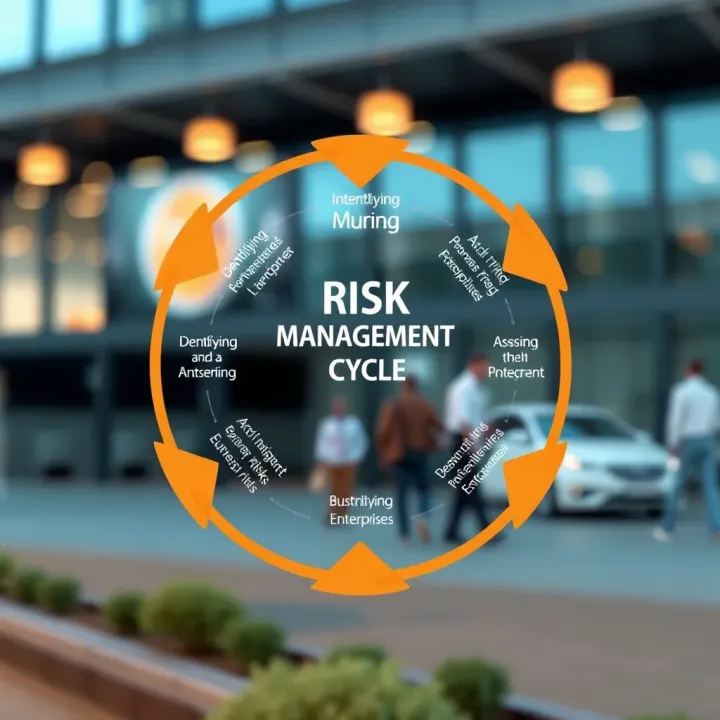
📊 Learn how Kenyan businesses can spot, assess, and handle risks to protect operations and boost decisions. Practical tips with local examples included.

📊 Navigate risk with confidence! Learn how Kenyan businesses can identify, assess, plan, monitor, and review risks to safeguard operations, finances, and reputation today.

📋 Learn how to build a solid risk management plan for Kenyan businesses. Identify local risks, take practical steps, and protect your venture from common challenges effectively.
Based on 8 reviews