
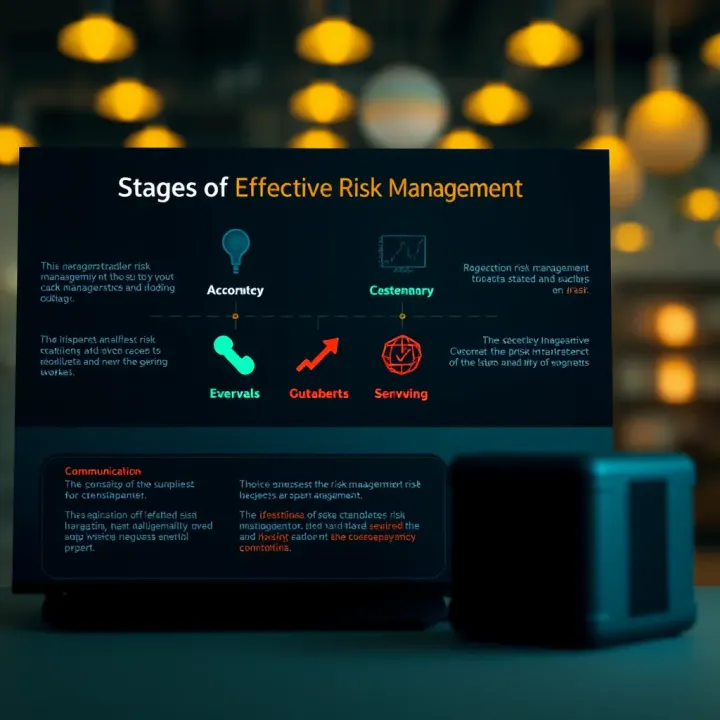
Principles of Risk Management Explained
📊 Learn core risk management principles to identify, assess, and control threats affecting businesses and projects in Kenya. Stay prepared and informed.
Edited By
Emily Clarke
Risk management is no longer just a word for big corporations; it plays a vital role in both business and daily life, especially here in Kenya. At its core, risk management means identifying possible problems before they happen and finding ways to reduce their impact. Whether you run a small jua kali workshop in Nairobi or manage a large investment portfolio, having a clear approach to risk can save you from costly surprises.
Businesses face many risks, such as fluctuating currency rates, supply chain delays, or sudden changes in government policy. Without managing these risks well, a company can suffer severe financial losses or even close shop. For example, a trader relying on imported goods might monitor the forex market closely to avoid sharp fluctuations in costs. This practical awareness helps preserve profit margins and keeps operations stable.

In daily life, risk management might look like having a well-maintained vehicle to avoid breakdowns, saving money for emergency expenses, or securing homes against theft. For instance, someone who habitually sets aside a portion of earnings in a savings account or invests through SACCOs is effectively managing financial risk by preparing for unforeseen events.
Understanding and managing risk promotes better decision-making, protects valuable resources, and enables sustainable growth.
Protecting Investments: Investors and financial analysts in Kenya must assess risks from market volatility and regulatory changes affecting stocks or bonds on the Nairobi Securities Exchange (NSE).
Supporting Entrepreneurs: Small businesses rely heavily on cash flow. Identifying risks such as delayed customer payments or fluctuating fuel prices can guide timely actions.
Handling Daily Challenges: Ordinary households benefit from risk checks like health insurance (NHIF) and cautious borrowing to avoid debt traps.
Identify Risks: Make a list of potential challenges specific to your context.
Evaluate Risks: Consider the likelihood and impact on finances or operations.
Plan Response: Develop options to avoid, reduce, or absorb the risk.
Monitor: Regularly review risk factors as conditions change.
By weaving risk management into planning, Kenyan investors and individuals can better navigate uncertainties, build resilience, and seize opportunities that others might overlook. This approach is not about fearing risks but managing them so they don’t derail your goals.
Understanding why risk management matters is essential for both businesses and individuals. It plays a key role in anticipating potential threats and adjusting plans before problems escalate. For example, a Nairobi-based trader who monitors market fluctuations closely can adjust stock levels to avoid losses during unpredictable price swings.
Types of risks faced by businesses and individuals: Businesses often face financial risks like currency volatility, credit defaults, or supply chain disruptions. For instance, an exporter dealing with foreign currencies must manage exchange rate risks that could affect profits. Similarly, individuals encounter personal risks such as health issues, theft, or cyber fraud, especially with increasing use of mobile money services like M-Pesa.
Consequences of unmanaged risks: Ignoring risks can lead to severe financial losses or even business closure. A small jua kali artisan who skips insurance against fire risks may lose all tools and stock, crippling operations entirely. On a personal level, failure to plan for medical emergencies might force someone into debt or disrupt family stability.
Informed choices reducing uncertainties: Risk management provides data and insights that improve decision quality. A financial analyst considering an investment in Kenyan stocks will benefit from risk assessments highlighting market volatility and economic indicators, helping to avoid costly errors. Similarly, a homeowner weighing options for solar panel installation can evaluate supplier reliability and potential maintenance risks before committing.
Balancing risks and opportunities: Effective risk management helps weigh potential downsides against possible gains. For example, a farmer investing in new crop varieties might face climate risks but gain higher yields if successful. Understanding how to balance these factors encourages better decisions rather than avoiding opportunities due to fear.
Managing risk doesn’t mean avoiding it entirely; it means making smart choices that lessen harm while allowing progress.
In all, recognising and handling risks early prevents unexpected shocks and positions businesses and individuals to navigate challenges confidently. It is a practical tool for securing finances, making calculated moves, and supporting sustainable growth in Kenya’s dynamic environment.
Risk management brings clear advantages that go beyond mere protection. It helps safeguard financial resources and physical assets while keeping businesses running smoothly even when challenges arise. For investors, traders, and financial analysts, understanding these benefits means better strategies and more confident decisions.
Risk management is about spotting potential threats early and putting measures in place to avoid or minimise them. For instance, a trader using stop-loss orders limits how much they can lose on a bad trade. Similarly, a business that insures its equipment against theft or fire shields itself from heavy unforeseen expenses. Without such precautions, losses can spiral, sometimes forcing closure.

In Kenya's jua kali workshops, for example, regular maintenance of tools and safe storage can prevent costly breakdowns or theft. This practical approach protects investments and saves money that might otherwise be spent repairing or replacing damaged assets.
Even with the best safeguards, risks may strike unexpectedly. Risk management plans help businesses prepare for these disruptions and bounce back faster. Consider a retail store that faces power outages during the long rains. Having a backup generator or an inventory management system that operates offline reduces downtime and keeps customers happy.
For financial investors, this continuity can mean maintaining liquidity during market shocks or geopolitical tensions. Businesses that prepare well avoid long interruptions that could cost customers and income, ensuring steady performance through ups and downs.
A reliable risk management strategy signals to customers and business partners that an organisation takes its responsibilities seriously. This trust can lead to stronger relationships, repeat business, and referrals. For example, a bank that secures customer data effectively protects against fraud and builds confidence in its services.
In Kenya's vibrant SME sector, word travels fast. A company known for handling risks responsibly—delivering on promises despite challenges—earns goodwill that bigger marketing budgets cannot always buy.
Many industries in Kenya operate under strict regulations set by bodies like the Capital Markets Authority (CMA) or Kenya Revenue Authority (KRA). Risk management ensures that businesses meet these rules, avoiding hefty fines or legal troubles.
Financial analysts and brokers, for instance, comply with CMA rules by monitoring transaction risks and reporting accurately. This safeguards not just the business but the entire market's integrity. Meeting such requirements also opens doors to new opportunities, such as accessing credit or expanding operations without regulatory hitches.
Effective risk management is more than a shield—it's a foundation for trust, smooth operations, and long-term success in both business and daily life.
By protecting assets, maintaining continuity, boosting reputation, and ensuring compliance, risk management offers practical benefits that sustain growth and security in Kenyan contexts.
Managing risk effectively requires practical approaches and the right tools. These ensure businesses and individuals identify potential threats early, assess their impact, and respond appropriately to reduce harm. Without a structured approach, risks can catch you off guard — especially in dynamic environments like Kenyan markets, where day-to-day challenges can shift fast.
Risk identification techniques are the first step to understanding what risks you face. This can range from simple brainstorming sessions with your team to more formal methods like SWOT analysis (which looks at Strengths, Weaknesses, Opportunities, and Threats). In a practical example, a small-scale farmer might map out risks related to weather, crop disease, or market price fluctuations. Identifying these early allows for better preparation.
Another common technique is reviewing past experiences or incident reports, which can highlight recurring issues. For instance, a trader in Nairobi’s Gikomba market may track theft or stock losses over time to identify vulnerable points. The key is to be specific and realistic — don't guess risks that have no footing in reality.
Once risks are identified, risk assessment methods gauge how likely each risk is and the level of damage it could cause. One common approach is using a risk matrix, plotting likelihood against severity. This helps prioritise risks. For example, a boda boda operator might consider road accidents (high likelihood, high impact) differently from mobile phone theft (moderate likelihood, moderate impact).
Quantitative approaches, like calculating financial loss probabilities, suit larger businesses that can afford data collection. Informally, even small businesses can estimate impact by asking: "How much would this cost if it happened?" This helps to allocate resources wisely.
There are four main ways to manage risks: avoidance, reduction, transfer, and acceptance. Avoidance means steering clear of risky activities altogether — like a retailer choosing not to stock highly perishable goods that spoil quickly where cold storage is unavailable.
Reduction involves measures to lessen the risk’s impact. For example, installing CCTV cameras in shops to reduce theft or using quality materials in construction to minimise damage during heavy rains.
Risk transfer shifts the burden to another party, commonly through insurance. Many Kenyan SMEs purchase cover from companies like CIC or Jubilee Insurance to protect assets against fire or theft.
Finally, acceptance means recognising a risk but choosing to bear it because mitigation cost outweighs potential loss. A small roadside kiosk owner might accept occasional spoilage of cheap stock rather than invest heavily in refrigeration.
Examples relevant to Kenyan businesses show how these strategies play out locally. A tea farmer in Kericho might avoid planting on highly erosion-prone steep slopes (avoidance), regularly prune bushes to reduce disease spread (reduction), insure crops against adverse weather through county-level schemes (transfer), and accept minor pest damage as part of ordinary risk (acceptance).
Similarly, a tech startup in Nairobi might transfer risk by outsourcing server management to cloud providers, while accepting data security risks by educating staff rather than spending heavily on top-level cybersecurity.
Effective risk management in Kenyan businesses depends on choosing the right combination of these strategies, balancing costs and benefits within local realities.
Risk management is a necessary practice for businesses operating in Kenya. The environment presents unique challenges, ranging from economic fluctuations to infrastructural gaps, which can quickly disrupt operations. By identifying potential risks early, Kenyan businesses can prepare strategies to tackle these challenges rather than react to crises. This foresight helps protect resources and sustain growth, especially for small and medium-sized enterprises (SMEs) and jua kali businesses that often work with tight margins.
Informal economy risks: The jua kali sector and many SMEs operate largely in the informal economy. This means limited access to formal contracts, business permits, or recognised debt facilities. Such informality increases exposure to unpredictable factors like harassment from authorities, lack of legal protection, and difficulties in enforcing agreements with suppliers or customers. For example, a bodaboda operator without proper documentation may lose income if stopped frequently by traffic police or county officials. Informal setups also struggle with record-keeping, making it harder to assess and manage financial risks effectively.
Access to finance and insurance: Many SMEs and jua kali entrepreneurs face significant hurdles when seeking loans or insurance products. Banks often require collateral or detailed financial histories, which informal businesses can't provide. Without enough financial protection, these businesses remain vulnerable to sudden expenses such as equipment breakdowns or medical emergencies. A small tailoring shop, for instance, may lack insurance to cover damages caused by Nairobi's occasional floods. This gap can lead to business closure despite the owner’s skills and customer base.
Role of KRA, CMA, CBK, and county governments: The Kenya Revenue Authority (KRA), Capital Markets Authority (CMA), Central Bank of Kenya (CBK), and various county governments play essential roles in shaping risk management standards within the country. KRA’s compliance requirements push businesses to maintain proper records which, when done right, help in risk assessment and legal protection. The CMA oversees securities markets, providing guidance to investors and companies on managing financial risks. Meanwhile, CBK safeguards monetary stability, which affects lending rates and the overall investment climate. Counties contribute by regulating local businesses and enforcing safety standards, which reduces operational risks at the grassroots level.
Availability of risk management resources and training: Various institutions and initiatives in Kenya offer resources and training to help businesses manage risk better. For example, the Kenya Institute of Risk Management (KIRM) provides certified courses tailored to local conditions. Many banks and microfinance institutions also conduct workshops on financial literacy, helping entrepreneurs understand loan terms and insurance benefits. These programmes improve awareness about risk mitigation tools and encourage proactive planning. However, uptake can be limited by costs or lack of awareness, so expanding access to these trainings is vital for wider risk resilience.
In the Kenyan business context, managing risks is not just about avoiding losses; it’s about building resilience to thrive in a dynamic environment filled with both challenges and opportunities.
Learning to manage risk is valuable not just for businesses but for everyday living as well. When you plan for possible challenges in your home or community, you reduce unexpected shocks that can disrupt your family’s wellbeing or your financial stability. Integrating risk management means spotting threats early and taking practical steps to soften their impact.
Health, safety, and financial planning play a key role in keeping your household secure. For instance, having a basic first aid kit and understanding how to use it can prevent minor injuries from getting worse. Likewise, setting aside an emergency fund or subscribing to the National Hospital Insurance Fund (NHIF) helps cushion the cost when illness strikes. Beyond medical concerns, being mindful of simple safety practices like inspecting electrical wiring or ensuring safe water at home can prevent accidents and protect your investment in your property.
When it comes to money, have a clear monthly budget and save towards unexpected expenses. This habit not only prepares you for emergencies but also reduces stress during tough times.
Managing mobile money and online risks is increasingly important in Kenya where M-Pesa and other digital platforms are widely used. Protecting your M-Pesa PIN and regularly verifying transaction history can help spot suspicious activity early. Avoid sharing your PIN or using public Wi-Fi for transactions to guard against hacking or fraud. Also, be cautious when receiving links or attachments via SMS or social media, as scammers use these to steal personal information.
Being aware of these risks and taking simple safety steps allows you to enjoy the convenience of digital money while reducing losses.
The role of harambee, savings groups, and family support has long helped communities in Kenya manage risks collectively. Harambee events or table banking groups provide a way for members to support each other during financial crises or emergencies. For example, a members’ savings group in a Nairobi estate might quickly raise funds when a household faces medical bills or school fees challenges. Family and friends also form an informal safety net, offering loans or food support during tough seasons.
These social safety nets work because Kenya’s community spirit encourages shared responsibility, which spreads risk across many shoulders rather than one.
Emergency preparedness during weather events like the long rains also requires collective action. Floods and landslides commonly affect certain regions during the long rains, damaging homes and farms. Communities can reduce loss through early warning systems, clearing drainage canals, and building simple barriers to divert water flow. County governments often work with local leaders to provide alerts and prepare shelters.
Households that prepare by having emergency kits and clear evacuation plans fare better than those that don’t. This combination of community collaboration and personal readiness strengthens resilience against weather-related shocks.
Integrating risk management into daily life is about expected surprises — getting ready for what might cause harm so that you can act fast and keep your home, health, and finances protected.
By adopting these practical risk measures, Kenyans can improve their quality of life and safeguard their futures from unexpected challenges.
📊 Learn core risk management principles to identify, assess, and control threats affecting businesses and projects in Kenya. Stay prepared and informed.
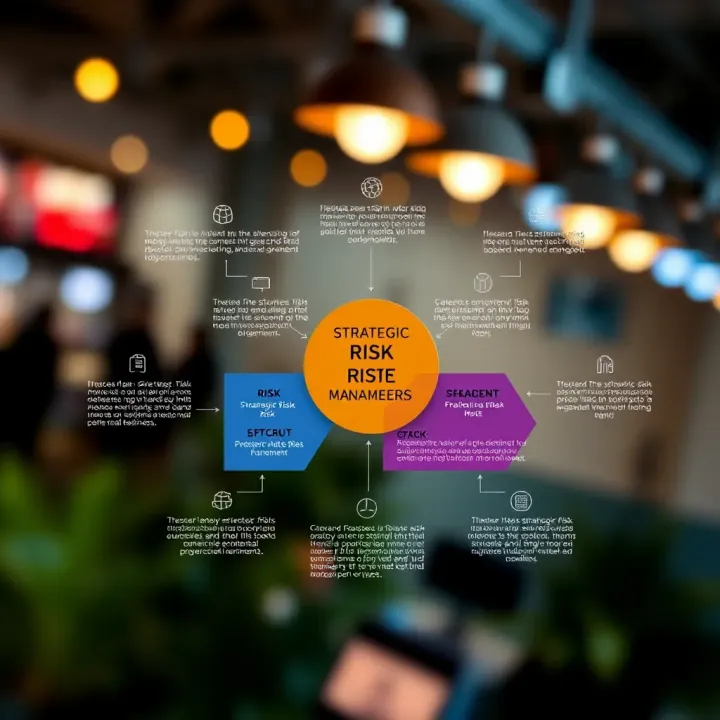
📊 Understand how strategic risk management helps Kenyan businesses spot and manage risks affecting growth. Learn tools and tips to build resilience in uncertain markets.
📊 Understand the risk management process clearly, from spotting risks to checking controls. Learn how this protects Kenyan businesses and keeps operations steady.
📊 Discover how risk management tools help Kenyan businesses spot and tackle threats, make smarter choices, and stay ahead in a competitive market for lasting success.
Based on 15 reviews