
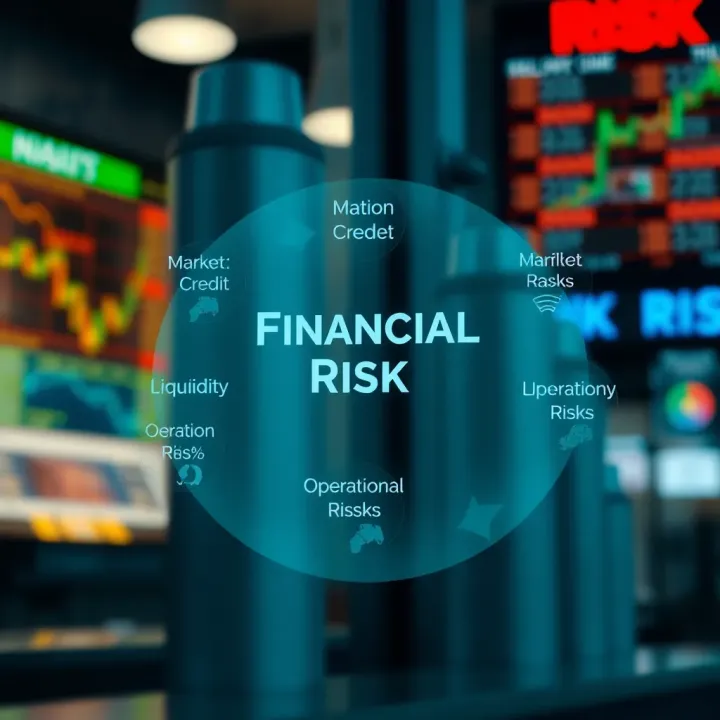
Essential Guide to Financial Risk Management
Discover how to spot, assess, and reduce financial risks in your business. Stay compliant and monitor risks continuously to protect your investments 💼📉
Edited By
Isabella Morgan
Risk management is about spotting problems before they blow up and finding ways to handle them smartly. In the fast-moving world of business and investments here in Kenya, knowing how to manage risk isn't a luxury – it's necessary for survival.
You can think of risk as the chance something might go wrong and cause losses, whether in stock trading, running a small business, or managing a project. By identifying these risks early and assessing their impact, you stand a better chance of avoiding serious setbacks.
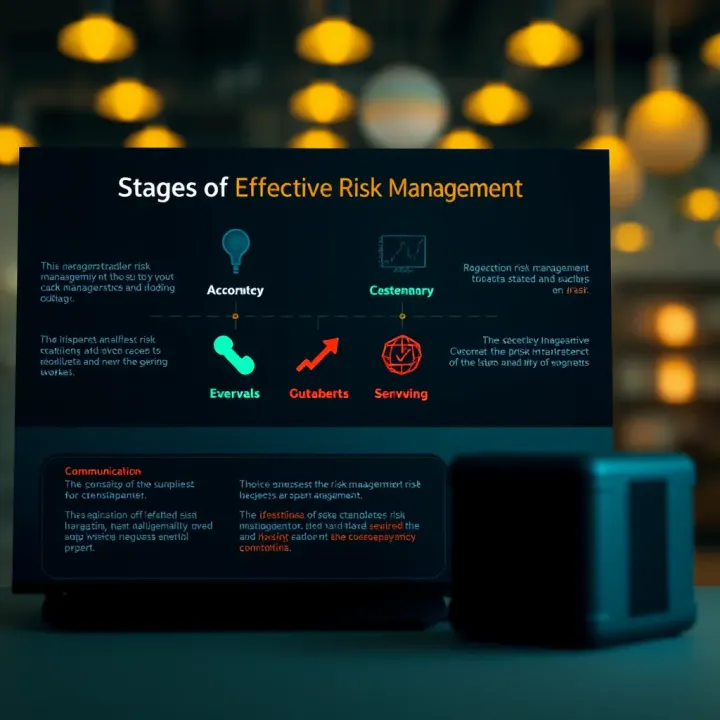
Successful risk management helps reduce surprises and keeps you ready for whatever might come your way.
The process usually starts with risk identification – pinpointing all the possible threats to your venture. For example, a farmer in Rift Valley might face risks from unpredictable weather or pests, while a trader in Nairobi deals with currency fluctuations or supply chain hiccups.
Next, risk assessment involves setting priorities based on how likely and how severe each risk is. This helps in focusing efforts where they matter most. It’s not practical to chase every single risk; you want to tackle the ones that can cause the biggest damage.
Following this is risk treatment or control. This means choosing options to reduce the risk’s harm. It could be buying insurance, diversifying investments, or putting protocols on how to handle emergencies. In Kenya, many businesses use mobile platforms like M-Pesa for safer transactions to cut the risk of cash handling.
Finally, risk management isn’t a one-off task. Constant monitoring and communication ensure the strategies evolve as conditions change. The business environment shifts quickly, whether due to regulatory changes, economic cycles, or competition.
To sum up, a practical approach to risk management in our local context means:
Spotting threats specific to your sector or location
Rating risks to act on the most pressing ones
Choosing affordable and effective ways to reduce risk
Keeping an eye on the situation and adjusting plans
Understanding these principles arms you to make smarter decisions that protect your investments and projects. The next sections will explore each stage with concrete examples and tips applicable in Kenya's business landscape.
Risk management is a vital part of any business or project, and its foundations set the stage for everything that follows. At its core, it involves understanding potential threats that could harm your goals and putting steps in place to reduce or control their impact. This is especially relevant in Kenya, where factors like economic changes, regulatory updates, and natural events such as floods can quickly shift the environment for businesses and individuals alike.
Building strong risk management foundations means clearly defining what risks matter, how to spot them early, and deciding how to handle them. When done well, it helps organisations avoid costly surprises, save resources, and stay adaptable when changes occur. For example, a farm in Rift Valley that anticipates drought risk can prepare by investing in irrigation or drought-resistant crops rather than reacting only after losses.
Risk management refers to the process of identifying, assessing, and controlling threats that could negatively affect an organisation’s assets or goals. Its main goal is to reduce uncertainty and protect value by planning ahead. Rather than leaving outcomes to chance, this process helps decision-makers prepare responses and prioritize actions.
In practise, this might look like a Nairobi-based small business regularly reviewing supplier reliability or a trader monitoring currency fluctuations to reduce losses. The main idea is to stay alert to potential problems and keep them from derailing progress.
Risk comes in many forms, some obvious and others less so. Financial risks include currency swings, interest rate changes, or credit default. Operational risks cover issues like equipment breaks, supply delays, or staff shortages.
On a personal level, risks may include health concerns, accidents, or emergency expenses. For businesses in Kenya, risks often come from market uncertainty, shifting regulations—such as changes in taxation or import rules—and natural effects like floods during the long rains. Recognising these varied risks allows you to plan better and avoid unnecessary exposure.
Safeguarding what you own is a major reason to manage risk. This includes physical assets like buildings, machinery, stock, and also intangible ones such as reputation and customer trust. For example, a manufacturer in Mombasa may insure its warehouse against fire damage or install alarms to prevent theft, reducing potential losses.
Without managing these risks, organisations might face unexpected costs that drain capital and slow growth. Protecting resources helps maintain business continuity and keeps investments safe.
Risk management sharpens decision-making by providing a clearer view of possible outcomes and their consequences. Knowing where threats lie means you can choose between options with better understanding.
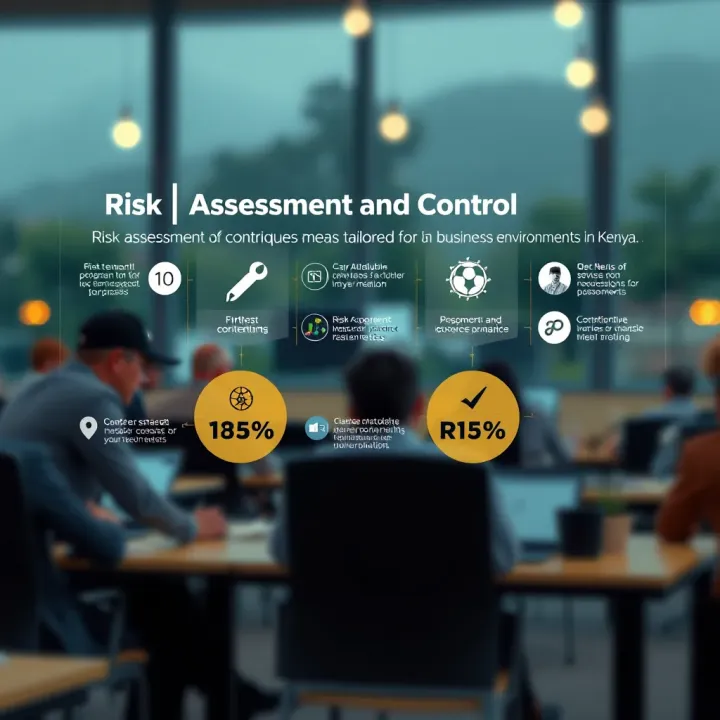
For instance, an investor considering entering the Kenyan stock market would assess risks like political stability or currency inflation before committing funds. By analysing risk proactively, choices become less guesswork and more calculated moves.
Resilience means an organisation’s ability to bounce back from setbacks and keep operating through difficulties. Effective risk management boosts this by preparing teams, systems, and processes to handle shocks.
Consider a bank with robust cyber-security measures. If a hacking attempt occurs, the bank’s systems can protect client data and continue operations with minimal disruption. Such resilience builds confidence among customers and regulators alike, which is invaluable in today’s fast-changing environment.
Risk management is not just about avoiding losses but about strengthening your ability to respond and adapt. It equips you with foresight and preparedness, turning uncertainty into manageable challenges.
By laying solid risk management foundations, Kenyan businesses and individuals can safeguard their future and make smarter decisions with greater confidence.
Spotting risks early is key to managing them well. When risks are identified clearly and on time, organisations and individuals can act proactively rather than reactively, which saves cost and effort later. For example, a business in Nairobi that anticipates supply chain disruptions due to political unrest can plan in advance to find alternative suppliers or routes. Early identification also allows prioritisation of risks that pose the greatest threat, helping focus resources where they matter most.
Brainstorming and checklists form a straightforward approach to uncover risks. Bringing teams together to brainstorm potential threats encourages diverse perspectives, which often uncovers risks others might overlook. Using checklists, especially those tailored to specific industries, ensures that common or recurring risks are not missed. In practice, a financial trading firm may use a checklist that covers market volatility, cyber threats, and operational failures to guide discussions and ensure systematic coverage.
Consulting experts and stakeholders adds depth to risk identification. Experts bring specialised knowledge of emerging risks, such as regulatory changes or technological disruptions, while stakeholders share insights on practical challenges and community impact. For example, in Kenya’s agricultural sector, talking to local farmers and extension officers can reveal risks tied to changing weather patterns or pests before they become widespread issues.
Reviewing past incidents gives a factual basis for identifying likely risks. Examining previous problems or failures can show patterns worth watching. A trader might analyse past market crashes to understand triggers and warning signs. Organisations often keep incident logs, which highlight weaknesses to address. This historial analysis helps avoid repeated mistakes by learning from experience.
Natural hazards like floods and droughts frequently disrupt Kenyan businesses and communities. Floods in Nairobi’s informal settlements cause property damage and business closures, while droughts reduce agricultural output in arid areas, affecting food security and incomes. These risks must be monitored continuously, especially during rainy and dry seasons, to prepare measures like water harvesting or emergency relief.
Market and economic fluctuations present risks linked to changing prices, inflation, or currency shifts. Kenyan exporters face currency risks as the Shilling can weaken against the dollar, increasing costs on imported inputs. Local businesses may see demand fluctuate with economic slowdowns, such as those caused by global shocks like the COVID-19 pandemic. Such risks require flexible financial planning and regular market analysis.
Regulatory and compliance challenges affect businesses differently across Kenya's varied sectors and counties. Changes in tax laws, licensing requirements, or labour regulations can impose unexpected costs or operational hurdles. For instance, new health and safety rules in the jua kali (informal) sector might require adapting workspaces. Staying updated on relevant laws through official channels and industry bodies can prevent costly penalties.
Early and clear risk identification helps businesses and investors avoid nasty surprises. It lays the groundwork for effective management strategies that protect resources and support sustainable growth.
Effectively assessing and prioritising risks helps organisations and individuals focus on the most pressing threats first. Instead of spreading resources thinly over every possible risk, decision-makers can tackle those with the biggest impact or highest likelihood. For example, a Nairobi-based exporter might prioritise risks linked to currency fluctuations more than local infrastructure failures, as the former directly affects revenues.
Proper prioritisation also improves resource allocation for risk treatment strategies like insurance, staff training, or technology upgrades. It ensures efforts and funding deliver real value, especially when budgets are tight.
Measuring the likelihood of events involves estimating how probable a risk is to happen. This step helps avoid overreacting to very rare threats or ignoring frequent ones. For instance, a tea farmer in Kericho would assess drought probability during the short rains season to prepare adequately. Historical weather data combined with local experience informs this likelihood estimate.
Understanding probability also guides planning for contingencies. If a risk’s chance is high, it calls for immediate attention or preventive measures. Conversely, low-probability risks might be monitored rather than acted upon immediately.
Estimating the potential consequences means gauging what happens if a risk materialises. This includes financial losses, operational disruptions, or damage to reputation. For example, a financial services firm in Nairobi assesses how a data breach could result in regulatory fines and loss of customer trust.
Knowing the impact helps decide whether the cost of mitigating a risk is justified. Sometimes, a risk with a low chance but high impact, like political unrest affecting supply chains, gets higher priority than more frequent but less damaging risks.
Risk matrix and heat maps are visual tools showing risks by their probability and impact. They help identify 'hot spots' needing urgent attention. For instance, a risk matrix may place cyber attacks in the top-right quadrant indicating high likelihood and high impact for a digital bank.
These tools simplify communication about risks, especially when involving stakeholders less familiar with technical details. Having a colourful heat map during board meetings makes the stakes clear without jargon.
Cost-benefit analysis compares the cost of addressing a risk to the benefit of reduced losses or damage. For example, a manufacturer in Mombasa weighing the cost of installing fire suppression systems against potential downtime losses can make informed investment decisions.
This approach prevents over-spending on controls that don’t provide sensible returns and supports justification when presenting budgets or funding requests.
Scenario analysis involves imagining different future situations and how risks might play out in each. For an investor, simulating scenarios like a sudden interest rate hike or a political election can reveal vulnerabilities in a portfolio.
Scenario analysis encourages flexible planning since it accounts for uncertainties beyond simple probabilities or outcomes. It’s especially useful in Kenya where economic and political factors can shift rapidly, affecting multiple sectors.
Understanding risk impact with practical tools allows businesses to stay prepared and agile. Knowing which risks to focus on saves time, money, and keeps operations steady in an uncertain environment.
By applying these risk assessment approaches, whether you're managing investments, business ventures, or educational programmes, you create a solid foundation for informed decision-making and risk control.
Managing risks does not stop at just identifying and assessing them; the next step is to treat and control these risks effectively. This means taking actions that either eliminate or reduce the impact of threats, or deciding to transfer or accept them when that makes more sense. When done well, risk treatment safeguards financial interests, protects assets, and keeps operations running smoothly.
Avoiding risky activities involves steering clear of actions or projects that pose too great a threat. For example, a farmer in Western Kenya might avoid planting crops known to be highly susceptible to locust invasions or prolonged droughts, especially during a poor rainfall season. By choosing more resilient crops or waiting for better conditions, the farmer reduces the chance of losing the entire harvest. This strategy helps preserve resources and prevents losses before they occur.
Implementing safety measures and controls means taking practical steps to reduce the probability or severity of risk. In a Nairobi-based manufacturing firm, this could look like installing fire extinguishers, conducting regular machine maintenance, or training workers on safety protocols. These controls not only prevent accidents but also comply with regulatory requirements, which can avoid fines or legal trouble. By investing in safety, organisations limit unexpected costs and build a safer work environment.
Using insurance and contracts is a common way to transfer risk. Businesses or investors in Kenya often rely on insurance to handle losses that would be too costly to cover directly—such as vehicle accidents, property damage, or business interruptions due to floods. Contracts, like outsourcing agreements or supplier contracts, can shift certain risks to other parties, sharing or reducing exposure. For instance, a real estate developer might insure a construction site or require contractors to carry their own liability insurance to avoid shouldering the full burden of accidents.
Deciding which risks are acceptable involves recognising that not all risks need active treatment. Some risks might carry a small chance of occurring or result in minimal losses, making it costlier to control than to accept. A trader on the NSE might accept small daily price fluctuations without reacting to every market dip, focusing instead on long-term growth. Acceptable risks should be monitored regularly, though, so the organisation can adjust its approach if these risks escalate or new information arises.
Effective risk treatment balances actions that protect value while considering costs and benefits. In Kenyan settings, practical solutions tailored to local conditions prove most successful.
Being deliberate and clear about how you treat and control risks turns theory into action, keeping your investments and operations stable amid uncertainty.
Monitoring risks continuously and maintaining clear communication are key to keeping businesses and projects safe from unforeseen threats. These principles ensure that risk management isn't a one-time effort but an ongoing process that adapts to changing circumstances. In Kenya’s dynamic market environment—where factors like political shifts, weather patterns, and economic changes happen frequently—keeping a steady watch on risks helps avoid unpleasant surprises.
Regular reviews and audits help organisations spot any changes or emerging risks early. By scheduling audits frequently, businesses can evaluate whether existing controls are working or need improvement. For instance, a financial analyst in Nairobi might review quarterly reports to check if market volatility affects investment portfolios more than originally expected. Regular audits do more than tick boxes; they provide fresh insights and keep risk strategies sharp.
Adapting to new risks means staying flexible as situations evolve. The COVID-19 pandemic showed this clearly—businesses that quickly identified new health and supply chain risks managed better than those stuck with old plans. In Kenya, rapid shifts such as regulatory changes by the Capital Markets Authority or sudden droughts that affect agricultural investments demand ongoing updates to risk assessments. Investors and traders who remain alert and tweak their strategies can protect their assets and spot opportunities even during unpredictable times.
Clear reporting channels are essential for timely and effective risk communication. A company might have internal tools like dashboards or regular briefings that summarise key risk indicators in simple terms. This makes it easier for financial analysts, brokers, and investors to understand the current risk landscape without wading through technical jargon. For example, a clear report on currency fluctuations helps traders make quick decisions about forex exposure, preventing costly mistakes.
Engaging staff and the wider community builds a culture of awareness and responsibility. When employees understand potential risks and what is expected of them, they become active participants in risk control. This is particularly important in sectors like jua kali or agriculture, where frontline workers often face hazards that management might overlook. Encouraging open dialogue and feedback between management and staff ensures everyone stays alert to risks and supports continuous improvement.
Consistent monitoring and open communication create a resilient framework that helps Kenyan businesses and investors anticipate risks, respond quickly, and safeguard their interests over time.
Maintaining these practices means risk management becomes part of daily business and investment decisions, rather than a once-off exercise. This approach ultimately boosts confidence among stakeholders and supports more informed, timely actions.
Discover how to spot, assess, and reduce financial risks in your business. Stay compliant and monitor risks continuously to protect your investments 💼📉

Explore how Enterprise Risk Management frameworks help Kenyan businesses spot, evaluate, and handle risks to boost decision-making and resilience. 📊🔍

Explore how Kenya manages disaster risks through assessment, preparedness, response, and recovery. Learn the roles of communities, government, and partners 🌍🔥

🔍 Explore how risk management helps identify, assess, and control threats to protect businesses and individuals in Kenya from uncertainties & losses.
Based on 13 reviews