

Understanding Risk Management Basics
🔍 Explore how risk management helps identify, assess, and control threats to protect businesses and individuals in Kenya from uncertainties & losses.
Edited By
Grace Turner
Managing risks is not just some fancy business jargon; it’s a vital practice that helps businesses, traders, financial analysts, and investors keep operations stable and profitable. In Kenya’s fast-evolving market, where uncertainties like political shifts, currency fluctuations, and even climate changes impact operations, understanding the risk management process is a must.
Risk management involves a series of steps designed to identify, assess, and control potential threats that could derail business goals. By following these steps, organisations can prepare better, respond faster, and save costs in the long run. The process isn’t something done once and forgotten; it’s an ongoing cycle that adapts to new challenges as they arise.
Consider, for instance, a local exporter facing currency risk due to the shilling’s volatility against the dollar. By properly identifying this risk and putting in place hedging strategies, the exporter can avoid sudden losses affecting profit margins. Similarly, brokers and traders use risk management tactics daily to safeguard investments amidst market swings.
Effective risk management turns uncertainty from a threat into a manageable part of doing business, helping keep your finances and operations on steady ground.
The steps we’ll explore include spotting the risks, understanding their potential impact, deciding how to handle them, putting measures in place, and regularly checking these controls to make sure they still work. Each step builds on the next, making the whole process a solid framework for protecting business interests in Kenya’s dynamic economic environment.
This article aims to explain these key steps in clear language and practical terms so that every reader—whether you’re an investor monitoring portfolios, a trader checking market trends, or a financial analyst advising clients—finds useful insights to apply straight away.
Identifying potential risks is the first and one of the most important steps in managing uncertainties that could affect an organisation's performance. Without this initial stage, businesses might operate blindly, unable to foresee or prepare for challenges that can disrupt operations or cause financial losses. Spotting these risks early allows companies, investors, and analysts to allocate resources effectively and make informed decisions.
Internal risks within organisations arise from factors inside the business that can impact its stability. These might include employee errors, failing machinery, poor management decisions, or issues with supply chain coordination. For example, a Nairobi-based manufacturing firm could face production delays if a key machine breaks down and there’s no immediate replacement. Such internal risks can often be controlled or mitigated through better processes or staff training.
External risks from the environment come from outside the organisation and are usually less predictable. These include economic downturns, political instability, policy changes by the government, or natural disasters like flooding during the long rains. When the government adjusts taxes or introduces new regulations, it can influence how businesses plan their budgets. Investors and traders must consider these environmental risks as they can quickly affect market performance.
Financial, operational, strategic, and compliance risks cover broader categories that reflect different aspects of business operation:
Financial risks involve currency fluctuations, credit issues, or liquidity problems. For instance, a local exporter might lose money if the Kenyan Shilling weakens against the dollar.
Operational risks relate to day-to-day activities, such as supply chain breakdowns or IT failures.
Strategic risks arise from poor business choices or shifts in market demand, like a retailer failing to adapt to online shopping trends.
Compliance risks deal with violating laws or regulations, potentially leading to fines or reputational damage. For example, a bank not adhering to Central Bank of Kenya guidelines risks penalties.
Brainstorming sessions and expert interviews bring together knowledgeable individuals to identify potential risks. By tapping the experience of senior managers, industry experts, or frontline employees, organisations can uncover risks that might not be obvious from reports alone. A trader might interview risk managers from various sectors to understand emerging threats or spot market trends that others have missed.
Checklists and risk registers provide structured ways to document and monitor risks. A checklist might remind a company to consider risks related to health and safety or data protection. The risk register acts as a living document tracking identified risks, their status, and mitigation efforts. This helps businesses stay organised and ensure no area is overlooked, especially in complex operations like financial trading houses or multinational corporations.
Historical data and trend analysis rely on past experiences to predict future risks. Analysts might study patterns in market downturns, inflation rates, or incidents like fraud within a specific sector. For example, an investment firm reviewing the last five years’ data might spot that certain Kenyan industries suffer more during election years, signalling a recurring risk to consider.
A thorough risk identification process roots decisions in reality, helping Kenyan businesses and investors prepare confidently rather than react hastily.
Together, these sources and tools create a comprehensive picture of potential threats, paving the way for more focused risk analysis and management.
Risk analysis helps businesses and investors grasp the size and urgency of their risks so that they can plan responses effectively. Without analysing risks, organisations may either overcommit resources to minor issues or overlook threats that could cause major losses. This process involves assessing how likely a risk is to happen and what damage it could cause, ensuring decision-makers focus on the most critical vulnerabilities.
Using probability scales for risk occurrence allows firms to measure how often a risk might materialise. For example, a financial analyst considering currency fluctuations might rate a 30% chance of a significant drop in shilling value over three months. Expressing likelihood on a defined scale, such as low, medium, or high probability, helps teams speak a common language when discussing risks.
Estimating the possible damage or loss involves looking at what impact the risk would have if it happens. A trader dealing with agricultural commodities might calculate the financial loss due to a poor harvest influenced by weather risks. This estimation guides planning for reserves or insurance cover, giving a clearer picture of how bad things could get.
When considering qualitative versus quantitative analysis, qualitative methods describe risks in terms like "moderate" or "severe" based on expert judgement. Quantitative analysis uses numbers and data, such as forecasting a 15% drop in profits due to market risks. Kenyan SMEs often start with qualitative assessments where data is scarce, then move to quantitative as more information becomes available, balancing practical needs with data precision.
Risk matrix tools visually plot the likelihood of a risk against its impact, creating a heat-map of priorities. This helps businesses like insurers quickly see which risks to tackle first. For instance, a high-likelihood, high-impact risk appears in the top-right corner and demands immediate action, while low-impact, low-likelihood risks fall in the bottom-left corner.
Focusing on high-impact risks ensures resources target problems that could seriously harm operations or investment returns. A trader might prioritise geopolitical instability affecting oil prices over small supply chain delays, which are less costly. This focus prevents spreading efforts too thin and neglecting the risks that matter most.
Balancing resource allocation means spreading time, money, and attention according to risk priority and available capacity. Kenyan businesses must often operate on tight budgets, so they can invest more heavily in risks with a higher chance of causing disruption. For example, a growing Nairobi-based exporter may invest in forex hedging to cover currency risk but accept minimal risks related to local transport delays.
Properly analysing risk helps you avoid guesswork and builds confidence in your strategies, opening a clearer path to safeguard investments and operations in Kenya’s dynamic market environment.
By carefully assessing risks and prioritising based on their severity, businesses and investors can make informed decisions that protect their assets without wasting resources on unlikely or low-impact events.
Planning and developing risk responses is a key phase in managing risks because it turns analysis into action. Once a business understands its risks, it must decide how to handle each one effectively. This step helps prevent minor issues from escalating into major setbacks, protecting investments and maintaining stability. For instance, a Nairobi-based exporter facing currency fluctuations might decide how to cushion those risks before they impact profitability.
When it comes to managing risks, there are four main options: avoiding, reducing, transferring, or accepting the risk. Avoiding a risk means changing plans or operations to completely eliminate it, like a trader deciding not to invest in a volatile market. Reducing risk involves measures to lower its chance or impact; for example, a manufacturer might improve machinery maintenance to reduce breakdowns.
Transferring risk often involves insurance or contracts. A Kenyan SME might buy insurance to cover fire damage instead of bearing the cost directly. Accepting risk usually applies when the cost of prevention outweighs the potential loss, or when the risk is low; for example, a small business might accept small fluctuations in electricity prices without expensive backup systems.
Selecting appropriate controls and safeguards is about picking practical steps that match the risk’s size and nature. Controls include physical barriers, like safes for cash storage, or technical solutions like fire alarms. For example, a bank incorporates multi-factor authentication to reduce fraud risk. The goal is to balance effectiveness with operational efficiency, ensuring controls do not slow down business unnecessarily.
Cost-benefit considerations play a vital role in deciding treatments. It’s no use spending KSh 1 million on a control that saves only KSh 50,000 in losses. Organisations need to measure the financial and operational benefits against the implementation costs to ensure wise resource use. Sometimes a simple measure, like staff training, offers high returns with minimal expense, while expensive technology might be justified only for high-value risks.
After choosing treatment options, developing clear policies and procedures keeps actions consistent and reliable. These documents act as roadmaps for staff, detailing steps to manage risks and handle incidents. For example, a company might have a procedure specifying how to report security breaches within 24 hours to limit damage.
Assigning responsibilities inside the organisation ensures actions are not left hanging. When specific people or teams are accountable for managing each risk, there is clarity and follow-up. For instance, a financial controller might take charge of credit risk monitoring, while the operations manager handles health and safety.
Communicating plans to all staff is critical for success. Without clear communication, even the best strategies fail because people do not know their roles or the risks involved. Regular training sessions, bulletins, and meetings help embed risk awareness across the organisation, creating a culture where everyone contributes to managing risks effectively.
Effective planning and response development make the difference between a business weathering uncertainty and one caught off-guard. Practical choices, clear responsibilities, and ongoing communication build strong resilience.
This well-structured approach safeguards resources, builds trust among investors and stakeholders, and keeps operations humming smoothly even when challenges arise.
Implementing risk control measures ensures that the strategies planned to manage risks are put into practice effectively. This stage is vital because it converts theoretical plans into real actions that protect an organisation’s assets, reputation, and operations. Without execution, risk management remains just paperwork. Practical implementation often reveals on-the-ground challenges and opportunities for improvement.
Training and capacity building are essential for equipping staff with the skills and knowledge to follow risk management procedures correctly. For example, in a financial firm, training employees on cybersecurity measures and fraud detection helps prevent data breaches and financial losses. Capacity building goes beyond training; it involves creating a culture where everyone understands their role in managing risk and feels confident acting accordingly.
Installing physical or technical controls involves concrete measures to reduce risk exposure. This could mean putting up CCTV cameras and secure access points in a warehouse, or using firewall systems and encryption software in IT operations. Physical controls safeguard assets from theft or damage, while technical controls protect sensitive data and maintain system integrity. Both types of controls tangibly decrease risk and often complement each other.
Opting for outsourcing or insurance options can also manage risks effectively. For instance, an organisation might outsource IT services to specialists who have better tools and experience managing cyber risks. Insurance provides financial protection against losses from risks such as fire, theft, or business interruption. These options allow businesses to transfer certain risks and limit their direct exposure, especially when internal capacity is limited.
Monitoring adherence to policies is non-negotiable for risk control to be effective. Regular checks and audits ensure that procedures are followed, and deviations are caught early. For example, a bank may conduct quarterly audits to verify compliance with anti-money laundering policies. Such monitoring helps prevent drift from agreed standards and identifies areas needing reinforcement.
Involving staff at all levels fosters a collective sense of responsibility and improves risk awareness. When everyone from top management to frontline workers participates, risks are more likely to be noticed and reported promptly. A manufacturing plant where workers report safety hazards actively reduces workplace accidents through collaborative vigilance.
Updating control measures as needed keeps risk management relevant against new or evolving threats. Risks are rarely static – changes in market conditions, technology, or regulations demand fresh responses. For example, following a cyber attack, a company may upgrade its firewall systems and revise its incident response plan. Regular reviews and updates ensure controls remain effective and aligned with current realities.
Implementing controls is not just about ticking boxes but creating real-world safeguards that evolve with the business environment.
In summary, putting risk control measures into action strengthens an organisation’s ability to handle uncertainties. Practical steps like training, using physical or technical controls, and employing outsourcing or insurance form the backbone of this process. Meanwhile, ongoing compliance monitoring, staff engagement, and updating controls create a dynamic system that keeps risks in check over time.
Monitoring, reviewing, and reporting risks form the backbone of a strong risk management process. Without these steps, businesses cannot be sure their risk controls are effective or that new threats don’t go unnoticed. This continuous oversight helps firms stay ahead and respond timely to changes, preventing avoidable losses. It is especially relevant for investors, traders, and financial analysts who must react quickly to market shifts and operational challenges.
Regular risk assessments involve consistently checking back on known risks to see if they have changed in nature or severity. For example, a financial firm might review credit risk exposures monthly to cope with fluctuating borrower reliability. Regular assessments ensure that risk data stays current, making any response more precise and less guesswork.
Tracking emerging threats means keeping an eye on new risks as they arise. In Kenya’s dynamic business environment, this could be monitoring currency fluctuations or shifts in regulatory policy affecting trade. Early identification allows organisations to act before potential problems expand, for instance by adjusting investment portfolios or strengthening compliance functions.
Use of audits and inspections provides an independent check on risk controls in place. Organisations frequently deploy internal or external auditors to examine financial records, operational processes, or compliance with policies. This not only verifies adherence but also uncovers gaps that might be invisible in day-to-day operations. For instance, an inspection revealing weak cybersecurity controls could prompt urgent upgrades to protect sensitive data.
Learning from incidents and near misses is about analysing any situations where risks actually materialised or almost did. Such reflections are golden opportunities to understand what went wrong and why. For example, if a trading desk suffered unexpected losses because of a system fault, the firm would investigate the root causes to prevent recurrence. Treating near misses as lessons improves risk resilience.
Updating strategies and controls follows naturally after lessons are learned. Risk plans are not static; they need to evolve with new intelligence or shifting business conditions. This means revising policies, improving safeguards, or reallocating resources. A bank facing rising fraud cases might introduce tighter verification processes or invest more in staff training to strengthen controls.
Reporting findings to stakeholders keeps everyone informed about risk status and management efforts. Transparent reporting helps build trust with investors, regulators, and management teams. It also ensures accountability and facilitates collaborative decision-making. A listed company, for example, might include detailed risk disclosures in its annual reports to satisfy Capital Markets Authority (CMA) requirements and reassure shareholders.
Continuous monitoring and flexible response are not optional extras — they are vital for keeping businesses secure and sustainable in today’s unpredictable markets. Kenyan organisations that actively engage with these steps stand a better chance of navigating risks successfully and protecting stakeholder interests.
🔍 Explore how risk management helps identify, assess, and control threats to protect businesses and individuals in Kenya from uncertainties & losses.
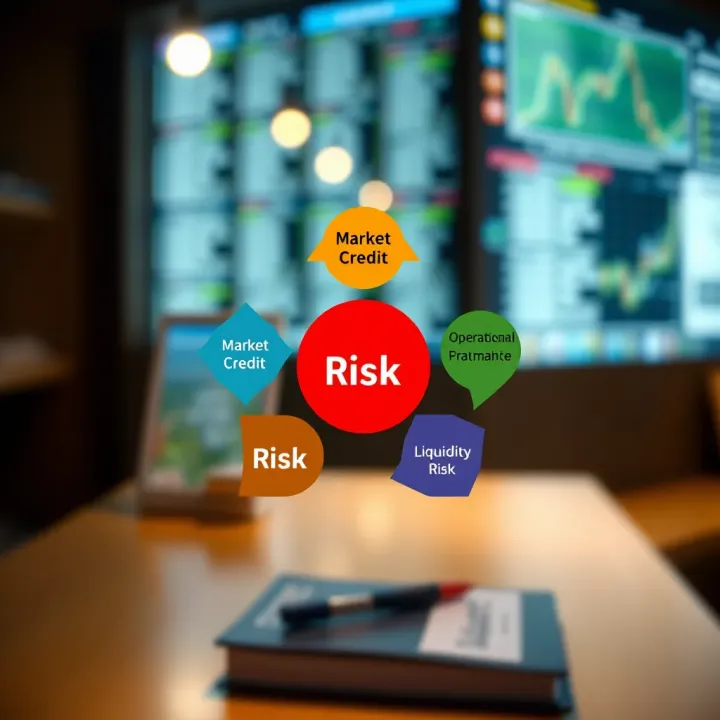
📊 Learn how financial risk management helps Kenyan businesses and individuals spot, measure, and control risks using practical tools and local resources.
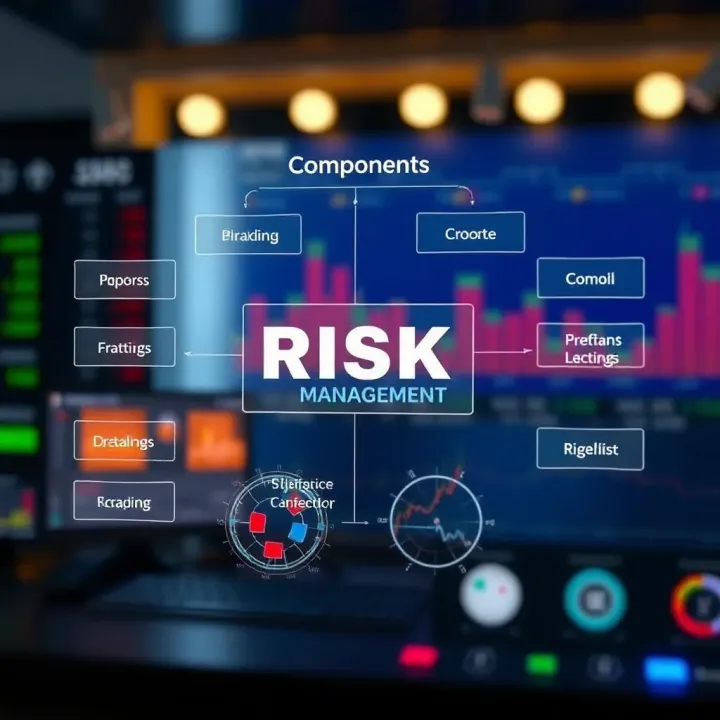
Explore practical risk management basics ➡️ understand key strategies, challenges, and how Kenyan businesses safeguard success effectively.
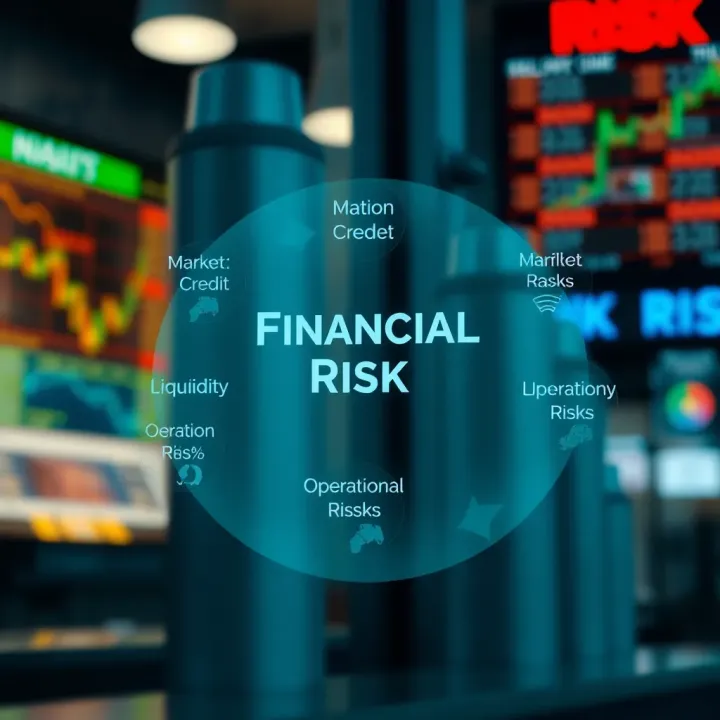
Discover how to spot, assess, and reduce financial risks in your business. Stay compliant and monitor risks continuously to protect your investments 💼📉
Based on 7 reviews