
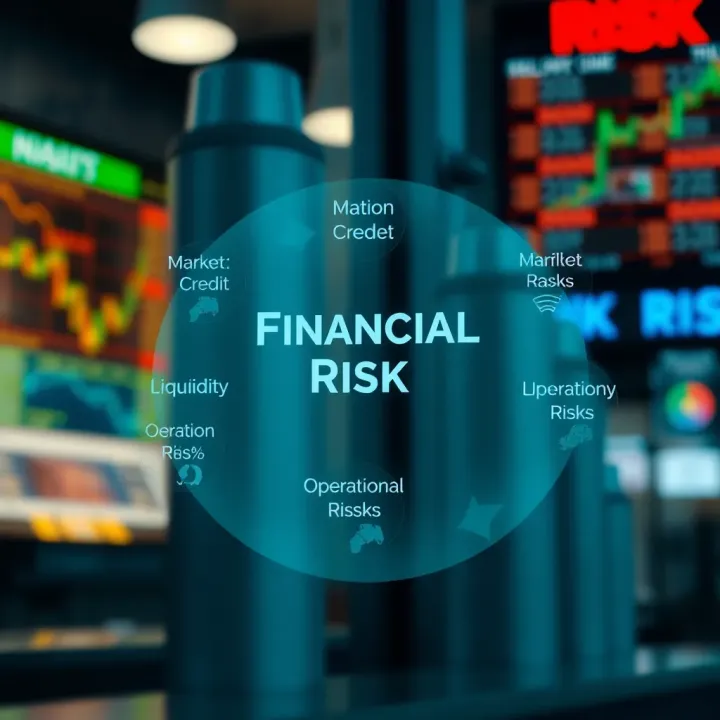
Essential Guide to Financial Risk Management
Discover how to spot, assess, and reduce financial risks in your business. Stay compliant and monitor risks continuously to protect your investments 💼📉
Edited By
Emily Clarke
Risk management is about recognising and dealing with threats that could harm your business or investments. Different types of risks affect organisations in distinct ways. Understanding these risks well helps you prepare and reduce possible losses.
In Kenya, many businesses face common risks such as financial instability, operational hiccups, strategic missteps, and compliance failures. Each category demands specific attention and handling.
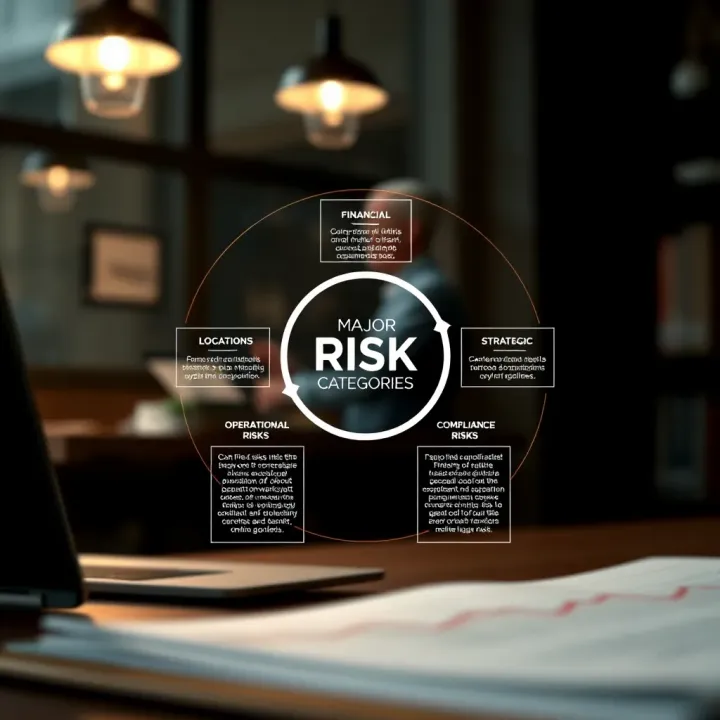
Financial risks relate to money and assets. For example, fluctuating interest rates affect loans from banks like KCB or Equity, which can increase repayment costs unexpectedly. Currency risks also appear when trading across borders, say between Kenya and Uganda, due to exchange rate swings.
Managing financial risk involves careful budgeting, diversifying income sources, and using tools like forward contracts to lock in exchange rates.
Operational risks arise from daily activities. A matatu SACCO losing drivers to illness or strikes disrupts services and revenue. Similarly, factories with faulty machinery face downtime that eats into productivity.
Practical steps include maintaining equipment regularly, training staff, and having backup plans such as alternative suppliers or temporary labour.
Strategic risks tie to long-term plans. Suppose a Nairobi textile company invests heavily in factory expansion without assessing market demand properly. This move could backfire if customers shift to cheaper imports.
To mitigate such risks, businesses should base strategies on thorough market research and be ready to pivot when conditions change.
Compliance risks come from failing to follow laws or regulations. Kenyan businesses must keep up with KRA tax laws, NHIF/SHA requirements, and CBK regulations on foreign exchange controls. Penalties or reputational damage can be severe if these rules are ignored.
Regular audits, staff training on regulatory changes, and using professional advisors help stay compliant.
Identifying and classifying risks early enables Kenyan investors, traders, and financial analysts to design practical steps that protect assets and boost confidence in business ventures.
Financial risks: money-related uncertainties like interest rates and currency fluctuations
Operational risks: disruptions in daily business activities
Strategic risks: poor long-term business decisions
Compliance risks: failure to meet legal and regulatory standards
Understanding these four core risk types will help you form better risk management plans that safeguard your business environment in Kenya's dynamic economy.
Risk management serves as the backbone of sound business practice. Kenyan businesses, whether in the bustling streets of Nairobi or the agriculture hubs of Narok, face numerous uncertainties that can affect their operations and profitability. Understanding risk management helps organisations prepare for, respond to, and recover from potential threats that could disrupt goals.
At its core, risk management involves identifying possible dangers, assessing how they might impact the business, and planning responses that reduce loss or damage. For example, a small textile manufacturer in Kisumu needs to manage the risk of supply delays from local cotton farms, which could stall production. Meanwhile, a financial institution in Nairobi must keep an eye on currency fluctuations and compliance with Central Bank regulations to maintain stability.
The practical benefits of effective risk management include better resource allocation, increased resilience during economic shocks, and protecting stakeholder confidence. When business owners spot risks early, they avoid costly surprises, keeping their companies stable and trustworthy.
Risk management is a systematic process that covers several key activities. It starts with risk identification, where all possible types of risks—financial, operational, reputational, or legal—are listed and understood. Next comes risk assessment, where each risk is evaluated in terms of likelihood and potential impact. For instance, a trader dealing in foreign exchange may assess the chance of sudden shilling depreciation and how it affects profit margins.
After assessment, businesses develop response strategies. These might include risk avoidance (not entering certain markets), risk reduction (improving cybersecurity), risk sharing (insurance policies), or risk acceptance when the cost of mitigation outweighs the threat. The process concludes with monitoring to track changing risk landscapes and the effectiveness of existing controls.
Knowing the types of risks allows decision-makers to tailor their management approaches. If a business confuses operational risks with strategic risks, it might waste efforts on irrelevant solutions. For example, ignoring legal risks could lead to hefty fines from the Kenya Revenue Authority (KRA) or other regulators, while over-focusing on market risks might leave operational vulnerabilities unchecked.
Precise identification also aids effective communication within companies. Different departments can better cooperate when each understands specific threats they face. Plus, investors and partners often demand clear risk profiles before committing funds, making transparency a crucial competitive advantage.
Thorough risk identification and classification form the foundation for well-informed business decisions, reducing uncertainty and strengthening trust among stakeholders.
Kenyan businesses face a complex mix of challenges — from currency swings to political shifts and environmental hazards. Grasping what risk management involves and why recognising different risk categories matters puts any company in a stronger position to endure disruptions and seize opportunities confidently.
Financial risks directly affect a business’s bottom line and can determine its survival or failure. These risks cover a range of uncertainties related to money management, investment, lending, and market fluctuations. For investors, traders, and financial analysts in Kenya, understanding financial risks helps in making informed decisions and preparing for shifts in the economy or market trends. For instance, a small trading company relying on supplier credit risks losing goods or sales if the supplier defaults, underlining the importance of credit risk management.
Credit risk involves the possibility that a borrower or counterparty will fail to meet obligations, leading to financial losses. This risk is prevalent in banks, loan agencies, and businesses offering credit sales. Take a retailer who extends payment terms to customers; if the customers delay or default, the retailer’s cash flow tightens, impacting operational viability. Market risk, on the other hand, refers to losses from changes in market variables like stock prices, commodity prices, interest rates, and foreign exchange rates. A local investor holding shares on the Nairobi Securities Exchange (NSE) might lose value if the market dips due to political instability or economic shocks.
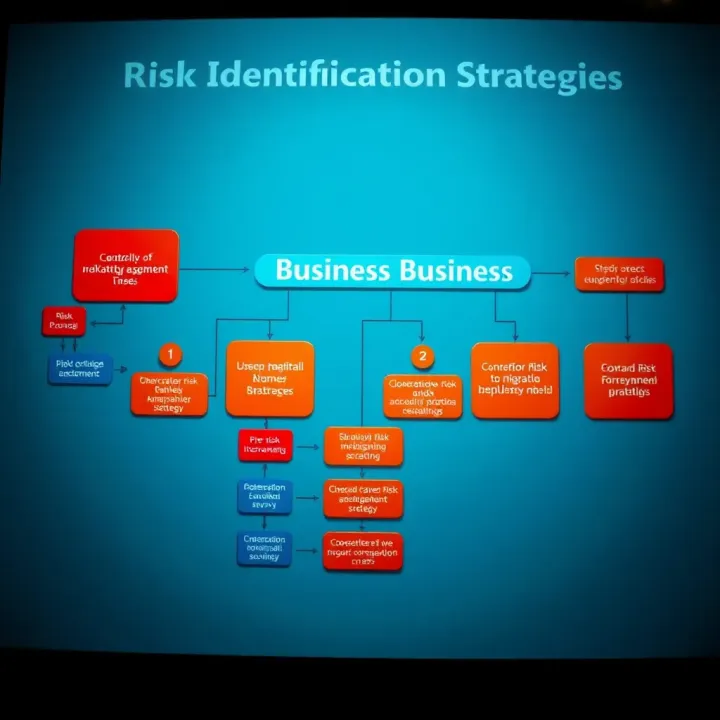
Liquidity risk emerges when a business cannot meet its short-term financial obligations because of inadequate cash flow or difficulty converting assets to cash promptly. For example, a manufacturer with slow-moving inventory and tight payment schedules may struggle to pay suppliers or staff on time. Cash flow problems in Kenyan SMEs are common, especially when payments from clients delay or when sales fluctuate seasonally, such as during school holidays or off-peak tourism months. Managing liquidity means regularly monitoring cash flow, building cash reserves, and negotiating better payment terms.
Kenyan businesses dealing with imports, exports, or foreign loans face currency risk due to shilling fluctuations. A company importing electronics may face higher costs if the shilling weakens against the dollar after the purchase order but before payment. To manage currency risk, businesses can use forward contracts or invoice in shillings where possible. Interest rate risk affects loans and savings. An increase in CBK’s Central Bank Rate (CBR) can push up loan rates, affecting monthly repayments. For example, a farmer with a KSh 2 million loan from a commercial bank might see repayment amounts grow during periods of rising interest rates, squeezing profit margins. Monitoring CBK announcements and choosing fixed-rate loans where feasible can reduce such risks.
Effective financial risk management is not just about avoiding losses but about making calculated decisions that protect cash flow and strengthen the business's ability to cope with shocks.
Understanding these financial risks and planning accordingly improves resilience and creates a solid base for growth in Kenya’s dynamic economic environment.
Operational risks cover the threats that emerge from an organisation’s internal workings—processes, people, and systems. These risks are especially critical because they affect the core of day-to-day business functions and can lead to costly disruptions if not managed properly. In Kenya, where many businesses operate with limited resources and face infrastructural challenges, understanding operational risks helps to tighten controls and improve resilience.
Internal processes in any business—from procurement to sales—can be a source of risk if they are inefficient or poorly controlled. For instance, a manufacturing company might face losses if its inventory management system fails to track stocks accurately, causing overstock or shortages. In a Kenyan context, a retail shop relying on manual record-keeping risks errors in cash handling or stock counts, leading to financial leakage.
Improving process design and introducing checks can reduce these risks. Automated systems like point-of-sale (POS) software or simple spreadsheets with control mechanisms are practical tools for businesses to reduce risks emerging from process failures.
People make mistakes, and workforce-related risks are a major part of operational challenges. Errors in data entry, miscommunication among staff, or improper handling of machinery can all lead to significant losses. For example, a bank employee in Nairobi might mistakenly credit the wrong customer account, causing reputational damage and additional costs to rectify.
Training and clear standard operating procedures (SOPs) are essential to minimise these risks. Besides, investing in employee well-being and motivation helps reduce absenteeism and turnover, which are hidden operational risks affecting productivity.
Technology is a double-edged sword: it creates efficiencies but also exposes businesses to cyber risks. Many Kenyan companies use cloud services and online platforms that, while convenient, can be vulnerable to hacking, data breaches, or system outages. For example, a small firm in Nairobi could suffer loss of client data due to inadequate cybersecurity, resulting in legal consequences under Kenya’s Data Protection Act.
Regular software updates, employee cybersecurity awareness training, and strong password policies form the foundation of reducing such technological risks. Additionally, backing up critical data offline or in secure cloud environments ensures continuity in case of cyber incidents.
Operational risks are often hidden until they cause visible disruptions. Businesses that proactively manage internal processes, empower their workforce, and safeguard their technology stand a better chance of surviving everyday challenges.
By paying attention to these operational risk categories, Kenyan businesses—whether in jua kali sectors or formal industries—can protect themselves from common pitfalls that eat into profits and reputation. Practical preparation and continuous monitoring make all the difference in turning these risks from threats into manageable hurdles.
Strategic and reputational risks shape how a business moves forward and how it’s perceived by its customers and the larger community. Unlike daily operational hiccups, these risks affect long-term plans and can determine whether a company thrives or struggles, especially in a competitive Kenyan market. Understanding these risks helps investors, traders, and financial analysts anticipate challenges that aren’t just about numbers but also about reputation and customer confidence.
A core risk here is how a company’s business model stands up in a changing market. For instance, in Kenya’s retail sector, the rise of online shopping platforms like Jumia and Kilimall has forced traditional shops to rethink how they operate. Businesses that fail to adapt their model, such as relying solely on physical stores without embracing digital channels, risk losing market share. Market competition can come from unexpected places too. A local jua kali craftsman might fill a demand for affordable furnitures faster than a big manufacturer, cutting into profits.
Strategic risks may also result from expansion decisions or partnerships. For example, a company expanding into East African Community (EAC) markets may face customs delays or regulatory differences that slow growth and erode expected returns. Keeping a keen eye on both regional policies and competitors’ moves safeguards a business against setbacks caused by shifting market dynamics.
Reputation risk is about how public perception affects business success. In Kenya, where word-of-mouth and community trust remain powerful, a single incident—like poor handling of customer complaints or unethical business practices—can spread quickly and damage a company’s standing. Consider a mobile money service provider that has a data breach; beyond legal penalties, users may shift to alternatives like M-Pesa, which maintains strong trust.
Building and protecting customer trust requires consistent service and clear communication. A retailer known for honest prices and quality goods is more likely to retain customers during tough economic times. On the other hand, firms that neglect customer feedback or are involved in scandals face risks that are hard to recover from. Reputation is fragile and often tied directly to financial performance, making its management a key component of risk strategy.
Reputation and strategic risks are often intertwined; a damaged reputation can derail even the most solid business strategy, affecting investor confidence and customer loyalty.
By recognising these risks early, decision-makers can steer their organisations away from pitfalls that reduce both market position and reputation. This dual approach ensures businesses not only survive but also sustain growth in Kenya’s diverse economic environment.
Compliance and legal risks play a significant role in Kenyan businesses, influencing both day-to-day operations and long-term sustainability. These risks arise when organisations fail to meet the requirements set by laws, regulations, and industry standards. Not adhering to these can lead to penalties, lawsuits, and damage to reputation, which can be costly and hard to recover from. For instance, banks operating in Kenya must meet Central Bank of Kenya (CBK) regulations, while manufacturers need approvals from the Kenya Bureau of Standards (KEBS) to avoid shutdowns or fines.
Regulatory risks occur when changes in laws or government policies impact how a business operates. For example, new tax regulations from the Kenya Revenue Authority (KRA) can alter tax obligations unexpectedly. Such shifts may require businesses to adjust quickly or face penalties. A recent example is the increased enforcement on Value Added Tax (VAT) compliance, affecting importers and traders. To navigate this, companies need a compliance team or consultants to monitor changes and interpret how these affect their operations.
Businesses that ignore evolving regulatory requirements risk not only fines but also losing their operational licences.
Non-compliance extends beyond tax matters to environmental laws, labour laws, health and safety regulations, and data protection requirements under Kenya's Data Protection Act. Take a tea processing factory in Kericho that disregards environmental regulations and improperly disposes of waste water. Such violations can lead to shutdowns by the National Environment Management Authority (NEMA) and damage community relations. Similarly, ignoring the Employment Act by failing to pay proper wages or benefits may invite penalties from the Ministry of Labour.
Businesses must therefore establish internal controls, conduct regular audits, and train staff about these laws. Having clear policies helps ensure adherence and demonstrates responsibility in case of inspections.
Bribery and corruption remain thorny issues affecting many sectors in Kenya. Organisations face reputational and legal risks if linked to unethical practices. The Ethics and Anti-Corruption Commission (EACC) actively investigates such cases, with companies found guilty facing hefty fines or loss of contracts.
Implementing a strong ethical framework is crucial. This includes:
Clear anti-corruption policies
Staff training on integrity and compliance
Whistleblower protection mechanisms
Due diligence on suppliers and partners to avoid complicity
For example, a construction firm winning a county government tender must avoid 'under-the-table' dealings, which can lead to contract cancellations and blacklisting.
Effective management of compliance and legal risks is not just about meeting minimum requirements but fostering trust with customers, regulators, and investors. Kenyan businesses that get this right often enjoy smoother operations and better growth prospects.
Besides the common categories like financial or operational risks, businesses must stay alert to other less obvious but equally impactful threats. These risks—environmental, political, economic instability, and supply chain challenges—can disrupt operations unexpectedly. For investors, traders, and financial analysts, recognising these risks enables better decision-making and preparation in the Kenyan context.
Environmental risks involve hazards from nature that can affect business operations directly or indirectly. Kenya, for example, experiences seasonal heavy rains that can flood roads and damage infrastructure, causing logistical delays for businesses relying on transport. Droughts also threaten agriculture-dependent sectors by reducing crop yields, which impacts food prices and supply chains nationally. Additionally, increasing concerns over climate change mean companies need to consider carbon footprints and sustainability pressures as part of their risk assessments.
Managing these risks requires contingency planning such as diversified supply sources and investing in infrastructure resilient to climate effects. For instance, firms operating in Nairobi or Mombasa ports might face disruptions due to flooding, so having alternate routes or storage locations can lessen losses.
Kenya’s political landscape and economic health directly influence the business environment. Political tensions around election periods sometimes lead to unrest that interrupts market activities, delays contracts, or shakes investor confidence. Exchange rate volatility triggered by economic policy shifts or external shocks also presents risks to businesses dealing with imports and exports.
Investors should watch for policy announcements from bodies like the Central Bank of Kenya (CBK) or statements from political leaders that might signal upcoming instability. Businesses can mitigate impact by hedging currency risks, securing insurance, or engaging in active scenario planning to prepare for potential disruptions.
Supply chain risks have become more pronounced globally and locally due to recent disruptions such as the COVID-19 pandemic. Kenyan companies depending on imported raw materials or vendor services must evaluate the reliability of their suppliers. Delays, price hikes, or quality issues with vendors can halt production or inflate costs unexpectedly.
One practical example is the jua kali sector, where many small-scale manufacturers rely on imported components. Any hold-up at ports or vendor failure affects the entire production line. Firms should consider multiple suppliers, establish clear contracts with penalty clauses, and use digital tools to track shipments and inventories.
Keeping an eye on environmental shifts, political trends, and supply chain health is vital for robust risk management in Kenya’s dynamic business scene. Ignoring these typically ‘other’ risks leaves organisations vulnerable to surprises that could have been managed or avoided.
Identifying and preparing for these risks strengthens business continuity and protects investments from shocks outside regular financial or operational concerns.
Managing risks effectively means more than just spotting problems early; it's about using the right tools and planning to handle them before they get out of hand. In Kenyan businesses, practical steps in risk management can prevent losses, protect reputation, and keep operations smooth. Whether you’re running a small enterprise in Nairobi or a larger outfit in Mombasa, having a clear process helps you respond swiftly to unexpected challenges.
The first step is to clearly identify risks that could affect your business. This involves gathering input from different departments—finance, operations, human resources, even the sales team. Methods like brainstorming sessions or SWOT (Strengths, Weaknesses, Opportunities, Threats) analysis can reveal hidden risks. For example, a small retailer might identify supply delays as a risk after talking to the procurement team, especially during the long rains when roads are watery and slow.
Risk registers are also useful. They list possible risks, sources, and early warning signs. For digital businesses in Kenya, cybersecurity threats from phishing scams or fake M-Pesa payment notifications are risks that should be added to such a register immediately.
After listing risks, it’s essential to assess their potential impact and likelihood. A risk that happens often but causes minimal damage may not need urgent attention, while a rare risk with severe consequences—such as currency fluctuations hitting export profits—demands close monitoring. Use simple scoring systems: rate each risk on a scale of 1 to 5 for impact and likelihood, then calculate a risk score to guide focus.
Focus your resources on high-risk areas. For instance, in agribusiness, drought risk has a high impact and moderate likelihood, so preparing for it could involve water-saving technologies or crop diversification.
Having identified and prioritised risks, the next move is to develop response plans. These plans define how your business will avoid, reduce, transfer, or accept risks. For example, an SME facing supply chain risks may negotiate contracts with multiple vendors or use local suppliers when imports face delays.
A risk response plan should include assigned responsibilities, timelines, and actions. If cyber threats are a worry, measures like regular software updates, staff training, and using secure networks help reduce vulnerability.
Effective risk management is about being proactive. Businesses that prepare for likely risks with clear steps avoid panic and costly disruptions when challenges arise.
Taking these practical steps—identification, assessment, and response—guides you from guesswork to well-informed decisions. In the Kenyan context, where markets shift quickly and environmental factors vary widely, a solid risk management process can be the difference between keeping your business afloat or facing avoidable losses.
Discover how to spot, assess, and reduce financial risks in your business. Stay compliant and monitor risks continuously to protect your investments 💼📉

Explore how Enterprise Risk Management frameworks help Kenyan businesses spot, evaluate, and handle risks to boost decision-making and resilience. 📊🔍

Explore how Kenya manages disaster risks through assessment, preparedness, response, and recovery. Learn the roles of communities, government, and partners 🌍🔥

🔍 Explore how risk management helps identify, assess, and control threats to protect businesses and individuals in Kenya from uncertainties & losses.
Based on 14 reviews