
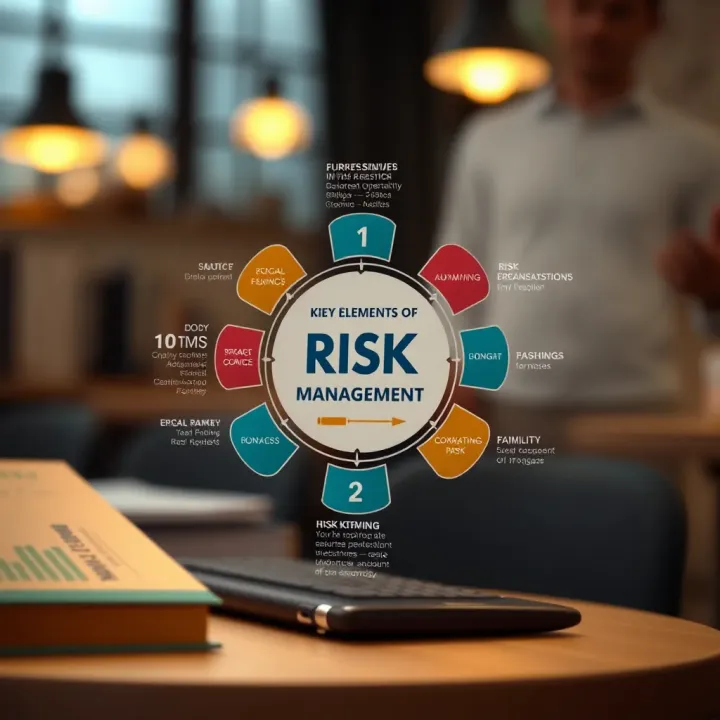
Risk Management in Kenyan Organisations
📊 Discover how risk management helps Kenyan organisations reduce uncertainties, protect finances, and boost growth. Learn practical steps and business examples to stay ahead.
Edited By
Daniel Hughes
Strategic risk management is about spotting and dealing with risks that could throw off a business’s long-term goals. Unlike day-to-day risks, strategic risks touch the very foundation of how a company plans its future. Kenyan businesses, whether in Nairobi’s busy commercial sector or small towns across the counties, face plenty of uncertainties—from policy shifts and market competition to climate-related challenges like droughts affecting supply chains.
Understanding strategic risk helps businesses make smarter decisions and avoid costly surprises. For example, a manufacturer relying on imported raw materials must account for exchange rate volatility, which could hike costs suddenly. Without strategic risk management, such risks might catch the company off guard, impacting profitability and growth.
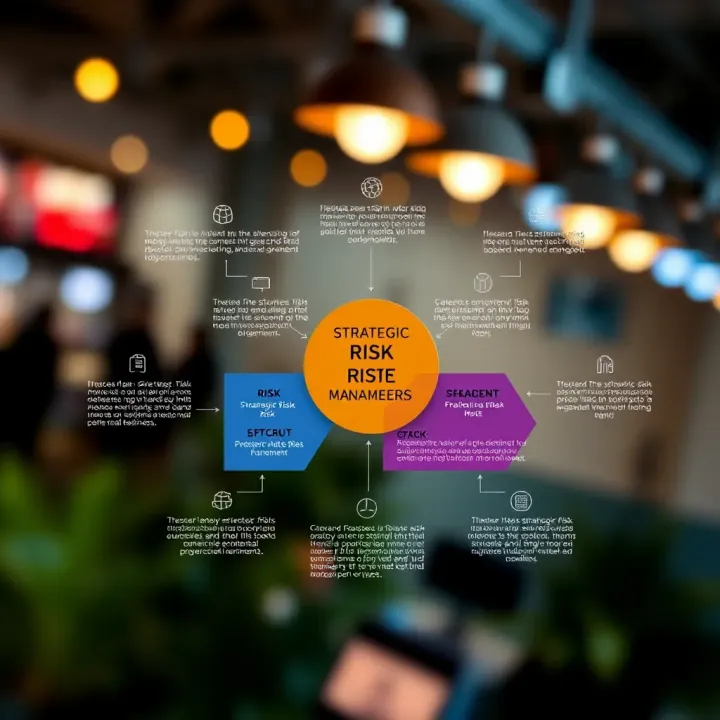
Strategic risk management isn’t just for big corporations. Even SMEs in Kenya’s hustler economy can benefit by anticipating challenges and adapting quickly.
Protects business objectives: It keeps the company’s vision and targets in check by preparing for disruptions.
Enhances decision making: Firms use risk insights to choose investments and partnerships wisely.
Builds resilience: Anticipating shocks helps maintain operations during tough times.
Regulatory changes – An unexpected change in laws, such as new taxation rules by KRA, can impact cash flows.
Market shifts – Consumer preferences may change quickly, especially with rising digital trends and mobile commerce.
Economic instability – Inflation, interest rates by CBK, or currency fluctuations can affect costs and revenue.
Environmental factors – Extended dry spells or floods disrupt agriculture, transport, and supply chains.
Kenyan firms often use SWOT analysis (strengths, weaknesses, opportunities, threats) combined with continuous market scans to keep risks visible. Boards are encouraged to include risk discussions in strategic planning, ensuring leaders remain alert to emerging threats. Digital tools like enterprise risk management software and scenario planning models support this process.
Strategic risk management is less about avoiding risk and more about understanding, preparing, and navigating through it. Well-managed risks help businesses in Kenya not just survive but thrive amid uncertainty.
Strategic risk management is a vital practice for any business aiming to safeguard its long-term success amid uncertainty. It involves pinpointing risks tied to a company’s strategic goals and planning responses to minimize their impact. For investors and financial analysts, understanding these risks sharpens decision-making, while businesses can stay ahead by adjusting strategies before risks turn into crises.
Strategic risks relate to high-level threats that affect an organisation’s overall direction or ability to meet its long-term objectives. Operational risks, on the other hand, concern everyday issues such as process failures, staff errors, or system breakdowns. For example, a manufacturer facing regulatory changes is dealing with a strategic risk, whereas a machine malfunction disrupting production falls under operational risk.
This distinction matters because managing these risks requires different approaches. Strategic risks often demand leadership-level involvement and consideration of market trends or policy shifts, while operational risks are handled with routine checks and standard controls.
In Kenya, common strategic risks include fluctuating foreign exchange rates affecting import-heavy businesses, emerging competitors disrupting established markets, or shifts in consumer preferences driven by urbanisation and digital adoption. For instance, a Nairobi-based tech startup may face the strategic risk of rapid technological changes, while a farming enterprise might wrestle with climate variability impacting agricultural output.
Understanding these risks helps businesses prepare better with tailored strategies. Ignoring them could lead to lost market share, devalued investments, or even business failure.
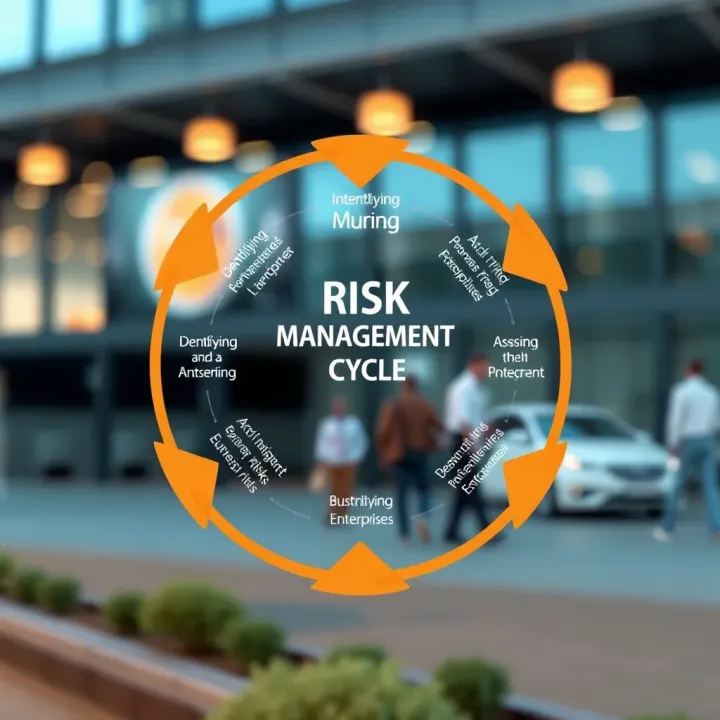
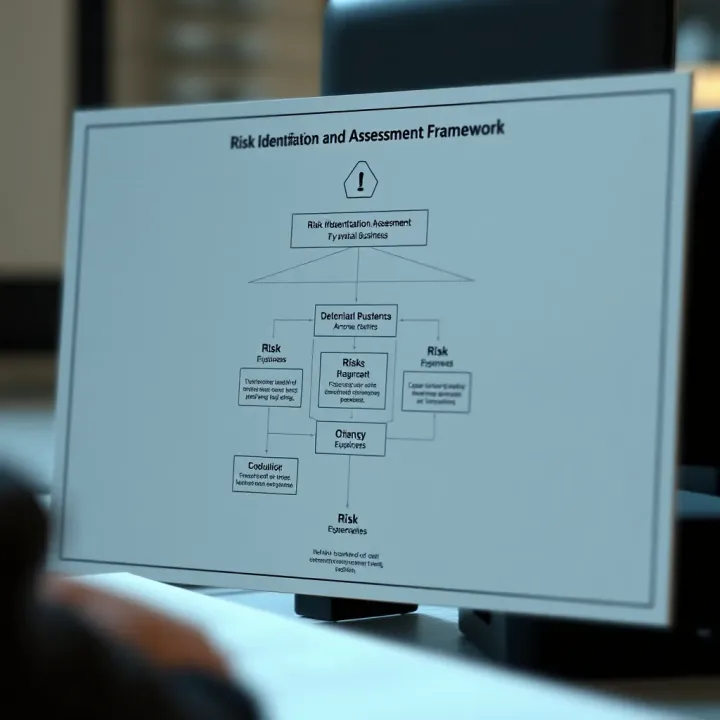
The management of strategic risks follows a clear process. First, identify risks by scanning the business environment for factors that may challenge long-term goals. Kenyan companies often use PESTEL analysis (Political, Economic, Social, Technological, Environmental, and Legal factors) to spot risks early. Next, assess each risk’s likelihood and potential impact using risk mapping and scenario planning to prioritise which deserve immediate action.
The final step is crafting appropriate responses. These may involve avoiding the risk altogether, mitigating it through new policies, transferring it via insurance or partnerships, or accepting manageable risks while monitoring them continually.
Strategic risk management requires collaboration across the organisation. Top executives, including CEOs and board members, set the tone by integrating risk considerations into the company vision and allocating resources to manage risks. Risk managers and financial analysts conduct the evaluations and recommend response strategies.
Meanwhile, department heads and team leaders play hands-on roles in executing risk controls, reporting changes, and ensuring compliance at operational levels. This collective effort creates a risk-aware culture where potential threats are addressed before escalating.
Managing strategic risks is not a one-off task but a continuous cycle that aligns risk awareness with business objectives, helping Kenyan companies stay resilient amid changing economic and regulatory conditions.
This clear grasp of what strategic risk management means, alongside practical examples and key responsibilities, lays a strong foundation for businesses and investors to take proactive steps towards thriving despite uncertainties.
Kenyan businesses operate in an environment where consumer tastes and market conditions can shift quickly. For instance, the rise of mobile money platforms like M-Pesa changed how people pay for goods and services almost overnight. Businesses that adjusted their strategies to accept mobile payments stayed ahead of their competitors. Strategic risk management helps companies anticipate such changes and adapt before they become threats.
This kind of forward-thinking is crucial because it prevents firms from being blindsided by new trends or competitors. A clothing retailer, for example, may see a sudden shift towards sustainable fashion. Without strategic risk planning, it might miss out on capturing emerging customer segments, leading to loss of market share over time.
Strategic risks can impact a company’s assets and reputation. Investors and stakeholders expect businesses to safeguard their interests. By managing risks strategically, companies can avoid costly mistakes like investing heavily in a new technology that soon becomes obsolete or navigating sudden regulatory changes unexpectedly.
Take a Kenyan agricultural firm that invested in mechanised farming equipments just as drought conditions worsened. Without proper risk assessment, such investments could lose value quickly. On the other hand, by integrating risk management into planning, the firm could diversify investments or put measures in place to conserve water, thus protecting their capital and maintaining stakeholder confidence.
Kenya’s economy is dynamic but sometimes unpredictable. Changes in tax policies, like Value Added Tax (VAT) adjustments, can affect profit margins. The government’s position on trade agreements or enforcement of environmental laws also influence how businesses operate. Strategic risk management allows companies to stay informed and adjust operations to align with new policies, avoiding penalties or sudden cost hikes.
Moreover, businesses that understand Kenya’s economic cycles—such as the effects of long rains or short rains on supply chains—can plan inventory and production better. This proactive stance helps them avoid overstocking or shortages that disrupt sales.
Different sectors face unique risks in Kenya. Manufacturing may struggle with inconsistent electricity supply, which can halt production lines. Agriculture is highly vulnerable to climate variability and pests, which directly affect yields and revenues. Meanwhile, technology firms must consider data protection laws and cyber threats that can undermine customer trust.
For example, a tech startup developing mobile applications must comply with Kenya’s Data Protection Act to avoid fines and reputational damage. Similarly, a manufacturer relying heavily on imported raw materials must factor in foreign exchange fluctuations when pricing products. Strategic risk management helps these businesses prepare for sector-specific challenges while also spotting opportunities for innovation and growth.
Kenyan businesses that embed strategic risk management into their core operations are better equipped to face unpredictable market conditions, economic shifts, and regulatory demands, securing their growth and safeguarding investments.
Understanding common strategic risks helps businesses anticipate challenges that could threaten their growth or survival. In Kenya's dynamic economy, recognising these risks allows companies and investors to prepare better and adapt swiftly. Strategic risks often affect long-term plans, making it crucial for leaders to assess how shifts in markets, finance, and regulation create uncertainty.
Consumer tastes can change fast, especially with rising internet access and exposure to global trends. For example, Kenyan supermarkets have shifted from predominantly stocking staple foods like maize flour to offering more processed and organic products as urban consumers become health-conscious. Firms that ignore such shifts risk losing market share quickly. Staying connected to customer feedback and local trends enables businesses to adjust products before falling behind.
Innovation keeps markets on their toes. In Kenya, mobile money platforms like M-Pesa disrupted traditional banking, forcing banks to rethink services and fees. Likewise, new players in e-commerce, such as Jumia Kenya and local startups, challenge established retailers by offering convenience and diverse payment options like Lipa Na M-Pesa. Existing businesses must watch for innovations that could alter customer behaviour or cost structures and prepare to respond or collaborate.
Kenyan companies that import goods face risks from the shilling's changing value. A sudden drop against the dollar can increase costs of raw materials, squeezing profit margins. For exporters, a weaker shilling can be a boon, making products affordable overseas. Effective risk management involves monitoring forex rates and considering hedging strategies, especially for businesses with cross-border transactions.
Securing affordable credit remains a challenge for many Kenyan SMEs. Interest rates set by the Central Bank of Kenya (CBK) influence borrowing costs directly. For example, a hike in the CBK rate can increase loan repayments, affecting cash flow and investment plans. Businesses need to plan for such fluctuations and explore alternative financing options like SACCOs, revolving funds, or venture capital.
Government policies can shift rapidly, often influencing sectors like agriculture or manufacturing. For instance, sudden import tariff changes can disrupt supply chains or pricing strategies. Public sector reforms or new tax laws require businesses to stay informed and agile. A company exporting tea might be affected by new export quota restrictions or environmental rules, so regular policy reviews and engaging stakeholders help manage this risk.
Kenya’s political cycles can bring moments of unrest or delays in policy enforcement. Businesses operating during such times face security threats and uncertainty, which may scare off investors or disrupt operations. Compliance with evolving regulations, including tax and labour laws, demands diligence to avoid fines or legal issues. Companies benefit from strong internal controls, scenario planning, and maintaining open communication with regulators.
Businesses that recognise and actively manage these common strategic risks put themselves in a stronger position to maintain stability and seize opportunities amid Kenya’s shifting economic landscape.
Strategic risk management hinges on knowing which risks to tackle first and how to handle them effectively. Tools and techniques help businesses identify, evaluate, and plan responses to risks that might affect their long-term goals. Especially in Kenya’s dynamic market environment, companies benefit from structured methods that bring clarity to what can otherwise feel like unpredictable challenges.
PESTEL analysis helps firms scan the broader environment by examining Political, Economic, Social, Technological, Environmental, and Legal factors. For example, a Kenyan agribusiness might spot drought risk under Environmental or new import tariffs under Political factors. This method ensures companies don’t miss external risks lurking outside their immediate operations. Using PESTEL regularly allows businesses to adjust strategies as conditions change.
While SWOT is often used for overall strategy, focusing on the Threats aspect helps pinpoint external dangers alongside internal weaknesses. For instance, a Nairobi-based tech start-up might identify emerging competitors as a threat or regulatory changes affecting data privacy. This focused use of SWOT sharpens risk awareness and supports more targeted action plans. It keeps the company alert to what could derail growth.
Scenario planning involves imagining different future situations and how they would impact the business. Kenyan financiers often do this by testing the effects of currency swings or interest rate hikes on loan portfolios. Stress tests simulate worst-case events to assess the organisation’s resilience. This approach not only prepares businesses for shocks but also guides strategies in good times by showing vulnerabilities clearly.
Risk mapping visualises risks on a grid based on their likelihood and potential impact, often color-coded to highlight priorities. Heat maps help decision-makers quickly see which risks need urgent attention and which can be monitored. For instance, a manufacturing company in Mombasa might map risks such as supply chain delays or power outages. Visual tools like these simplify complexity and facilitate focused resource allocation.
These four common strategies offer different ways to handle risk. Avoidance means steering clear of risky activities, like dropping a volatile export market. Mitigation reduces risk severity, for example, by diversifying suppliers to avoid delays. Transfer shifts risk to third parties, such as insurance policies against fire damage. Acceptance recognises that some risks are unavoidable but manageable within the company’s risk appetite.
Risk management shouldn’t operate in isolation; it must blend seamlessly with overall business planning. For Kenyan firms, this means aligning responses with growth plans, investment decisions, and operational changes. A retailer expanding to new counties would factor in security risks and regulatory differences, adjusting budgets and timelines accordingly. Integrating risk thinking ensures resources are used wisely and strategic objectives remain achievable.
Clear tools and methods not only spot risks early but also guide practical steps to manage them. Kenyan businesses that adopt these techniques gain an advantage by being prepared and nimble in uncertain markets.
A business that is truly risk-responsive doesn’t just react to problems; it anticipates them and builds resilience across all levels. This is especially important in Kenya’s dynamic markets, where economic shifts or regulatory changes can disrupt operations swiftly. Building such an organisation means embedding risk consideration into everyday decisions rather than treating it as a one-time exercise.
Training and communication channels play a pivotal role in shaping how employees perceive and handle risks. Regular workshops, storytelling sessions from past risk incidents, and simple newsletters focused on emerging threats can help keep risk awareness alive. For instance, Safaricom routinely updates staff on cybersecurity risks given the high use of digital platforms, ensuring everyone understands how their actions affect company safety.
Clear and open communication lines allow employees at all levels to report concerns without fear. This could be a dedicated risk reporting app or suggestion boxes in regional offices. The key is ensuring that risk discussions are not confined to the boardroom but flow all the way down to frontline teams who often spot early warning signs.
Leadership commitment and accountability are the backbone of a risk-responsive culture. When the top bosses visibly prioritise risk management, it sends a strong message. Kenyan banks like Equity and KCB demonstrate this by linking executive bonuses partly to effective risk reporting and mitigation measures. This creates a direct accountability mechanism.
Moreover, leaders must not only support but also model the right behaviour. For example, a CEO openly discussing lessons from failed investments encourages a culture where risks are openly assessed rather than swept under the carpet. Accountability also means setting clear risk management roles across departments, ensuring nobody thinks risk is only ‘someone else’s problem’.
Digital tools for real-time risk data have transformed how Kenyan companies monitor market and operational risks. Technologies such as cloud-based dashboards allow businesses to track indicators like currency fluctuations or supply chain delays live. For agricultural exporters in Kenya, real-time weather data integrated with shipment tracking helps them adjust plans swiftly to avoid losses.
By investing in tools that gather and share up-to-date risk information, organisations avoid being caught off guard. This way, they can act before minor issues snowball into major crises.
Integrating data analytics in decision-making means moving beyond gut feelings to informed risk choices. For example, using predictive analytics to evaluate financial exposures helps firms forecast how interest rate hikes could impact loan portfolios. In Kenya’s manufacturing sector, analysing customer buying trends through data analytics informs product launches and reduces risks linked to demand fluctuations.
Good risk analytics also enable scenario testing, where firms can explore ‘what if’ outcomes. This method reveals vulnerabilities that might not be obvious and highlights options for mitigation.
An organisation that combines risk-aware culture with smart technology stands a better chance of navigating Kenya’s uncertain business environment effectively.
Overall, creating a risk-responsive organisation isn’t a one-off task but an ongoing commitment. Training, leadership, and technology together build a system where risks are spotted early, understood well, and managed proactively.
📊 Discover how risk management helps Kenyan organisations reduce uncertainties, protect finances, and boost growth. Learn practical steps and business examples to stay ahead.
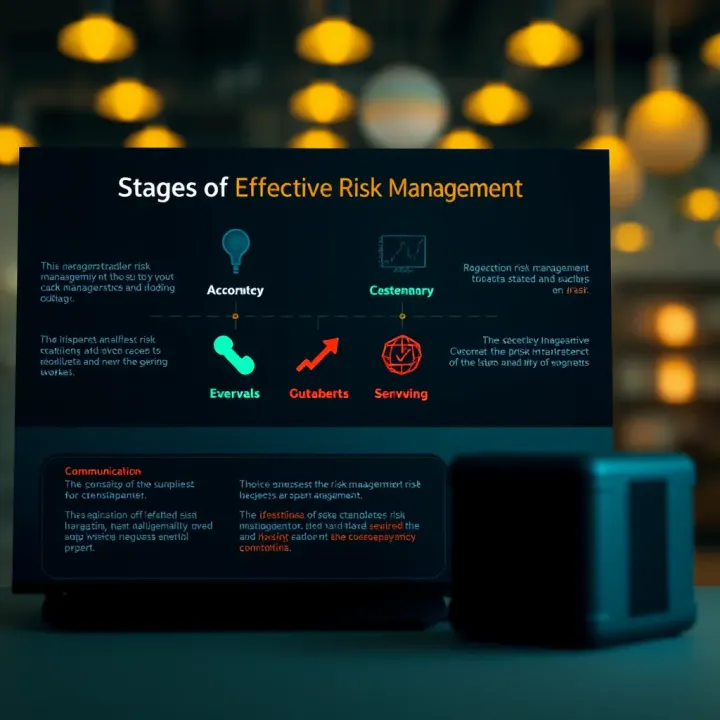
📊 Learn core risk management principles to identify, assess, and control threats affecting businesses and projects in Kenya. Stay prepared and informed.
📊 Learn how Kenyan businesses can spot, assess, and handle risks to protect operations and boost decisions. Practical tips with local examples included.
📊 Navigate risk with confidence! Learn how Kenyan businesses can identify, assess, plan, monitor, and review risks to safeguard operations, finances, and reputation today.
Based on 10 reviews