
Understanding Risk Management Steps for Businesses
📊 Understand the risk management process clearly, from spotting risks to checking controls. Learn how this protects Kenyan businesses and keeps operations steady.
Edited By
Oliver Bennett
Risk management is about spotting potential problems before they hit hard. Every business or organisation, whether a small duka in Nairobi or a county government office, faces risks that could disrupt operations, drain money, or damage reputation. The process of risk management helps you pinpoint these threats, understand their impact, and decide on the best way to handle them.
In Kenya, where economic changes, regulatory shifts, and even weather patterns like the long rains can affect business, having a clear risk management process is vital. It doesn't matter if you are a financial analyst looking at investment risks or a trader handling market fluctuations; understanding these steps equips you to protect your goals effectively.
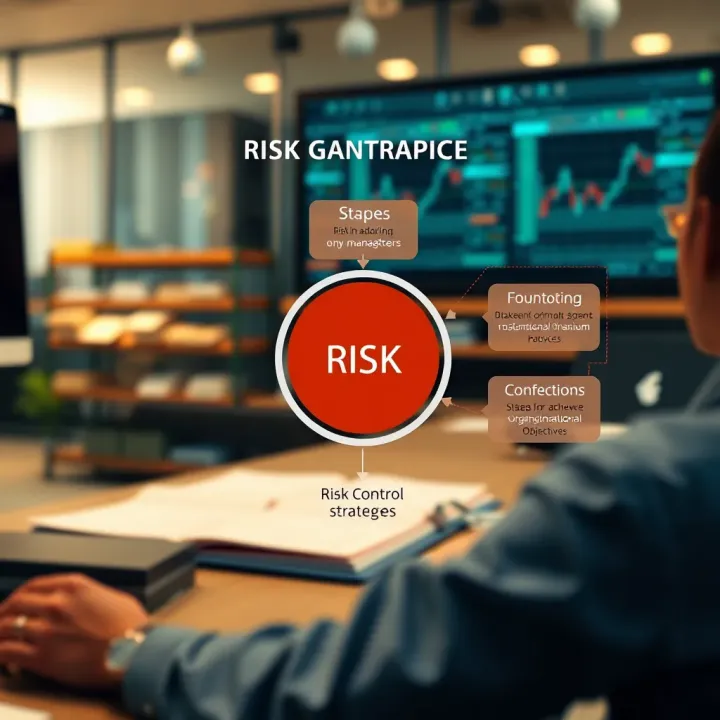
Effective risk management isn't just about avoiding loss—it’s about making informed choices to keep your business stable and growing.
Risk management follows a logical series of steps, starting from recognising what could go wrong, to taking practical actions to reduce those risks. When done well, it turns uncertainty into a manageable challenge rather than a crisis.
Here’s what to expect from the process:
Identify Risks: Spot risks specific to your operation or sector. For example, a farmer in Kisumu would focus on rain variability, while a stockbroker in Nairobi watches political and market changes.
Assess Risks: Evaluate how likely these risks are and what damage they could cause. This helps to prioritise where to focus your energy and resources.
Treat Risks: Decide whether to avoid, reduce, transfer, or accept each risk. Kenya’s insurance industry, for example, helps transfer risks like fire or theft, easing financial strain.
Monitor and Review: Risks and business environments change. Regular checks ensure your strategies stay effective.
By following these steps with local context in mind, businesses and organisations not only protect themselves but gain confidence to pursue opportunities, even in uncertain times.
This article will walk you clearly through each step, using examples relevant to Kenya’s business and public sectors. The goal is practical understanding, so you can apply what you learn straight away.
Identifying risks is the foundation of effective risk management. Without a clear understanding of what threats your organisation faces, you won't know where to focus your efforts. Kenyan businesses, whether in Nairobi's bustling tech scene or rural farming cooperatives, benefit greatly from early risk detection to avoid losses and enhance resilience.
A risk is any uncertain event or condition that can affect your organisation's ability to achieve its objectives. This could be anything from a sudden change in currency exchange rates impacting import costs to a power outage disrupting operations. Risks can be internal, like employee fraud, or external, such as new government regulations that increase compliance costs.
Kenyan organisations face several typical risk sources worth noting:
Regulatory Changes: Frequent updates in tax laws by the Kenya Revenue Authority (KRA) or shifts in county-level policies can affect operations unexpectedly.
Market Volatility: Fluctuations in commodity prices, especially in agriculture and energy sectors, can hit businesses hard.
Infrastructure Challenges: Unreliable electricity and poor road networks increase operational risks, especially for firms outside urban centres.
Technological Threats: Cybersecurity risks are growing as more business transactions move onto digital platforms like M-Pesa and ecommerce sites.
Social and Political Factors: Strikes, election unrest, or community conflicts can disrupt supply chains or reduce customer turnout.
There are several practical ways organisations in Kenya can identify risks effectively:
Brainstorming Sessions: Gather staff from different departments to share insights on possible threats from their perspectives.
SWOT Analysis: Assess strengths, weaknesses, opportunities, and threats to highlight internal and external risks.
Risk Checklists: Use standard lists tailored to local industries (like agriculture, manufacturing, or finance) to ensure no key risks are missed.
Stakeholder Consultations: Engage customers, suppliers, and local officials for feedback on emerging issues.
Data Review: Analyse past reports, incident logs, and financial statements to spot patterns hinting at risk areas.
Identifying risks early enables your organisation to stay ahead, manage resources wisely, and protect long-term sustainability.
By keeping risk identification ongoing and integrating local realities into the process, Kenyan organisations can navigate challenges more confidently and maintain steady growth.
Once risks have been identified in an organisation, the next step is evaluating and prioritising them. This stage helps decision-makers focus on the risks that could seriously disrupt operations or harm goals. Without prioritisation, resources may spread thin trying to address every risk, no matter how minor. In Kenyan businesses, where budgets and human resources are often limited, it pays to know which risks need immediate attention and which can be monitored over time.

Assessment criteria consist of specific factors used to judge how serious a risk is. Common criteria include the likelihood of the risk occurring, the potential impact on the organisation, and how quickly the risk can affect operations. For example, consider a Nairobi-based exporter facing currency fluctuations. The likelihood of shilling depreciation might be moderate, but its impact on export profits could be severe. Such assessment criteria help frame discussions around which risks deserve priority and more elaborate responses.
Carefully chosen criteria provide a clear foundation to evaluate risks consistently and transparently.
Risk analysis generally falls into two categories: qualitative and quantitative. Qualitative analysis uses descriptive methods, like expert opinions or risk matrices, to categorise risks as high, medium, or low. This works well when detailed data is scarce, such as evaluating risks in a small jua kali workshop.
Quantitative analysis, on the other hand, employs numerical data and statistical tools to estimate the probability and financial impact of risks. For example, a financial analyst at a bank may use historical loan default data to calculate the expected loss due to credit risk. Quantitative methods offer precision but require reliable data, which can sometimes be hard to come by in the Kenyan market.
Both types of analysis complement each other. An SME owner might start qualitatively, then move to quantitative methods as more data becomes available.
After analysis, risks are ranked to guide response priorities. Ranking commonly multiplies the likelihood of occurrence by the severity of impact, producing a risk score. High scores signal risks needing urgent action. For example, a power outage in a Nairobi tech firm's data centre is unlikely but could cause severe losses, resulting in a high-risk rank.
Organisations often use risk heat maps for visualising these rankings. Having such tools makes conversations around risk clearer during meetings and supports faster decisions.
In summary, evaluating and prioritising risks helps organisations in Kenya wisely allocate their limited resources while protecting their operations effectively. Understanding criteria, selecting proper analysis methods, and ranking risks based on impact and occurrence allow leaders to focus on what matters most.
Creating a solid risk response strategy is a key step in managing risks effectively. Once risks are identified and evaluated, deciding how to handle them avoids surprise losses and helps organisations stay on course with their goals. For example, a Kenyan tea exporter faced with the risk of fluctuating currency rates must plan whether to hedge or find other strategies to prevent profit erosion. The value of a clear risk response lies in translating risk insights into practical actions that balance costs and benefits.
Avoiding risk means changing plans or processes to sidestep potential problems altogether. In practice, this could mean a small Kenyan business choosing not to enter a market prone to political unrest or unstable regulations. While avoidance may reduce exposure, it’s not always practical or desirable since it may limit opportunities. For example, an investor might avoid stocks in a volatile sector but miss out on high returns.
Reducing risk involves actions to lower the chance of an event happening or decreasing its impact. A good illustration is how Kenyan manufacturers install backup generators to reduce the risk of power outages disrupting production. Mitigation can also mean better staff training to prevent operational mistakes. This approach balances continued operation with controls that keep risks manageable.
Transferring risk typically involves shifting the financial burden to another party, often through insurance or contracts. For instance, a building contractor in Nairobi may transfer risks related to accidents by buying comprehensive insurance or including liability clauses in contracts. This strategy provides a safety net while transferring responsibility, although it often comes with additional costs.
Accepting risk means knowingly taking on a risk without additional measures, usually because the cost of managing it outweighs the potential impact. A technology start-up in Kenya might accept the risk of server downtime, balancing it against the expense of extensive redundancy systems. This approach requires ongoing awareness, as the business must be ready to respond if the risk materialises.
Choosing the best risk response depends on the organisation’s risk appetite, resources, and strategic goals. Investors and financial analysts must weigh each option against potential costs and operational impact. For example, a high-growth fintech firm may accept more risks to innovate rapidly, while a public utility might avoid risks that threaten service reliability.
Factors to consider include:
Cost versus benefit: Can the organisation afford mitigation or transfer costs?
Likelihood and severity: Are the risks frequent or could they cause major loss?
Regulatory requirements: Does Kenyan law mandate certain risk controls?
Organisational culture: Is the team ready to manage identified risks?
A practical step is to document each risk with the chosen response and establish monitoring to adjust strategies as conditions change. This keeps the risk management process dynamic and responsive.
A clear risk response strategy not only safeguards resources but also builds confidence among stakeholders and investors, showing that risks are managed thoughtfully and proactively.
Implementing risk controls and monitoring systems is where your risk management plan meets the real world. Without putting response plans into action and keeping an eye on their progress, even the best strategies risk falling flat. In Kenyan businesses and organisations, this step ensures that threats do not slip through and that resources are used effectively to keep operations safe.
After selecting your preferred risk responses—whether it's avoiding, mitigating, transferring, or accepting the risk—you need to implement them promptly. For instance, a Nairobi-based financial firm facing cyber-security risks may invest in updated firewall software while training staff on phishing awareness. It is crucial to allocate clear responsibilities for carrying out risk controls, and to set realistic timelines. Without clear ownership, the action plans tend to stall, leaving the organisation exposed. Practical application also involves budgeting adequately for the controls; a common pitfall is underfunding, which weakens the safeguards.
Once controls are in place, ongoing monitoring is vital. This means establishing systems to regularly check if the risk controls are working as intended. Kenyan firms might use automated dashboards to report incidences or audit trails in real time. Regular reporting—weekly or monthly—helps management spot early warning signs. For example, a manufacturing company may monitor machinery breakdown rates and safety incidents to assess the effectiveness of its maintenance schedules and staff training. The data collected should be transparent and available to those responsible for risk oversight, helping to maintain accountability and speed up corrective actions.
No risk management plan remains perfect forever. New risks emerge and existing controls might lose their edge. That’s why feedback loops are essential. Organisations should review monitoring reports and incident investigations to identify gaps and make informed tweaks. For example, if a bank’s loan portfolio shows rising non-performing loans despite controls, it may need to revise credit risk criteria or improve collection strategies. Flexibility in adjusting strategies ensures resources are not wasted on outdated methods and that the organisation adapts to changing circumstances promptly.
Effective risk control implementation is not a one-off event but a continuous cycle of action, monitoring, and adjustment. This dynamic approach builds resilience against emerging challenges, safeguarding your organisation’s assets and objectives.
Having robust risk controls with active monitoring could be the difference between surviving economic shocks or facing serious losses. Kenyan organisations that embed these practices at the core of operations enjoy better stability, confidence among investors, and smoother day-to-day management.
Embedding a risk-aware culture is essential for any organisation aiming to manage uncertainty effectively. Without it, even well-drawn risk management plans may falter because employees don’t see their role in spotting or reporting risks. Building this culture means everyone understands not only what risks are but also why managing them matters for the organisation’s survival and growth.
Training should go beyond formal sessions and become part of everyday conversation. When employees from different departments understand common risks – such as cyber threats in finance or supplier delays in manufacturing – they become more alert and proactive. For example, a bank in Nairobi running regular workshops on fraud prevention enables frontline staff to recognise suspicious transactions early. Engagement also means making risk part of performance appraisals or team meetings, where workers discuss potential challenges openly. This hands-on approach keeps risk management practical and relevant across all levels.
An open communication channel is crucial for timely risk reporting. Staff need to feel safe reporting concerns without fear of blame. For instance, a manufacturing company in Mombasa might set up an anonymous hotline for workers to report safety hazards. When management responds quickly and transparently, it reinforces trust and encourages continuous dialogue. Such openness helps catch risks before they escalate, improving operational resilience. Practical steps include regular feedback meetings, suggestion boxes, and a clear policy that values honest communication about risks.
Risk management should not stand still once processes are in place. Companies must continuously review and improve their risk practices, learning from events and near misses. A logistics firm transporting goods across Kenya may revise its risk controls after a road closure causes delays, adapting routes or enhancing supplier agreements accordingly. This ongoing refinement involves gathering feedback, auditing controls, and updating risk registers. It keeps the organisation agile and better prepared for new or evolving threats. Besides, it signals to employees and stakeholders that risk management is a living process, not a once-off exercise.
Fostering a risk-aware culture means everyone feels responsible for spotting and managing risks. This shared responsibility not only protects resources but also builds confidence among investors and customers.
Cultivating this culture takes commitment but pays off through fewer surprises, smoother operations, and a stronger reputation in the long run. Kenyan organisations that embed these practices stand a better chance of thriving amidst the country’s dynamic business environment.
📊 Understand the risk management process clearly, from spotting risks to checking controls. Learn how this protects Kenyan businesses and keeps operations steady.
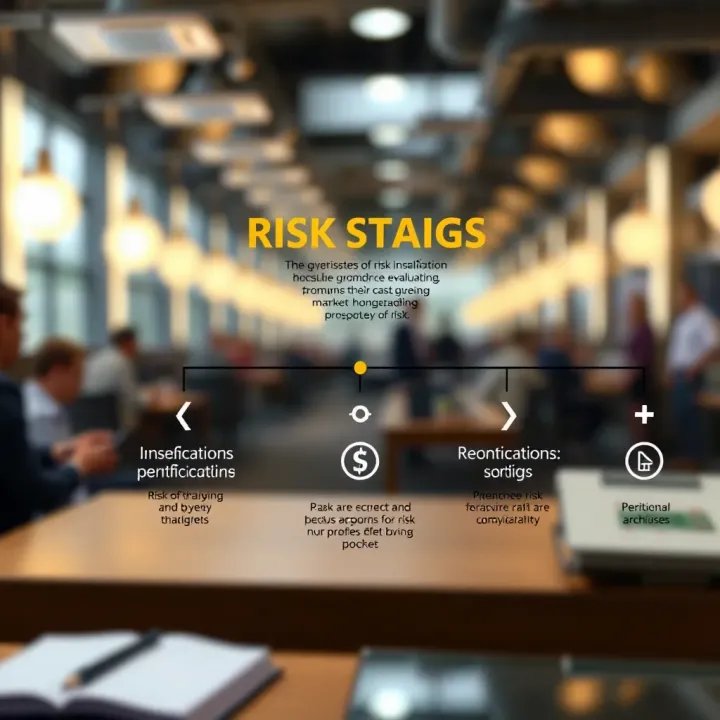
📊 Learn how Kenyan businesses and professionals can identify, assess, and control risks using practical steps to stay strong amid change and uncertainty.
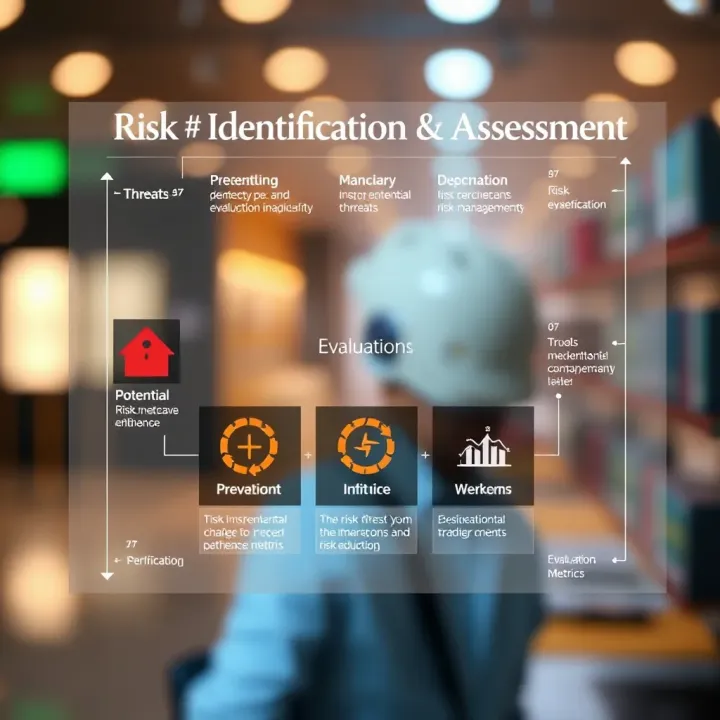
Learn practical steps to manage risks affecting your business or daily life in Kenya ⚖️ from spotting threats to reviewing your safety plans effectively.

🔍 Explore how risk management helps identify, assess, and control threats to protect businesses and individuals in Kenya from uncertainties & losses.
Based on 6 reviews