
Understanding Risk Management: Practical Guide
Explore practical risk management basics ➡️ understand key strategies, challenges, and how Kenyan businesses safeguard success effectively.
Edited By
Emily Carter
Risk management is not just a buzzword for big corporations; it is a practical necessity for investors, traders, financial analysts, brokers, and educators in Kenya. It helps you prepare for unexpected challenges that could disrupt your plans or investments. Whether you are managing a stock portfolio, running a small business, or organising financial strategies, understanding the core steps of risk management equips you to make better decisions.
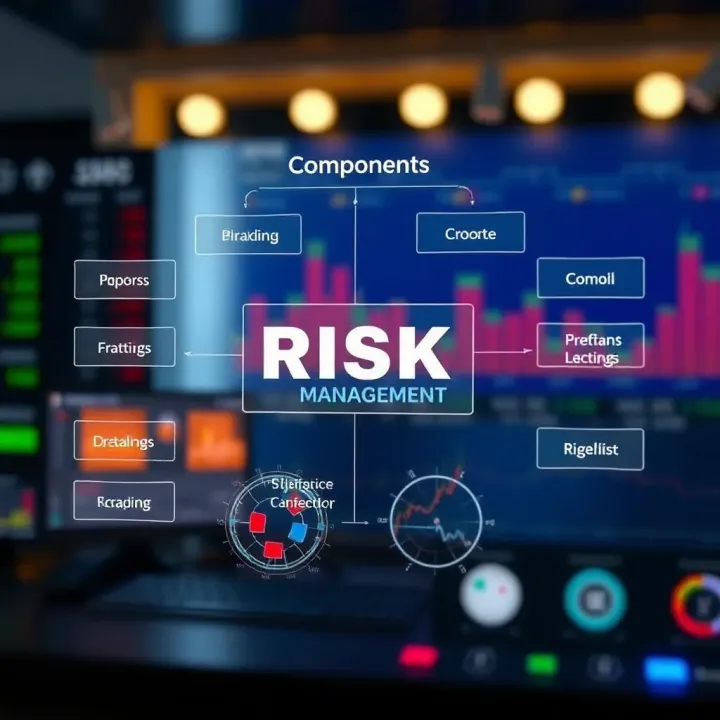
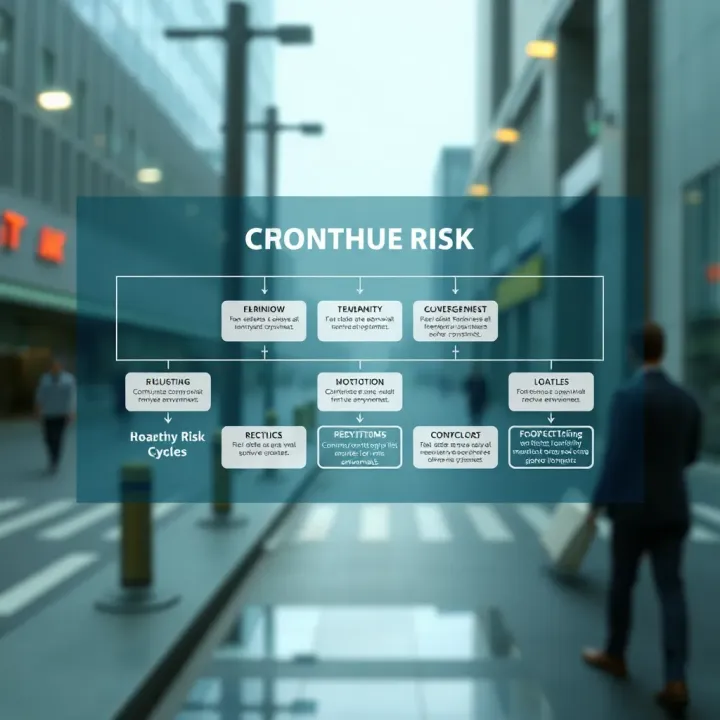
At its core, risk management involves a simple cycle: identifying risks, assessing their impact, deciding how to handle them, implementing plans, and monitoring the results. These steps work together to reduce threats before they cause serious damage.
Identifying Risks
Spot potential threats affecting your activities. For example, a trader might watch for currency volatility, while a local business could face supply chain delays during the rainy season.
Keep track of internal and external factors that might impact your goals.
Assessing Risks
Measure each risk’s likelihood and potential impact on your operations.
Use tools like risk heat maps or scoring systems to prioritise which risks need urgent attention.
Planning Responses
Decide on the best way to manage each risk: avoid, reduce, transfer (like through insurance), or accept it.
For example, a Kenyan farmer could diversify crops to reduce the risk of total loss from drought.
Implementing Measures
Put your risk response strategies into action. This could mean investing in a backup power generator, taking out insurance, or setting aside emergency funds.
Monitoring and Reviewing
Regularly check if your risk controls are working and update them as needed.
Markets and environments change fast. What worked last year might fall short today.
Managing risk is a continuous process. Staying vigilant and adapting to changes are the best ways to protect your interests.
Risk management processes are not one-size-fits-all. Kenyan investors might focus on political stability, inflation rates, or regulatory changes from bodies like the Capital Markets Authority (CMA). Meanwhile, educators may concentrate on risks related to funding or curriculum changes.
By methodically following these steps, you position yourself to face uncertainties confidently, reducing losses and seizing opportunities when they arise.
Recognising risks early on is a vital step in managing uncertainties effectively. In finance or business, spotting trouble before it grows allows you to prepare and mitigate potential damage, saving resources and maintaining stability. For instance, an investor who notices shifts in market trends or economic indicators can adjust their portfolio before losses pile up. Early recognition also means fewer surprises during operations or investments, which contributes to better decision-making.
The first practical task is identifying what risks could materialise. This involves looking beyond obvious threats to consider less visible ones. For example, a trader dealing in agricultural commodities should not only worry about price fluctuations but also factors like weather patterns, transport strikes, or policy changes in Kenya affecting exports. Tools like SWOT analysis (Strengths, Weaknesses, Opportunities, Threats) or scenario mapping help highlight these possibilities clearly. Observing past data trends, competitor behaviour, and even social and political developments provide important clues.
Gathering accurate information is key to understanding risks better. This means talking to different stakeholders who have diverse insights on potential issues. For example, a financial analyst researching a company can benefit from discussions with the board members, suppliers, and customers to grasp operational risks fully. In Kenyan settings, community feedback or consultations with local authorities can reveal risks that official reports might miss, such as infrastructure limitations or seasonal market slowdowns. Data from reliable sources like the Central Bank of Kenya and Nairobi Securities Exchange give an additional layer of validation. Combining hard data with stakeholder input broadens your view and reduces blind spots.
Early recognition of risks lets you plan smartly rather than reacting hastily. It forms the foundation for all following steps in risk management, ensuring your actions are based on a clear picture.
In summary, recognising risks earlier means being proactive in scanning your environment, questioning assumptions, and gathering diverse inputs. This approach not only strengthens your risk management but also builds confidence among investors and decision-makers by showing readiness and thoroughness.
Assessing the impact and likelihood of risks is a critical step in managing any uncertain situations effectively. This process helps businesses, investors, and financial analysts understand not just what risks exist but how those risks could affect operations or investments. By analysing both the seriousness (impact) and the probability (likelihood), decision-makers can focus their attention and resources on the most pressing threats.
The first part involves measuring a risk’s impact—the extent of damage it might cause if it happens. For instance, if a stock market downturn led you to lose 15% of your portfolio value, that’s a substantial impact. On the other hand, a supplier delay causing a minor operational hiccup has a lower impact. When assessing impact, consider financial loss, reputation damage, legal consequences, and operational disruption. In Kenyan terms, think of how a disrupted supply chain due to bad weather could halt production at a manufacturing plant in Athi River, leading to delayed deliveries and loss of customers.
Next, weigh how likely each risk is to occur. Some events, like currency fluctuations in the Kenyan shilling, happen frequently, while others, such as a tectonic event impacting Nairobi, are rare. You can quantify likelihood using historical data or expert views. For example, an investor might use past market trends to estimate the probability of a share price falling below a certain level. Tricky as it may be, this step benefits from practical inputs—such as consulting risk managers or reviewing KRA policy changes that could affect taxation.
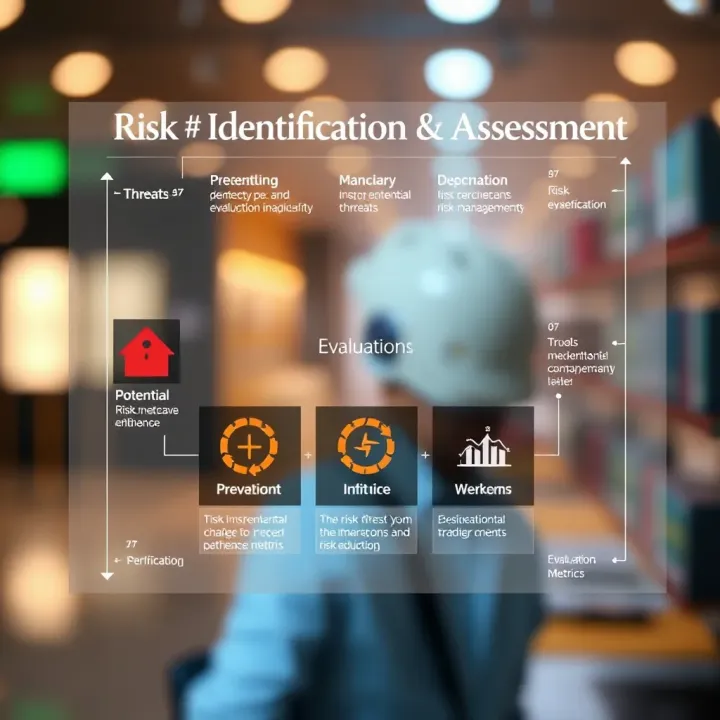
Once impact and likelihood are assessed, pair them to prioritise risks. This often takes form in a risk matrix, where risks rated high on both fronts become the immediate focus. For example, suppose a fintech company identifies cyber-attacks as having a high impact and a moderate to high likelihood. It makes sense to prioritise strengthening cybersecurity over less critical risks like minor office theft.
Prioritising risks means allocating scarce resources wisely—ignoring low-probability, low-impact risks saves time and money.
Assign numeric scores to impact and likelihood separately
Multiply or otherwise combine these scores for an overall risk rating
Rank risks from highest to lowest to guide action plans
In summary, this step provides a clear picture of which risks demand immediate attention, which ones can be monitored, and which may be accepted as a normal part of doing business. For Kenyan investors and traders, this targeted approach reduces guesswork and improves resilience against shocks in markets or operations.
Choosing how to deal with identified risks shapes the entire risk management process. This step determines the methods you use to protect your assets, reputation, or investments. Without clear decisions here, other efforts may waste time or resources. In business, deciding on risk responses helps keep operations smooth even under pressure, while in finance, it can mean protecting your portfolio from sudden market swings.
There are four main ways to manage risks: avoiding, reducing, transferring, or accepting them. Avoiding risk means steering clear of activities that could trigger trouble. For example, a trader might avoid investing in volatile stocks they don't understand well. Reducing risk aims to lower either the chance of happening or the potential damage. An example is a company installing fire safety systems to lessen fire damage.
Transferring risk means sharing or passing it to others. Many businesses use insurance to transfer risks like theft or natural disasters. Similarly, a farmer may hire security to guard expensive equipment, effectively transferring some security risk.
Lastly, accepting risk involves choosing to bear the possibility, often because it’s minor or the cost of managing it is too high. For instance, a small retailer may tolerate occasional power outages instead of costly backup generators.
Picking the right risk management option depends on the risk’s nature and how it fits with your overall goals.
Not all risk strategies suit every situation. Your resources, risk tolerance, and environment affect decisions. A financial analyst managing a large investment fund may prioritise transfer and reduction using derivatives and hedging. Meanwhile, an SME in Nairobi may lean towards risk reduction through tighter stock controls and rely more on insurance for transfer.
Understanding your context means evaluating which risks are manageable internally and which require outside help. Take time to involve your team or stakeholders who know the details — their insight reveals which methods won’t just look good on paper but actually work in practice.
For example, a trader working around the busy Nairobi Securities Exchange must consider trading hours, liquidity, and regulation when selecting risk strategies. Being practical about available tools and limits makes plans stronger and easier to stick to.
Deciding how to handle each risk is about selecting the best fit among avoiding, reducing, transferring, or accepting risks. By matching strategies to your specific context—whether in trading, business, or investment—you conserve resources and improve resilience. Remember, practical and realistic plans are more effective than ones based on assumptions or trying to cover all bases regardless of cost.
After deciding how to handle identified risks, the next step is to put those control plans into action. This phase ensures that the strategies don’t just sit on paper but are effectively applied to reduce or manage risks. Without proper implementation, even the most thoughtful risk plans can fail to protect your investment, project, or business activity.
Clear roles and responsibilities are essential to getting risk control plans off the ground. Someone must own each task, from monitoring early warning signs to enforcing risk mitigation actions. For instance, in a financial trading firm, a risk officer might lead the charge on monitoring market risks, while IT might handle cybersecurity measures.
Resources must be allocated to support these responsibilities. This includes budgets for technology, training for staff, or access to tools like risk assessment software. Take a local example: a jua kali workshop aiming to reduce workplace injuries needs to assign a safety supervisor and budget for personal protective equipment (PPE). Without these, the control plan will lack muscle.
Assigning ownership and providing resources ensures accountability and practical capability to manage risks effectively.
Timelines give risk management actions a sense of urgency and direction. When implementing risk controls, you should define when key tasks should be completed and review checkpoints scheduled. For example, a company introducing anti-fraud measures may set milestones for training completion within 30 days and system audits within 90 days.
Equally important are monitoring systems to track progress and detect new risks. Real-time dashboards or regular reporting can alert stakeholders if controls aren’t working or if unexpected threats arise. Traders might use automated alerts on trading platforms, while investment firms may run periodic risk reviews aligned with market cycles.
Regular monitoring enables timely course correction. It keeps the risk management cycle alive rather than a once-off event.
In summary, putting risk control plans into action is about clear assignment of duties, making sure resources are in place, timely execution, and continuous monitoring. These practical steps turn risk strategies into tangible safeguards, helping protect assets, operations, and investments against uncertainty in any context—including Kenyan businesses navigating financial and operational risks.
Effective risk management doesn’t end once control measures are in place. Keeping track and reviewing these efforts are essential to ensure that your strategies remain relevant and effective over time. This continuous oversight helps avoid surprises, allowing timely adjustments before risks escalate into problems.
Regular monitoring involves checking whether the risk control actions are functioning as intended. For investors, this might mean reviewing financial portfolios monthly to confirm if hedging strategies are mitigating market exposure successfully. A trader may track real-time market movements to ensure stop-loss orders are triggered correctly.
Monitoring should be systematic, using clear performance indicators. For example, a financial analyst managing credit risk could use default rates as a metric, while brokers handling commodity trades might track delivery accuracy or quality compliance. Using tools like dashboards or reports makes it easier to spot when risks stray beyond acceptable limits.
Consistency in these checks also enables early detection of new risks or evolving threats. Businesses need to establish a schedule for these reviews—quarterly or semi-annually might work well depending on the risk volatility.
Risk management is dynamic. New economic trends, regulatory changes, or technological developments can shift the risk landscape. Adapting plans based on updated data is key to staying protected.
For instance, if a new Central Bank policy affects interest rates, a financial institution should reassess its credit risk models immediately. Likewise, traders need to adjust strategies if geopolitical events cause sudden currency volatility. Learning from past risk events also sharpens future response—from analysing where a risk control failed to identifying opportunities to improve.
This review process should encourage feedback from all stakeholders. In Kenya’s financial sector, this might mean engaging with regulatory bodies like the Capital Markets Authority (CMA) for guidance on compliance risks or gathering frontline input from brokers and traders about market shifts.
In summary: keep your eye on how well your risk controls perform and stay willing to change course when facts on the ground evolve. This hands-on approach safeguards investments and builds resilience against the unpredictable.
Without continuous monitoring and willingness to adjust, even the best risk management plans may become outdated, exposing you to unnecessary losses.
Establish clear metrics for evaluating risk control effectiveness
Set a monitoring timetable that matches your risk environment
Collect and analyse data regularly to detect shifts or failures
Engage stakeholders for diverse insights
Update plans promptly in response to new information
By embedding these practices, investors, traders, and financial analysts can maintain stronger control over their risk portfolios, adapt to the fast-changing market conditions common in Kenya, and protect their financial interests more effectively.
Explore practical risk management basics ➡️ understand key strategies, challenges, and how Kenyan businesses safeguard success effectively.
Discover how to spot, assess, and reduce financial risks in your business. Stay compliant and monitor risks continuously to protect your investments 💼📉

Explore how Enterprise Risk Management frameworks help Kenyan businesses spot, evaluate, and handle risks to boost decision-making and resilience. 📊🔍

Explore how Kenya manages disaster risks through assessment, preparedness, response, and recovery. Learn the roles of communities, government, and partners 🌍🔥
Based on 10 reviews