
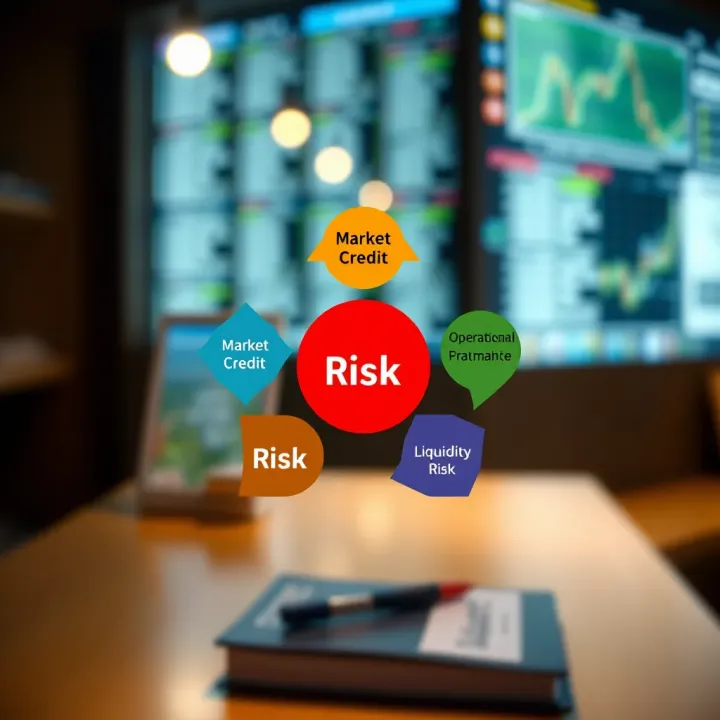
Understanding Financial Risk Management in Kenya
📊 Learn how financial risk management helps Kenyan businesses and individuals spot, measure, and control risks using practical tools and local resources.
Edited By
Emily Harris
Risk management is about spotting, assessing, and tackling potential threats that can impact an organisation’s goals. It’s especially relevant for Kenyan businesses and investors who face challenges ranging from fluctuating currency rates to shifting regulatory landscapes. Understanding the types of risk management helps you protect assets, maintain compliance, and stay on a steady growth path.
Broadly, risk management breaks down into four main categories, each addressing different risks and requiring tailored strategies:
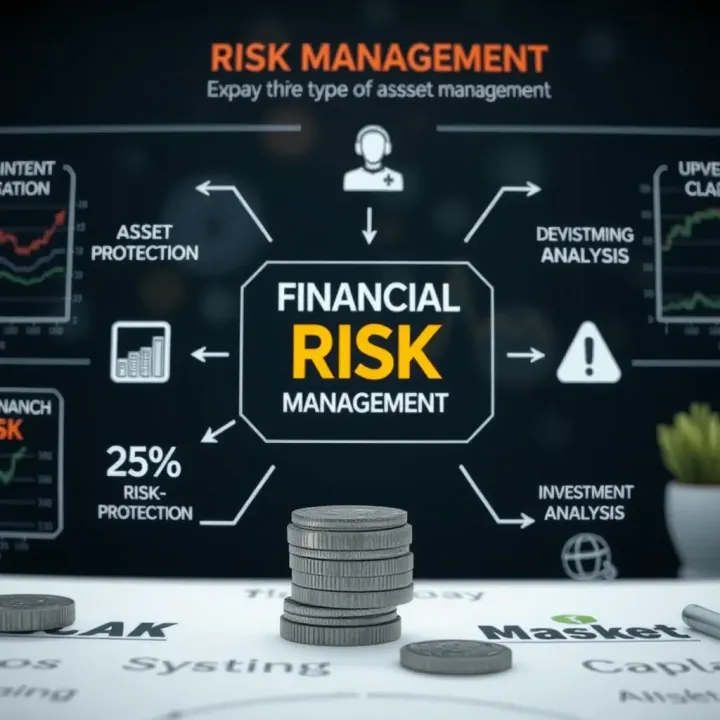
This type focuses on managing risks tied to money matters—like currency fluctuations, interest rates, credit default, and liquidity issues. For instance, a Kenyan exporter dealing with the shilling’s volatility against the dollar may use financial risk management tools like forward contracts or derivatives to minimise losses. Banks and investment firms heavily rely on this to safeguard portfolios and ensure profitability.
Operational risks stem from internal processes, systems, or people. These can include fraud, system failures, or supply chain disruptions. A Nairobi-based retailer depending on imported goods might face delays at the port, affecting stock availability. By identifying these weak spots and establishing contingency plans, businesses reduce downtime and protect customer trust.
Strategic risks arise from decisions affecting a company’s direction or external factors like competition and market shifts. For example, a Kenyan telco entering rural areas must consider if infrastructure costs outweigh projected revenues. Strategic risk management includes market research, scenario planning, and competitor analysis to guide leadership towards informed decisions.
Kenyan companies must comply with regulations from bodies like the Capital Markets Authority (CMA) or the Kenya Revenue Authority (KRA). Failure can result in fines or operational halts. Compliance risk management involves keeping up with laws, conducting regular audits, and training staff on standards such as tax laws or data protection rules.
Effective risk management blends these approaches to build resilience. It’s not about avoiding risk altogether but managing it smartly to seize opportunities while minimizing harm.
Together, these types form the backbone of sound risk practices in Kenya’s evolving economic environment. Whether you are an investor evaluating stock risks or a business owner navigating regulatory demands, recognising each risk type and how to handle it makes all the difference.
Risk management is a foundational practice for any business or organisation seeking long-term success, especially in Kenya's dynamic economic environment. It involves identifying potential problems before they happen, analysing their likelihood and impact, and then taking steps to reduce or control those risks. This process is not just about avoiding losses; it also helps businesses make smarter decisions, seize opportunities confidently, and maintain trust with stakeholders.
At its core, risk management is a systematic approach to handling uncertainty in business operations and strategy. It covers a range of activities from spotting hazards like financial market fluctuations or regulatory changes to setting up safeguards against them. For example, a small manufacturer in Nairobi might face risks such as supply chain disruptions caused by roadblocks or delays in customs clearance. By recognising these risks early, the business can explore alternatives like local sourcing or holding buffer stocks to keep production steady.
The importance of risk management reaches beyond just the bottom line. For businesses, it builds resilience that keeps operations running smoothly even when unexpected issues arise. In Kenya's fast-growing sectors such as fintech and agriculture, managing risks ensures innovations reach the market without costly setbacks. For investors and financial analysts, risk management provides a clearer picture of a company's stability and future prospects, supporting better-informed decisions.
On a societal level, good risk management by companies helps safeguard jobs, consumer interests, and the environment. When organisations follow regulatory guidelines and ethical practices, they reduce incidents that can harm communities or erode public confidence. Consider how a Nairobi-based bank's robust risk frameworks prevent fraud and promote data security, protecting millions of customers who rely on mobile money platforms like M-Pesa.
Effective risk management transforms uncertainty into manageable challenges, enabling businesses and society to thrive amid changing conditions.
Organisations in Kenya must remember risk management is not a one-off task but an ongoing culture. Regular reviews and open communication across departments ensure new threats are spotted and dealt with in time. Ultimately, understanding and practising sound risk management helps businesses safeguard their assets, support sustainable growth, and create value for all stakeholders.
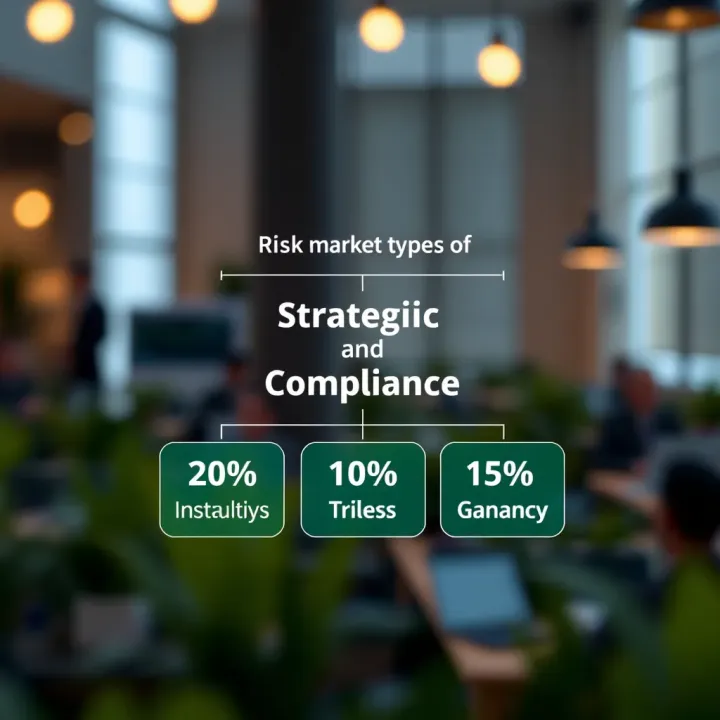
Financial risk management helps organisations and investors protect themselves from unexpected losses related to money. It’s about spotting where the cash flow or investments might go wrong and taking steps to reduce or control those issues. For Kenyan businesses, especially those involved in trading, banking, or investment, managing financial risks can be the difference between staying afloat or sinking.
Financial risks cover a range of challenges, from changes in currency values, interest rates, credit issues, to market unpredictability. For example, a firm exporting tea might face currency risk if the Kenyan shilling weakens against the dollar, causing them to receive less money than expected. Another common risk is credit risk, where a buyer fails to pay for goods, leaving the seller exposed. In Kenya’s volatile economy, these risks fluctuate with factors like political conditions, weather affecting exports, or changes in Central Bank of Kenya policies.
Organisations use several methods to manage these risks effectively. One popular method is hedging through forward contracts or futures to lock in exchange rates or commodity prices. For instance, a wheat miller in Kenya might sign futures contracts to stabilise ingredient costs despite price swings. Another tool is diversification, where investors spread their funds in different assets such as stocks, bonds, or real estate, lowering exposure to any single shock.
Risk assessment models like Value at Risk (VaR) help traders measure potential losses over a certain period under normal market conditions. Also, credit risk can be controlled by thorough credit checks and setting limits on how much clients can owe. Banks in Kenya, like Equity Bank and KCB, also use these techniques to keep their portfolios balanced.
In Kenya, financial risk management is visible in both big companies and small businesses. Safaricom, for example, faces risks from interest rate shifts affecting their borrowings or from changes in regulatory fees. Meanwhile, a local tea exporter might use currency hedging to secure predictable revenue. Also, brokers on the Nairobi Securities Exchange (NSE) regularly assess market risks to advise clients better.
Key considerations in Kenyan markets include the dominant use of M-Pesa payments, which lowers cash handling risks but introduces cyber risks. Also, the fluctuating prices of agricultural commodities mean farmers and traders must constantly manage price risks.
Managing financial risks is not just about avoiding losses; it enables businesses to plan confidently and invest wisely, supporting Kenya's growing economy.
In summary, financial risk management in Kenya involves recognising specific risks, choosing the right tools like hedging or diversification, and applying them in local business contexts to maintain stability and growth.
Operational risk management focuses on identifying and reducing risks that arise from everyday business activities. It plays a significant role in ensuring that processes, systems, and people work without causing unexpected losses or disruptions. In Kenyan organisations, effective operational risk management safeguards not only assets but also customer trust and regulatory compliance.
Operational risks cover a broad range of issues within a business. These include failures in internal processes like data handling errors or production mistakes, errors because of human factors such as employee negligence or fraud, and technical problems like system outages or cyberattacks. They also extend to events outside a company’s direct control, including natural disasters or supply chain interruptions. For instance, a power blackout affecting a Nairobi-based manufacturing unit can delay production and lead to lost contracts.
Organisations typically use several approaches to limit operational risks. First, regular staff training builds awareness about potential errors and fraud prevention. Second, establishing strong internal controls and checklists ensures processes are followed correctly. Third, investing in robust IT infrastructure and cyber security protects against system failures and breaches. Finally, emergency preparedness plans help businesses quickly respond to unexpected disruptions. For example, Safaricom’s disaster recovery system ensures M-Pesa services remain operational even during network failures, preventing major customer inconvenience.
Operational risk is not just about avoiding losses but also about maintaining steady business operations that build confidence among players, partners, and customers.
In the jua kali sector, many small artisans face operational risks daily, such as theft of tools, inconsistent supply of raw materials, or accidents at the workshop. Those who take simple steps like securing tools in locked spaces or forming cooperative groups to bulk-buy materials tend to manage these risks better.
Formal sectors, like banks and large corporates, implement comprehensive risk management frameworks. For example, Kenya Commercial Bank (KCB) employs strict operational policies, including multi-layered transaction checks to avoid fraud. Similarly, manufacturers in Athi River use preventive maintenance schedules to reduce machine breakdowns that can halt production.
In both sectors, operational risk management isn’t just about avoiding problems—it’s about creating reliable systems that keep business running smoothly. This reliability is crucial, especially in Kenya’s competitive and fast-growing market.
Strategic risk management plays a central role in ensuring organisations steer clear of threats that could disrupt their long-term goals. It involves identifying and handling risks that influence an organisation’s overall direction and market position. For businesses and investors in Kenya, where both formal institutions and the growing jua kali sector operate in dynamic environments, strategic risks can determine survival or failure.
Strategic risks are those uncertainties that directly affect an organisation’s ability to achieve its mission and objectives. They include changes in consumer preferences, shifts in government policies, new competitors entering the market, or technological disruptions. For instance, a Kenyan bank investing heavily in physical branches might face strategic risks due to the rise of mobile banking and digital wallets like M-Pesa that change customer behaviour dramatically. Similarly, a small-scale manufacturer could be at risk if import tariffs change suddenly, affecting raw material costs.
This type of risk tends to be broad and often interlinked with other risk categories such as financial or operational risks. Strategic risks usually stem from decisions on where to compete, what new products to launch, or how to respond to external market conditions. Because they affect the whole organisation, they require careful attention at the highest levels of management.
Organisations tackle strategic risks through a mix of forward-looking analysis and flexible planning. One common practice is conducting regular environmental scanning to monitor political, economic, social, and technological factors that could influence the business. Kenyan firms, for example, may track changes in county government regulations or regional East African Community (EAC) trade policies that could open or close markets.
Scenario planning is another useful tool. By imagining different possible futures, business leaders can prepare strategies that work under varying circumstances. A local retailer might plan for scenarios such as supply chain disruptions during the long rains or shifts in consumer spending during festive periods.
Integrating strategic risk management into decision-making also means promoting a culture that encourages early risk identification and open discussion among teams. This helps prevent sudden surprises and supports quicker course corrections. Moreover, some organisations use risk dashboards that allow top executives to monitor key risk indicators and ensure the strategy remains on track.
Managing strategic risks well helps organisations avoid costly mistakes and seize opportunities. It aligns long-term vision with practical realities.
In practice, Kenyan businesses that engage deeply in strategic risk management often outperform peers by adapting faster and allocating resources more wisely. Whether you invest in NSE-listed firms or run a medium-sized enterprise, understanding and managing strategic risks will enable better, more confident decision-making.
Compliance and regulatory risk management is a vital area for businesses operating in Kenya. It involves identifying and managing risks that arise from failing to follow legal standards, government regulations, or industry-specific rules. For companies listed on the Nairobi Securities Exchange (NSE), banks regulated by the Central Bank of Kenya (CBK), or SMEs navigating county-level licensing, the risk of non-compliance can lead to hefty fines, reputational damage, or operational shutdowns. Understanding these risks helps organisations stay on the right side of the law and avoid costly disruptions.
Legal and regulatory risks refer to potential losses or penalties faced when organisations do not meet the legal obligations set by various authorities. These risks might occur due to changes in laws, unclear regulations, or misinterpretation of compliance requirements. For example, failure to comply with Kenya Revenue Authority (KRA) tax obligations, such as timely filing through iTax, could result in penalties that erode profit margins. Similarly, not adhering to data protection laws, especially after the Data Protection Act came into force, risks customer trust and legal action.
Such risks are not just limited to national laws. Regional regulations from the East African Community (EAC) also affect trade and cross-border business operations, especially for exporters. Ignoring these regulations may cause import/export delays or even shipment seizures at borders, impacting cash flow and supplier relationships.
To manage compliance risks effectively, organisations often set up dedicated compliance departments or appoint compliance officers who monitor regulatory changes and ensure daily operations meet set standards. A practical step for many businesses is conducting regular internal audits, helping detect potential breaches early before regulators do. For instance, banks routinely audit their Anti-Money Laundering (AML) and Know Your Customer (KYC) practices to comply with CBK and Financial Reporting Centre (FRC) rules.
Training is another key aspect. Organisations invest in employee education to ensure everyone understands the legal framework they operate within. For small and medium enterprises, joining industry associations offers updates on legal changes and guidance on compliance strategies.
Besides internal efforts, many Kenyan firms use technology solutions to track compliance deadlines and automate reporting, reducing human error. This is crucial given the complexity of regulations ranging from tax filings, workplace safety, to environmental laws.
Managing compliance is a continuous process, not a one-time effort. Staying informed and proactive protects businesses from legal backlashes that can cripple operations.
To sum up, compliance and regulatory risk management in Kenya is about ongoing vigilance against legal pitfalls. Practical alignment with both Kenyan law and regional trade regulations safeguards a company’s reputation and financial health, paving the way for sustainable business growth in an often challenging regulatory environment.
📊 Learn how financial risk management helps Kenyan businesses and individuals spot, measure, and control risks using practical tools and local resources.

Explore how Enterprise Risk Management frameworks help Kenyan businesses spot, evaluate, and handle risks to boost decision-making and resilience. 📊🔍

Explore how Kenya manages disaster risks through assessment, preparedness, response, and recovery. Learn the roles of communities, government, and partners 🌍🔥

🔍 Explore how risk management helps identify, assess, and control threats to protect businesses and individuals in Kenya from uncertainties & losses.
Based on 8 reviews