

Understanding Risk Management Basics
🔍 Explore how risk management helps identify, assess, and control threats to protect businesses and individuals in Kenya from uncertainties & losses.
Edited By
Emily Harris
Risk management is a practical process that helps businesses and professionals spot potential problems before they get out of hand. In today’s Kenyan business scene, where unpredictability from economic shifts, climate changes, or regulatory updates is common, handling risk well means being ready to stay afloat and grow.
At its core, risk management involves identifying, assessing, and controlling risks to protect your goals. Whether you are investing in the Nairobi Securities Exchange (NSE), trading currencies, or managing a growing enterprise, understanding these steps can save you costly surprises.
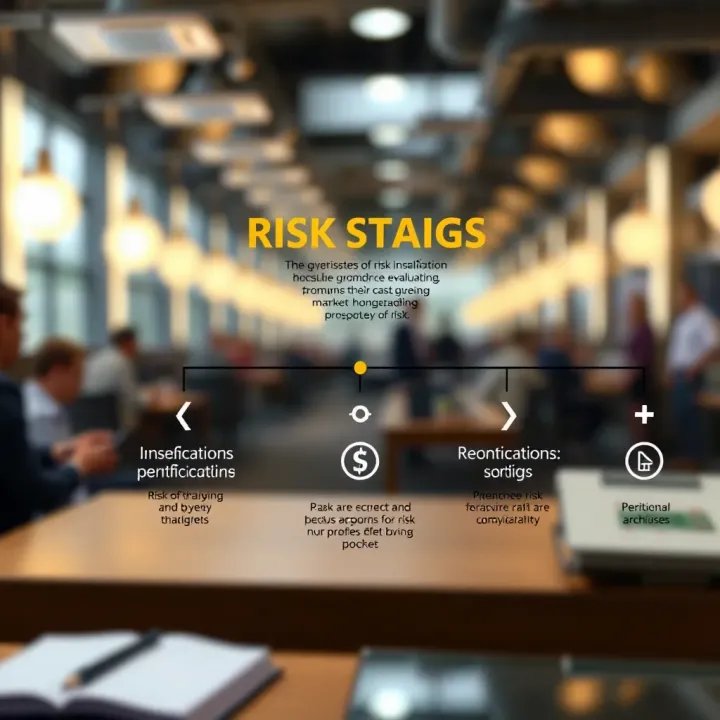
Effective risk management isn't about avoiding risks but managing them smartly to reduce impact and seize opportunities.
Risk Identification
This is where you list everything that might disrupt your plans. For example, a broker could face risks like sudden market crashes, delayed settlements, or currency fluctuations. Similarly, a trader might consider risks from fluctuating M-Pesa transfer fees or regulatory changes.
Risk Assessment
Here you judge how likely each risk is and what damage it could do. Assigning realistic probabilities and impact levels helps prioritise which risks need urgent attention. For instance, a financial analyst might evaluate how a proposed tax policy affects different stocks or sectors.
Risk Control Strategies
After assessing, it's about taking steps to reduce risks. Controls could include diversifying investment portfolios, setting stop-loss orders, or securing insurance. Kenyan SMEs might consider strengthening internal controls or training staff to handle cybersecurity threats.
Monitoring and Review
Risks evolve; what was once low risk could rise quickly. Regular follow-up ensures your risk controls remain effective. Keeping abreast with Kenya Revenue Authority (KRA) policies, NSE updates, or changes in county regulations is part of this.
Imagine a trader using M-Pesa for business payments. Sudden changes in Fuliza overdraft terms could disrupt cash flow. By regularly reviewing mobile money terms and diversifying payment methods (like adding bank transfers or card payments), the trader manages that risk.
Similarly, a financial analyst preparing investment advice should continuously watch NSE trends and macroeconomic signals such as inflation or political developments, adjusting recommendations timely.
Managing risks actively, with real-time information and practical controls, helps Kenyan professionals and businesses handle uncertainty, minimise losses, and maintain steady progress.
Identifying risks is the first step in managing any threat that could affect your organisation or investment. It involves pinpointing potential problems before they happen, so you can prepare or avoid them altogether. In the context of Kenyan businesses and financial activities, recognising risks early helps prevent costly surprises and supports better decision-making.
Operational risks within the organisation usually come from internal processes, staff actions, or system failures. For example, a financial institution might face risks from inadequate IT systems or errors in transaction processing. These can lead to delays or losses, directly affecting profitability. Being aware of such risks means you can tighten controls, train staff properly, and upgrade systems in good time.
Market and economic risks from outside sources happen when external factors impact your operations. A trader relying on imports might be affected by exchange rate fluctuations or supply chain disruptions. Kenya's dependence on global markets means these risks are real and unpredictable. Keeping an eye on economic indicators, such as inflation or currency trends, allows investors and traders to hedge or diversify their portfolios effectively.
Legal and regulatory risks specific to Kenya involve changes or enforcement of laws that affect how you do business. For instance, updates by the Capital Markets Authority (CMA) or the Kenya Revenue Authority (KRA) can alter compliance requirements, taxation, or trade rules. Ignoring these risks can lead to penalties or business interruptions. Staying informed through official channels and legal advisors is essential to avoid falling foul of the law.
Brainstorming with relevant teams involves gathering people from different departments to discuss potential risks collectively. This method draws on diverse perspectives and experiences, uncovering issues that might not be obvious to one person alone. For example, including sales, finance, and IT teams in a session can reveal operational gaps or market threats that need addressing.
Analysing past incidents and data trends means looking back at previous problems or patterns to predict future risks. A broker could review historical market volatility to adjust trading strategies, while a company might examine past workplace accidents to improve safety. This approach relies on good records and honest assessment to prevent repeating mistakes.
Consulting industry experts and stakeholders adds an external viewpoint grounded in experience and specialised knowledge. Engaging with regulators, investment analysts, or sector leaders can highlight emerging threats or opportunities that internal teams might miss. For example, an educator involved in financial literacy programmes might share insights on regulatory changes affecting investors, helping businesses adjust proactively.
Spotting risks early requires combining internal knowledge with external insights. This mix ensures a thorough understanding of what could undermine your objectives in Kenya's dynamic environment.
By recognising both the sources and methods of identifying risks, businesses, investors, and professionals in Kenya can take steps to protect their interests effectively.
Assessing and prioritising risks is a vital step in managing uncertainties effectively. It helps organisations and investors pinpoint which threats could cause the most harm and allocate resources wisely. Instead of trying to handle every risk, focus is placed on those that demand immediate attention due to their potential impact and likelihood. This approach saves time, money, and effort—especially critical in Kenya’s dynamic financial and business environment.

Estimating the money a risk might cost is crucial. For example, if a trader faces a volatile currency market, assessing how exchange rate swings could affect their portfolio helps decide how much exposure to take. This calculation often includes direct losses, such as damages or fines, and indirect costs like downtime or lost business. Kenyan firms might analyse historical losses or simulate scenarios to quantify this; say, a matatu insurance premium rising due to accident risks.
Not all harm is financial. Risks to reputation can dent customer trust and reduce market share for brokers or financial analysts. If a scandal touches a bank’s sustainability practices, even minor, it might scare clients away. Likewise, operational risks—like a software glitch halting M-Pesa transactions—can disrupt service and revenue. Evaluating these intangible effects alongside financial figures offers a fuller risk picture, helping stakeholders avoid shortcuts that could cause long-term damage.
Understanding how likely a risk is to happen helps prioritise action. An organisation may face a low chance of cyber-attacks, but such incidents carry severe consequences, so they might still rank high. Conversely, small, frequent glitches could be managed with routine procedures without major budget allocation. Kenyan enterprises often rely on data trends, expert opinions, and past experience, blending them to gauge risk likelihood in their specific context.
A risk prioritisation matrix plots risks on two axes: impact severity and probability. A financial analyst, for example, might chart currency depreciation risks versus their likelihood during election periods. Risks falling in the high-severity, high-likelihood quadrant get top priority. This visual tool simplifies complex decisions, making it clear where to concentrate efforts and resources.
Limited budgets require that organisations target major threats first. For instance, a manufacturer in Kenya might invest more in fire prevention for high-risk zones rather than minor machinery wear and tear. By focusing on significant risks, the returns on investment in controls and training become clearer, improving safety and stability.
Risk landscapes shift. Election results, economic slowdowns, or regulatory changes can alter what’s urgent. A risk considered low yesterday may rise sharply tomorrow—maybe new laws affect tax compliance for traders. Therefore, continuous monitoring is necessary. Adapting the matrix ensures that an organisation remains prepared and responsive to fresh challenges.
Effective risk assessment is not a one-off action but an ongoing process that guides smarter decisions and helps maintain resilience amid Kenya’s fast-changing economic and business scene.
This approach ensures that Kenyan investors, traders, and financial professionals stay ahead, making practical choices that protect their assets, reputation, and future growth.
Developing risk response strategies forms the backbone of effective risk management. This stage determines how an organisation addresses identified risks to protect its operations and goals. Without clear response plans, risks remain mere possibilities, but with action strategies, they become manageable challenges. Kenyan businesses, whether in Nairobi’s bustling financial district or Kisumu’s growing trading centres, stand to benefit greatly by tailoring responses that suit their specific risk profiles and resources.
Changing processes to remove risk sources involves revising workflows or systems to eliminate what causes the risk. For example, a firm dealing with frequent delays in goods delivery might change its supplier or overhaul its logistics process. Eliminating the root cause early saves costs and reduces disruptions. In Kisumu’s tea factories, some managers switched to digital tracking for shipments after repeated losses, significantly cutting risk.
Stopping risky activities when feasible means completely halting operations or steps that bring unacceptable dangers. A business might stop using hazardous chemicals if safer alternatives exist or suspend a product line that fails compliance. While this may cause short-term inconvenience or loss, it prevents potentially bigger problems like accidents, fines from regulatory bodies such as KEBS (Kenya Bureau of Standards), or brand damage.
Implementing safety measures and controls reduces the chance or severity of risks. Installing fire extinguishers, reinforcing building structures in earthquake-prone areas near the Rift Valley, or adopting stricter cash handling rules are examples. These measures provide layers of defence which lessen the impact if things go wrong.
Training employees on risk awareness equips staff to identify, report, and deal with risks effectively. Nairobi-based firms often run workshops about cyber security to avoid data breaches, a growing threat in Kenyan finance and tech sectors. Well-informed employees act as the first alert system in organisations.
Using technology and tools to manage risks is increasingly vital. Kenyan banks rely on advanced fraud detection software tied to M-Pesa transactions. Agricultural businesses adopt weather forecasting apps to decide planting times, reducing climate-related risks. These tools bring precision and speed to risk management.
Using insurance and contracts to transfer risks helps shift risk impacts away from the business. A manufacturer in Eldoret, for instance, buys insurance against fire damage, ensuring they don’t bear the full financial burden if disaster strikes. Similarly, contracts with suppliers may place responsibility for delays on the vendor, protecting the buyer.
Deciding when to accept minor risks involves recognising that some risks cost more to prevent than enduring the consequences. A Jua Kali metalworker might accept occasional equipment breakdowns knowing repair expenses are lower than constant preventive replacement costs. This balance avoids over-investing in risk control.
Balancing risk versus cost of response requires assessing whether the cost of risk treatment is justified by the reduction in potential loss. Large corporations might afford comprehensive risk controls, while small businesses choose cost-effective, targeted responses. Understanding this balance ensures resources focus where they matter most.
Implementing well-thought-out risk response strategies not only safeguards assets but also builds resilience and confidence for future growth.
By developing and tailoring these strategies carefully, Kenyan organisations can turn uncertainties from threats into manageable affairs, keeping their operations stable amid changing environments.
A risk management plan is only as good as its implementation. This phase turns planning into action, ensuring that all strategies designed to handle risks are executed effectively. Without proper implementation, even the most thorough risk assessment and response strategies remain just on paper, exposing organisations to avoidable losses. For Kenyan businesses, which often operate under tight budgets and dynamic environments, a clear implementation plan provides structure and direction, enhancing resilience against disruptions.
Assigning risk owners and teams is vital for accountability. Each identified risk should have a designated person or team responsible for monitoring and managing it. This prevents confusion and ensures timely action when issues arise. For example, in a manufacturing firm in Nairobi, the maintenance team might be assigned to handle machinery failure risks, while the finance department manages currency fluctuation risks. Clarity in ownership avoids repeated mistakes and keeps risk mitigation on track.
Ensuring clear flow of risk information maintains transparency and responsiveness. Organisations benefit when risk updates and incidents flow smoothly from frontline teams to management and vice versa. This means regularly sharing reports about emerging risks, near misses, or changing conditions. For instance, a bank’s branch staff should report suspicious transaction patterns promptly to the compliance unit to prevent fraud. Clear communication channels reduce delays in responding to threats and encourage a proactive culture.
Using local languages and tools for clarity enhances understanding, especially in diverse workplaces. While English might be the official language, communicating risk-related information in Swahili or local dialects can improve comprehension among staff with limited English skills. In addition, using accessible formats such as visual charts or mobile messaging apps helps widen reach. A county hospital, for example, can circulate safety procedures using simple Swahili messages via WhatsApp groups, ensuring all health workers grasp critical steps.
Budgeting for risk controls and training ensures that risk responses are practical and sustainable. Adequate funds must be set aside to buy necessary safety equipment, software, or to hold staff training sessions. Without such budgeting, risk strategies cannot be fully actualised. A small business dealing in foodpacking in Kisumu, for example, might allocate part of its budget to buy temperature monitors to control spoilage risks and also train workers on hygiene standards.
Seeking support from leadership and stakeholders strengthens commitment and resource mobilization. When top management backs risk plans, it becomes easier to secure funding, enforce policies, and inspire buy-in across the organisation. Similarly, involving stakeholders—such as investors or regulators—in risk planning builds trust and aligns expectations. For instance, a construction company in Mombasa may present its risk mitigation approach to clients and financiers to demonstrate preparedness, which can influence contract awards positively.
Implementation turns good risk management plans into real protection. Clear roles, communication, and resources are the pillars that uphold effective risk control.
By focusing on these elements, organisations in Kenya can manage risks not as distant worries but as tangible challenges they are ready to tackle head-on.
Continuous monitoring and reviewing of risks are essential to keep your risk management efforts effective over time. It helps catch any changes early and ensures controls remain relevant as your business or market conditions evolve. For instance, a financial analyst tracking currency forecasts must adjust risk strategies immediately when new economic data emerges or political shifts occur.
Using key risk indicators means keeping an eye on specific signs that suggest risk levels might be rising or changing. These indicators could be anything measurable, like market volatility indexes, credit default rates, or the frequency of compliance breaches within a firm. For example, a broker might watch the Nairobi Securities Exchange (NSE) volatility trends as an indicator for potential portfolio risks. Regularly tracking these lets you react swiftly before issues escalate.
Reporting and analysing near misses and actual events is equally important. Near misses—incidents that could have caused harm but didn’t—offer valuable insight into weak points in your systems. For example, a trader noticing a near miss in execution errors can investigate and adjust processes to prevent future losses. Analysing these alongside actual risk events builds a clearer picture of what’s going wrong or working well, enabling better decision-making and improved safeguards.
Reviewing risk plans regularly ensures your strategies do not become outdated. Business environments, regulations, and technologies continuously shift, making old plans less relevant. A risk assessment done in January might miss out on new cybersecurity threats identified by June. Regular reviews—quarterly or bi-annually—help organisations recalibrate priorities and resource allocation to address fresh challenges effectively.
Adapting to new risks and changes in environment is vital for resilience. Take the recent example of fluctuations caused by global supply chain disruptions—organisations that quickly recognised and adapted to these emerging risks managed better. This could mean updating the risk matrix to include new threats such as cyber fraud schemes or political unrest in neighbouring countries affecting trade. Being flexible and responsive allows Kenyan businesses and financial professionals to stay ahead rather than lag behind risks.
Monitoring risks is not a one-off task; it requires ongoing attention and adjustment to protect against surprises and minimise losses. It’s like steering a matatu through Nairobi traffic—constant awareness and quick adjustments keep you on course.
By integrating continuous risk monitoring and updates into your daily operations, you build a culture that is alert, prepared, and proactive in managing uncertainties. This approach safeguards your investments, reputation, and operational stability over the long run.
🔍 Explore how risk management helps identify, assess, and control threats to protect businesses and individuals in Kenya from uncertainties & losses.
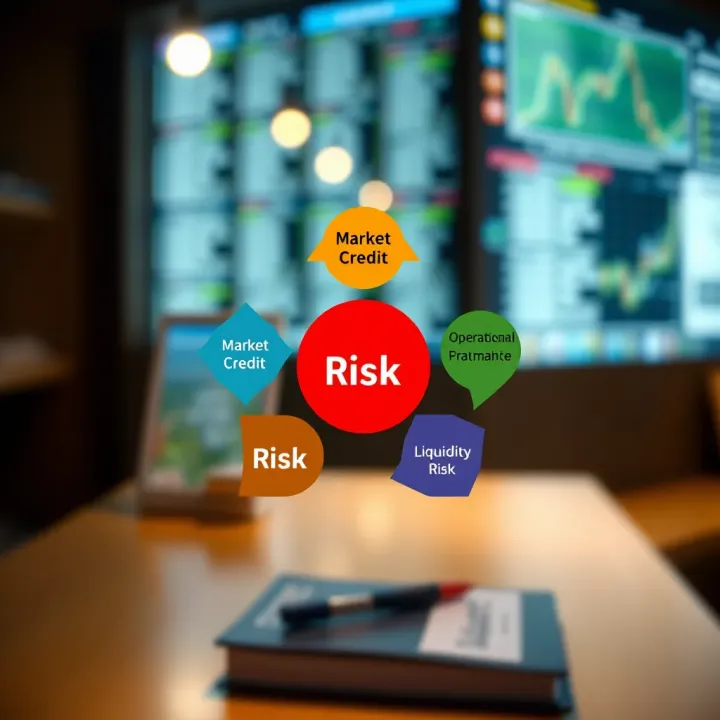
📊 Learn how financial risk management helps Kenyan businesses and individuals spot, measure, and control risks using practical tools and local resources.
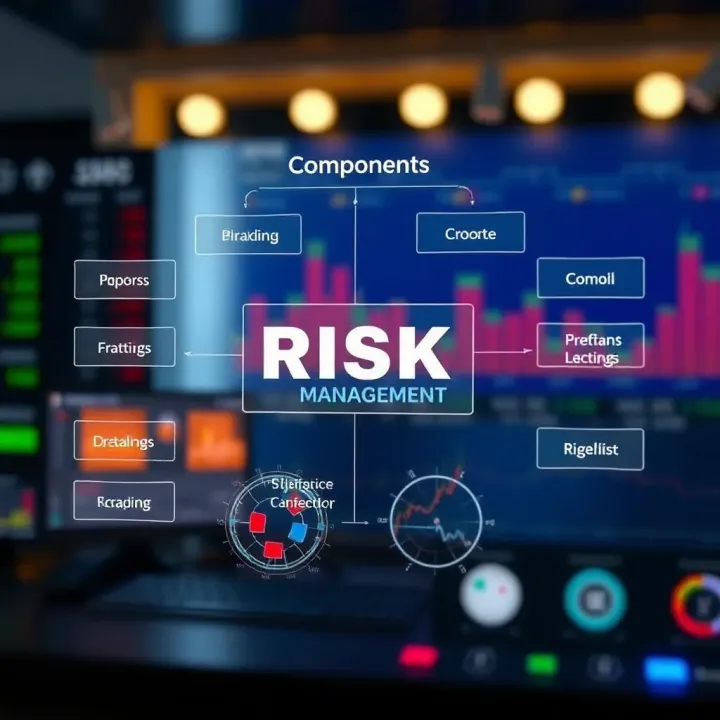
Explore practical risk management basics ➡️ understand key strategies, challenges, and how Kenyan businesses safeguard success effectively.
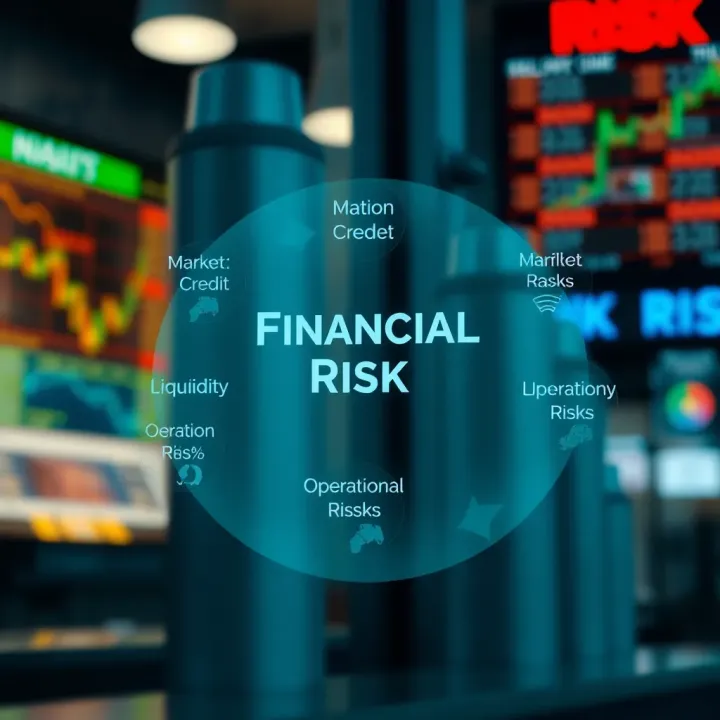
Discover how to spot, assess, and reduce financial risks in your business. Stay compliant and monitor risks continuously to protect your investments 💼📉
Based on 9 reviews