
Understanding Risk Management Steps
📊 Learn how Kenyan businesses and professionals can identify, assess, and control risks using practical steps to stay strong amid change and uncertainty.
Edited By
Amelia Hughes
Risk management is a vital practice for any organisation, especially in Kenya's dynamic business environment. It involves spotting potential threats that could disrupt your operations and finding ways to reduce or handle those risks before they cause harm. Whether you're a trader watching market fluctuations or an investor analysing company performance, understanding this process helps protect your financial interests and ensure steady growth.
The risk management process breaks down into clear, actionable steps, each building on the last. First, you identify the risks your business faces—this could be anything from fluctuating currency rates affecting import costs to the reliability of matatu services influencing staff punctuality. Next, assess these risks to understand their likelihood and possible impact. For instance, how likely is a supplier delay, and what effect would it have on your production?
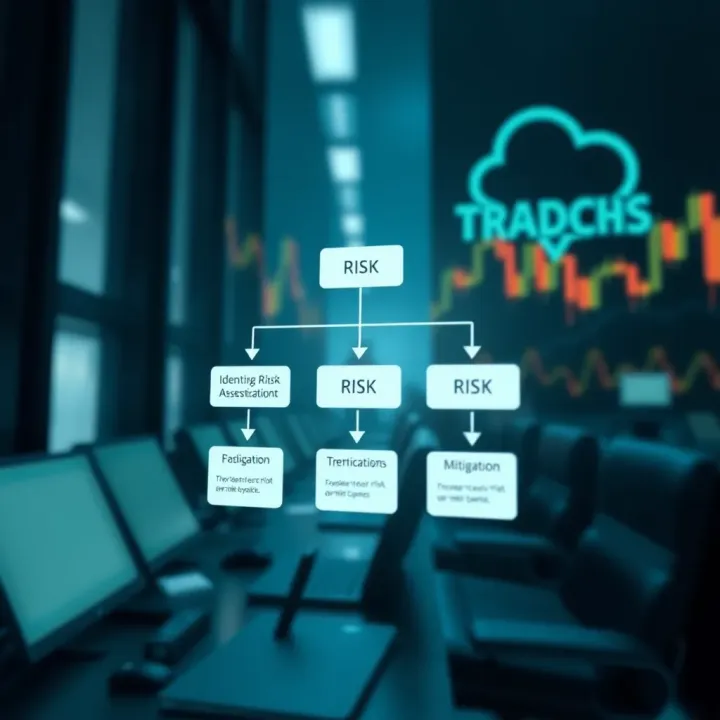
After assessing, you move to controlling the risks using various methods. Sometimes, that means transferring the risk—like buying insurance for your goods or using contracts to secure payment terms. Other times, you might avoid a risky venture altogether or reduce risk by diversifying suppliers or investing in backup power sources. Finally, continuous monitoring ensures that your risk strategies stay effective as market conditions or internal factors change.
Throughout the risk management process, documentation and clear communication are key. They keep all stakeholders aligned and help you adjust tactics promptly.
Here's a quick overview of the key steps:
Identify Risks: Look at all factors that could cause loss or disruption.
Analyse Risks: Measure how likely and severe these risks are.
Evaluate Risks: Prioritise risks based on their potential impact.
Treat Risks: Choose ways to manage, transfer, reduce, or accept the risks.
Monitor and Review: Keep an eye on risks and control measures regularly.
By following these steps, Kenyan businesses can better secure their operations against unexpected problems, from economic changes to logistical challenges. It's not about eliminating all risks—impossible anyway—but managing them so your business can thrive despite uncertainties. This approach builds resilience and creates confidence for investors, employees, and customers alike.
Risk management is a vital aspect of running any business in Kenya today. It involves recognising potential threats that could disrupt operations and then taking steps to reduce their impact. Without a proper risk management process, businesses can find themselves struggling to survive sudden challenges like market shifts, regulatory changes, or even unexpected costs.
A practical example can be seen in how a Nairobi-based supplier manages currency fluctuations when importing goods. By anticipating changes in the exchange rate, the company can avoid sharp losses or budget overruns by locking in rates or diversifying suppliers. This illustrates how good risk management supports financial stability and helps businesses stay competitive.
Understanding why risk management matters is the starting point for any organisation serious about longevity. In the fast-changing Kenyan business environment, risks come from many directions — political, economic, environmental, or operational. Proper management lets you spot these early and plan accordingly.
For instance, traders dealing with agricultural products know that seasonal weather affects supply and pricing. By planning ahead for drought or heavy rains, they maintain steady stocks and pricing, avoiding losses that could close their business. Risk management also reassures investors and lenders that the business can handle setbacks, improving access to capital.
Effective risk management is not about avoiding risks entirely but about making informed decisions to protect and grow your business.
Kenyan businesses face various types of risks, each requiring attention:
Market Risk: Changes in demand, prices, or competition, like during economic slowdowns or price hikes on raw materials.
Credit Risk: When customers or partners delay or default on payments, affecting cash flow.
Operational Risk: Failures in internal processes, such as inventory management errors or system breakdowns.
Compliance Risk: Failing to meet government regulations, which can lead to penalties — for example, not adhering to KRA (Kenya Revenue Authority) tax rules.
Environmental Risk: Impacts from floods, droughts, or other natural events common in Kenya.
Technological Risk: Cybersecurity threats or outdated equipment that disrupt business activities.
Each risk type has practical steps for identification and control. Kenyan businesses that regularly assess these areas tend to avoid surprises and remain resilient even under pressure.
This section sets the stage for exploring the detailed risk management process, helping investors, traders, and financial professionals grasp how to safeguard their ventures in the Kenyan context.
The risk management process is a series of clear steps that help organisations handle uncertainties effectively. For investors, traders, financial analysts, and educators in Kenya, following these steps ensures you identify potential problems before they escalate, measure their impact, and respond in ways that protect your investments or business activities.

Identifying risks means spotting anything that could threaten your objectives. This includes everything from political instability in the region to unexpected market shifts or changes in regulations. Common methods include brainstorming sessions with team members, reviewing past reports, and interviewing stakeholders to get a full picture. For example, a trader might look at past price volatility to identify risk triggers.
Tools such as SWOT analysis (Strengths, Weaknesses, Opportunities, Threats) and PESTLE analysis (Political, Economic, Social, Technological, Legal, Environmental factors) are very useful. These tools help break down complex environments into understandable bits. Technology like specialised risk management software or data dashboards also aids by tracking changing conditions and flagging emerging risks early.
Once risks are identified, analysing their likelihood and impact follows. Qualitative analysis might use expert judgement or rankings like high, medium, or low risk. Quantitative analysis involves numbers – for example, calculating potential financial losses or probability percentages. Kenyan businesses often balance both approaches to suit available data and resources.
Not every risk demands the same attention. Prioritisation helps focus on the risks that could cause the greatest damage. For instance, a financial analyst should prioritise risks that might wipe out a big chunk of portfolio value, whereas smaller risks might be accepted without intense controls.
You have four main ways to handle risks: avoid them completely by changing plans, reduce their likelihood or impact through safety measures, transfer them to someone else (like insurance or outsourcing), or accept some risks when the cost to fix them is too high compared with benefits. A Kenyan business investing in agro-processing might transfer weather risks by partnering with a reliable insurance provider.
After deciding on a response, putting controls in place is key. These can be policies, procedures, or technologies designed to keep risks in check. For example, a stockbroker may implement stop-loss orders to prevent big losses when markets turn volatile abruptly.
Risk environments never stay static. It’s vital to have systems that watch changes continuously. Dashboards that track market indicators or alert investors to regulatory changes ensure timely action. Nairobi-based firms often use software that pulls real-time data from NSE and other sources.
Risk management is not a one-off event. Periodic reviews uncover new risks or show if old methods need adjustment. Practices should evolve as markets and technologies change — a Kenyan fintech firm, for instance, may upgrade security controls as cyber threats grow more sophisticated.
Risk management works best when treated as a continuous cycle rather than a set-it-and-forget-it task. Staying alert and agile keeps your investments and operations safer over time.
By mastering these steps, Kenyan professionals can strengthen their approach to risk, providing a solid foundation for safer decision-making in today's fast-shifting financial and business landscapes.
Integrating risk management into business operations ensures that managing uncertainties is not a one-off activity but a continuous, embedded practice within organisational life. When risk management becomes part of daily processes, firms can respond faster and more effectively to emerging threats or opportunities. For investors and financial analysts, this integration means that risks are accounted for in real time, improving decision-making and safeguarding assets.
Leadership sets the tone for risk culture in an organisation. Without buy-in from the top, risk management often ends up as a tick-box exercise. Governing bodies and boards must provide clear policies and oversight, making risk management a priority aligned with the business strategy. For example, a financial firm where senior management regularly reviews risk reports and enforces compliance standards tends to spot issues like credit defaults earlier. Governance frameworks also establish accountability—knowing who is responsible for what risk ensures faster corrective action.
Employees at all levels play a crucial role in spotting and responding to risks. Regular training helps staff understand the types of risks the business faces and their part in managing them. For instance, traders who receive updates on regulatory changes affecting foreign exchange markets will avoid costly errors. Practical workshops or scenario planning sessions boost awareness and prepare teams to act decisively. Training should also cover reporting mechanisms, so potential risks, whether operational glitches or fraud suspicions, reach the right people promptly.
Technology enables organisations to monitor and analyse risks efficiently. Tools like data analytics platforms and risk dashboards can flag unusual market movements or transactional patterns for closer inspection. In Kenya, many banks integrate M-Pesa data analytics to detect suspicious activities early and reduce fraud risk. Automated alerts, alongside manual checks, help maintain vigilance without overburdening staff. Investing in such tools also supports compliance with regulatory bodies like the Capital Markets Authority (CMA) and Kenya Revenue Authority (KRA).
Embedding risk management into everyday operations not only limits losses, but also creates a proactive environment where risks are managed before they escalate.
Overall, integrating risk management requires leadership commitment, informed employees, and appropriate technology working together. This approach makes businesses stronger and more adaptive in Kenya’s dynamic economic landscape.
Effective risk management offers practical benefits to businesses and investors across Kenya. It helps spot potential problems early, saving costs and protecting reputation. Without it, firms might face unexpected financial hits or operational disruptions. This section highlights how a strong risk process bolsters business stability, alongside the obstacles companies may encounter during implementation.
A sound risk management process allows businesses to make informed decisions by understanding hazards clearly. For instance, a Nairobi-based trader who regularly assesses currency risk can better time forex transactions and avoid losses caused by sudden shilling fluctuations. Risk management also enhances compliance with regulatory standards, reducing the chance of fines or legal issues.
Besides financial gains, risk management promotes operational resilience. A firm in Mombasa preparing for seasonal weather impacts on its logistics ensures timely deliveries and maintains customer trust. Such preparedness can translate into a competitive edge. It also builds confidence among investors and partners, knowing the company actively safeguards its assets.
Furthermore, controlled risks pave the way for innovation. When risks are transparent and measured, a business might venture into new markets or products without reckless exposure. This balance between caution and opportunity is a key benefit.
Despite these advantages, many Kenyan companies struggle with risk management for various reasons. One hurdle is limited access to reliable data, especially in smaller firms or informal sectors. Without accurate risk information, decision-making might rely on guesswork rather than facts.
Another challenge is the lack of trained personnel. Risk management requires skills in analysis and strategic planning, but many organisations find it difficult to recruit or train staff qualified in these areas. This situation is common in the hustler economy, where businesses operate with minimal formal structures.
Moreover, resistance to change within organisations can slow down risk initiatives. Leadership might not prioritise risk assessment or fear that acknowledging risks signals weakness. Such attitudes lead to patched-up responses rather than proactive strategies.
Finally, integrating risk management into day-to-day operations poses a coordination challenge. For example, a manufacturing company in Eldoret might find it tough to align departments such as procurement, finance, and production under a unified risk approach. This fragmentation reduces the effectiveness of controls.
Building a culture that values risk awareness at all levels, backed by practical tools and training, helps Kenyan businesses turn challenges into manageable steps toward safer growth.
Understanding these benefits and obstacles equips investors, traders, and financial analysts with a realistic outlook to strengthen their risk procedures. The goal is to balance risk with opportunity, not to avoid it entirely.
📊 Learn how Kenyan businesses and professionals can identify, assess, and control risks using practical steps to stay strong amid change and uncertainty.

🔍 Explore how risk management helps identify, assess, and control threats to protect businesses and individuals in Kenya from uncertainties & losses.
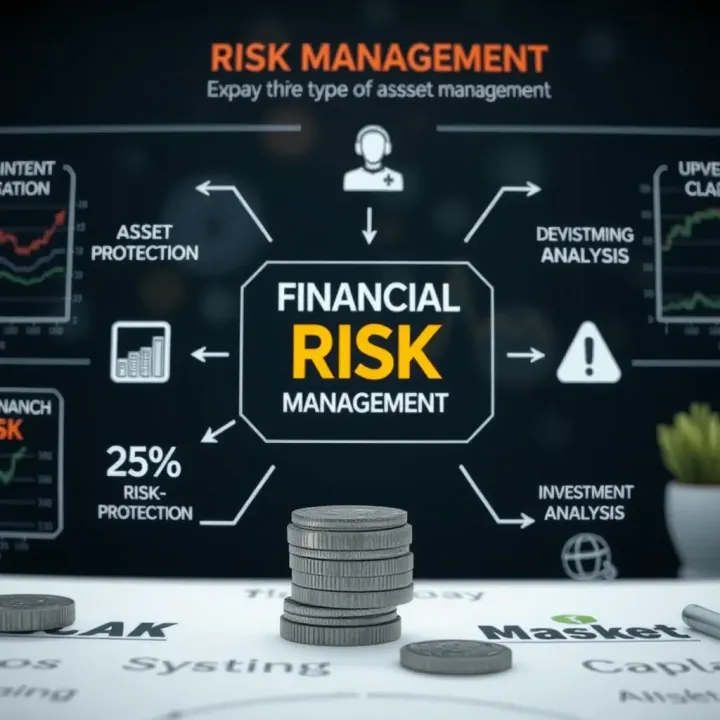
Explore key types of risk management in Kenya's businesses 🇰🇪. Learn how financial, operational, strategic & compliance methods protect assets & ensure stability.
📊 Understand the risk management process clearly, from spotting risks to checking controls. Learn how this protects Kenyan businesses and keeps operations steady.
Based on 6 reviews