
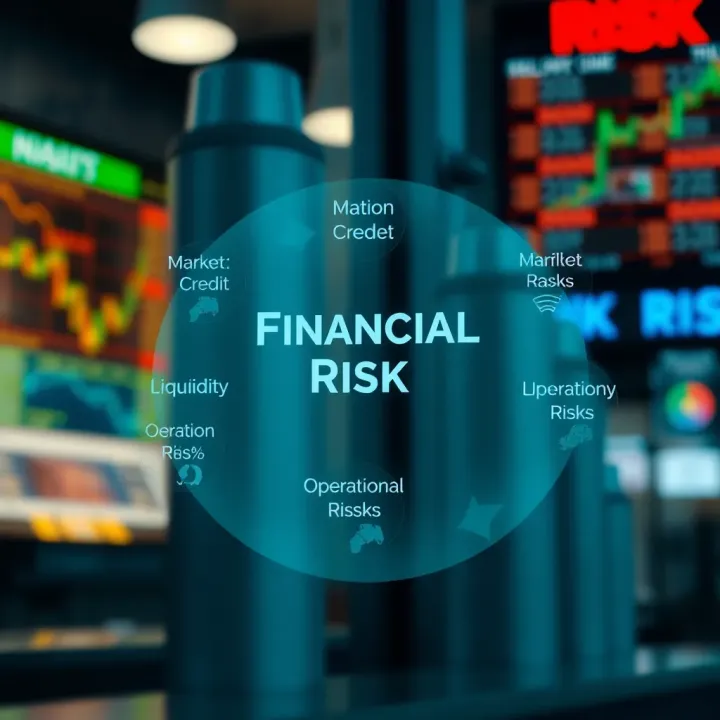
Essential Guide to Financial Risk Management
Discover how to spot, assess, and reduce financial risks in your business. Stay compliant and monitor risks continuously to protect your investments 💼📉
Edited By
Daniel Hughes
Risk management is an everyday reality for Kenyan businesses and communities. Whether you run a small shop in Nairobi, manage a large farm in Rift Valley, or handle investments on the Nairobi Securities Exchange (NSE), knowing how to identify and handle risks can protect your interests and improve outcomes. This process is not just for big corporations; it applies to everyone aiming to keep operations smooth and avoid surprises that cause losses.
At its core, the risk management process involves clear steps that guide you from spotting potential risks to keeping controls in check over time. Without a proper approach, businesses may miss warning signs, leading to financial losses, regulatory issues, or damaged reputation — all of which can disrupt growth and stability.
With practical steps and a good understanding of the risks around you, it’s possible to tackle threats before they escalate. For example, a trader who regularly checks currency fluctuations and market trends can avoid sudden exchange losses. Similarly, an educator coordinating student safety during field trips needs to plan for transport risks and emergency response.
Risk management isn't a one-off task; it's about continuous attention to what might go wrong and acting promptly to reduce those effects.
This article presents a straightforward outline of how to manage risks effectively in the Kenyan context:
Identification: Spot the real risks that could hurt your business or community efforts.
Assessment: Understand which risks could cause the most damage and prioritise accordingly.
Control measures: Implement practical steps to reduce or avoid risks.
Monitoring and review: Keep checking whether your controls work and adjust them when needed.
By following these steps closely, you safeguard your resources and strengthen your ability to handle unexpected challenges. Kenyan markets, especially informal and jua kali sectors, face unique risks like fluctuating prices, regulatory changes, and environmental factors such as the long rains. Managing these well means better resilience and competitiveness.
In the sections that follow, you’ll find clear advice and local examples to help you apply these principles directly to your situation, making risk management tangible and achievable rather than just theory.
Identifying risks early and accurately is the foundation of effective risk management. Catching potential threats at the outset allows businesses and projects to take timely action before problems escalate. For investors and traders, early identification means better decisions and less exposure to unexpected losses. In Kenya's fast-changing economic and regulatory environment, overlooking even small risks can lead to costly setbacks.
Operations form the backbone of any business or project. Challenges like equipment breakdown, supply chain delays, or understaffing can quickly disrupt productivity. For example, a manufacturer in Nairobi might face delays in raw material supply due to road closures, impacting delivery timelines. Identifying such operational bottlenecks early gives the chance to fix issues or find alternative suppliers before they hurt the bottom line.
Dollar-shilling exchange rate swings or sudden shifts in commodity prices directly affect costs and revenues. For instance, a farmer relying on fertiliser imports might suffer if the shilling weakens suddenly. Likewise, stock market volatility can impact investment portfolios. Recognising these financial risks helps investors and businesses prepare, such as by locking in forward contracts or diversifying assets.
Strict adherence to Kenyan laws is key to avoiding legal penalties or shutdowns. Changes in VAT rules, environmental regulations, or labour laws can create compliance risks. A business expanding across counties must be aware of each county’s licensing requirements and health standards. Early awareness means timely adjustments in policies, avoiding fines or legal entanglements.
Weather variability or community disputes can derail projects. For example, prolonged drought can affect water supply for industries, while social unrest near construction sites may halt activities. Early identification of these risks allows companies to develop contingency plans, such as alternate water sources or community engagement programmes to ease tensions.
Engaging with employees, suppliers, customers, and community members uncovers risks often overlooked on paper. For instance, field officers might bring up recurring transport challenges affecting deliveries. Interviews provide real-ground insights that enrich risk identification and highlight practical issues.
Using checklists drawn from similar projects or industries ensures no risk category is missed. Reviewing previous incident logs also helps spot recurring problems. A trader might notice from past data that market closures due to political events repeatedly cause supply disruptions, signalling a risk to monitor.

Analysing Strengths, Weaknesses, Opportunities, and Threats lets businesses isolate internal vulnerabilities and external dangers. For example, a company may find its weakness in over-reliance on a single supplier, which is threatening if that supplier faces disruption. This method helps visualise which risks need prompt attention.
Digital tools can scan large datasets to identify patterns signalling risks. For instance, real-time price monitoring apps can alert traders to sudden currency movements affecting profitability. Kenyan firms are increasingly adopting software for incident reporting and risk scoring, making the identification process faster and more precise.
Early and accurate risk identification isn’t just a box-ticking exercise; it’s a practical step that saves costs, protects reputation, and focuses resources where they matter most.
Evaluating and measuring risks is a vital step in ensuring that businesses and projects allocate resources wisely to handle threats. By understanding both how likely a risk is to occur and the extent of its impact, organisations can prioritise actions that protect their goals efficiently. For instance, a Nairobi-based agribusiness facing drought risks must weigh how probable a dry spell is and what loss it might cause before deciding on irrigation investments.
Risk assessment usually involves two main approaches: quantitative and qualitative methods. Quantitative assessment uses numerical data to estimate the probability of risks, such as analysing the frequency of past disruptions or financial losses. This method works well when ample data exists, like stock market trends or historical sales figures. Qualitative assessment, meanwhile, gathers opinions and insights from experts or stakeholders without strict numbers—for example, a workshop with local farmers discussing potential pest outbreaks. This approach is useful when data is limited but experienced knowledge is available.
Looking at historical data and local trends helps refine these assessments. Examining past events, such as incidents of political unrest or global commodity price changes, can reveal patterns that suggest how risks might appear again. In the Kenyan context, enterprises often track seasonal weather patterns, regulatory shifts, or matatu strikes, as these affect operations consistently. Combining this with emerging trends, like recent inflation spikes recorded by the Central Bank of Kenya, provides a grounded basis for forecasts.
Once the likelihood factors are clear, ranking risks based on their probability presents a practical way to focus attention. Assigning values or categories—say ‘high’, ‘medium’, or ‘low’ chance—on each risk lets managers decide which threats demand immediate action and which ones require monitoring. For example, a startup in Kisumu might rank currency fluctuation as high risk due to ongoing regional trade uncertainties, prioritising hedging strategies accordingly.
Not all risks carry the same weight when it comes to consequences. Financial losses and reputational damage often rank highest since they affect both revenue and customer trust. A retailer losing KSh 2 million to supply chain delays feels a direct pinch. Meanwhile, contamination scandals hitting Nairobi food vendors can quickly erode brand loyalty, shrinking the customer base over time.
Beyond money and image, operational performance disruptions also matter greatly. Delays in delivery, equipment failure, or workforce strikes stall production and service delivery, impacting timelines and stakeholder confidence. Consider a Safaricom network outage that leaves users offline for hours—this disrupts payments and communication, forcing the company to scramble for fixes and compensation.
Community and stakeholder effects complete the picture of impact. Risks that harm local communities or alienate partners can stall projects or invite regulatory penalties. For instance, a construction firm ignoring environmental safeguards risks backlash from local residents and county authorities, which may halt projects or impose fines. Addressing these social risks early creates goodwill and smoother operations.
Evaluating risks means balancing how likely they are and how badly they could hit your organisation or community. This clear-eyed view helps channel efforts where they matter most.
By carefully measuring likelihood and impact, Kenyan businesses and investors can make informed decisions to protect their interests in a complex market environment.
Planning how to address identified risks is a vital step in the risk management process. Without a clear plan, risks that have been spotted and assessed can easily spiral out of control, causing financial loss or operational disruptions. In Kenya’s dynamic business environment, where market changes, regulatory shifts, and social factors often impact organisations, having a solid risk response plan helps businesses and investors prepare practically rather than react hastily.
The process involves choosing the right strategies to handle risks and then breaking down these strategies into actionable steps. Doing this well enables decision-makers to allocate resources efficiently, avoid surprises, and keep projects or investments on track. It also builds confidence among stakeholders who want assurance that risks are being watched and managed responsibly.
Risk avoidance and elimination means steering clear of activities or decisions that could trigger significant risks. This strategy works best when the potential impact is very severe and high probability. For instance, a company might avoid launching a product in a region with unstable political conditions or strict regulatory hurdles. By eliminating the risky activity altogether, the company saves money that could otherwise be lost.
Risk reduction through controls focuses on minimising either the chance of a risk occurring or its impact if it does. Practical controls could include adopting better safety standards, enhancing staff training, or using technology to detect fraud early. Kenyan banks, for example, often deploy advanced electronic systems to reduce the risk of cyber attacks, which otherwise could severely harm their reputation and finances.
Risk sharing via insurance or partnerships spreads the burden of risk between two or more parties. Insurance is common where financial risks are involved, such as coverage against fire damage for a small business in Nairobi’s industrial area. Partnerships can also share risks; say, two firms collaborating on a tender where costs and risks are divided, reducing the blow on any single entity.
Risk acceptance and contingency planning come into play when some risks are unavoidable or too small to justify heavy controls. Here, the organisation accepts the risk but prepares a plan to manage consequences if the risk materialises. An example could be a trader who accepts currency fluctuation risks but maintains a reserve fund to cushion losses if the shilling weakens unexpectedly.
Assigning roles and responsibilities ensures everyone involved knows precisely what they must do when responding to a risk. Clear delegation stops confusion and delays during a crisis. Say, in a Nairobi manufacturing firm, appointing a risk officer to monitor supply chain issues guarantees that potential disruptions are addressed promptly.
Setting timelines and milestones breaks down the overall risk response into phases with deadlines. This helps track progress and keeps the team accountable. For example, a construction project in Mombasa might set monthly checkpoints to review safety measures and adjust as needed.
Budgeting for risk management activities involves allocating enough funds to cover preventive measures, training, insurance premiums, or contingency reserves. Restricting budgets too much can make the plan ineffective, while excessive spending strains resources. A balanced budget in a Kenyan SME might cover periodic staff training on cyber hygiene, alongside a modest insurance plan to manage theft risks.
A well-thought-out plan does more than just reduce threats; it strengthens resilience by turning uncertainties into manageable parts of daily operations.
By carefully selecting response strategies and developing clear action plans, organisations can anticipate challenges and sustain progress even amid risks.
Putting risk controls in place and keeping an eye on them is a vital step in risk management. This stage ensures that the strategies designed to reduce or manage risks are actually working in real life. Without proper implementation and monitoring, even the best risk plans amount to little more than paper promises. In practical terms, this is where plans meet action, making it possible to protect business operations, investments, and stakeholder interests.
Training staff and communicating plans is essential for a smooth rollout of risk controls. When staff understand the risks and their role in managing them, they are far more likely to follow procedures correctly. For example, a bank in Nairobi that trains tellers on recognising fraud signals can prevent losses and protect customer trust. Clear communication also avoids confusion and delays, helping teams respond quickly when risk events occur.
Integrating controls in everyday operations means embedding risk management into routine work, not treating it as a separate task. For instance, a manufacturing firm may include safety checks as part of daily equipment inspection. This normalises risk control so that everyone takes responsibility, reducing slack and improving reliability. When risk measures become part of the company culture, compliance improves naturally without heavy oversight.
Using technology to enforce risk controls plays a growing role in today’s businesses. Automated alerts, security cameras, and transaction monitoring software can flag issues as they happen. A brokerage firm using software to monitor unusual trading patterns can catch insider trading attempts early. Mobile tools and cloud platforms also help teams update and access risk information remotely, critical for fast response in fast-moving markets.
Regular reviews and audits provide a clear picture of how well risk controls are performing. These scheduled checks identify gaps or failures before they escalate. For example, an energy company might audit its safety protocols quarterly, ensuring machines and staff comply with standards. Through this, management stays informed and can take corrective action promptly.
Incorporating feedback and lessons learnt from actual incidents is key to strengthening risk management. When teams discuss what went wrong or right during events, they find ways to improve controls. For example, after a data breach, a telecom company can revise password policies and employee training to prevent recurrence. This learning cycle helps organisations adapt rather than repeat mistakes.
Adapting to new risks and changes in the environment means staying flexible and responsive. Markets shift, regulations change, and new threats like cyber-attacks emerge regularly. Keeping risk plans up to date with these realities is critical, especially for traders and investors exposed to volatile conditions. An exporter may modify insurance covers when political tensions rise in importing countries, avoiding heavy losses.
Implementing and monitoring risk controls ensures that the effort spent on identifying and planning for risks delivers real protection. It turns risk management from paperwork into tangible safety nets, strengthening trust and resilience across Kenyan businesses.
Proper documentation and reporting form the backbone of any effective risk management programme. Keeping detailed records helps organisations track risks from identification through to resolution, ensuring nothing slips through the cracks. More importantly, transparent reporting keeps everyone on the same page – from team members to stakeholders and leadership – guiding timely decisions and resource allocation.
Risk registers and logs serve as the official inventory of all recognised risks. A well-maintained risk register lists each risk alongside its description, likelihood, impact, and status. This tool is especially useful in Kenyan businesses or community projects where multiple risks may arise from market fluctuations, regulatory shifts, or operational challenges. For example, a Nairobi-based manufacturing firm might record risks linked to inconsistent power supply or supply chain delays. These records provide a quick reference, so managers can prioritise and allocate resources effectively.
Action tracking sheets complement risk registers by focusing on the measures taken to manage those risks. They detail assigned responsibilities, deadlines, and progress updates for each action point. In practice, say a financial institution notes cyber-security threats in its risk register; the action tracking sheet will monitor tasks like employee training sessions and software upgrades to mitigate that threat. This systematic follow-up ensures accountability and prevents risk controls from falling by the wayside.
Reporting timelines and formats structure when and how risk information is shared. Regular updates—monthly or quarterly reports, for instance—keep stakeholders informed of changing risk profiles and mitigation progress. Standardised formats help make these reports clear and digestible, especially when sharing with top management or external auditors. For example, a county government project may set quarterly risk review meetings, distributing concise reports that highlight emerging issues such as budget overruns or community protests.
Conveying risk status updates means providing current, accurate information on the risks identified and the actions in place. Frequent communication prevents surprises and builds trust. For instance, a listed company on the Nairobi Securities Exchange (NSE) might update its board regularly about market risks due to inflation or currency fluctuations. These updates aid leadership in steering company strategy and resource mobilisation.
Highlighting critical risks and mitigation progress focuses attention where it matters most. Not every risk needs equal scrutiny, so emphasising high-impact concerns ensures effective prioritisation. In a construction project, critical risks like safety issues or delays receive top billing in reports, along with an update on what’s been done to address them. This way, executives and investors know where to focus their energy and support.
Encouraging stakeholder engagement in risk management makes handling risks a shared responsibility. Inviting input and feedback from employees, partners, or community members enhances risk awareness and practical solutions. For example, a cooperative society in Kisumu might hold regular forums where members discuss challenges like loan defaults or market access. Such involvement empowers all parties to contribute to risk mitigation and buy into the process.
Keeping thorough records and sharing timely reports aren’t just bureaucratic tasks; they build the foundation for smart decision-making and stronger organisational resilience.
By maintaining clear documentation and engaging communication, Kenyan businesses, investors, and community projects can better foresee risks, adjust strategies, and protect their goals effectively.
Discover how to spot, assess, and reduce financial risks in your business. Stay compliant and monitor risks continuously to protect your investments 💼📉

Explore how Enterprise Risk Management frameworks help Kenyan businesses spot, evaluate, and handle risks to boost decision-making and resilience. 📊🔍

Explore how Kenya manages disaster risks through assessment, preparedness, response, and recovery. Learn the roles of communities, government, and partners 🌍🔥

🔍 Explore how risk management helps identify, assess, and control threats to protect businesses and individuals in Kenya from uncertainties & losses.
Based on 11 reviews