

Government's Role in Managing Risks in Kenya
Discover how the Kenyan government identifies, assesses, and manages risks like natural disasters, economic shocks, and health threats to protect communities 🌍.
Edited By
Henry Foster
Risk management in finance is about spotting potential financial pitfalls early and taking steps to reduce their impact. For investors, traders, financial analysts, and brokers in Kenya, understanding this process is vital to protecting capital and making informed decisions.
Financial risks come in various shapes, from market shifts and credit defaults to operational hiccups and regulatory changes. For example, a trader might face market risk if a sudden drop in the NSE 20 share index causes stock prices to fall unexpectedly. Meanwhile, a local business could encounter currency risk when fluctuating shilling exchange rates affect the cost of imported goods.
Effective risk management starts with identifying risks relevant to your specific activities. This involves examining your portfolios, business operations, or investments closely to spot exposures that could lead to financial loss. Once identified, assessing the likelihood and potential damage helps prioritise which risks to tackle first.
Kenyan firms and investors often use tools like diversification, hedging through derivatives, and credit risk assessments to manage exposures. Diversification reduces risk by spreading investments across different sectors or assets — for instance, combining shares in Safaricom with government bonds and real estate investments. Hedging might involve entering contracts that offset potential losses, such as using currency futures to guard against shilling depreciation.
Regulatory frameworks provided by institutions like the Central Bank of Kenya (CBK) and the Capital Markets Authority (CMA) set minimum standards for managing risk, including capital requirements and disclosure rules. For Kenyan businesses, compliance with these regulations ensures not only legal standing but improved resilience against shocks.
Technology also plays a growing role. Financial software and platforms now offer real-time data, predictive analytics, and automated alerts, helping investors make quicker decisions. M-Pesa’s mobile platform, for example, provides immediate transaction notifications, reducing fraud risks.
Strong risk management is not about avoiding risks altogether but controlling them smartly to keep financial goals on track, especially in Kenya’s dynamic economic scene.
In summary, identifying specific risks, understanding their impact, using practical tools, adhering to local regulations, and adopting technology form the backbone of sound financial risk management. This approach helps Kenyan investors and businesses safeguard their assets and navigate uncertainties more confidently.
Understanding the core concepts of risk management is foundational for anyone navigating the financial sector, particularly in Kenya where market dynamics can be quite volatile. This section sheds light on what risk means in finance, why managing it matters, and outlines the practical steps involved in controlling risk effectively.
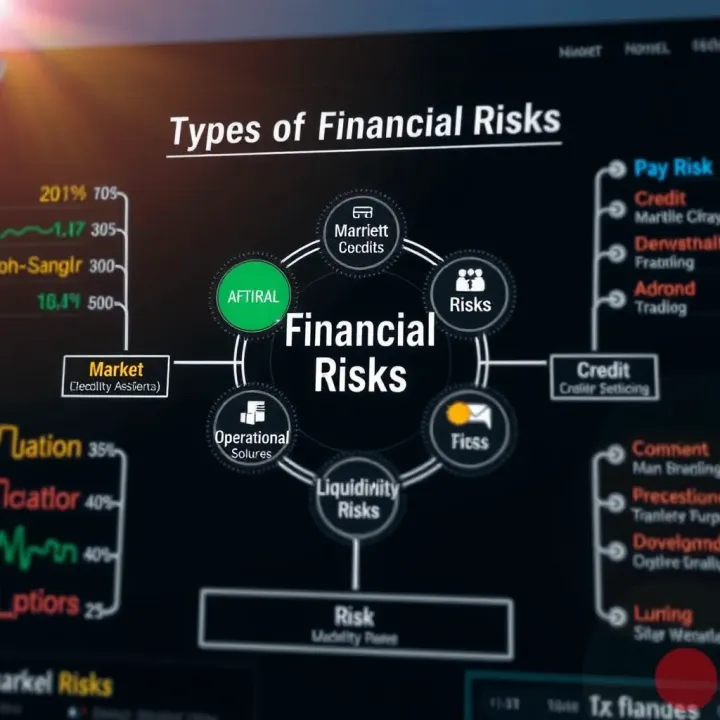
Financial risks come in many forms, each affecting businesses and investors differently. Market risk, for instance, arises from fluctuations in prices, interest rates, or foreign exchange rates. Consider a Kenyan exporter whose earnings depend on the US dollar; a sudden drop in the dollar's value reduces the shilling amount they receive. Credit risk involves potential losses from borrowers failing to repay loans — a common concern for banks and micro-lenders in Nairobi’s informal sectors. Operational risks relate to failures in internal processes, like fraud or system breakdowns, while liquidity risk reflects the difficulty in converting assets into cash when needed swiftly.
These types affect decision-making, and businesses that recognise these risks can better protect their assets and plan for uncertainties.
Risk management isn’t just about avoiding losses; it helps maintain business stability and investor confidence. Without managing financial risks, a business could overextend credit, resulting in default and cash flow problems. For example, a trader who ignores currency fluctuations might buy imported goods that become more expensive overnight due to weakening shillings, squeezing profits.
For investors, managing risk ensures portfolios withstand shocks — diversifying investments or hedging against market changes protects their capital. In the Kenyan context, where economic disturbances can hit unexpectedly, sound risk management supports long-term growth and sustainability.
Identifying financial risks means spotting potential problems before they impact the business. For instance, a Safaricom retailer may face supply chain risks if suppliers fail during the rainy season. Early identification involves listing all sources of risk—from market shifts to operational leaks—and understanding where vulnerabilities lie.
Once risks are identified, assessing their likelihood and potential impact helps prioritise action. This could involve estimating how much loss a dropped currency rate might cause or the probability of loan defaults increasing during economic slowdowns. Techniques like stress testing simulate worst-case scenarios to see how resilient a business or portfolio is.
After assessment, controlling and reducing risk comes into play. Businesses might diversify suppliers to avoid reliance on one, or investors may use hedging tools such as futures contracts to lock in prices. Insurance policies covering theft or fraud also transfer risk away from the business.
Risk management is ongoing — continuous monitoring ensures new risks are caught early while established controls remain effective. Financial markets and operational environments change fast; for example, new government policies can alter interest rates significantly, requiring periodic reviews.
Effective risk management calls for vigilance and adaptability. Regular reviews help Kenyan firms stay flexible, adjusting strategies as conditions evolve.
By mastering these core concepts and processes, businesses and investors can minimise losses, protect capital, and seize opportunities with greater confidence.

Understanding the main types of financial risks helps investors, banks, and businesses in Kenya make smarter decisions and shield themselves from potential losses. These risks can affect profitability, cash flow, and even survival, so recognising them early and managing them effectively is key.
Price volatility refers to how much and how quickly the price of an asset such as stocks, bonds, or commodities can change. For example, shares on the Nairobi Securities Exchange (NSE) can swing due to political events or economic reports. High volatility means higher uncertainty but also potentially higher returns or losses. Investors in Kenya need to be aware of this because a sudden drop in commodity prices like tea or coffee can drastically reduce export revenues.
Interest rate changes influence borrowing costs and investment returns. When the Central Bank of Kenya adjusts its base rate, loans and mortgage repayments become more or less expensive. For instance, a rise in interest rates increases loan repayments for businesses, squeezing profits. On the flip side, savers might benefit from higher returns. This risk impacts financial planning and demand for credit in Kenya’s economy.
Exchange rate fluctuations affect transactions involving foreign currencies. Since Kenya trades heavily with neighbours and beyond, the value of the Kenyan shilling against the US dollar or euro matters a lot. A weaker shilling raises import costs, pushing inflation higher and reducing buying power. Businesses that rely on imported raw materials or foreign debt must manage this risk to avoid sudden cost surges.
Assessing borrower risk is about evaluating the ability of a borrower—individual or company—to repay loans. Kenyan banks use credit scores, income verification, and past repayment histories to judge this. For example, the rise in mobile lending apps like Tala demands a quick but accurate assessment to avoid defaults. Proper assessment minimises bad debts and maintains financial health.
Non-performing loans impact refers to loans where borrowers have stopped paying. High rates of non-performing loans (NPLs) tie up a bank’s funds and reduce its ability to lend anew. Local banks usually set aside provisions to cover such bad debts, but excessive NPLs can threaten stability and limit credit flow to businesses. This issue has hit many lenders following economic challenges caused by pandemics or political unrest.
Operational risk factors include failures in internal processes, systems, or people. For instance, a glitch in a mobile money platform could disrupt transactions for millions, leading to reputational damage and financial losses. Human error, fraud, or inadequate controls also count here. Kenyan financial firms must invest in staff training and reliable technology to lower such risks.
Liquidity risk challenges in Kenyan markets involve the difficulty of quickly converting assets to cash without loss. During dry spells or economic slowdowns, selling property or stocks fast at a fair price may become tough. SMEs often struggle to access emergency funds quickly, making them vulnerable. Banks also face liquidity risks if too many clients withdraw deposits at once. Proper liquidity management ensures businesses and banks meet their payment obligations on time.
Effective risk identification and management across these categories enable Kenyan investors and businesses to protect their capital and thrive amid uncertainty.
Keywords: financial risks, market risk, price volatility, interest rates, exchange rate fluctuations, credit risk, non-performing loans, operational risk, liquidity risk, Kenyan markets, Nairobi Securities Exchange, mobile lending, Central Bank of Kenya.
Financial risk management is not just about knowing risks exist; it involves active steps and tools to keep losses in check. These techniques help investors, banks, and businesses in Kenya safeguard their finances against uncertainties. Using practical strategies and proven tools, they balance risk and reward effectively, especially in fluctuating markets.
How to avoid certain risks: Avoiding risk means steering clear of activities or investments known to carry high or unnecessary risk. For example, a trader might avoid investing in an unstable foreign currency during political turmoil to prevent potential losses. Businesses may also choose suppliers with strong track records rather than cheaper but unreliable ones. This helps eliminate exposure to avoidable hazards. In Kenya, where market conditions can be unpredictable, careful selection of ventures or clients acts as a first line of defence.
Risk mitigation tactics common in finance: Mitigation involves lessening the impact of risks that can't be fully avoided. This could mean diversifying a portfolio—spreading investments across stocks, bonds, and real estate to reduce reliance on one sector. A farmer, for instance, might plant multiple crops to avoid total loss if one fails. Financial institutions apply credit limits to borrowers to reduce exposure. These tactcs help cushion shocks and improve resilience.
Using insurance and hedging instruments: Transferring risk through insurance is widespread in Kenya, from health coverage via National Hospital Insurance Fund (NHIF) to business insurance that shields against fire or theft. On a more technical level, hedging uses financial products like futures or options to offset potential losses. A coffee exporter might hedge against price drops in global markets using futures contracts traded in Nairobi. These tools shift risk away, offering peace of mind and protecting cash flows.
Value at Risk (VaR): VaR estimates the potential loss in value of an investment portfolio over a given time frame and confidence level. For example, a bank might say its daily VaR is KSh 1 million at 95% confidence, meaning there's a 5% chance of losing more than that on any day. VaR gives a clear figure to communicate risk and helps set risk limits or capital reserves.
Stress testing and scenario analysis: Stress testing simulates how financial portfolios or institutions would perform under extreme conditions — like a sudden interest rate spike or market crash. For instance, after the 2007–08 financial crisis, many Kenyan banks started running stress tests to check vulnerability against economic shocks. Scenario analysis paints various "what if" pictures, aiding better preparedness by visualising impacts on profits and liquidity.
Risk ratios and credit scoring: Specific ratios help gauge financial health. Debt-to-equity ratio shows how leveraged a company is, while current ratio assesses liquidity. Similarly, credit scoring models assess borrower likelihood to repay based on history, income, and other data. Commercial lenders in Kenya use scoring systems to decide loan approvals, reducing defaults. Such metrics provide quick snapshots of risk and guide decisions.
Employing these techniques and tools helps investors and organisations in Kenya make informed choices, limit surprises, and maintain financial stability even when the environment is challenging.
The regulatory environment plays a key role in shaping how financial institutions manage risk in Kenya. Clear guidelines and oversight help maintain stability, protect investors, and ensure that businesses operate within safe boundaries. Understanding these regulations is especially important for investors, traders, and financial analysts who make decisions based on risk exposure.
The Central Bank of Kenya (CBK) steers risk management practices among banks and microfinance institutions by setting prudential guidelines. These rules cover capital adequacy, liquidity ratios, and credit risk exposure, ensuring institutions hold enough buffers against losses. For example, the CBK requires banks to maintain a minimum capital ratio to absorb shocks, which helps prevent sudden collapses that could affect depositors and the broader economy.
In practice, the CBK’s supervision ensures banks regularly assess their loan portfolios and operational risks. Institutions found weak in risk controls face corrective measures or fines. For financial analysts, monitoring a bank’s compliance with CBK guidelines provides insight into its risk profile and financial health.
The Capital Markets Authority (CMA) regulates Kenya’s securities market, focusing on protecting investors from excessive risk and fraud. CMA enforces disclosure requirements, so companies listed on the Nairobi Securities Exchange (NSE) must provide transparent reports on their financial status and risks. This transparency allows investors to make informed choices based on reliable data.
Moreover, the CMA monitors insider trading and market manipulation to maintain fairness. By assuring orderly markets, the authority helps investors feel safer when trading shares and bonds. For traders and brokers, CMA’s rules mean strict adherence to ethical practices, lowering the risk of losses from unfair dealings.
The Insurance Regulatory Authority (IRA) supervises insurance firms, which play a big part in risk transfer strategies within Kenya’s financial system. The IRA ensures insurers maintain adequate reserves to pay claims, promoting trust in the sector. This oversight is vital because when businesses use insurance to manage financial risks—like property damage or liability—knowing an insurer is properly regulated minimises worries about claim rejections or delays.
Additionally, the IRA regulates product offerings and client disclosures to avoid misleading policies. For investors and financial analysts, understanding IRA regulations aids in assessing the reliability and risk coverage provided by insurance companies.
Kenyan law requires banks, insurers, and other financial institutions to submit regular risk reports to regulators like CBK, CMA, or IRA. These reports detail exposure to credit, market, liquidity, and operational risks. Regular reporting encourages institutions to keep up-to-date risk management practices and enables regulators to identify early warning signs.
For example, during the COVID-19 pandemic, regulators used these reports to monitor institutions vulnerable to loan defaults or liquidity shortages. This system benefits investors and analysts by providing confidence that risks are consistently tracked and addressed.
While large financial institutions face strict reporting rules, SMEs and informal businesses often operate with less regulatory pressure. However, regulatory frameworks indirectly affect these smaller players, especially when they borrow from regulated banks or seek insurance services.
Some SMEs struggle with compliance costs related to risk reporting or understanding regulatory requirements, limiting their access to formal finance. Informal businesses may also avoid risk management tools due to lack of awareness or trust. Boosting financial literacy and simplified compliance procedures can help these sectors participate more safely in the wider economy, reducing systemic risks.
Strong regulatory oversight ensures the Kenyan financial system remains stable and trustworthy, protecting both investors and institutions from unexpected shocks.
Understanding the regulatory environment helps you assess not just the risks you face but also how well financial players manage those risks within Kenya’s framework.
Technology has changed the game in financial risk management, giving institutions and investors sharper tools to identify and respond to threats. In Kenya's fast-evolving financial landscape, using digital tools isn’t just a convenience but a necessity to stay ahead. Technology helps by making risk assessment more accurate and quicker, reducing the chances of costly errors and improving decision-making.
Data analytics and artificial intelligence applications have become indispensable in predicting and managing financial risks. By analysing huge amounts of data, these tools identify patterns and anomalies that human analysts might miss. For example, banks in Nairobi use AI-powered systems to assess creditworthiness by analysing customer transaction histories on M-Pesa alongside traditional data. This widens access to credit while reducing default risks.
Besides credit scoring, AI helps financial firms perform stress testing by simulating various economic scenarios tailored to Kenyan markets. Data analytics also supports portfolio management by spotting potential losses early, allowing traders to adjust their investments accordingly.
Real-time monitoring using fintech platforms is another breakthrough in risk management. Platforms such as Safaricom’s M-Pesa and mobile banking apps provide instant transaction data that help monitor liquidity and fraud risks as they happen. This immediacy enables quicker responses to unusual activities, such as sudden withdrawal spikes or suspicious transfers.
In addition, fintech platforms offer dashboards that compile complex risk indicators into simple visuals for quick comprehension. This real-time insight is crucial for traders and financial analysts who need to act swiftly amid rapid market changes in Nairobi and other Kenyan cities.
Protecting financial data is a growing concern as Kenyan finance increasingly moves online. Financial institutions must safeguard sensitive customer information from breaches that could lead to financial loss and tarnished reputations. Banks are investing in encryption, multi-factor authentication, and continuous network monitoring to close gaps that hackers might exploit.
Kenya’s regulatory bodies, such as the Central Bank of Kenya, are also enforcing stricter cybersecurity standards to ensure financial firms uphold data protection. For SMEs relying on mobile money for payments, securing digital interfaces prevents losses that could otherwise cripple small businesses.
Addressing fraud and cyber threats requires vigilance and proactive measures. Cybercriminals use sophisticated tactics like phishing, malware, and social engineering to steal funds or credentials. Financial institutions deploy fraud detection software that flags unusual patterns, often using machine learning to improve accuracy over time.
Awareness campaigns educating customers about scams complement technological defences. For instance, many Kenyans receive SMS warnings about phishing attempts impersonating Safaricom or banks. These combined efforts help reduce fraud risks and protect the larger financial ecosystem.
Technology isn't just about fancy gadgets; its role in managing financial risk is practical, immediate, and vital for Kenyan markets adapting to digital shifts.
Through improved data analysis, real-time monitoring, and strong cybersecurity, technology supports smarter, faster risk management to safeguard investments and ensure stability in Kenya’s finance sector.
Discover how the Kenyan government identifies, assesses, and manages risks like natural disasters, economic shocks, and health threats to protect communities 🌍.

🔍 Learn how risk management and insurance protect you and businesses in Kenya from accidents, theft, and natural disasters. Discover local policies and tips to stay covered.

Explore growing risk management jobs in Kenya focusing on key skills, typical employers, and industry trends to help you build a successful career locally 📊💼

Explore how Enterprise Risk Management frameworks help Kenyan businesses spot, evaluate, and handle risks to boost decision-making and resilience. 📊🔍
Based on 12 reviews