

Compliance and Risk Management for Kenyan Businesses
Discover effective strategies for compliance & risk management in Kenyan businesses ✅ Learn governance, tech & culture tips to protect and grow your company 🌍
Edited By
Oliver Bennett
Risk management forms the backbone of resilience for many organisations, especially as they navigate fluctuating markets and regulatory demands. It involves spotting potential hazards early, understanding their impact, and putting measures in place to reduce or control these risks. For Kenyan businesses, risk management isn't just a tick box exercise—it can spell the difference between sinking and sailing amid economic shocks or unexpected events.
In the dynamic Kenyan business environment, from the bustling Nairobi CBD to remote shambas, organisations face various risks such as currency fluctuations, supply chain disruptions, or even political uncertainty. For instance, a tea exporter might encounter risks from global price swings and climate conditions affecting harvests. By applying effective risk management, they can safeguard their returns and plan better for future seasons.
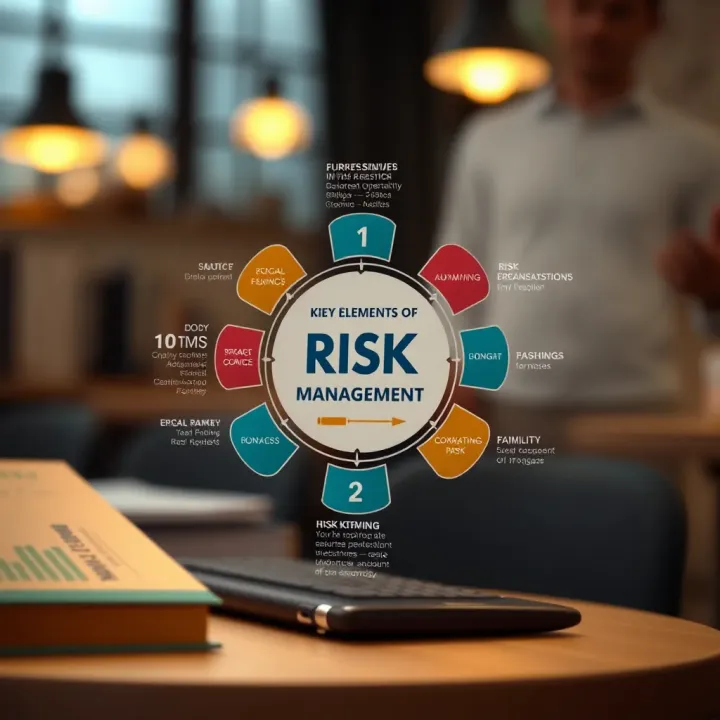
Effective risk management supports sustainable growth by securing organisational assets, protecting reputations, and improving decision-making under uncertainty.
Modern organisations deal with risks that range from financial losses to cyber threats. Managing these risks helps:
Ensure financial stability by preparing for adverse situations like inflation or interest rate hikes.
Protect brand reputation from negative publicity or service failures.
Comply with Kenya’s regulatory frameworks such as KRA (Kenya Revenue Authority) guidelines or CBK (Central Bank of Kenya) regulations.
Risk management broadly covers:
Identification – Pinpointing possible risks, such as fraud, credit default, or logistical breakdowns.
Assessment – Measuring the likelihood and impact of each risk.
Control – Implementing strategies like insurance, diversification, or process improvements to minimise risk.
Monitoring – Continuously reviewing risk exposure and adapting as circumstances change.
Kenyan banks, for example, rely heavily on risk assessment models to approve loans, balancing default risk against profitability. In manufacturing, risk management includes maintaining equipment to avoid downtime, especially during peak production periods.
In essence, organisations that adopt a disciplined approach to risk management tend to outperform peers by resisting shocks and seizing opportunities more confidently. Whether you are an investor, trader, or analyst, understanding how firms handle risk gives you an edge in evaluating their stability and growth potential.
Risk management plays a critical role in modern organisations by helping them navigate uncertainties that could threaten their sustainability or growth. Understanding how risk management works enables businesses to identify potential problems early and develop practical solutions to minimise impact. This becomes especially relevant in Kenya’s dynamic business environment, where economic shifts, regulatory changes, and operational challenges frequently arise.
Risk management is the process of identifying, assessing, and controlling threats that could affect an organisation's assets or earning capacity. It involves systematic steps to spot risks before they turn into actual losses. For instance, a Kenyan tea exporter may face currency fluctuation risks due to changes in the US dollar-Kenyan shilling exchange rate; managing these risks would involve strategies like forward contracts or diversifying markets.
The purpose of risk management is to protect organisations from unexpected shocks and ensure steady operations. It is not about avoiding risks entirely but about making informed decisions that balance risks and gains. Efficient risk management helps companies stay resilient, safeguard their reputation, and comply with legal requirements.
Financial risks concern losses linked to money management, such as credit defaults, fluctuating interest rates, or exchange rate volatility. A local bank in Nairobi, for example, must monitor its loan portfolio to prevent high default rates that could undermine profits.
Operational risks arise from internal processes, people, or system failures. A factory in Mombasa might face downtime due to machine breakdowns or supply chain disruptions caused by transport strikes, which could delay deliveries and increase costs.
Strategic risks relate to decisions impacting the long-term direction of the company. If a Kenyan retailer incorrectly predicts consumer trends and over-invests in imported goods, it risks inventory pile-ups and losses.
Compliance and regulatory risks involve breaching laws or rules. Organisations must adhere to Kenyan laws such as the Data Protection Act or tax regulations enforced by Kenya Revenue Authority (KRA). Failure to comply can lead to fines, legal battles, or even licence revocation.
Environmental and social risks include challenges from natural events or societal issues. For instance, flooding during the long rains may disrupt operations, while poor community relations could spark protests affecting business continuity.
Properly recognising these risk categories allows organisations to allocate resources wisely and build safeguards tailored to their specific needs. Effective risk management ultimately helps them avoid surprises that could undo years of hard work and investment.
Effective risk management begins with clear steps that organisations must follow to control uncertainties well. At its core, the process involves identifying, assessing, and managing risks in a way that supports business goals without draining resources unnecessarily.
Identifying risks is the first step in managing them. Organisations use several methods to spot potential threats before they escalate. One common approach is brainstorming sessions where different departments come together to discuss vulnerabilities, such as supply chain disruptions or currency fluctuations affecting revenue. For example, a Nairobi-based exporter might identify risks related to delays at Mombasa port or changes in exchange rates.
Apart from brainstorming, interviews with employees and industry experts provide insight into emerging risks specific to a sector. These practical methods ensure the organisation catches issues early enough for effective responses.

In terms of tools, risk registers are widely used, serving as a living document that lists every identified risk along with its description and ownership. Software tools like Microsoft Excel or specialised risk management platforms help keep this information organised and accessible.
Other useful tools include SWOT analysis (assessing Strengths, Weaknesses, Opportunities, and Threats) to highlight risks alongside potential advantages. These tools make identifying risks systematic rather than haphazard.
Once risks are identified, assessing their impact and likelihood is vital. Organisations use qualitative assessments like expert judgement to categorise risks as low, medium, or high impact. For instance, a jua kali artisan may judge unreliable electricity as a high-impact risk due to its potential to halt production.
Quantitative methods take this further by assigning numerical values to risks—for example, calculating how a 10% decline in sales might affect monthly cash flow. This helps businesses like SMEs in Nakuru decide whether the cost of mitigating a risk justifies the benefit.
Prioritising risks involves balancing their potential severity with how likely they are to occur. Risks with severe consequences and high likelihood, such as cyber-attacks on financial institutions, get immediate attention. Less significant risks might be monitored instead of actively controlled.
Prioritising ensures resources go to the riskiest parts, preventing costly surprises and wasted effort on minor problems.
Developing mitigation strategies means deciding how to reduce risk impact or likelihood. This might involve diversifying suppliers in case one fails, buying insurance against fire, or investing in employee training to lower operational errors. For example, a Kenyan agricultural exporter could adopt better storage facilities to reduce post-harvest losses as a mitigation step.
Implementing controls means putting these strategies into daily practice. Controls can be physical (like fire extinguishers), procedural (such as approval workflows), or technological (firewalls to protect data). Monitoring their effectiveness is equally crucial; regular audits and reports check if controls perform as expected or need adjustment.
In many Kenyan organisations, continuous monitoring helps spot gaps early, preventing risks from turning into crises. This cycle keeps systems resilient amid changing market and regulatory conditions.
By focusing on these components—identification, assessment, and mitigation—businesses build a solid foundation for managing risks consistently and effectively. This approach not only limits losses but also unlocks opportunities by giving leaders better information on what they face ahead.
Risk management plays a key role in helping organisations achieve their objectives by reducing uncertainties that could derail progress. By identifying and managing risks proactively, businesses can safeguard financial health, improve decision-making, and protect their reputation among stakeholders. This support ultimately leads to steadier growth and better resilience in the face of challenges common in today’s business environment.
Avoiding unexpected losses is fundamental to maintaining financial stability. When businesses fail to anticipate risks—like market downturns, sudden changes in regulations, or supply chain disruptions—they risk incurring losses that can cripple operations. For example, a Kenyan exporter relying solely on one overseas buyer may suffer significant revenue loss if that buyer cancels orders unexpectedly. Risk management helps to spot such vulnerabilities early and develop contingency plans, like diversifying markets or securing trade credit insurance.
Managing cash flow and investments goes beyond just tracking income and expenses. It involves understanding potential risks that can disrupt liquidity. For instance, an SME in Nairobi that extends long credit terms without assessing clients’ creditworthiness might face delayed payments, tightening their working capital. Using risk assessment tools lets business owners adjust payment terms or set aside reserves to ensure smooth operations. Similarly, informed investment decisions require weighing risks carefully; a bank considering new loan products uses risk data to balance profitability against default rates.
Using risk information to guide strategy ensures that decisions consider both potential downsides and opportunities. For example, a Kenyan tech startup aiming to expand into East African markets will assess political, economic, and competitive risks before investing heavily. This enables them to adjust strategies, such as partnering locally or tailoring products to match customer needs, thereby improving chances of success.
Balancing risks and opportunities means not avoiding risk entirely but managing it wisely. Investors and business leaders understand that without taking some risks, growth stalls. A Nairobi-based manufacturer might invest in new machinery that could disrupt production temporarily but increase long-term efficiency. Proper risk management here involves timing, budgeting for disruptions, and training staff—ensuring the opportunity outweighs potential losses.
Handling crises effectively is crucial in preserving an organisation's image. Whether it’s a data breach at a Kenyan bank or a product recall in a consumer goods company, swift and planned responses reduce damage. Risk management frameworks include crisis communication plans and responsible recovery actions that maintain customer confidence and limit negative fallout.
Maintaining compliance and ethical standards protects organisations from legal penalties and builds trust. For example, businesses operating in Kenya need to adhere to KRA tax laws, labour regulations, and environmental guidelines. Risk management helps track changes in these areas and integrate compliance into daily operations. This fosters a culture of accountability and reassures stakeholders that the organisation operates transparently and responsibly.
Proactively managing risks ties directly into achieving business goals by protecting finances, guiding smarter decisions, and upholding reputation—elements every organisation must prioritise in today’s competitive environment.
By embedding risk management into core business processes, organisations increase their ability to face uncertainties without losing sight of their growth targets.
Practical examples bring risk management closer to everyday business realities in Kenya. They demonstrate how theoretical concepts apply amid local challenges like fluctuating market conditions, regulatory changes, and socio-economic factors. For investors, traders, financial analysts, and educators, these grounded cases highlight actionable measures that organisations adopt to reduce vulnerabilities, safeguard assets, and sustain growth.
Small and medium enterprises (SMEs) in Kenya often wrestle with cash flow uncertainties, unreliable supply chains, and fluctuating customer demand. Many face risks tied to access to credit, especially when banks tighten lending after economic shocks. Additionally, regulatory compliance can be a hurdle, as SMEs navigate complex tax rules from the Kenya Revenue Authority (KRA) and local county levies. For example, a Nairobi-based garment maker may struggle with delays in getting raw materials due to import duties or transport strikes, which directly affects production schedules.
Given limited budgets, Kenyan SMEs typically rely on cost-effective risk management tactics. These include keeping detailed cash flow forecasts and using mobile money platforms like M-Pesa for quick transactions and record-keeping. Simple tools such as business insurance policies tailored for SMEs or using bookkeeping software like Sagana or QuickBooks help monitor finances closely. SMEs also benefit from joining trade associations that offer legal advice and negotiate better terms with suppliers. These affordable strategies help manage risks without overburdening limited resources.
The Jua Kali sector, encompassing informal artisans and craftsmen, faces unique challenges like inconsistent power supply, lack of formal contracts, and exposure to theft or equipment damage. These operational risks can stop a daily hustle suddenly. For instance, a boda boda mechanic operating in a Nairobi slum may lose income if faulty equipment causes injury or if a police crackdown disrupts business activities.
Jua Kali practitioners often use community networks to share information on security risks and source affordable tools. Savings groups or chamas serve as informal risk pools providing members with funds during emergencies or for capital replacement. Such collective approaches offset limited access to formal insurance and credit. Local leaders occasionally mediate disputes to avoid costly legal battles. These grassroots solutions show resilience and adaptability in managing risks within informal economies.
Kenyan banks follow strict regulations from the Central Bank of Kenya (CBK) to uphold financial stability and protect customers. Compliance involves regular reporting, capital adequacy requirements, and anti-money laundering controls. For example, banks use internal audit teams to ensure adherence to CBK directives around liquidity ratios and prudential limits. Failure to comply can result in fines or license suspension, so banks prioritise risk frameworks that align with these rules.
With increasing digitalisation, banks face cyber risks such as hacking and data breaches. Many Kenyan banks invest in robust IT security systems, including firewalls, encryption, and multi-factor authentication for online platforms. Safaricom’s Lipa Na M-Pesa integration, for instance, demands constant monitoring to prevent fraudulent transactions. Banks also run staff training on cybersecurity awareness and conduct regular system audits. Such safeguards maintain customer trust and protect financial data amid rising cyber threats.
Practical Kenyan examples prove that risk management is not just theory but an essential daily practice. Whether in SMEs, informal sectors, or regulated banks, tackling risks head-on improves resilience and long-term success.
Developing a strong risk management culture is essential in modern organisations to ensure that risk awareness goes beyond policies and reaches every level of the business. Without this culture, organisations risk overlooking hazards that can disrupt operations or tarnish their reputation. In Kenyan firms especially, where informal processes often dominate, embedding a culture of risk management helps create a proactive stance rather than a reactive scramble when issues arise.
Top management plays a critical role in shaping and sustaining a risk management culture. When directors and senior leaders actively support risk initiatives, it sends a clear message that managing risks is not optional but integral to the organisation’s success. For example, a CEO at a Nairobi-based firm attending risk review meetings and communicating the importance of compliance helps instil confidence and seriousness across departments.
Leadership must also allocate resources and set risk appetite levels, guiding how much risk the organisation can bear. Without this, risk efforts become fragmented and lack direction. Take the banking sector where Central Bank of Kenya regulations require clear risk governance; banks that have committed boards tend to perform better in managing loan default risks and cyber threats.
Training equips employees with the knowledge to spot risks in their daily tasks and understand their role in mitigating them. In practice, this could mean workshops on data protection for staff handling customer information or sessions for factory workers on safety protocols. Regular awareness campaigns help keep risk issues fresh and avoid complacency.
Employees who understand risk implications feel more responsible and empowered to act early. For instance, a jua kali artisan trained on financial record risks is more likely to keep accurate accounts, reducing vulnerability to fraud or tax penalties. This investment in people often results in fewer costly errors and smoother operations.
Risk management should be part and parcel of everyday work, not a separate activity. This means building risk checks into existing workflows and decision processes. For example, a procurement department might include supplier risk assessments as a standard step before contracts are signed.
In Kenyan SMEs, such integration saves time and reduces errors by catching risks early rather than after they have caused issues. Using tools like checklists or simple risk registers keeps staff aware without overwhelming their routine. This practical approach fosters consistent risk mindfulness at all organisational levels.
Risk environments change fast, especially with evolving technologies, regulations, and markets. Regularly reviewing risk management practices ensures they stay effective and relevant. Companies can schedule quarterly risk audits or annual strategy updates, adjusting controls as needed.
Continuous improvement also relies on feedback loops. Frontline employees reporting new risks or failed controls help organisations learn and adapt quickly. This dynamic approach is vital in sectors like finance, where new fraud schemes frequently emerge. Businesses that maintain a culture of review protect themselves better and seize new opportunities by managing uncertainties smartly.
Building a risk management culture requires commitment at all levels, from boardrooms to shop floors. Its practical benefits include fewer surprises, stronger compliance, and a more resilient organisation ready to face Kenya’s diverse business challenges.
Discover effective strategies for compliance & risk management in Kenyan businesses ✅ Learn governance, tech & culture tips to protect and grow your company 🌍
🌍 Explore how risk management boosts decision-making, financial strength, and compliance for Kenyan businesses, safeguarding operations from threats.
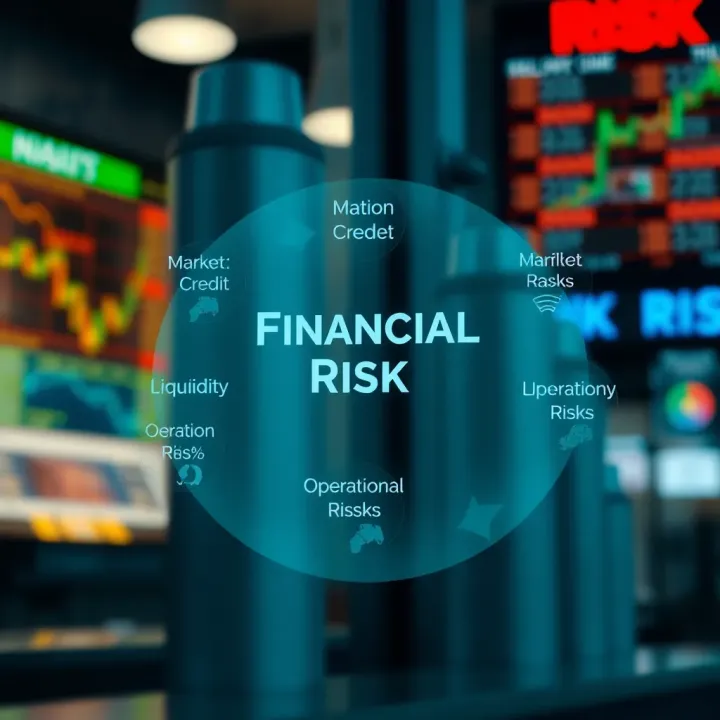
Discover how to spot, assess, and reduce financial risks in your business. Stay compliant and monitor risks continuously to protect your investments 💼📉

Explore how Enterprise Risk Management frameworks help Kenyan businesses spot, evaluate, and handle risks to boost decision-making and resilience. 📊🔍
Based on 13 reviews