
Risk Management in Kenyan Organisations
📊 Discover how risk management helps Kenyan organisations reduce uncertainties, protect finances, and boost growth. Learn practical steps and business examples to stay ahead.
Edited By
Sophie Mitchell
Managing risks is a vital part of project management, especially in Kenya where project environments can be unpredictable. Risks range from delays caused by seasonal rains to sudden changes in government policy or funding shortages. Handling these risks well can mean the difference between a project’s success or failure.
Risk management involves identifying potential problems before they happen, assessing what impact they might have, and planning how to control or respond to them. For example, a road construction project in Kisumu might face risks such as flooding or limited access caused by the long rainy season. Spotting these early allows the project team to include drainage solutions or adjust timelines.
It’s not just about avoiding risks but managing them intelligently. Projects may face financial risks if costs rise unexpectedly, or operational risks if equipment breaks down. In Kenyan settings, risks may also involve community relations issues, such as disagreements over land use or delays from regulatory approvals by county governments.
Effective risk management requires clear steps and constant communication among all stakeholders. This helps keep investors, project managers, and community leaders on the same page.
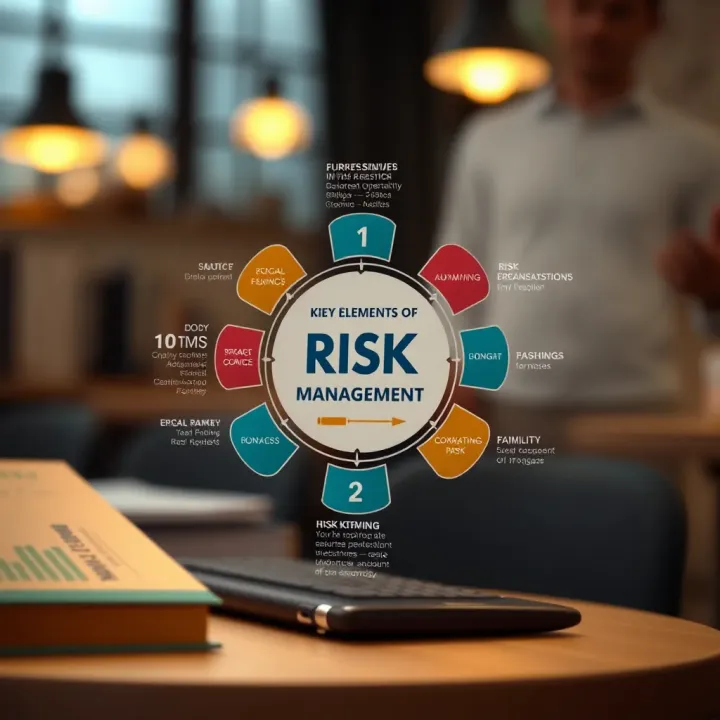
Here are key activities in risk management:
Risk Identification: Pinpoint risks that could affect the project’s goals, drawing from local knowledge and past experiences.
Risk Assessment: Evaluate how likely each risk is and the severity of its impact on cost, time, and quality.
Risk Control: Develop strategies such as contingency budgets, alternative suppliers, or community engagement plans.
Risk Monitoring: Regularly track risks through project meetings, updating plans as situations change.
Risk Communication: Share risk information promptly with investors, contractors, and other stakeholders to maintain trust and prompt action.
For Kenyan projects, common risk types include weather disruptions, supply chain delays, fluctuations in currency value, political changes, and social issues. Using project management tools tailored for local contexts, like simple risk registers or digital platforms accessible by smartphone, can improve tracking and response.
By embedding risk management into everyday project activities, stakeholders can reduce surprises and secure smoother delivery. This approach empowers investors, traders, financial analysts, and project educators to make informed decisions grounded in practical realities.
Understanding risk management early on equips everyone involved with the knowledge to prepare, adapt, and keep projects on track, no matter the challenges Kenya’s dynamic environment might throw.
Risk management is a critical part of any project, especially within the Kenyan context where resource constraints and external uncertainties are common. Understanding what risk management entails helps project teams anticipate potential challenges rather than reacting when problems become costly or impossible to fix.
Kenyan projects often face unique risks such as delays caused by unreliable power supply, fluctuations in material costs due to currency changes, or stakeholder disagreements arising from community interests. By grasping risk management's role, project managers can plan ahead, maintain control, and increase the chances of successful project delivery.
A risk is any potential event or condition that can affect a project’s outcome, whether positively or negatively. It is uncertain and hasn’t occurred yet but could influence timelines, costs, or quality. An issue, however, is a problem that has already happened and needs immediate handling. For example, late arrival of equipment is an issue, whereas concerns about possible transport strikes affecting future deliveries is a risk.
Understanding this difference is practical because effective risk management focuses on identifying and addressing risks before they become problems. Kenyan construction projects, for instance, might identify the risk of rainy season floods causing delays, whereas an issue would be actual flooding disrupting site access.
Managing risk enables projects to avoid avoidable setbacks or reduce their impact when unavoidable. Projects in Kenya often operate under tight budgets and tight timelines, so a small delay or unexpected expense can snowball into much larger problems. For example, a small delay in customs clearance of imported machinery could stall a manufacturing project for weeks unless a risk response is in place.
Risk management ensures that teams have contingency plans and know where to focus their attention. This proactive stance prevents costly surprises and builds confidence among investors, stakeholders, and project sponsors who want their funds managed responsibly.
Risk management gives project teams clearer, data-informed views of possible hurdles. This allows them to make better decisions on resource allocation, timelines, and scope adjustments. For instance, if a solar power project in Kilifi identified a risk of theft of equipment, management could decide early to invest in security measures rather than scrambling after losses happen.
By understanding risks up front, decision-makers in Kenya’s projects avoid rushing or guesswork, which often leads to poor outcomes.
Projects always deal with uncertainties—that’s a given. Risk management reduces these by anticipating what could go wrong and how likely it is. This makes the project's progression less of a gamble. A water drilling project in Turkana, for example, may face environmental risks such as drought or soil instability. Identifying these early helps to adjust plans or prepare mitigation steps.
Reducing uncertainty not only protects timelines but also reduces stress on the project team and stakeholders who can better prepare for known challenges.
With clear risk assessments, projects allocate resources where they matter most. Time, money, and expertise aren’t wasted on low-risk areas but targeted to manage or avoid high-priority risks. In Nairobi real estate projects, for example, legal risks related to land ownership might demand more budget and legal support than a minor supply chain risk.
This focused approach prevents spreading resources too thin and helps improve overall project efficiency and success rates.
A practical risk management approach in Kenyan projects turns unpredictability into manageable challenges, giving teams the confidence to deliver results despite hurdles.
Identifying and classifying risks early in a project sets the stage for successful management and delivery. Without clear recognition of what could go wrong, projects often face surprises that derail timelines and budgets. This is especially true for projects in Kenya, where factors like funding delays, technical challenges, and stakeholder expectations can vary significantly across regions. Spotting risks in advance helps teams prepare and respond better, avoiding costly fixes later.
Financial risks relate to any potential problems with money that could affect project completion. For Kenyan projects, this might mean unforeseen cost increases, delayed payments, or currency fluctuations that put pressure on budgets. Imagine a construction project in Nairobi where the cost of cement suddenly rises due to market shortages — this would immediately squeeze finances, forcing cutbacks elsewhere. Managing these risks involves monitoring budgets closely and securing contingency funds.
These risks arise from failures or challenges in the technology, processes, or resources used in projects. For instance, a solar panel installation project in Kisumu may run into delays if the equipment supplied is faulty or if technical skillsets are lacking locally. Operational risks also include delays in delivery of materials or labour strikes. Anticipating these challenges helps in arranging alternative suppliers or additional training for staff, ensuring smoother progress.
Projects depend heavily on stakeholders — from clients and funders to local communities and government agencies. Misunderstandings or unaligned expectations can stall projects. For example, a water supply project might hit snags if local residents weren’t properly consulted and later resist construction. Effective communication keeps all parties informed and engaged, preventing conflicts and ensuring cooperation.
These include risks outside direct project control, such as weather, political instability, or regulatory changes. For Kenyan projects, the short and long rains season can disrupt schedules, especially in agriculture or infrastructure works. Changes in county government policies or sudden road closures can also slow progress. Recognising these risks early enables contingency planning, like scheduling work around rains or staying updated on policy developments.
Gathering diverse views from the project team and experts helps uncover risks that may not be obvious. For example, involving a local contractor and an environmental expert can highlight logistical or regulatory risks unique to the project area. In Kenya’s diverse landscapes and markets, such insights prove invaluable to foresee challenges that general checklists may miss.
Using risk checklists based on past projects offers a practical way to identify common risks. Reviewing historical data from similar projects around Kenya — say a past road construction in Mombasa — can reveal patterns like frequent delays due to permit issues or funding gaps. This method grounds risk assessment on real experience rather than guesswork.
SWOT (Strengths, Weaknesses, Opportunities, Threats) analyses combine with risk workshops for team discussions focused on uncovering all potential risk areas. These sessions encourage open dialogue, helping to surface hidden concerns and evaluate internal and external factors affecting the project. For instance, a SWOT session for a tech startup project in Nairobi might reveal regulatory weaknesses and market opportunities, guiding better risk planning.
Early and structured risk identification arms Kenyan projects with stronger resilience, enabling prompt responses that save time and resources.
Effectively assessing and prioritising risks is the backbone of smooth project management in Kenya. Without proper assessment, project teams may waste scarce resources on minor risks while overlooking serious threats that could derail progress. Assessing risk impact and likelihood guides decision-makers on where to focus attention and helps avoid surprises that can stall or inflate project costs.
Risk assessment comes in two main forms: qualitative and quantitative. Qualitative assessment relies on expert judgement, experience, and descriptive scales to rate how severe a risk is and the chance it will occur. For example, in a construction project in Nairobi, experts might rate the risk of rain delays as "high likelihood" but "moderate impact" based on past experience. This approach is faster and useful when data is limited.
On the other hand, quantitative assessment uses numbers and statistics to measure risks more precisely. Cost overruns might be estimated using probability distributions and financial models to predict a range of possible outcomes. For instance, a project manager might calculate that there is a 30% chance the cost of cement will rise by KS0,000, increasing overall expenses. This method requires solid data but supports more informed investment decisions.
A handy way to combine these assessments is by using risk matrix tools. These tools plot risks on a grid based on their likelihood and impact, usually from low to high. By placing risks in colour-coded zones—green (low), yellow (medium), red (high)—teams can quickly visualise which risks need urgent action. A typical risk matrix in a tech rollout project might show cybersecurity breaches as high impact and medium likelihood, signalling a priority for mitigation measures.
Prioritising risks means focusing on those with both a high chance of happening and serious consequences first. These high-impact, high-probability risks can threaten a project's core objectives if ignored. For example, in a water supply project in Kisumu, the risk of equipment theft might be likely and costly, so the team would prioritise security solutions to avoid disruptions.
However, not all risks can be tackled immediately due to resource limits. Balancing priorities involves assessing which risks will bring the greatest benefit if addressed and recognising that some low-impact risks can be accepted or monitored. For instance, a small risk of a short power outage in a Nairobi office might be accepted with a backup generator rather than costly infrastructure upgrades. This balance ensures the project uses funds wisely while safeguarding against serious setbacks.
Clear assessment and smart prioritisation help project teams in Kenya manage risk without spreading themselves too thin—ultimately boosting chances for successful, on-time delivery.
By grounding risk evaluation in local realities and data, Kenyan projects can turn uncertainty into manageable challenges rather than costly surprises. This approach improves confidence for investors, traders, and all stakeholders involved.
Developing and implementing risk responses is a vital step in project management that helps keep a project on track despite uncertainties. In the Kenyan context, where projects often face unpredictable challenges like fluctuating material costs or delays due to regulatory approvals, having clear risk response plans can save time and resources. This phase ensures that identified risks do not derail the project by preparing practical actions to address them promptly and efficiently.
Avoidance, mitigation, transfer, and acceptance are four key approaches to managing risks effectively. Avoidance means changing the project plan to eliminate the risk entirely, such as choosing local suppliers instead of relying on imports when foreign exchange rates are volatile. Mitigation focuses on reducing the impact or likelihood of the risk—for example, training the project team to handle new technologies to lower technical failure risks. Transfer involves shifting the risk to a third party, often through insurance or contracts; a construction firm might transfer the risk of equipment breakdown to the supplier via a service agreement. Lastly, acceptance recognises some risks cannot be changed economically or practically, so the project proceeds knowing that these risks will be managed if they occur. This might happen with minor weather delays in agriculture projects during the short rains season.
Choosing the right response for each risk demands understanding the risk’s nature and available resources. Not all risks warrant the same treatment; high-impact risks with a high chance of happening deserve more aggressive responses like avoidance or mitigation. On the other hand, low-probability, low-impact risks could simply be accepted to avoid unnecessary expenses. A community water project, for instance, may invest heavily in mitigating the risk of pump failure by stocking spare parts, while accepting minor delays from seasonal flooding. Thoughtful selection balances cost, project goals, and risk tolerance.
Contingency planning is about preparing backup options if risks materialise. In Kenyan infrastructure projects, setting aside budget and time buffers for unexpected delays such as strikes or fuel shortages ensures the project won’t stall. This preparation avoids costly surprises and helps stakeholders maintain confidence.
Use of risk registers involves maintaining a live document listing identified risks, their assessments, assigned owners, and response plans. This tool keeps everyone on the same page and helps track if risks escalate or subside. For example, a Nairobi-based IT project team updates the risk register weekly, spotting emerging threats early and adjusting plans accordingly.
Regular risk review meetings bring project teams and stakeholders together to discuss risk status and response effectiveness. These meetings support transparency, quick decisions, and collective problem-solving. For instance, a renewable energy project held monthly reviews with suppliers and local leaders to handle community concerns that might disrupt work schedules.
Keeping risk responses dynamic and well-communicated helps projects in Kenya navigate the unexpected and deliver value consistently.
Implementing these strategies and tools enhances your project’s resilience and improves chances of success, especially in environments often shaped by external factors like policy shifts or economic changes familiar to Kenyan projects.
Monitoring, reporting, and communication form the backbone of effective risk management throughout a project. Without these elements, risks can slip under the radar and become serious threats, especially in dynamic Kenyan project environments where conditions change fast. Keeping tabs on risks and sharing clear information ensures timely decisions and swift responses, which ultimately protect project goals and community interests.
Updating risk registers is a key part of tracking risks in real time. The risk register acts like a living document that records each identified risk, its status, and any actions taken. For example, a construction project in Nairobi might note delays caused by rainy seasons and update the register with new mitigation steps such as adjusting work schedules or sourcing alternative materials. Regular updates help the project team spot shifts early, address new threats, and maintain accurate risk records for reference.
Conducting periodic risk assessments means revisiting and re-evaluating risks at set intervals during the project. In many Kenyan projects, initial risks may evolve or others may appear as work progresses—say, political changes affecting transport arrangements for project materials. Periodic reviews ensure that risk management stays relevant and reflects actual conditions. This reduces surprises and allows reallocation of resources to areas of emerging concern, making the project more resilient to disruptions.
Reporting to project sponsors and teams keeps everyone aligned and aware of current risk profiles. This reporting should be clear, concise, and focus on critical risks needing attention or decisions. For instance, a water supply project funded by a county government may require monthly risk reports highlighting budget overruns or stakeholder disputes. Timely reporting fosters trust between project managers and funders, enabling faster problem-solving.
Engaging stakeholders with clear updates means going beyond internal teams to keep community members, regulators, or suppliers informed. Effective communication here can prevent misunderstandings, build goodwill, and secure cooperation. Take a rural electrification project: regular updates using local meetings or mobile SMS can inform residents about schedules and potential delays, reducing frustration and promoting buy-in. Clear communication also supports risk awareness at all levels, helping stakeholders prepare or adjust accordingly.
Keeping risk communication open and up to date is as important as managing risks themselves. It reduces uncertainty and mobilises everyone involved towards common project success.
By regularly tracking risks, reporting them accurately, and communicating transparently, Kenyan project teams can steer their projects smoothly despite the many uncertainties native to local environments. This careful oversight often makes the difference between projects that stall and those that achieve lasting impact.
📊 Discover how risk management helps Kenyan organisations reduce uncertainties, protect finances, and boost growth. Learn practical steps and business examples to stay ahead.
📊 Learn how Kenyan businesses can spot, assess, and handle risks to protect operations and boost decisions. Practical tips with local examples included.
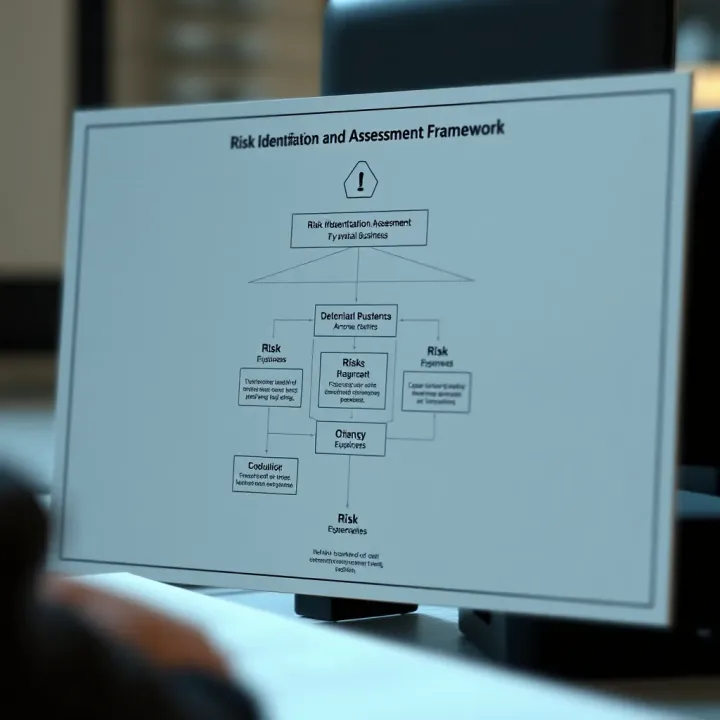
📊 Navigate risk with confidence! Learn how Kenyan businesses can identify, assess, plan, monitor, and review risks to safeguard operations, finances, and reputation today.

📋 Learn how to build a solid risk management plan for Kenyan businesses. Identify local risks, take practical steps, and protect your venture from common challenges effectively.
Based on 9 reviews