

Compliance and Risk Management for Kenyan Businesses
Discover effective strategies for compliance & risk management in Kenyan businesses ✅ Learn governance, tech & culture tips to protect and grow your company 🌍
Edited By
Richard Palmer
Risk management is an indispensable part of running a successful business in Kenya. Every day, companies face uncertainties—from market fluctuations and regulatory changes to operational hiccups and financial fraud risks. A well-crafted risk management strategy helps organisations identify these threats early, assess their potential impact, and put in place appropriate measures to minimise losses.
Business leaders in Kenya, whether running a small jua kali workshop or a mid-sized firm listed on the Nairobi Securities Exchange (NSE), must treat risk as a continuous process rather than a one-time checklist. The Kenyan business environment presents unique challenges including fluctuating exchange rates, political shifts that affect trade, and reliance on mobile money platforms like M-Pesa for financial transactions. These factors require tailored risk management approaches that go beyond generic frameworks.

Effective risk management doesn’t only protect your business but also builds investor confidence and ensures long-term sustainability.
At the heart of a solid risk strategy lies comprehensive risk identification—spotting all possible threats relevant to your industry and operations. For example, a trader importing goods faces currency volatility risk, whereas a digital entrepreneur primarily worries about cyber threats and payment fraud. Next comes risk analysis, which means evaluating how likely each risk is and what its impact might be in Kenyan shillings or operational downtime.
Planning responses includes setting up controls like diversifying supplier bases, investing in cybersecurity tools, or using insured transport for valuable cargo. Monitoring involves regular checks, audits, and keeping an eye on emerging risks such as new regulations by bodies like the Capital Markets Authority (CMA) or Central Bank of Kenya (CBK). Leadership also plays a key role in cultivating a risk-aware culture where staff feel responsible and empowered to flag issues before they become crises.
Implementing risk management is not just a task for the finance or compliance team; it requires collaboration across sales, procurement, IT, and beyond. Kenyan businesses that succeed in embedding this process see reduced losses, smoother operations, and better compliance with the fluctuating regulatory landscape.
This guide will walk you through practical steps and tools to design a risk management strategy suited for Kenya's diverse business sectors, helping you safeguard your investments and stay competitive in the market.
A good understanding of risk management strategy forms the backbone for any thriving business in Kenya. It helps business owners and managers identify the threats that could disrupt operations, cause financial losses, or damage reputation. Knowing the basics means you can prepare early, make informed decisions, and stay ahead of challenges instead of reacting when problems arise.
A risk management strategy is a planned approach to recognising, evaluating, and handling risks that a business might face. Its purpose is to reduce negative outcomes by either avoiding, controlling, transferring, or accepting risks in a structured way. For example, a Nairobi-based food supplier might plan how to manage risks related to perishable stock, delivery delays, or supplier shortages, aiming to keep the business running smoothly.
In Kenya’s diverse and sometimes unpredictable business environment, a clear risk management strategy is vital. Businesses often face local challenges like sudden regulatory changes, infrastructure issues, or currency fluctuations. Having a strategy allows firms to adapt quickly, manage costs better, and protect their investments. For instance, a garment exporter in Mombasa might use currency hedging to shield against foreign exchange risks, ensuring steady profit margins.
Operational risks involve failures in day-to-day activities that can disrupt business flow. This might include machine breakdowns, staff absenteeism, or IT system failures. For a matatu owner, operational risk could be unpredictable vehicle maintenance costs or driver strikes, both threatening daily income. Managing these risks often means scheduling regular equipment checks and having backup plans for staffing.
Financial risks relate to losing money through poor cash flow, credit issues, or market fluctuations. Small shops in Nairobi’s CBD might face this if customers delay payments or if inflation pushes up supplier prices unexpectedly. Using local tools like M-Pesa for faster payments or securing insurance can help mitigate these financial risks.
These risks come from not following laws and regulations, which can lead to fines or shutdowns. Kenyan businesses must navigate rules from bodies like the Kenya Revenue Authority (KRA), National Social Security Fund (NSSF), and the National Hospital Insurance Fund (NHIF). For example, a manufacturing firm ignoring environmental standards risks hefty fines, but staying compliant protects reputation and avoids costly penalties.
Market risks include competition shifts and changing consumer preferences, while environmental risks relate to seasonal weather changes and natural disasters. A shamba owner might struggle during unexpected droughts, while a retail shop could lose customers to emerging online stores. Businesses that regularly monitor market trends and plan for weather-related disruptions position themselves to survive and grow.
Effective risk management starts with recognising the types of risks unique to Kenyan businesses and planning practical ways to handle them.
This foundation enables investors, traders, financial analysts, and educators to appreciate the challenges and opportunities within the local context, paving the way for smarter business decisions.
Developing a solid risk management strategy is vital for businesses aiming to survive and thrive amid Kenya's unique economic and regulatory landscape. By following clear steps, businesses can pinpoint potential threats early, assess their seriousness, and decide on the best way to handle them. This process helps avoid surprises, saves costs, and builds resilience.
Risk identification starts by spotting all possible threats before they materialise. Kenyan businesses can use simple tools like SWOT analysis (Strengths, Weaknesses, Opportunities, Threats) to systematically list risks related to operations, finance, or market changes. Additionally, risk registers help track and categorise risks over time, making it easier to revisit and update them. For example, a Nairobi bakery might note supply chain delays and power outages as risks, tagging them for priority review.

Including employees and stakeholders in risk identification broadens the perspective and increases ownership. Staff on the ground often spot risks managers may miss — like a boda boda disruption affecting deliveries or delayed payments due to M-Pesa network issues. Open meetings or anonymous surveys encourage honest sharing, while involving suppliers and customers can highlight external risks, especially in a dynamic Kenyan market.
After risks are listed, businesses assess the chance they might happen and how much harm they could cause. A microfinance institution, for instance, would rate a cyberattack as having a high impact but moderate likelihood. This evaluation directs focus — risks that are both likely and damaging get top attention. It’s practical to use a simple scale, say 1 to 5, for likelihood and impact, to keep things clear.
Ranking risks helps clarify which ones need immediate action versus monitoring. Nairobi-based SMEs often use a risk matrix, plotting likelihood on one axis and impact on the other. Combined scores guide resource allocation. For example, a drought affecting a tea farm scores high on both, demanding urgent strategies, while minor paperwork delays might be lower priority.
Once priorities are clear, businesses choose how to respond. Avoidance means stopping an activity causing risk, like halting imports during unstable currency rates. Mitigation reduces the risk's impact — like installing generators to combat power cuts common in peri-urban areas. Transfer shifts risk to another party, often through insurance. Kenyan companies increasingly use specialised insurance products for theft or fire risks. Acceptance is when risks are minor or unavoidable, but the business plans to manage consequences.
Preparation goes beyond response choice and involves detailed back-up plans. For example, a retailer might prepare an alternative supplier list in case their usual supplier fails, ensuring shelves stay stocked during disruptions. Contingency plans should be practical, easy to follow, and regularly updated, so when a flood hits Kisumu, the business doesn’t scramble but switches smoothly to plan B.
Developing a stepwise risk management strategy tailored to Kenya’s business environment isn’t just good practice — it’s a necessity. Practical tools, staff involvement, clear prioritisation, and ready responses build a safety net for any enterprise in this bustling economy.
Keeping an eye on risks is not a one-off task but a continuous process. For Kenyan businesses, where markets and regulations can shift rapidly, monitoring risks helps spot new threats early and check if existing controls still work. Without regular reviews, risks may grow unnoticed, leading to losses or missed opportunities.
Using technology and data for tracking is becoming essential. Many Kenyan businesses now use mobile platforms like M-Pesa transaction data and cloud-based accounting tools to track cash flow and spot irregular patterns. For instance, a retailer noticing a sudden drop in M-Pesa payments can quickly investigate possible disruptions rather than wait for month-end reports. Similarly, tracking customer feedback on social media or through SMS surveys gives real-time insight into product or service issues that could escalate into bigger problems.
Key risk indicators (KRIs) act like early warning signs. These are specific measurable factors chosen based on what risks matter most. For example, a tea farmer might monitor rainfall levels and input costs as KRIs. If rains fall below a threshold or fertiliser prices spike, the farmer knows to adjust plans or seek extra funding. Financial analysts monitoring currency volatility or interest rate shifts rely on KRIs to guide investment decisions, helping them adjust portfolios before losses mount.
Adjusting strategies based on changes is how businesses stay resilient. Kenya's regulatory environment and market demands often change, so risk strategies must be flexible. A manufacturing firm may regularly review supplier reliability scores and switch vendors when delays start creeping in. Financial firms adjust their loan provisioning based on new KRA tax rules or changes in borrower behaviour detected through credit data updates. Keeping the strategy current means less exposure to surprises and more confidence in business continuity.
Lessons from incidents and near misses provide invaluable insight. When things go wrong or almost fail, it's a chance to look closely at what triggered the event. A Nairobi restaurant facing a health inspection failure can study what caused the hygiene lapse and implement better staff training or facility upgrades. Similarly, a boda boda operator surviving a near accident can share the experience with other drivers to prevent future incidents. Systematic reviews of such episodes turn mistakes into learning moments, reducing the chance of repeat problems.
Regular monitoring and reflective reviews form the backbone of effective risk management. They ensure businesses don't just react but anticipate and adapt in a changing Kenyan business climate.
By putting in place these continuous checks and learning routines, Kenyan businesses can safeguard their investments, protect stakeholders, and navigate uncertainties with confidence.
Building a risk-aware culture is essential for Kenyan organisations aiming to stay resilient amidst the uncertainties of today’s business environment. It promotes proactive thinking about risks rather than reacting only when problems hit. For example, a Nairobi-based agribusiness faced repeated losses due to unanticipated weather changes. After embedding a risk-aware culture, including regular risk discussions and early warning signs from field staff, they managed to adjust planting schedules and lessen losses significantly. This hands-on approach helps teams spot risks early, making the organisation stronger.
Leadership sets the tone for how risk management is treated within the organisation. Clear policies that define what risks to watch out for, how to report them, and the steps to mitigate those risks create a structured environment for everyone. For instance, a medium-sized manufacturer in Mombasa developed a risk manual outlining procedures tied to daily operations, guiding staff in identifying equipment failure risks before they caused downtime. These clear rules help avoid confusion and align everyone’s efforts.
A practical policy must also show how risk management fits with business goals. When management links risk controls to improving service delivery or cutting costs, employees grasp the value beyond compliance. This makes following procedures feel relevant rather than just bureaucratic.
Accountability means leaders and staff take responsibility for their role in managing risks. A Kenyan SME that implemented a weekly risk report got managers to check key risk areas actively. This routine oversight helped them spot supply chain delays early.
Holding regular meetings where teams discuss risk outcomes also encourages ownership. When people know they will answer for both successes and mistakes, they take risk warnings seriously. Accountability structure can include appointing risk focal persons at department levels to monitor and report consistently.
Emphasising accountability ensures risk management isn’t left to chance, but becomes woven into daily decision-making.
Training staff regularly on risk issues keeps knowledge fresh and relevant. It could be short workshops or briefings tailored for specific departments. For instance, a financial firm in Nairobi runs quarterly sessions on cyber risks, given the rising threats locally. These refreshers highlight real cases and teach preventative steps.
Continual education also adapts as new risks emerge or regulations change. This dynamic approach avoids stagnation, ensuring the organisation evolves with the business environment.
For a risk-aware culture to thrive, staff must feel safe reporting problems without fear of blame or punishment. An example is a construction company in Kisumu that introduced anonymous reporting channels for safety risks. Workers could alert management about unsafe practices without risking their jobs.
Open communication policies foster trust and prompt response to hazards early on. Leadership must publicly support this attitude and reward transparency, helping remove the stigma around fault-finding.
Encouraging this openness leads to quicker fixes and creates a learning culture where near-misses are treated as lessons rather than failures.
Kenyan businesses that embed these elements in their culture gain a practical edge. Risk management becomes everyone's job, reinforcing resilience step by step.
Risk management is more than just a theoretical exercise for Kenyan businesses — it's a practical necessity. From small kiosks in Nairobi to medium-sized enterprises in Mombasa, understanding how to apply risk management in local contexts can safeguard operations and boost resilience. Kenyan businesses face unique risks shaped by the economic environment, regulatory landscape, and infrastructural challenges, so adapting risk strategies accordingly is key.
Cash flow problems cause many Kenyan businesses to stumble. Fortunately, platforms like M-Pesa have transformed everyday transactions and helped ease this risk. Using M-Pesa for timely payments allows businesses to track and control their inflows and outflows effectively. Many small traders, for example, settle suppliers via M-Pesa, reducing delays tied to physical cash handling.
Complementing M-Pesa, mobile banking services from Equity, KCB, and Co-operative Bank provide overdraft facilities and online statements, helping businesses forecast liquidity. Combining mobile money and banking accounts supports better cash flow management, keeping daily operations smooth even when unexpected expenses pop up.
Insurance plays a critical role in shielding businesses from sudden losses but remains underused in Kenya’s SME sector. Local insurance companies like Jubilee and Heritage offer products tailored to Kenyan needs, including cover for fire, theft, and business interruption.
For farmers in Rift Valley or businesses prone to flood damage in Kisumu, weather-related insurance can cover losses from seasonal changes. While premiums might seem costly initially, accepting some insurance expense prevents heavier losses down the line and supports business continuity.
Kenyan businesses must navigate several regulatory requirements to avoid legal troubles. The Kenya Revenue Authority (KRA) demands timely tax filings and payments; falling behind can mean penalties or audits. Automatic integration of KRA PIN during registration helps with compliance.
Meanwhile, mandatory contributions to the National Social Security Fund (NSSF) and National Hospital Insurance Fund (NHIF) protect employees and fulfil labour laws. Staying on top of these contributions ensures businesses avoid fines and projects maintain a good reputation among workers.
Different industries face sector-specific regulatory risks. For example, food vendors in Nairobi must comply with the Public Health Act and regular inspections by Nairobi City County to ensure hygiene standards are met. Meanwhile, financial service providers registered with the Capital Markets Authority must adhere to strict reporting and disclosure rules.
Understanding these nuances prevents costly shutdowns or licence revocations. Businesses are wise to keep updated with sector regulators or industry associations, which often provide bulletins or workshops addressing compliance changes.
Kenya’s long and short rains influence many sectors, from agriculture to transport. A material supplier in Nakuru, for instance, risks supply chain interruptions when roads become impassable during heavy rains. Planning around weather patterns and developing alternatives like local storage or different delivery routes reduces this risk.
Power outages remain common in some areas and can stall production. Businesses that invest in backup generators or solar power solutions limit downtime caused by infrastructural gaps.
Kenyan markets are highly dynamic. New entrants can quickly disrupt existing businesses, especially in retail or technology sectors around Nairobi and Thika. Successful companies stay alert to competitors' moves and consumer trends, adjusting prices or product offerings accordingly.
For example, a dairy processor shifting from bulk sales to packaged milk taps into evolving customer preferences and maintains market share. Monitoring market shifts and adapting plans regularly is vital to stay ahead.
Kenyan businesses that understand their local risks and apply appropriate management strategies safeguard not only their profits but their long-term survival. Practical tools like M-Pesa, awareness of regulatory requirements, and readiness for environmental challenges are essential pieces of this puzzle.
Discover effective strategies for compliance & risk management in Kenyan businesses ✅ Learn governance, tech & culture tips to protect and grow your company 🌍
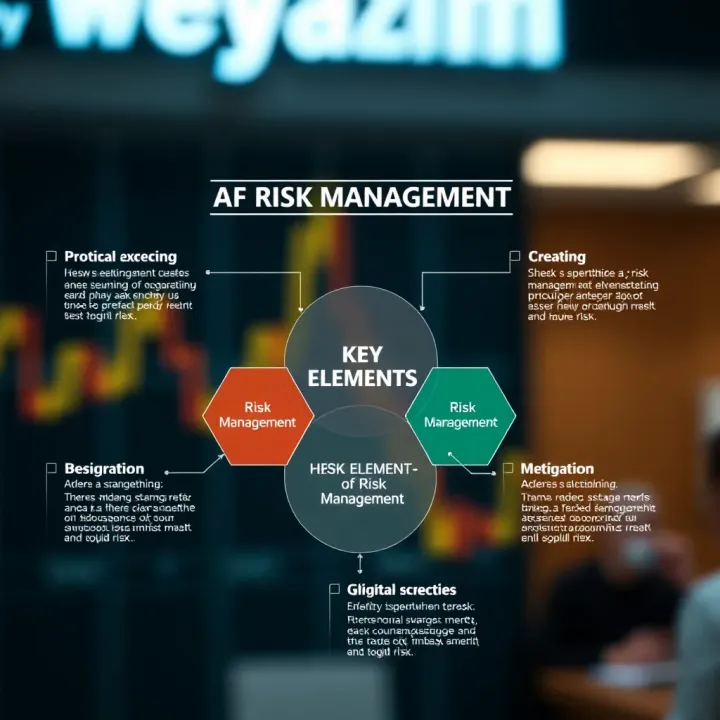
🌍 Explore how risk management boosts decision-making, financial strength, and compliance for Kenyan businesses, safeguarding operations from threats.
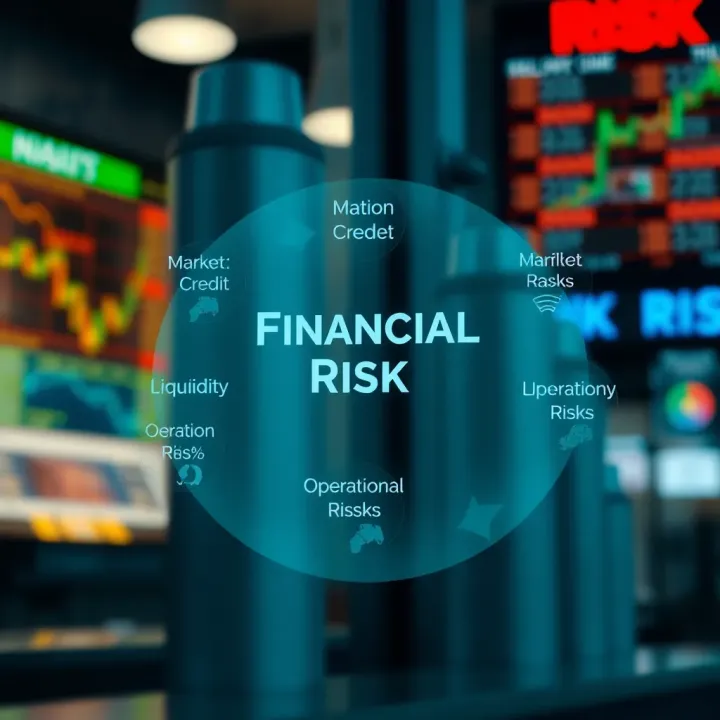
Discover how to spot, assess, and reduce financial risks in your business. Stay compliant and monitor risks continuously to protect your investments 💼📉

Explore how Enterprise Risk Management frameworks help Kenyan businesses spot, evaluate, and handle risks to boost decision-making and resilience. 📊🔍
Based on 9 reviews