
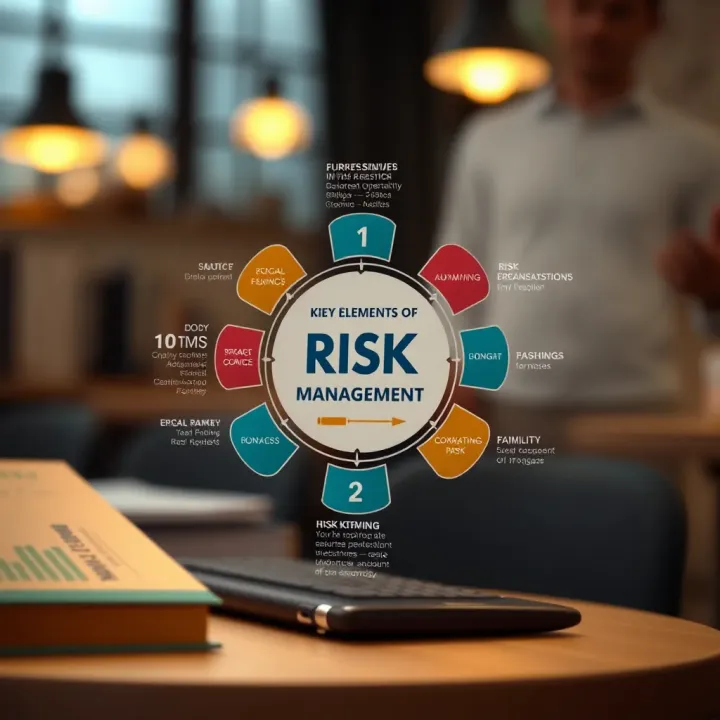
Risk Management in Kenyan Organisations
📊 Discover how risk management helps Kenyan organisations reduce uncertainties, protect finances, and boost growth. Learn practical steps and business examples to stay ahead.
Edited By
Emily Foster
Risk management forms the backbone of resilient organisations in Kenya's dynamic business environment. It is about recognising potential threats before they turn into costly problems and spotting opportunities worth pursuing. Investors, traders, and financial analysts who understand these steps stand a better chance of guiding enterprises through uncertainties while protecting investments.
At its core, risk management involves setting up a clear framework to identify, assess, and respond to risks. For example, a Nairobi-based agro-processing firm might face supply chain disruptions during the long rains season. Knowing this in advance allows them to plan alternative suppliers or increase stock levels. Similarly, a listed company must track market fluctuations on the Nairobi Securities Exchange (NSE) to guard against sudden shifts affecting share prices.

Effective risk identification depends on gathering diverse information—from internal reports, market trends, or even informal feedback from frontline staff. Tools like SWOT analysis (Strengths, Weaknesses, Opportunities, Threats) help map out risks systematically. Once risks are listed, prioritising them by likelihood and impact is key. For instance, a bank may rank credit default risk higher than currency risk when evaluating their portfolio.
A practical approach is to involve all levels of the organisation in spotting risks. Those working directly with customers or suppliers often see issues management might miss.
After assessment, organisations must choose how to handle risks. Options include:
Avoiding the risk altogether by changing plans
Reducing risk through controls and policies
Sharing risk, say via insurance or partnerships
Accepting risk when the cost of control outweighs the impact
Monitoring comes last but is ongoing. A risk that seemed low last year might grow today due to changes like regulatory updates or new competitors entering the market. This requires tools and regular reports to track risk status. Communicating risk information across departments helps keep everyone alert and aligned.
In essence, risk management is not a one-off task but a continuous process. Its effectiveness depends on weaving risk thinking into everyday decisions, especially in Kenya’s vibrant and sometimes unpredictable markets.
Setting up a risk management framework forms the backbone of any effective risk strategy in organisations. In practical terms, it means creating a structured approach that helps spot, understand, and deal with potential risks systematically. For Kenyan businesses, especially those navigating fluctuating markets or regulatory changes, having this framework reduces surprises and ensures the organisation stays on course.
Clear goals are essential right from the start. These goals guide all risk activities and help measure success. For example, a mid-sized Nairobi-based manufacturing firm might set objectives to reduce production downtime by 30% through better hazard controls. Defining such targets sharpens focus, making the process less abstract and more goal-oriented. Goals generally include protecting assets, maintaining regulatory compliance, and supporting growth initiatives.
A framework without assigned roles often collapses into confusion. Every stakeholder, from the board to operational staff, needs clear risk-related duties. For instance, the finance department may be responsible for financial risk assessments, while the safety officer handles physical risks related to equipment. Kenyan organisations can benefit from designating a risk officer or forming a risk committee that regularly reviews emerging challenges. Clear responsibilities create accountability and avoid duplicated efforts.
Policies and procedures spell out how to manage risks day to day. When practical and accessible, they guide staff on proper steps to take, whether it’s responding to a cyber threat or managing supply chain delays. For example, a policy could require all contracts to undergo legal risk review before signing. Procedures then outline the specific actions to follow, such as who to contact and how to document issues. Kenyan companies often link these policies to existing compliance demands, helping avoid costly penalties.
A well-built risk management framework isn’t just paperwork. It’s a living system that aligns everyone’s efforts towards spotting and handling risks before they escalate.
Organisations that invest time in these foundational elements set themselves up for more reliable decision-making, better resource allocation, and improved ability to cope with change. This structure also enables smoother communication across departments and with external partners like regulators and insurers.
Identifying risks early helps an organisation prepare before challenges escalate. This stage forms the backbone of effective risk management by spotting threats and opportunities before they affect operations or growth. Kenyan companies, whether in Nairobi’s bustling business centres or remote counties, gain a clear picture of vulnerabilities by using a variety of risk identification techniques.
Engaging stakeholders is a practical starting point for uncovering risks. Those involved range from employees, suppliers, and customers to regulators and community leaders. Their insights reveal real-time issues and emerging risks that formal reports might miss. For instance, a tea processing factory in Kericho might discover supply chain risks during talks with small-scale farmers, especially when unpredictable weather changes affect harvests. Gathering such information through meetings, surveys, or informal chats feeds into a more complete risk profile.
Structured tools provide consistency in identifying risks across different departments or projects. SWOT (Strengths, Weaknesses, Opportunities, Threats) analysis helps pinpoint internal and external challenges by systematically reviewing elements that could affect the organisation. For example, a fintech startup in Nairobi might use SWOT to capture risks such as regulatory changes or cyber threats while noting strengths that could mitigate these.
Checklists complement SWOT by ensuring common risk categories are not overlooked, such as financial risks, operational disruptions, or compliance failures. These can be customised based on industry and past experience. Practical application of these tools encourages thoroughness and makes risk identification repeatable and less dependent on individual memory or bias.

Past experience offers invaluable lessons in risk patterns and triggers. Examining company records on losses, missed deadlines, system failures, or market shifts reveals recurring risks needing attention. Additionally, understanding industry trends helps anticipate new risks before they materialise locally. For example, traders dealing with export goods pay close attention to East African Community (EAC) trade policies and market trends to avoid surprises related to tariffs or demand fluctuations.
Historical data combined with forward-looking trend analysis creates a balanced approach to risk spotting, especially useful for investors and financial analysts seeking to safeguard assets.
Bringing these techniques together sharpens risk visibility, enabling organisations to act decisively and allocate resources wisely. A practical risk identification effort tailored to the local business context lays the groundwork for smarter decision-making and smoother operations.
Assessing and prioritising risks helps organisations focus on threats that matter most. Not all risks carry the same weight; some can halt operations, while others barely cause a ripple. For Kenyan businesses, especially SMEs or investors, understanding which risks to tackle first ensures efficient use of limited resources. For instance, a horticulture export firm might prioritise climate-related risks over minor logistical delays.
To make better decisions, organisations must assess how likely a risk is to occur and the damage it would cause. Likelihood ranges from rare to almost certain. Impact measures losses, such as reputation damage, financial cost, or operational disruption. For example, a bank considering a cyberattack risk will judge how probable such an event is based on recent local data, and how deeply it might affect client trust and finances.
Evaluations should be evidence-based, using data wherever possible. This avoids guessing. A good practice is to ask: What past incidents inform this? How quickly can we recover? This helps prevent over- or underestimating risks.
A risk matrix is a simple tool combining likelihood and impact to rank risks. Risks falling in the ‘high likelihood-high impact’ zone demand urgent action, while ‘low likelihood-low impact’ may only need monitoring. For example, a Nairobi tech startup might place data breaches in the red zone due to high frequency and serious damage potential.
A well-designed matrix often uses a grid with rows for likelihood and columns for impact. Risks plotted here become visual, aiding quick prioritisation. This approach aligns diverse teams around shared priorities and guides resource allocation.
Risks don’t exist in isolation. Internal factors like staff skills, company culture, and financial health affect how a risk could unfold and be managed. External factors include market conditions, government policies, and global economic trends.
For example, a transport company might face rising fuel prices (external), but how that affects costs depends on internal fuel efficiency practices. Similarly, policy changes from the Kenya Revenue Authority (KRA) on taxation impact companies differently depending on their compliance readiness.
Organisations should regularly scan these internal and external environments to adjust risk assessments. This keeps the risk picture accurate and helps anticipate changes, such as shifts in consumer preferences or political instability.
A focused risk assessment helps an organisation channel its energies where they count the most. Don’t try to fight every fire; understand which risks could burn your business and act accordingly.
Proper assessment and prioritisation form the bedrock of any solid risk management plan. In a Kenyan context, this means more than ticking boxes — it’s about practical insights that protect investments and enable growth.
Putting risk mitigation measures into action is the part where plans meet reality. Organisations must choose practical steps to reduce the impact of identified risks and shield their operations. Getting this right helps prevent losses, protects reputations, and builds resilience against uncertain events. For instance, a Nairobi-based manufacturer might invest in backup generators to keep production running during power outages, directly cutting down on downtime costs.
Avoidance means steering clear of activities or decisions that expose the organisation to risk. It's often the simplest way to eliminate a threat, though it might not always be feasible if it conflicts with business goals. For example, a financial firm may avoid investing in unstable sectors known for regulatory uncertainties in Kenya, such as certain unregulated crypto assets, to protect its portfolio.
Reduction focuses on decreasing either the likelihood or the impact of risks. This could involve improving processes, upgrading technology, or enforcing safety protocols. A retail chain in Mombasa might enhance its stock security by installing CCTV cameras and training staff to spot theft, thereby reducing inventory losses.
Risk sharing means spreading the burden across parties, often through contracts or insurance. This isn't about avoiding risk but ensuring that if something happens, the financial impact is cushioned. For example, a construction company in Kisumu could share risks by bringing on subsuppliers with specialised insurance coverages, limiting its exposure to costly accidents.
Retention involves accepting the risk and preparing to handle its consequences internally, usually when the cost of control outweighs the risk’s potential impact. A start-up in Nairobi might retain minor cyber risks while focusing its resources on more critical security concerns, ensuring efficient use of limited budgets.
Effective risk mitigation demands clear budgeting and resource allocation. Organisations should prioritise funding based on their risk assessments—putting more resources where threats are greatest. For example, a bank facing fraud risks might allocate more budget to cybersecurity tools and staff training. Planning budgets should also factor in contingency funds for unexpected risk events, avoiding last-minute financial strain.
Staff training is key to making risk controls effective. Employees across all levels should understand the risks, the measures in place, and their roles. Consider a company organising regular workshops on fraud prevention, which helps frontline workers spot suspicious activities. Raising awareness ensures that risk management becomes part of the daily culture, reducing chances of oversight or error. Without staff buy-in, even the best strategies can fail.
Strong risk mitigation is more than policies—it’s practical action, supported by proper funding and an informed team ready to respond.
All these measures together form a solid defence, helping Kenyan organisations face uncertainties with confidence and preparedness.
Monitoring and reviewing risk management activities are vital to keep an organisation’s risk strategy current and effective. Risks evolve over time, especially for Kenyan businesses affected by shifting market conditions, regulatory changes, or even seasonal factors like the long rains impacting transport and supply chains. Without continuous oversight, previously identified risks may worsen, while new risks could be missed altogether.
Key Risk Indicators (KRIs) serve as early warning signs for emerging issues. For example, a manufacturing firm in Nairobi might track machine downtime as a KRI to flag potential production disruptions. KRIs should be measurable, relevant, and timely, reflecting the specific risks your organisation faces. Regularly reviewing KRIs allows you to act before risks escalate, such as responding to a sudden surge in customer complaints which may indicate quality control problems.
Scheduled audits and assessments help verify if risk controls are working as they should. For instance, a financial institution might conduct quarterly audits on compliance with Anti-Money Laundering (AML) policies, since lapses could lead to heavy penalties from bodies like the Central Bank of Kenya. These reviews aren’t just for spotting failures but also for identifying opportunities to improve processes and save costs. Engaging both internal and external auditors provides diverse perspectives and deeper insights.
Risk plans must stay flexible. When unexpected events occur, like new taxes introduced by the Kenya Revenue Authority (KRA) or political developments affecting trade in the East African Community (EAC), businesses need to revise their risk strategies quickly. Updating plans involves revisiting risk assessments, adjusting mitigation measures, and communicating changes to all relevant teams. This responsiveness ensures the organisation remains resilient and doesn’t get caught off guard.
Regular monitoring and reviewing of risks is not a one-off task but a continuous cycle. It strengthens decision-making and keeps your organisation ready for whatever comes next.
By integrating these activities into daily operations, organisations can better protect their interests, optimise resource use, and improve overall performance. This ongoing vigilance is especially important in Kenya’s dynamic business environment, where external factors can change swiftly and unpredictably.
Effective communication of risk information is vital to ensure that all parties involved understand what risks exist, how they might impact the organisation, and what actions are necessary. In Kenyan businesses, clear risk communication bridges gaps between management, employees, and stakeholders, enabling timely decisions that prevent losses and seize opportunities. When risk information flows well, it supports transparency and builds trust within the organisation.
Reporting risk issues to management and stakeholders needs to be systematic and timely. Managers rely on clear, concise updates to make informed decisions, while stakeholders expect transparency regarding potential threats and mitigation plans. For example, a financial institution may report quarterly risk exposures in the loan portfolio, highlighting emerging default trends so that board members can approve corrective measures. Using straightforward language and summarising key points helps avoid information overload. Reports should include both current risk status and recommended actions to guide decision-making effectively.
An open culture where employees feel comfortable discussing risks encourages early detection of problems. Organisations in Nairobi’s bustling jua kali sector often thrive because informal chats reveal challenges before they escalate. Promoting open dialogue can involve regular risk workshops, suggestion boxes, or simple meetings where staff share observations without fear of blame. This two-way communication helps organisations spot risks that formal channels might miss and improves risk responses with practical input from frontline workers.
Modern technology plays a key role in risk management communication. Tools like project management software, instant messaging platforms, and data dashboards keep teams connected and updated. In Kenyan companies, platforms such as Microsoft Teams or Slack can integrate risk alerts, allowing teams to respond quickly. Data visualisation tools help present complex risk metrics clearly, enhancing understanding across departments. Additionally, digital reporting reduces paper costs and speeds up the flow of information to remote stakeholders, important in a country where field teams may operate far from headquarters.
Communicating risk clearly and promptly enables organisations to act confidently and stay ahead of challenges, protecting their operations and reputation.
In summary, effective risk communication unites an organisation’s efforts. Reporting keeps leadership informed, open dialogue uncovers hidden risks, and technology ensures the right information reaches the right people at the right time. Kenyan businesses that master these aspects improve their risk posture and overall resilience.
📊 Discover how risk management helps Kenyan organisations reduce uncertainties, protect finances, and boost growth. Learn practical steps and business examples to stay ahead.
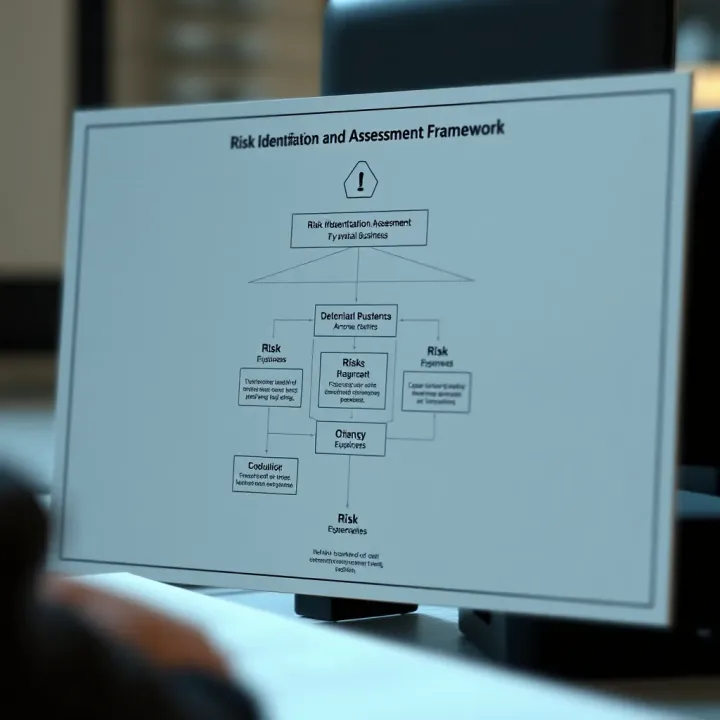
📊 Navigate risk with confidence! Learn how Kenyan businesses can identify, assess, plan, monitor, and review risks to safeguard operations, finances, and reputation today.
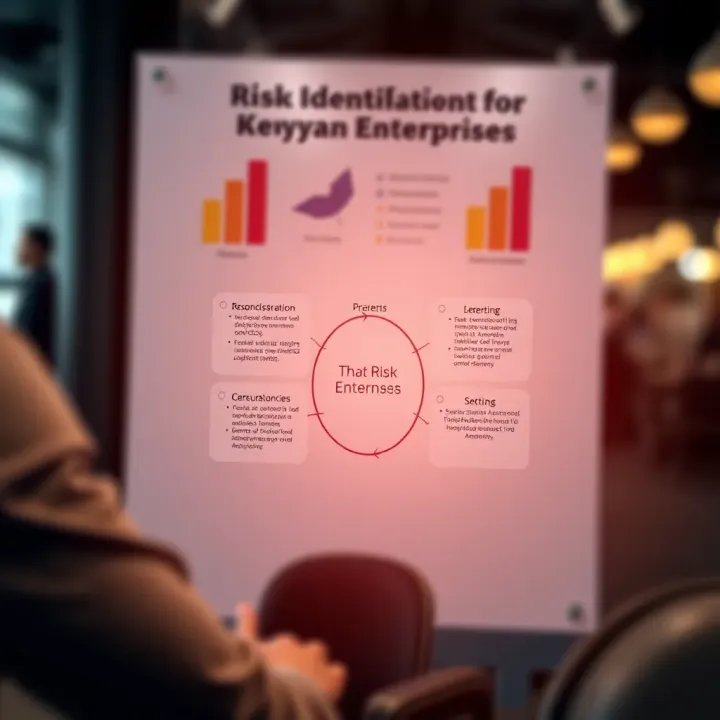
Learn practical risk management steps tailored for Kenyan businesses🏢. Identify, assess, and reduce local risks to improve resilience in Kenya's dynamic market🌍.
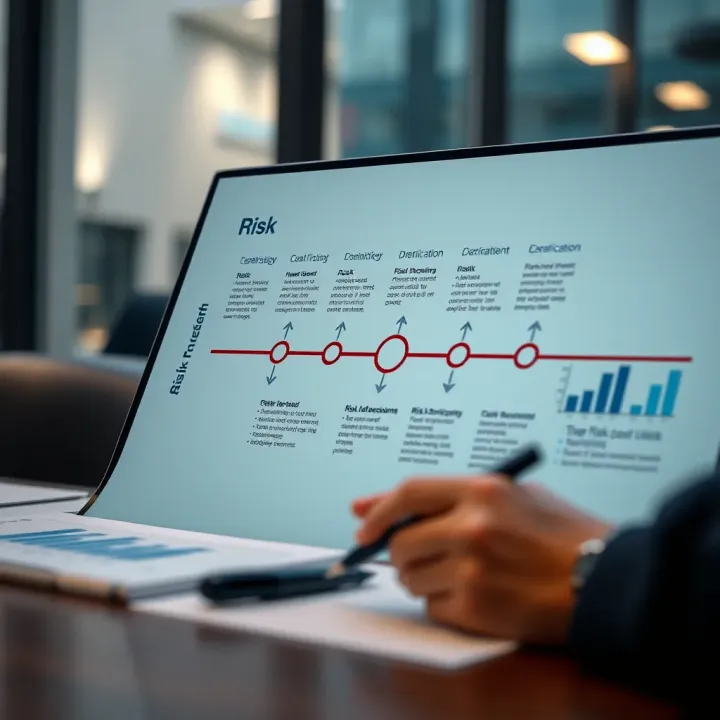
📊 Learn practical steps to spot, evaluate, and manage risks in Kenyan businesses or communities. Stay ahead by monitoring controls and reducing threats effectively.
Based on 6 reviews