
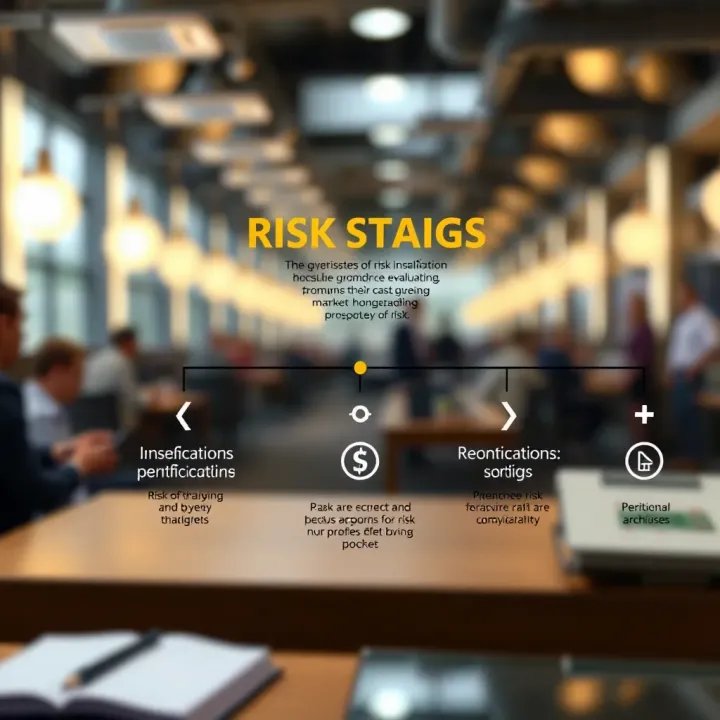
Understanding Risk Management Steps
📊 Learn how Kenyan businesses and professionals can identify, assess, and control risks using practical steps to stay strong amid change and uncertainty.
Edited By
Isabella Price
Risk management is not just a buzzword for big corporations; it is a practical necessity for any organisation keen to survive and thrive in uncertain environments. Whether you are an investor handling portfolios, a trader dealing with fast markets, or a financial analyst guiding decisions, understanding the risk management process is key to making better choices and protecting your assets.
At its core, risk management involves a sequence of steps aimed at spotting potential threats early, measuring their impact on your operations, and taking deliberate actions to minimise harm. Organisations in Kenya and beyond face diverse challenges – from market fluctuations and regulatory changes to operational disruptions and cyber threats. Having a practical guide to navigate these risks helps build resilience and maintain steady growth.
Effective risk management is about preparation, not prediction. You can't foresee every problem, but you can plan for likely scenarios and reduce surprises.
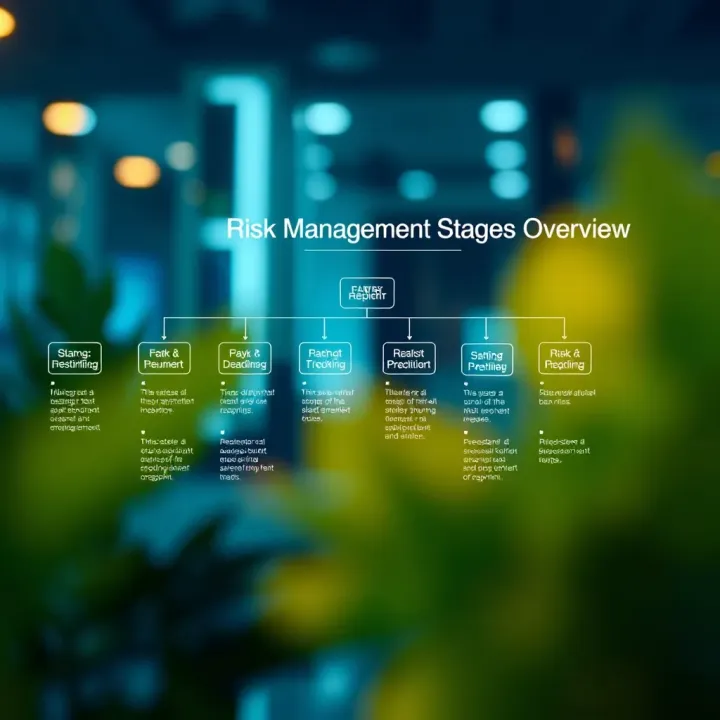
This guide breaks down the risk management process into clear and actionable stages:
Identification: Recognise risks relevant to your business or investment. For example, a trader might flag currency volatility, while a broker identifies compliance gaps.
Assessment: Gauge the likelihood and impact of each risk. This usually involves both qualitative judgement and quantitative tools such as risk matrices or financial models.
Mitigation: Develop strategies to lessen risks. This might range from hedging investments to enforcing tighter security measures in data systems.
Monitoring: Keep track of risk factors continuously. Emerging threats and shifting conditions need frequent review.
Reporting: Document findings and actions clearly. In Kenya, sharing risk reports in accessible formats like PDFs ensures that stakeholders, including boards and regulators, stay informed.
Organising your risk management documentation — using standard templates and digital formats such as PDFs — can greatly improve communication and record-keeping. Many Kenyan businesses now integrate such plans with local regulatory requirements, for instance aligning with the Capital Markets Authority (CMA) guidelines or Central Bank of Kenya (CBK) frameworks.
Understanding this process gives financial professionals practical tools to protect investments and support business strategies reliably. It also encourages a culture of accountability and vigilance, vital in today’s dynamic market conditions.
The following sections will unpack each stage of the risk management process with Kenyan-specific examples and methods you can apply directly in your area of work.
Risk management forms the backbone of any successful organisation, especially in today's unpredictable business environment. Understanding how to identify, assess, and respond to risks can save a company from severe financial losses, reputational damage, or regulatory issues. For investors, traders, financial analysts, brokers, and educators, getting a grip on risk management is not just about compliance, but about securing long-term stability and growth.
Risk management is essentially the process organisations use to spot potential problems before they occur and to plan responses that minimise harm. It encompasses threats ranging from market fluctuations, operational hiccups, regulatory changes, to geopolitical shifts. For example, a Nairobi-based agribusiness might face climate-related risks during the long rains, affecting crop yields and, subsequently, earnings. By having a risk management strategy, this business can explore insurance cover options or diversify crops to reduce vulnerability.
In practical terms, risk management helps organisations allocate resources wisely, avoid avoidable losses, and create more reliable forecasts. It also builds confidence among stakeholders, including investors who want assurance their investments won't be blindsided by hidden risks. Whatever the size or sector, Kenyan businesses stand to benefit from formal risk management processes, especially given the local market's dynamic nature.
Having a structured risk management process ensures that risks don’t come as a surprise and are handled consistently across the organisation. Without this, companies may react in a haphazard way, which could escalate problems rather than solve them. A clear process defines roles, timelines, and methods for monitoring risks — preventing gaps that unscrupulous actors or simple oversight might exploit.
Take the case of a financial institution in Kenya facing the threat of cyber-attacks. A structured process would include regular vulnerability assessments, staff training on phishing scams, and a solid incident response plan. This proactive approach not only limits potential losses but also meets regulatory expectations set by bodies like the Central Bank of Kenya.
A structured approach offers clarity, reduces uncertainty, and keeps all stakeholders aligned, ensuring risks are not left to chance but managed firmly and transparently.
In addition, such processes facilitate better decision-making and prioritisation. When risks are evaluated systematically, organisations can focus on those with the highest impact and likelihood, rather than spreading resources thinly. This selective attention is especially crucial in Kenya’s diverse business landscape where small and medium enterprises operate with limited budgets but face a spectrum of risks.
Ultimately, the introduction to risk management and its importance lies in recognising that risk is not just a threat but also an opportunity to strengthen resilience and enhance value creation.
Effective risk management rests on a clear process with defined steps. These key stages help organisations identify potential threats, assess their impact, decide how to act, and keep track of risk controls. For investors, traders, and financial analysts, understanding these steps means better decisions and improved resilience against unexpected shocks.

The first step is spotting risks before they cause damage. This means scanning all areas that can affect your business, including market volatility, regulatory changes, or operational failures. For instance, a stockbroker might identify risks linked to political elections that could sway market sentiment. Practical tools such as checklists, brainstorming sessions, or reviewing past incidents can unearth hidden risks. Keep in mind that risks may be obvious or subtle, affecting finances directly or indirectly.
Once risks are identified, you need to understand their severity and likelihood. This helps in prioritising which risks need urgent attention. Use quantitative measures like value-at-risk (VaR) or scenario analysis where possible, or qualitative assessments where data is sparse. For example, a financial analyst evaluating foreign exchange risk might assess how currency fluctuations could affect returns. Evaluating risks enables allocation of resources to tackle the most threatening ones first.
After evaluating risks, the next move is deciding how to handle them. Mitigation strategies vary widely—transferring risk via insurance, implementing hedging techniques, or improving internal controls. A local SME, for example, might hedge against fuel price rises by negotiating fixed price contracts. The response should balance cost and effectiveness, ensuring acceptable risk levels without overburdening resources.
Risks and business environments evolve, so continuous monitoring is key. Regularly review risk controls and measure their effectiveness. This can involve updating risk registers, performing audits, or tracking key risk indicators (KRIs). For instance, a trader monitoring stock market positions will adjust strategies swiftly in reaction to new information. Monitoring ensures the risk management approach remains relevant and active.
Successful risk management is an ongoing cycle, not a one-time task.
By following these steps, organisations develop a more robust way to handle uncertainties. Practical application of this process safeguards investments and improves confidence among stakeholders in Kenya’s dynamic market environment.
Documenting risk management processes is not just a formality but a critical practice that brings structure and clarity to how organisations handle uncertainty. Proper documentation ensures that risks are tracked consistently, responsibilities are clear, and actions are verifiable. For investors, traders, financial analysts, brokers, and educators, well-kept records provide a reliable reference to assess how risks evolve and whether mitigation efforts work as intended.
Clear documentation also supports regulatory compliance and audit trails. For example, in Kenyan financial markets, entities must submit risk reports to bodies like the Capital Markets Authority (CMA) regularly. Without proper records, this becomes cumbersome and error-prone. Having a well-organised system speeds up reporting and reduces the chance of missed deadlines or incomplete data.
PDFs play an important role in preserving the integrity and format of risk management plans. When sharing sensitive documents among stakeholders or external auditors, PDFs ensure the content looks the same on all devices and is difficult to alter without detection. This is especially important when finalising plans or reports.
Consider a Nairobi-based investment firm preparing its annual risk assessment. Sharing their risk plan as a PDF means legal teams, compliance officers, and managers can all view a single, consistent version. The firm avoids confusion that comes with multiple Word or Excel versions that might have conflicting figures or outdated risk controls.
Moreover, PDFs support encryption and password protection, adding a security layer that safeguards confidential information from unauthorised access. Tools embedded in PDFs – such as bookmarks and hyperlinks – also help navigate large documents efficiently.
Using templates eliminates guesswork and boosts consistency across risk reports. Templates often include standard sections like risk identification, assessment results, mitigation actions, and monitoring updates. For Kenyan businesses, templates customised with local regulatory requirements or specific market risks can simplify compliance.
Several digital tools are popular for risk reporting. Software like Microsoft Excel is widely used for risk registers due to its flexibility and powerful calculation functions. Dedicated risk management platforms, such as Resolver or LogicManager, automate report generation and provide dashboards for tracking risk metrics.
For SMEs or educators who may not afford expensive tools, free or affordable options like Google Sheets combined with cloud storage can facilitate collaboration and version control. M-Pesa can integrate for payment tracking related to risk mitigation expenses, providing an audit trail of financial commitments.
Effective use of templates and documentation tools ensures risk management stays organised, transparent, and accessible. It makes reporting more than just a task—it becomes a way to learn, improve, and anticipate future challenges.
In summary, solid documentation using PDFs and well-designed templates transforms raw data into actionable insights. They make risk management a living process that supports strategic decisions and fosters trust among all parties involved.
Risk management in Kenyan businesses is not just a formality but a practical necessity. The local market environment presents unique challenges such as fluctuating exchange rates, political changes, and unpredictable weather patterns affecting agriculture and logistics. Applying risk management helps businesses anticipate these hurdles, avoid costly mistakes, and remain competitive.
Many small and medium enterprises (SMEs) in Kenya rely heavily on informal networks and personal relationships. For example, a coffee cooperative in Nyeri uses risk management by diversifying buyers and keeping track of payment histories to reduce credit risks. Some matatu owners use simple cash flow tracking to cushion against fuel price surges and maintenance costs. These practical measures help avoid cash shortages that could stall operations.
Agribusiness ventures often face weather-related risks. For instance, sunflower farmers in Kitui apply crop diversification to spread risks caused by unreliable rainfall during the long rains season. This approach is a form of risk mitigation tailored to local environmental conditions.
Kenyan businesses face challenges such as inconsistent power supply, which disrupts production in manufacturing firms. The high cost of insurance and limited access to affordable risk transfer options also hinder some SMEs from fully protecting their assets.
Corruption and bureaucratic delays can upset supply chains, as seen with delays at county government offices affecting construction projects. Inflationary pressure on raw materials drives production costs up unexpectedly. Risk management plans therefore need flexibility to adapt to these changing conditions rather than be rigid frameworks.
Technology plays an increasing role in managing risks for Kenyan enterprises. Mobile money platforms like M-Pesa enable businesses to receive payments promptly, reducing the likelihood of cash losses. Safaricom's Lipa Na M-Pesa Till Numbers allow SMEs to separate personal and business funds, easing financial tracking.
Digital record-keeping tools help firms monitor inventory and sales patterns, giving early warning signs of potential shortages or fraud. Some traders use mobile apps for real-time currency exchange rates, helping to hedge against forex risks.
Leveraging such locally relevant technology supports quicker decision-making and tighter risk controls, especially for businesses operating with tight margins.
In summary, applying risk management within Kenya requires understanding its distinct economic and cultural environment. Practical steps like diversification, flexibility, and digital tools help Kenyan businesses stay resilient amid uncertainties.
Adopting best practices in risk management is vital for any organisation aiming to navigate uncertainties and protect its assets effectively. These practices help build resilience by ensuring risks are not only identified but also managed systematically. Kenyan businesses, whether SMEs or larger firms, stand to gain by embracing these principles, which foster proactive risk control and support sustainable growth.
A risk-aware culture begins at the top but must permeate every level of an organisation. When employees understand the importance of recognising and reporting risks, they contribute to early detection and swift action. For instance, a Nairobi-based manufacturing company encouraged its line managers and factory workers to flag equipment faults or safety concerns immediately. This simple approach reduced accidents and production downtime significantly.
In Kenya’s dynamic market, where rapid changes and informal practices dominate, a risk-aware culture is a competitive edge. It means people feel responsible, not just for their jobs but for the overall safety and stability of the organisation. Leadership plays a critical role by setting clear expectations and rewarding cautious, responsible behaviour.
Continuous training ensures that staff have the knowledge and skills to identify, assess, and mitigate risks properly. This is especially crucial in environments with fast-changing regulations or emerging threats. For example, financial analysts at a Kenyan investment firm underwent refresher courses on regulatory compliance and data security after cyber threats increased.
Practical training sessions, such as simulated risk scenarios or workshops on how to use risk reporting tools, improve employee responses. This investment in capacity creates confidence and reduces costly mistakes. Moreover, training is linked to better use of risk management technologies, like digital reporting platforms or M-Pesa-based transaction monitoring.
Risk management is not a one-time effort; it needs ongoing review and adjustment. Gathering feedback from employees about risk policies and procedures uncovers blind spots and practical challenges. For instance, a logistics company in Mombasa held quarterly meetings to review incident reports and discussed ways to strengthen controls, such as improving vehicle maintenance schedules.
Engaging frontline workers in feedback loops often reveals issues that managers miss. Adjusting risk strategies based on real-world experience keeps controls relevant and effective. Kenyan businesses face unique challenges, such as fluctuating fuel prices or infrastructure delays, so continuous learning helps them adapt swiftly.
Embedding these best practices ensures your risk management process is not just a paper exercise but a living part of your organisation’s daily operations.
By fostering a risk-aware culture, investing in training, and embracing continuous feedback, businesses can stay ahead of threats and thrive in Kenya’s vibrant economic environment.
📊 Learn how Kenyan businesses and professionals can identify, assess, and control risks using practical steps to stay strong amid change and uncertainty.

🔍 Explore how risk management helps identify, assess, and control threats to protect businesses and individuals in Kenya from uncertainties & losses.
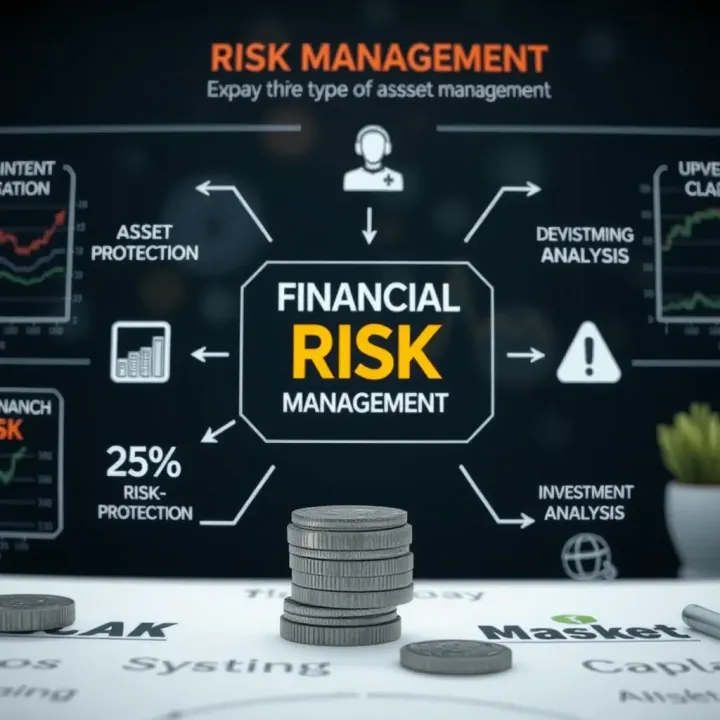
Explore key types of risk management in Kenya's businesses 🇰🇪. Learn how financial, operational, strategic & compliance methods protect assets & ensure stability.
📊 Understand the risk management process clearly, from spotting risks to checking controls. Learn how this protects Kenyan businesses and keeps operations steady.
Based on 5 reviews