
Understanding Risk Management Basics
🔍 Explore how risk management helps identify, assess, and control threats to protect businesses and individuals in Kenya from uncertainties & losses.
Edited By
Emily Clarke
Project risk management is about spotting issues before they stall or derail a project. In Kenya’s dynamic business environment, understanding this can make the difference between missing deadlines and delivering successful projects.
Simply put, risk management involves identifying potential problems, assessing their likelihood and impact, then planning how to handle them. For instance, if a construction project in Nairobi faces possible delays due to unreliable suppliers, risk management steps in to prepare alternative plans or negotiate delivery guarantees.
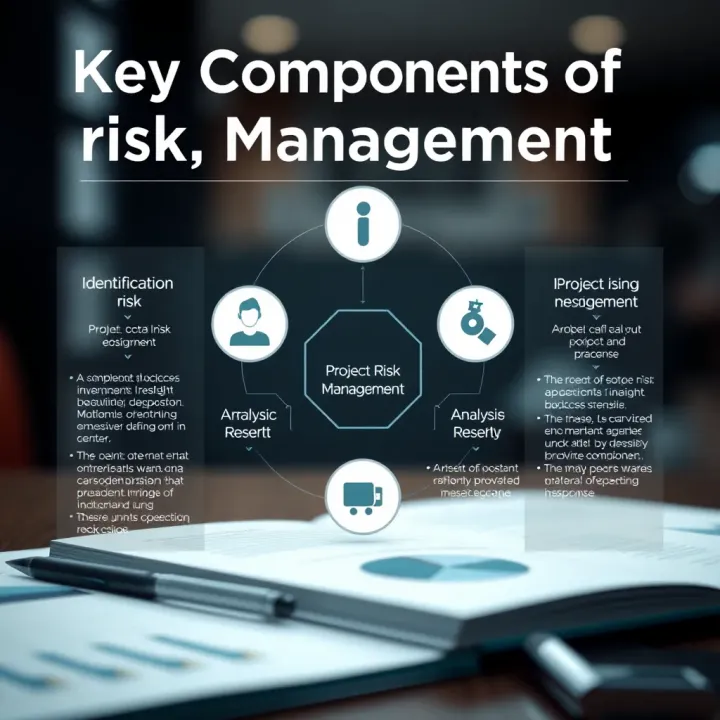
Good risk management saves time, money, and stress by turning unknowns into manageable challenges.
This process is not just for big firms or complex ventures. Even small projects, whether launching a new product or organising an event, benefit from a clear approach to risks. It helps leaders make informed choices instead of reacting only when problems arise.
Key elements in effective risk management include:
Risk Identification: Spotting what could go wrong. Think about political unrest affecting supply chains or delayed payments common in local markets.
Risk Analysis: Assessing how likely these risks are to happen and the damage they might cause.
Risk Response Planning: Deciding how to prevent, mitigate, or accept each risk. For example, a software development project might allocate extra budget for emergency fixes.
Monitoring and Control: Keeping an eye on risk triggers throughout the project’s life.
Applying these steps in Kenyan projects means considering unique factors like infrastructure challenges, regulatory changes, fluctuating currency rates, or social factors such as strikes.
Understanding project risk management thoroughly equips you to handle surprises better. It ensures you’re not just lucky but prepared to steer projects successfully, even when things don’t run as expected.
In the next sections, you’ll get practical insights into each risk management phase tailored for local conditions, helping you manage projects more confidently in Kenya.
Project risk management is about recognising potential obstacles before they derail your project. It helps teams plan for uncertainties and put measures in place to handle surprises. When well defined, it becomes easier to keep projects on track, manage resources effectively, and maintain clear communication among stakeholders.
Consider a road construction project in Kisumu. By identifying risks like supply delays or unexpected weather, managers can schedule around these possibilities rather than scrambling afterward. Defining project risk management helps you see these issues early, so you reduce losses and rework.
Project risks are potential events or conditions that could affect your project's success, either positively or negatively. For example, a software rollout in Nairobi might face risks from network outages or staff turnover. Understanding these risks allows the team to prepare responses instead of reacting blindly.
Risks aren’t certainties; they're possibilities that need assessment and planning. Treating uncertainties as manageable parts keeps projects smoother and cuts unexpected costs.
A risk is a future event that may occur, like a delay in supplier deliveries, while an issue is a problem currently affecting the project, such as a broken machine on site. This distinction matters because risks need early identification and planning, whereas issues require immediate resolution.
For instance, a county hospital project might identify risks like funding delays beforehand. Once the funds are delayed, it becomes an issue needing urgent attention to avoid stalling construction.
Uncertainty is the unpredictable element that surrounds every project. It’s about not knowing exactly when or if a potential risk will impact your task. Recognising uncertainty compels project managers to remain flexible and adapt plans as conditions change.
For example, in agricultural projects relying on weather patterns, uncertainties are high. Successful teams monitor forecasts and adjust crop schedules accordingly.
Risks have direct effects on whether a project meets its goals — whether delivering on time, within budget, or to the expected quality. Ignoring risks leads to delays and quality compromises, while managing them keeps objectives achievable.
Take a fintech start-up introducing a new mobile payment app; failure to manage cybersecurity risks could jeopardise customer trust and lead to project failure.
Unchecked risks often cause budget overruns and missed deadlines. For instance, delays in importing specialised equipment can increase costs due to storage fees or rush shipping charges.
Good risk management spots these threats early, allowing teams to allocate extra time or find cheaper alternatives, thus protecting the project’s financial health.

Stakeholders—from investors to end-users—expect projects to deliver promised outcomes. Managing risks maintains trust by showing that potential problems are handled proactively.
For example, in community water projects, involving locals in risk discussions ensures their concerns are addressed early, safeguarding their interests and project acceptance.
Managing project risks isn’t just about avoiding problems — it’s about planning smartly to keep projects on course, safeguard investments, and deliver value to everyone involved.
Effective project risk management revolves around a set of core processes that help anticipate, assess, and address potential threats to a project's success. These processes enable project managers and teams to stay ahead of problems before they escalate, ensuring smooth delivery and safeguarding investments. In practice, following these steps cuts down surprises, controls costs, and helps keep timelines on track.
Spotting risks early is the first step to managing them well. Techniques like brainstorming sessions, checklists, and reviewing past projects help uncover threats that might not be obvious at first glance. For example, in a Nairobi real estate development, risks like fluctuating building material prices or delays in county permits might surface during a focused risk identification workshop.
Involving the project team and stakeholders in this stage enriches the risk pool. Locals or suppliers may highlight on-the-ground challenges that outsiders overlook. Engaging early with finance officers, engineers, and community representatives ensures the list of risks reflects diverse perspectives, making it more reliable for planning.
Once risks are identified, the next step is to analyse them. Qualitative analysis uses descriptions and categories — like high, medium, or low risk — to make sense of potential issues quickly. Meanwhile, quantitative analysis assigns numbers to risks, estimating probabilities and financial impact, offering a detailed picture suited for complex projects with big stakes, such as infrastructure contracts funded by multilateral banks.
Assessing the likelihood of a risk occurring and its potential impact allows project teams to prioritise their focus. For instance, a risk with a high chance of happening but with low impact might be monitored but not heavily budgeted for, while a rare but potentially catastrophic risk demands urgent attention.
After knowing which risks matter most, teams plan how to deal with them. Common options include avoiding the risk (changing project scope), mitigating it (reducing chance or impact), transferring it (outsourcing or insurance), or accepting it when costs to manage outweigh benefits.
Choosing the right response depends on factors like available resources, time, and stakeholder tolerance. For example, a developer might choose to buy insurance against construction theft rather than increase security staff if the budget is tight but the risk significant.
Risk management doesn't stop at planning; continuous tracking during execution is crucial. This means regularly reviewing risk registers, updating on any changes, and making sure planned actions are carried out. In high-stakes projects like Nairobi’s road expansions, constant monitoring can identify emerging risks such as unforeseen weather effects or supply chain delays.
As new risks emerge or existing ones evolve, adjusting plans allows the project to stay adaptable. Perhaps a delay in funding necessitates revising schedules or resource allocation. Flexibility in response ensures projects aren’t blindsided by surprises and remain aligned with their goals.
For projects in dynamic environments like Kenya, actively managing risk processes is key to safeguarding investments and meeting deadlines.
By following these key processes thoughtfully, project managers build resilience against uncertainty and set up their projects for smoother sailing from start to finish.
Using the right tools and techniques is vital in managing project risks effectively. These aids help spot potential threats early, assess their impact clearly, and keep the team aligned on monitoring and mitigation efforts. Well-chosen methods also enhance communication among stakeholders and enable faster, more informed decision-making.
Risk registers are perhaps the most basic yet powerful tool in project risk management. They serve as a central log for all identified risks, detailing their description, likelihood, potential impact, owner's name, and planned responses. In Kenyan projects, especially those involving multiple parties or where regulatory requirements change often, maintaining an up-to-date risk register keeps everyone on the same page and prevents risks from being overlooked.
For example, a construction project in Nairobi might use the risk register to track delays caused by weather or materials shortages, giving the project manager clear visibility on issues to address urgently.
SWOT analysis offers a broader perspective by evaluating an organisation’s Strengths, Weaknesses, Opportunities, and Threats related to a project. It highlights internal factors (like staffing skills or equipment limitations) and external risks (such as market shifts or policy changes). Kenyan businesses often use SWOT in planning phases to prepare for risks specific to local conditions, such as market volatility or infrastructure unreliability.
This tool helps point out areas where a project's robustness can be bolstered or where caution is necessary to avoid pitfalls. It also sheds light on opportunities that can be exploited amid risks.
Probability and impact matrices rank risks by estimating how likely they are to occur and how severe their consequences would be. This visual tool simplifies prioritisation, ensuring thinly stretched resources address the riskiest issues first.
For instance, in a logistics project operating across Kenyan counties, a risk considered low probability but high impact—such as regulatory changes—can be prioritised due to its potential to halt operations.
Digital tools bring efficiency and accuracy to risk management. They allow real-time updates, automated alerts, and comprehensive reporting that paper-based systems struggle to offer. Using software also facilitates remote collaboration, a big plus for projects involving teams spread across Nairobi, Mombasa, Kisumu, or beyond.
Kenyan projects increasingly adopt platforms like Microsoft Project and Primavera P6, which include modules for risk tracking. More localised tools, such as Safaricom’s Digifarm app for managing agricultural risks, show how digitalisation supports specific sectors. These platforms often integrate with M-Pesa payments or county government portals, making it easy to combine risk management with financial and compliance tracking.
Employing software improves transparency and enables faster, data-backed decisions, reducing surprises and helping to keep projects within budget and on schedule.
In summary, combining traditional tools like risk registers and SWOT with modern digital platforms creates a solid framework for managing project risks. This balanced approach respects Kenyan project realities, offering practical ways to handle uncertainties effectively.
Having a solid risk management plan in place greatly improves a project’s chances of success. By clearly identifying and handling potential problems early, teams avoid costly delays and stay within allocated budgets. This not only keeps sponsors and investors happy but also reduces stress among project managers.
One direct benefit of effective risk management is staying on schedule and within cost limits. For example, a construction project in Nairobi that anticipates supply chain delays can plan for local sourcing options. This avoids downtime waiting for imported materials, saving both time and extra costs. Without risk planning, such delays often push projects beyond their initial timelines and budgets, hurting overall profitability.
Project teams can also reserve contingency funds for specific risks rather than overestimating costs upfront. By understanding which threats are most likely and impactful, managers allocate money precisely where it may be needed, ensuring no resource sits idle while unforeseen problems eat into budgets.
Managing risks is not just about cost and time; it also improves the quality of project deliverables. Consider a software development project servicing Kenyan clients where risks like changing user requirements or technology failures are identified early. By planning for these, the team can keep testing cycles flexible and incorporate client feedback promptly. This approach reduces defects and keeps the final product aligned with user needs.
When risks are overlooked, corners may be cut on quality to make up for lost time or budget, resulting in subpar outcomes. Proper risk management supports a balanced approach that protects deliverable standards while dealing with challenges as they arise.
Project environments in Kenya often involve unpredictability, from power outages to regulatory shifts. Risk management encourages teams to expect and prepare for such uncertainties, rather than reacting last minute. This preparation means fewer surprises and smoother adjustments.
For instance, if a project relies on imported equipment, foreseeing customs delays allows managers to adjust schedules or explore regional suppliers in East Africa. This readiness cuts down panic and rushed decisions, leading to more stable progress.
Effective risk management helps project leaders decide where to put their efforts and resources for the best impact. Instead of spreading resources thinly, teams focus on areas with higher risk exposure.
A Nairobi-based agribusiness project may find that pest outbreaks are a likely threat during rainy seasons. Knowing this, it can allocate more funds to pest control measures at those times instead of generic protective efforts year-round. This targeted resource use maximises value and boosts project resilience.
Well-planned risk management doesn’t eliminate problems but equips you to handle them smartly, improving your project's outcomes across the board.
Managing project risks in Kenya comes with unique challenges that can disrupt timelines, inflate costs, and complicate delivery. These hurdles often stem from gaps in risk awareness, limited resources, and frequent changes in regulations. Understanding these obstacles helps investors, traders, analysts, and educators prepare and adapt their strategies effectively.
Limited risk awareness among teams is a frequent challenge in Kenyan projects. Many teams lack formal training or experience in risk management, resulting in overlooked threats or delayed responses. For example, a construction project in a Nairobi suburb might ignore potential supply chain delays until materials fail to arrive on time, causing costly stoppages. The practical effect is that projects struggle to anticipate issues that could derail progress.
Budget and resource constraints also hamper risk management efforts. Smaller firms or public sector projects often have tight financial limits, which restrict investments in comprehensive risk assessment tools or expert advisers. For instance, an SME delivering a tech solution might skip thorough testing phases to cut costs, increasing the chance of bugs or failures during launch. Resource shortages can lead to under-staffing, inadequate contingency funds, and overworked teams, all of which increase vulnerability to risks.
Another major hurdle is Kenya's changing regulatory environment. Frequent updates to laws related to land use, taxes, and labour standards require constant monitoring and swift adaptation. Projects delayed by unclear or shifting rules risk fines or halted permits. For example, energy projects in counties like Turkana may face sudden permit adjustments from county governments, forcing quick plan changes. These uncertainties make risk planning more complex and time-sensitive.
Training and capacity building can bridge the knowledge gap in risk management. Organising workshops and on-the-job coaching raises team awareness about identifying and addressing risks early. Practical sessions that simulate real project scenarios help embed this culture. For example, a project manager conducting regular risk review meetings with teams ensures risks are monitored closely and mitigated proactively.
Using local knowledge and expertise is equally important for realistic risk assessments. Engaging local fundis, consultants, or community leaders provides insights into area-specific challenges like weather patterns or supplier reliability. In agriculture projects around Kericho, local climate knowledge helps anticipate drought-related risks, allowing for appropriate measures like water conservation initiatives.
Continuous engagement with stakeholders keeps everyone informed and aligned on risk status throughout the project. Regular communication with clients, suppliers, county officials, and financiers fosters trust and quick problem-solving. For example, early alerts over potential delays shared with financiers enable renegotiation of timelines before issues escalate, preserving relationships and financial stability.
Managing project risks in Kenya demands a hands-on approach that combines awareness, local insight, and collaborative engagement. Addressing these challenges head-on improves chances of timely, cost-effective delivery.
By recognising these hurdles and adopting practical steps to confront them, Kenyan projects can improve resilience and deliver better outcomes despite uncertainties.
🔍 Explore how risk management helps identify, assess, and control threats to protect businesses and individuals in Kenya from uncertainties & losses.
Explore practical risk management basics ➡️ understand key strategies, challenges, and how Kenyan businesses safeguard success effectively.
🔍 Learn core principles of risk management to protect your business or public service in Kenya. Manage threats wisely and secure your resources amidst change.
📊 Learn how Kenyan businesses and professionals can identify, assess, and control risks using practical steps to stay strong amid change and uncertainty.
Based on 12 reviews