
Principles of Risk Management Explained
📊 Learn core risk management principles to identify, assess, and control threats affecting businesses and projects in Kenya. Stay prepared and informed.
Edited By
James Cartwright
Risk management is a practical necessity, especially for those managing investments, businesses, or public services in Kenya. It means spotting potential problems or threats early, measuring how serious they are, and taking steps to reduce their impact. Whether you're a trader watching volatile market shifts on the Nairobi Securities Exchange (NSE) or a public official planning county resources amid unpredictable weather patterns, these principles help you stay ahead of risks.
Good risk management lets you make informed decisions; it’s not about avoiding risk but understanding and controlling it to protect what matters most.
Most organisations miss out because they treat risk as a one-time issue. Real risk management is continuous — you keep checking for new threats and adjusting your plans. For example, a farmer in Rift Valley might assess risks from drought, pests, and market price fluctuations yearly to safeguard livelihoods.
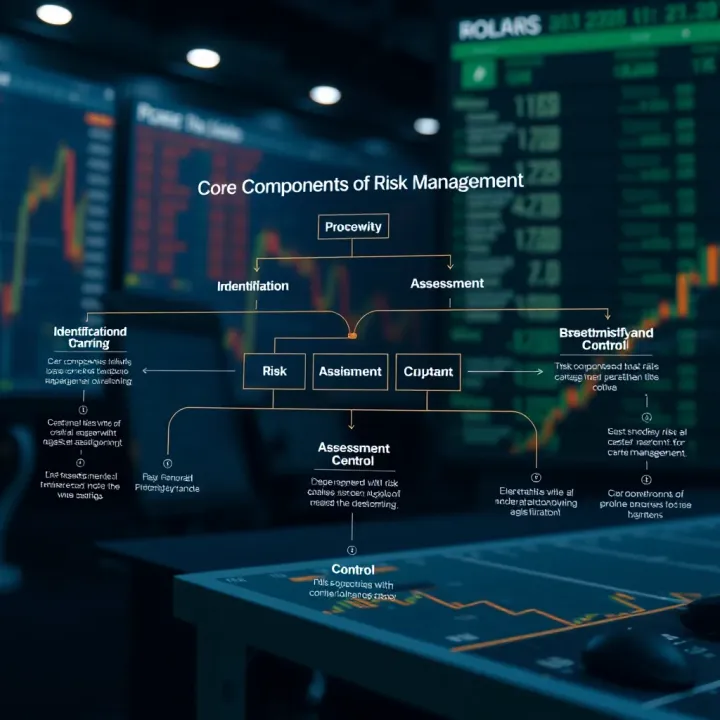
The key principles below highlight practical steps any investor, financial analyst, or manager can use today:
Identification: Start by listing all possible risks linked to your activity. Don’t overlook smaller threats; sometimes, they grow silently into major problems. For instance, for a small trader, delayed deliveries during Kenya’s long rain season can shut down operations temporarily.
Assessment: Once risks are identified, rate their likelihood and potential damage. Using tools like risk matrices, approximate which risks deserve urgent attention. A public service entity facing cyber threats must assess how a breach could disrupt citizen data.
Control: Put measures in place to manage risks. This may include diversifying investments across sectors, securing insurance, or adopting new technology. A Kenyan SME could reduce fraud risks by using secure M-Pesa Paybill systems for all transactions.
Monitoring: Risk landscapes change. For example, policy shifts by KRA or foreign exchange fluctuations can affect business profitability. Regular reviews ensure your risk controls remain effective.
By grasping these basics, Kenyan businesses and individuals can operate with confidence in various environments. A practical approach to risk is especially important given the rapid changes in technology, regulation, and market dynamics across East Africa.
Understanding and applying these principles helps you prevent losses, maximise opportunities, and build resilience — all critical for sustained success in Kenya’s busy economy.
Risk management is about recognising potential threats that might disrupt your goals, whether in business or personal investments. Understanding this helps you prepare, respond, and reduce unexpected losses. The principle isn't just for large firms but applies equally to small traders or individual investors who rely on steady decision-making to safeguard assets.
Risk refers to any uncertain event or condition that can affect outcomes negatively—or sometimes, positively. In practical terms, it could be a sudden drop in commodity prices affecting a farmer’s income or a shift in interest rates impacting a lender’s returns. In Kenya’s vibrant economy, risks also include regulatory changes, currency fluctuations, or supply chain interruptions. The key impact is that risks can erode profit margins, jeopardise projects, and destabilise financial plans when not managed properly.
Effective risk management turns uncertainty into calculable factors you can work with instead of unpredictable events catching you off guard.
For businesses, risk management ensures continuity and resilience. Imagine a Nairobi-based exporter facing unforeseen port strikes; a solid risk strategy, such as alternative delivery routes or insurance, helps to cushion losses. SMEs in Kenya, especially in the jua kali sector, gain stability by identifying risks early, enabling smarter allocation of limited resources.
Individuals also benefit by protecting their savings and investments from volatility and making informed decisions. For example, a pension fund manager adjusting portfolios to anticipate inflation prevents erosion of retirees' benefits. In a country where market dynamics can shift swiftly, risk management is the difference between steady growth and sudden setbacks.
By understanding the nature of risks and why managing them matters, you lay a foundation for sound decisions that protect your interests and promote sustainable growth in uncertain environments.
Risk identification forms the backbone of effective risk management. Without knowing what risks exist, it’s impossible to take meaningful steps to manage them. This principle is about systematically recognising potential threats that could disrupt your financial goals, business operations, or trading strategies. In Kenya’s fast-evolving business scene, from the informal sector to formal enterprises, spotting these risks early can make a big difference.
Catching risks early gives you a chance to deal with them before they spiral out of control. For example, a trader noticing sudden market instability in NSE stocks linked to political uncertainty can act quickly—perhaps by adjusting their portfolio or putting stop-loss orders in place. Early spotting reduces surprises, helps protect investments, and safeguards business continuity. It also improves decision-making by turning unknowns into manageable challenges.
Practical risk spotting means scanning both internal and external environments. It includes monitoring regulatory changes from bodies like the Capital Markets Authority (CMA) or Kenya Revenue Authority (KRA), as well as local economic shifts, such as inflation spikes or changes in mobile money transaction costs. Even a small jua kali business owner benefits from identifying risks ahead—for instance, noticing rising fuel prices that could hike delivery costs.
There are several tools that investors, traders, and financial analysts commonly use to pinpoint risks. One effective method is SWOT analysis (Strengths, Weaknesses, Opportunities, Threats), which helps map out internal vulnerabilities and external threats systematically. Another technique is scenario analysis, where different possible future states are visualised, allowing one to anticipate and prepare for varied economic or political developments.
Risk registers are widely used in organisations to list identified risks along with details like their source, likelihood, and possible impacts. For smaller ventures, keeping a simple risk log updated regularly can be effective. Other tools include:
Stakeholder consultations: Talking to clients, suppliers, and regulators brings insights you might miss alone.
Market monitoring software: Platforms tracking NSE price movements or currency fluctuations help detect emerging financial risks.
Historical data reviews: Analysing past crises or disruptions in your sector can highlight risks that are likely to resurface.
Regularly updating your risk identification tools ensures you keep pace with fast-changing conditions, especially important in environments like Nairobi’s volatile economic climate.
By actively identifying risks early and using appropriate tools, you lay the groundwork for a sound risk management strategy that can protect your investments and business interests from avoidable pitfalls.
Assessing risks is a vital step that builds on identifying potential threats by examining their nature and impact. This process lets you understand which risks demand the most attention and resources. Without a proper assessment, even obvious dangers might be overlooked or underestimated, leading to poor decision-making and avoidable losses. For instance, a business dealing in perishable goods must not only identify supply chain disruptions but also assess how likely such interruptions are and the scale of their consequences, such as lost stock worth KSh 2 million.
Evaluating likelihood means estimating how probable it is that a particular risk will happen. This could be based on historical data, expert opinions, or industry trends. For example, a small manufacturer in Nairobi would consider power outages more likely than a flood, based on patterns and infrastructure conditions. Consequences relate to the impact the risk event would cause if it materialised, measured in terms of financial cost, reputational harm, operational disruption, or legal penalties.
In practice, risks with a low chance of occurring but high impact—like a regulatory penalty of KSh 10 million—need different handling compared to risks that occur often but cause minor interruptions, such as daily minor equipment breakdowns. An investment firm evaluating market volatility will weigh both how often these price swings happen and their potential to wipe out clients’ portfolios. Proper assessment ensures resources focus where they can prevent the worst effects.
Once likelihood and consequences are clear, it becomes easier to rank risks by urgency and importance. This prioritisation guides where to start mitigation efforts. Usually, combining likelihood and impact into a simple scoring system helps. For example, using a three-by-three grid with categories of low, medium, and high for both likelihood and impact simplifies decision-making.
In Kenya’s fishing industry, a company might prioritise risks such as seasonal storms (high impact, medium likelihood) over gear theft (medium impact, high likelihood) because storms can cause more significant operational disruption and cost, even if they happen less often. Prioritising helps prevent spreading limited funds too thinly across many minor risks, instead allowing focus on those that threaten survival or major investments.
Effective risk assessment is not about eliminating all risks but understanding which ones could affect your goals most and preparing accordingly.
By carefully evaluating and prioritising risks, whether in finance, trade, or public service, decision-makers gain clarity and focus to protect resources and plan responses efficiently.
Having identified and assessed risks, the next step is to develop clear strategies to manage these threats effectively. This phase is critical because it shapes how resources are allocated and how risks are handled to protect an organisation’s interests. A well-thought-out risk management strategy not only limits potential losses but also helps seize opportunities that come with calculated risks.
Mitigation focuses on lowering the chance of a risk happening or reducing the damage it could cause. For example, a financial firm in Nairobi might implement stronger cyber-security measures to minimise the risk of data breaches. This could involve regular software updates, employee training on phishing scams, and setting up multi-factor authentication. By addressing risks at the root, mitigation helps reduce both likelihood and severity.
Mitigation strategies often require investment but usually save money and reputation in the long run. For instance, a construction company could invest in higher-quality personal protective equipment (PPE) to reduce injuries on site, which cuts down on compensation costs and project delays.
Sometimes, it's smarter to pass on the risk to another party or avoid it altogether. Transfer involves shifting the risk, typically through insurance or outsourcing. Kenyan businesses often use insurance policies to transfer risks such as fire, theft, or business interruption. For instance, reducing financial exposure in case of a warehouse fire by having comprehensive insurance cover.
Avoidance means steering clear of activities that carry high risks. A small-scale exporter might avoid markets with unstable political climates to prevent losses from sudden regulations or conflict. Avoidance isn't always possible or practical, but it works well when the risk outweighs any possible benefit.
Not all risks can or should be eliminated. Sometimes, accepting a risk is the best option, especially if the cost of mitigation or transfer is too high compared to the potential impact. For example, a trader might accept the risk of minor price fluctuations instead of constantly hedging, which could erode profits.
Accepting risk requires a clear understanding of its implications. Organisations should monitor these accepted risks closely and be ready to act if conditions change. Transparency about accepted risks also builds trust among investors and stakeholders, showing that the organisation is aware and prepared.
Developing practical strategies for risk management lets businesses control their fate better. Whether reducing, transferring, avoiding, or accepting risks, each approach needs to fit the organisation’s context and financial capacity.
To sum up, managing risks isn’t a one-size-fits-all plan. The best strategies come from balancing the nature of the risk, available resources, and business goals, all while staying flexible to adapt as circumstances evolve.
Effective risk management does not stop at developing strategies; putting controls in place and keeping an eye on them is just as vital. Implementing risk controls translates plans into action, ensuring risks are managed in practical ways that protect business goals. Monitoring these controls helps spot when they fail or become outdated, allowing timely interventions.
Risk controls must continue working as intended after implementation. Take an investment firm in Nairobi that introduces strict access controls to confidential client data. Without regular checks, staff might develop workarounds or the controls could become obsolete as technology changes. Scheduling regular audits and using monitoring software can keep these measures effective. Equally, performance indicators tied to the controls should be reviewed quarterly to ensure standards are met.
Failing to maintain risk controls often results in gaps that expose the business to losses or compliance penalties. Beyond technical checks, training staff on new policies maintains awareness and adherence. In practice, a bank that rolled out new anti-fraud measures should reinforce the controls through refresher courses and spot tests, ensuring employees understand their role in managing risks.
Well-implemented risk controls can quickly lose impact if not actively maintained and adapted. Regular evaluation safeguards the firm’s resilience.
Risk environments shift frequently, especially in fast-moving sectors like finance or technology. For example, a trader relying on algorithmic models must update risk controls to handle emerging cybersecurity threats or market regulations. Staying alert to external changes—such as new CBK guidelines or NSE trading rules—is crucial.
Implementing flexible controls that can be adjusted prevents the risk management framework from becoming rigid. Establishing a feedback loop from ongoing risk assessments to control design helps organisations respond quickly. This could mean introducing new software patches after a cyber threat or revising credit risk limits when client behaviour shifts.
Moreover, engaging different teams—including IT, compliance, and operations—in reviewing controls creates a broader picture of risks faced. This collaborative approach helps spot changes early and decide on suitable control updates to maintain protection.
In summary, implementing and monitoring risk controls is an active process that keeps risk management relevant and effective, protecting organisations from existing and emerging threats.
Effective communication and consultation form the backbone of any sound risk management process. Without clear and open dialogue, important risks can be overlooked, misunderstood, or inadequately addressed. In Kenya’s dynamic business and public sector environment, engaging right stakeholders early and throughout the risk management cycle strengthens decisions and ensures risks are handled in a way that suits local conditions.
Stakeholders include anyone affected by risks or involved in managing them: employees, suppliers, customers, regulators, and even community members. Including their viewpoints gives a fuller picture of potential threats and opportunities. For example, a Nairobi-based SME deciding on new supplier contracts should consult procurement officers, finance teams, and even field staff who interact with suppliers directly. Their insights help spot operational risks that might be invisible from senior management alone.
Engagement may take forms such as workshops, surveys, or informal chats but should aim for genuine two-way communication. It creates a shared understanding, aligns expectations, and fosters ownership of risk mitigation plans. Besides reducing resistance to change, it also unlocks local knowledge that makes risk responses more practical and effective.
Risk reporting must be clear, honest, and timely to build and maintain trust among stakeholders. Figures and findings should avoid jargon and highlight key concerns alongside positive developments. A practical approach is to use dashboards or visual summaries that simplify complex risk data yet allow drill-down details when needed.
Transparency also means reporting not just on risks but on how they are being managed. Kenyan public institutions, for instance, strengthen public confidence when they openly share how risks such as financial mismanagement or project delays are addressed. Businesses, on the other hand, reassure investors and partners by showing ongoing monitoring and adaption efforts.
Transparent communication in risk management creates a foundation of trust essential for collaborative problem-solving and timely action.
Clear reporting channels and regular updates prevent misinformation from spreading and help teams pivot quickly when new risks emerge or conditions shift. In summary, communication and consultation aren’t just formalities but practical tools that anchor the entire risk management framework in real-world understanding and continuous dialogue.
Embedding risk management into an organisation’s culture ensures it becomes part of everyday decision-making and operations. This approach moves risk management from being a one-off task to a continuous, shared responsibility. For Kenyan businesses and public entities dealing with frequent market shifts, regulatory changes, or supply disruptions, a risk-aware culture helps adapt quickly and reduce uncertainties.
Clear accountability forms the backbone of embedding risk management. When everyone, from directors to frontline staff, understands their role in spotting and managing risks, it creates a stronger defence against threats. For instance, a bank in Nairobi might assign specific team members the duty to review credit risks regularly. By linking risk management to job descriptions and performance targets, organisations build ownership and discourage risk avoidance behaviour.
Also, management should lead by example by openly discussing risks and mistakes rather than hiding them. This modelling fosters transparency and gives employees confidence to report potential issues early without fear of blame. Such an approach was visible in Safaricom’s handling of service interruptions where managers quickly informed customers and stakeholders, maintaining trust through honest communication.
Learning from previous risk events allows organisations to strengthen their controls and reduce repeat mistakes. After a supply chain disruption, a Kenyan manufacturing firm might analyse what caused delays, refine supplier contracts, or diversify sourcing to spread risk. Using post-mortems and risk reviews as routine practice keeps the organisation evolving.
Moreover, capturing lessons learnt in shared knowledge bases or training sessions ensures new employees benefit from past experiences. Over time, this creates an environment where risk thinking improves at all levels and adjustments happen faster. Without such a focus on continuous improvement, organisations often miss warning signs until risks escalate into crises.
Embedding risk management into culture transforms it from a box-ticking exercise to a powerful tool that protects resources and improves decision-making every day.
To practically embed risk management, organisations should:
Communicate risk policies clearly and regularly
Train all employees on risk awareness relevant to their roles
Reward accountability and transparent reporting
Review risk performance and lessons learned consistently
Encourage open dialogue on emerging risks and uncertainties
In summary, when risk management is part of the organisational DNA, Kenyan businesses and public bodies are better prepared to face change and safeguard their objectives.
📊 Learn core risk management principles to identify, assess, and control threats affecting businesses and projects in Kenya. Stay prepared and informed.
Discover how to spot, assess, and reduce financial risks in your business. Stay compliant and monitor risks continuously to protect your investments 💼📉

🔍 Explore how risk management helps identify, assess, and control threats to protect businesses and individuals in Kenya from uncertainties & losses.
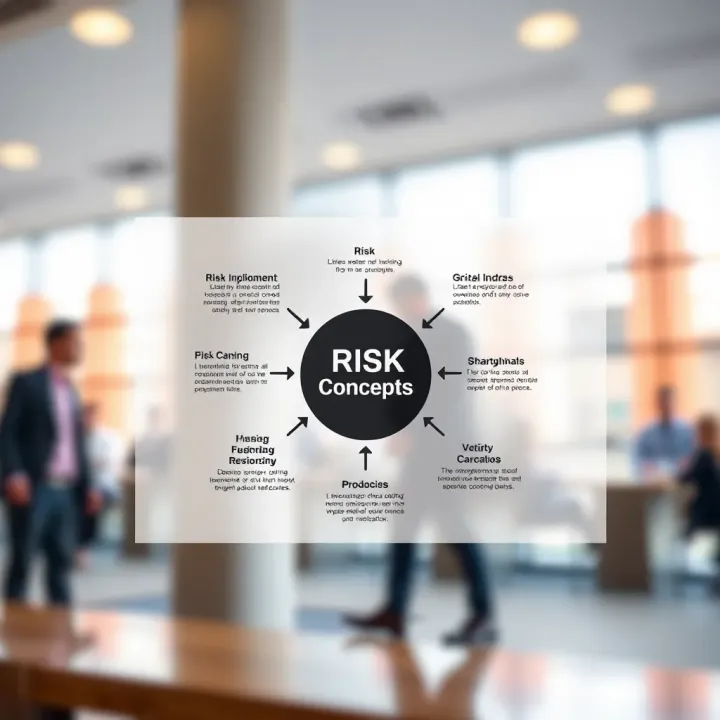
📊 Learn how Kenyan businesses can spot, assess, and manage risks with practical steps to protect assets and support steady growth in a changing market environment.
Based on 12 reviews