
Practical Steps for Effective Risk Management
Learn practical steps to manage risks affecting your business or daily life in Kenya ⚖️ from spotting threats to reviewing your safety plans effectively.
Edited By
Grace Turner
Managing risk is not just for big corporations in Nairobi or Mombasa; it matters for every investor, trader, and business in Kenya. From the jua kali sector to established financial firms, understanding how to deal with risks can save money and reputation. This process helps identify potential dangers early and guides the actions needed to reduce their impact.
Risk management isn’t about avoiding risk completely—that's impossible—but about handling it smartly. Whether it is currency fluctuations affecting importers, delays in matatu transport impacting deliveries, or regulatory changes by authorities like the Capital Markets Authority (CMA), a well-planned approach will keep your operations smoother.
In this article, we will break down practical steps used in risk management. These steps include spotting risks, assessing how serious they are, deciding what to do, putting plans in place, and checking how well those plans work. Each stage is tied to simple examples from Kenyan business settings, making the concepts clear and easy to apply.
Effective risk management gives you the power to protect your investments and make better decisions even when uncertainties arise.
By understanding and following these steps, you will be better equipped to handle challenges before they turn into costly problems. It’s not just about reaction but preparation—something that every businessman or woman, investor, or financial analyst operating in Kenya can benefit from greatly.
Risk is an unavoidable part of any business activity. For Kenyan enterprises, understanding risk means recognising potential events or conditions that could negatively affect operations, finances, or reputation. This knowledge helps leaders make informed choices to safeguard their investments and ensure the organisation stays on track.
In a business setting, risk refers to the chance that an action or decision could lead to loss or harm. These could be financial losses through currency fluctuations, delays in supply chain due to roadblocks or bad weather, or reputational damage from customer complaints that spread fast on social media. Unlike uncertainty, risk can be identified, evaluated, and managed.
Consider a small exporter in Mombasa facing the risk of fluctuating foreign exchange rates that can eat into profits. By analysing this risk, they might decide to secure forward contracts with a bank to fix the exchange rate, reducing exposure.
Managing risk protects businesses from preventable losses and unexpected shocks. Kenyan enterprises operate in a dynamic environment where factors like regulatory changes, political events, or even infrastructure disruptions can disrupt plans. For instance, a jua kali workshop might face material shortages during the rainy season, affecting production schedules.
By having a risk management approach, enterprises can plan how to handle such challenges before they escalate. This might include building relationships with multiple suppliers or maintaining a buffer stock of raw materials. Proper risk management also supports compliance with Kenya’s regulatory frameworks, such as those enforced by the Capital Markets Authority (CMA) or the Kenya Revenue Authority (KRA), preventing penalties that hurt the bottom line.
Effective risk understanding helps Kenyan businesses safeguard their future and maintain competitiveness in a landscape that is often unpredictable.
To sum up, grasping what risk means and why it matters is the cornerstone to managing it well. This foundation allows companies to spot threats early, plan appropriate actions, and keep their operations resilient in the face of challenges. The next steps in this article will guide you through the practical ways to identify, analyse, and control risks specific to the Kenyan business context.
Every business or project faces risks that can upset plans and impact success. Identifying potential risks early gives organisations time to prepare, cut losses, or even avoid problems altogether. This step is especially vital for Kenyan enterprises operating in dynamic markets influenced by economic shifts, policy changes, and local environmental conditions.
Recognising risks helps businesses allocate resources efficiently and prioritise efforts where the threats are greatest. For example, a Nairobi-based manufacturing firm might notice rising electricity outages as a risk affecting production schedules, prompting investment in backup power solutions before losses mount.
Operational risks arise from everyday business activities. These include risks linked to processes, technology, staff, or supply chains. For instance, a transport company relying on matatus might face risks of vehicle breakdowns or driver shortages, which disrupt services and harm client trust. Keeping an eye on operational challenges means organisations can train staff better, maintain equipment regularly, or switch suppliers before disruptions escalate.
Financial risks involve losses due to cash flow problems, currency fluctuations, or credit defaults. A Kenyan exporter paid in US dollars, for instance, may lose out if the Kenyan shilling weakens unexpectedly. Similarly, delayed payments from customers can cause liquidity gaps. Understanding these financial risks allows firms to negotiate better credit terms or use hedging where possible.
Compliance and legal risks relate to failing to meet regulatory standards. Kenyan businesses must obey tax laws enforced by the Kenya Revenue Authority (KRA), employment regulations by the Ministry of Labour, and sector-specific rules like those from the Capital Markets Authority (CMA) or National Environment Management Authority (NEMA). Non-compliance can result in fines, licence suspension, or reputational damage. Businesses need to stay informed on regulations and develop internal audits to avoid costly penalties.
Environmental and external risks come from outside the company but still affect operations. These include weather events like floods or droughts impacting agriculture, political instability, or sudden changes in market demand. A tea farm in Kericho, for example, might face production risks during long rains or disease outbreak. By identifying these risks early, firms can develop contingency strategies such as crop diversification or insurance coverage.

Brainstorming sessions gather team members to freely discuss potential problems. This approach taps into diverse perspectives, uncovering risks that might otherwise be missed. In Kenyan SMEs, involving employees from various departments during brainstorming can uncover operational risks linked to daily challenges on the ground.
Consultation with stakeholders includes engaging customers, suppliers, regulators, or local community leaders. Their insights often reveal emerging risks from market shifts or regulatory changes. For instance, consulting with NHIF officials might alert a healthcare provider about upcoming policy changes affecting billing processes.
Review of past incidents and data means examining previous losses, near misses, or complaints to spot patterns. A firm that analyses payment delays over the last year might notice certain clients consistently miss deadlines, signalling increased credit risk. Keeping good records and analysing trends helps pause before risks compound.
Identifying risks isn’t a one-off task but an ongoing practice. The sooner you catch hints of trouble, the faster you can act – often saving time, money, and reputation in the long run.
These early identification methods, combined, create a fuller picture of risks specific to your business context. They help ensure that Kenyan enterprises face fewer nasty surprises and have clear plans to handle challenges when they come.
Understanding the significance of analysing and assessing risks is a critical step for any investor, trader, or financial analyst aiming to protect their assets and make informed decisions. This phase involves examining identified risks in detail to judge not only how likely they are to happen but also the impact they would have on the business or investment portfolio. For instance, a Kenyan coffee exporter might assess currency fluctuation risks to determine how adverse exchange rate shifts could affect profit margins.
Risk evaluation typically involves two main approaches: qualitative and quantitative analysis. Qualitative analysis relies on expert judgement, experience, and descriptive scales to rate risks, such as classifying a risk as high, medium, or low based on observed trends or intuition. This method is practical when numerical data is scarce or when risks involve complex judgement calls, like assessing reputational damage from a regulatory hiccup.
On the other hand, quantitative analysis uses numerical data and statistical methods to estimate the probability and potential financial loss of a risk event. For example, a trader could use historical stock price volatility to calculate the likelihood of a price drop exceeding a certain threshold, helping to decide on stop-loss levels. Kenyan SMEs dealing with fluctuating commodity prices may find quantitative methods beneficial to model worst-case scenarios for budgeting.
Using risk matrices for prioritisation allows you to combine likelihood and impact into a visual tool that plots risks on a grid, typically with likelihood on one axis and impact on the other. This matrix helps identify which risks demand immediate attention—those with high probability and severe impact. For instance, a fintech startup in Nairobi might plot risks such as system downtime (high impact, moderate likelihood) alongside regulatory changes (medium impact, high likelihood) to allocate resources effectively.
The risk matrix clarifies where to concentrate efforts and budget, so organisations don't spread themselves thin addressing minor risks while ignoring major threats. It also facilitates straightforward communication of risk priorities to stakeholders and management.
Categorising risks as high, medium, or low based on the previous assessments simplifies decision-making. High risks require urgent controls and close monitoring, medium risks need regular review with some mitigation measures, and low risks may only need routine oversight. For example, a Nairobi-based manufacturer might identify supply chain disruptions as a high risk requiring alternate suppliers, while minor clerical errors might rank low and be handled through routine audits.
Allocating resources according to risk ranking ensures that budgets, manpower, and time focus on areas that matter most. Since resources are always limited, this targeted approach enhances efficiency. If a bank in Kenya faces both cyber threats and fraud risks, it might put more funds into cybersecurity upgrades while handling fraud controls via existing personnel, proportional to risk severity.
This disciplined prioritisation helps prevent wastage and ensures risk management strategies contribute real value. Regularly revisiting these rankings keeps the organisation adaptive as external conditions evolve, such as policy changes, economic shifts, or technological developments.
Analysing and assessing risks thoroughly enables businesses and investors to see not just what could go wrong, but how badly—allowing for smarter choices that safeguard growth and sustainability.
Planning risk responses is a vital step in managing risks effectively. It involves deciding how to handle identified risks so that their potential harm is limited, or opportunities are maximised. By choosing the right approach to each risk and preparing clear plans, organisations can allocate resources wisely and act swiftly when challenges arise. For example, a small Nairobi-based exporter might plan to manage currency fluctuations by transferring some risk through insurance, while also accepting smaller losses within a set budget.
Avoidance strategies mean steering clear of activities or situations that carry unacceptable risk. This might look like halting expansion plans into uncertain markets during unstable political climates, or refusing to rely on suppliers with questionable reputations. Avoidance is practical when the cost or consequences of a risk are too high. However, it’s important to balance this with lost opportunities—sometimes taking a calculated risk opens new doors.
Mitigation methods reduce the likelihood or impact of risks rather than eliminating them entirely. For instance, a manufacturing firm in Eldoret could install backup power systems to lessen potential production downtime caused by power outages. Mitigation often involves improved processes, safety measures, or staff training. This approach benefits companies that can't avoid risks but can manage them well enough to keep running smoothly.
Transfer options such as insurance help shift the financial burden of certain risks to a third party. Kenyan firms often use insurance to cover losses from theft, fire, or even weather-related disruptions. While insurance doesn’t stop risks from occurring, it cushions the blow and helps firms recover faster. Businesses should weigh insurance costs against potential losses when considering this option.
Accepting risk with contingency plans means recognising some risks as unavoidable or too minor to justify expensive controls. For example, a boda boda operator might accept occasional minor accidents as part of business but prepare by setting aside funds for repairs or medical expenses. Contingency plans prepare the team to respond quickly if the risk materialises, minimising damage and business disruption.
Setting responsibilities ensures everyone knows their role in managing risk. Clear assignment of tasks prevents overlap or gaps in response. For example, in a Nairobi-based SME, the finance manager might oversee insurance policies, while operations lead focuses on safety measures. This clarity strengthens accountability and speeds up action when risks appear.
Timeline and resource outlines plan when and how resources will be used to manage risks. A farm in Nakuru might schedule monthly pest control and allocate KSh 30,000 annually for such activities. Timelines help keep risk responses on track and ensure resources are available when needed. Without this, risk plans may become wishful thinking rather than actionable steps.
Effective risk response planning combines the right strategies with clear roles and realistic scheduling. This approach helps Kenyan businesses stay resilient amid uncertainties and fosters better decision-making.
Putting risk management plans into action is where theory meets practice. Implementing risk controls turns identified strategies into real measures that reduce or remove threats. This phase is essential because without proper execution, even the best risk plans remain paper promises. Kenyan businesses, whether small jua kali workshops or large firms in Nairobi, must focus on action steps that embed risk controls into daily operations.
Training and awareness are the foundation of effective risk control. Staff need to understand the risks they face and how their actions can minimise them. For example, a tea processing factory in Kericho might train its workers on machine safety procedures to cut down on operational hazards. Regular workshops and clear communication ensure everyone knows their role in risk management, fostering a risk-aware culture within the organisation.
Process adjustments involve changing daily workflows or methods to reduce risk exposure. Take a digital payment service that notices rising fraud attempts; it might adjust its verification process to require two-factor authentication. In a Kenyan manufacturing firm, switching to more reliable suppliers after identifying supply chain risk is another process-level control. Such changes are practical and often low-cost ways to tackle identified risks directly.
Technology and tools deployment further supports risk control by providing systems that detect, prevent, or report risks. Kenyan companies have increasingly adopted automated accounting software linked to KRA iTax for quicker compliance and error reduction, enhancing financial risk controls. Equally, apps that monitor machine performance in real time help manufacturers prevent breakdowns. Effective technology deployment must align with the specific risks and the organisation’s capacity for maintenance and staff training.
Regular reporting keeps risk management alive and transparent. Scheduled risk reports inform leadership about progress and emerging issues, enabling timely adjustments. A Nairobi-based agro-business might report quarterly on pesticide use risks and safety audits, helping ensure compliance with regulatory standards. Regular reporting also builds trust with stakeholders by showing that risk management is an ongoing priority.
Clear roles and responsibilities are key to accountability. When each team member knows specifically what risk tasks they handle, nothing falls through the cracks. For instance, in a financial firm, the compliance officer might oversee KRA tax filing accuracy while the IT manager handles cybersecurity risks. Defining these roles upfront sharpens focus and speeds response to risk events. Kenyan organisations should also document these roles to provide clarity during internal audits or external inspections.
Without putting plans into practice and ensuring accountability, risk management risks becoming a box-ticking exercise rather than a true safety net.
Implementing risk controls demands attention to training, process improvement, technology use, and structured accountability. Kenyan enterprises that grasp these areas stand a better chance of safeguarding their resources and competitiveness amid uncertainty.
Keeping a close eye on risks is an ongoing process, not a one-time effort. In Kenyan businesses, where market conditions can shift quickly due to political, economic, or environmental factors, continuous monitoring helps spot new risks and check that controls are working as expected. This approach also allows decision makers to adapt strategies promptly, avoiding costly surprises. Regular review keeps risk management relevant and effective, ensuring that your business stays resilient despite changing conditions.
Using dashboards and reports simplifies the tracking of key risk indicators. These visual tools collect real-time data from various parts of the business and show trends at a glance. For example, a dashboard might track fluctuations in exchange rates affecting import costs or monitor late payments impacting cash flow. By having this data available, teams can quickly identify when a risk is escalating and act before it causes damage.
Reports are equally vital, especially monthly or quarterly ones, as they summarise risk events and control performance over a period. Kenyan firms often use scorecards or heat maps to present this information clearly to management and boards. This transparency encourages accountability and quick responses to risk concerns.
Key performance indicators (KPIs) for risk serve as measurable values that show how well risk management efforts are performing. Examples include the number of compliance breaches reported, days taken to resolve audit findings, or the percentage of contracts with proper insurance cover. Tracking these KPIs provides insight into whether risk controls meet targets or need adjustment.
In practice, setting realistic KPIs linked to business goals helps companies stay focused on what matters most. For instance, a Nairobi-based exporter might monitor the percentage of shipments delayed by customs clearance as a KPI, helping manage operational risks tied to trade barriers.
Feedback loops form a key part of keeping risk management dynamic. This means regularly collecting input from frontline staff, customers, and suppliers on emerging risks or control issues. For example, a retail chain noticing increased theft reports might get direct feedback from store managers, prompting immediate policy changes.
Such loops ensure risk information keeps flowing back into management decisions rather than becoming outdated. Active communication channels like WhatsApp groups, periodic meetings, or surveys work well in Kenyan organisations to maintain this flow.
Lessons learned and continuous improvement involve reviewing what went wrong or right in past risk events and using that knowledge to refine plans. If a Jua Kali workshop experienced a machinery breakdown that halted production, analysing this incident helps develop better maintenance schedules or supplier checks.
Implementing these improvements shows a commitment to evolving risk practices rather than repeating mistakes. Over time, this helps build a culture where managing risk becomes part of daily business life, strengthening the whole enterprise's stability.
Continuous monitoring and review create a feedback-rich environment where risk management adapts effectively to Kenya's fast-changing business climate. This practical approach helps businesses protect themselves and seize opportunities with confidence.
Learn practical steps to manage risks affecting your business or daily life in Kenya ⚖️ from spotting threats to reviewing your safety plans effectively.
📊 Learn practical steps to spot, evaluate, and manage risks in Kenyan businesses or communities. Stay ahead by monitoring controls and reducing threats effectively.
📊 Learn how Kenyan businesses and professionals can identify, assess, and control risks using practical steps to stay strong amid change and uncertainty.
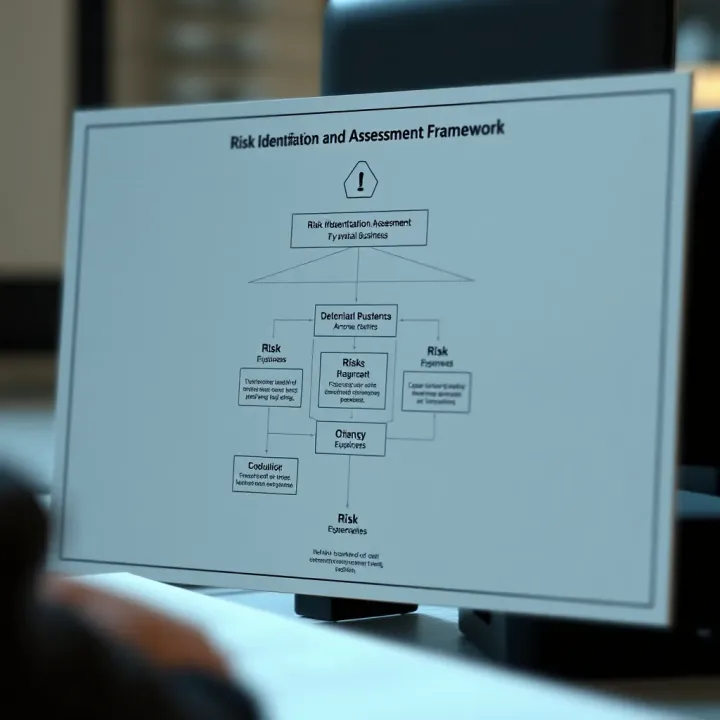
📊 Navigate risk with confidence! Learn how Kenyan businesses can identify, assess, plan, monitor, and review risks to safeguard operations, finances, and reputation today.
Based on 7 reviews