
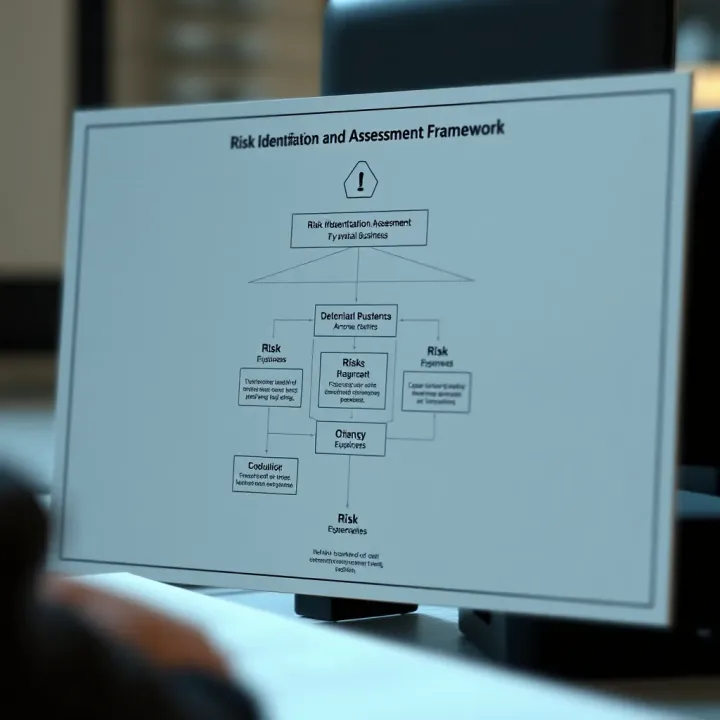
Key Steps in Risk Management for Kenyan Businesses
📊 Navigate risk with confidence! Learn how Kenyan businesses can identify, assess, plan, monitor, and review risks to safeguard operations, finances, and reputation today.
Edited By
Isabella Ward
Managing risks effectively is key for businesses and projects, especially in Kenya’s dynamic economic environment. Risk management helps enterprises identify potential threats, assess their impact, and implement methods to reduce or avoid losses. For investors, traders, financial analysts, brokers, and educators, understanding practical approaches to risk will boost decision-making and safeguard assets.

Risk occurs in many forms: market fluctuations, regulatory changes, operational hiccups, or even unpredictable events like floods affecting supply chains. Kenyan businesses, whether SMEs or large corporations, face these daily. Without clear strategies, these risks can derail growth or cause financial losses.
Risk management is not about avoiding risks altogether but managing them to balance opportunity and safety.
Identify Risks: Begin by listing all possible risks your business might face. This includes economic shifts, political instability, currency depreciation, or even technological failures.
Assess Risks: Evaluate how severe each risk is in terms of potential financial loss or business disruption. For example, a drop in tea prices may impact farmers’ income, while changes in tax laws might affect corporate profitability.
Mitigate Risks: Implement measures to reduce risk impact. This could be diversifying investments across sectors, using hedging instruments like futures in commodity trading, or securing insurance cover against theft or fire.
Monitor Continuously: Risk profiles evolve, so continuous monitoring is vital. Keeping an eye on market trends, political developments, and internal operations helps to adapt quickly.
Hedging with Derivatives: Mombasa Tea Auction participants often use futures contracts to lock prices, protecting against market swings.
Insurance Solutions: Many SMEs take cover from companies like Jubilee or APA Insurance to manage risks linked to property, health, or business interruption.
Contingency Planning: Jua kali workshops often keep spare parts in stock or alternative suppliers ready to avoid production halts.
Financial Reserves: Maintaining emergency funds helps traders and brokers survive liquidity crunches, especially during slow market periods.
Digital platforms like M-Pesa business accounts improve fund management and record-keeping.
Kenya National Bureau of Statistics (KNBS) reports offer valuable data to assess economic risks.
Software like QuickBooks or Sage can track expenses and flag financial anomalies early.
Understanding and applying these steps and techniques strengthens resilience. Risk-aware decisions not only protect current assets but also build trust with partners and investors. Next, we will explore specific methods of risk mitigation adapted to Kenya’s unique business landscape.
Understanding risk is fundamental for any business aiming to stay afloat and grow, especially in Kenya’s dynamic market. Risk represents the possibility of events or conditions disrupting business operations or reducing profits. When you get the nature and scale of risks clearly, you can prepare better strategies to avoid losses or seize opportunities.
Risk in business refers to potential threats that may affect the achievement of objectives. It’s not just about losses; certain risks might offer gains if managed properly. For example, investing in new technology may risk initial costs but can boost productivity in the long run. Identifying what counts as risk involves considering internal factors like management decisions and external elements such as economic changes.
Kenyan businesses face risks from various sources. Market risks such as fluctuating currency rates and inflation can hit especially those trading across borders within the East African Community (EAC). Regulatory changes and inconsistent enforcement, common in some counties, add compliance risks. Operational challenges like unreliable power supply and limited internet access can disrupt daily activities. Social risks, including strikes or political tension during election seasons, also affect stability.
For instance, a Nairobi-based retailer might struggle with supply delays when a matatu strike interrupts transport. Meanwhile, a tech start-up may feel the pinch from frequent power outages, raising operational costs.
Risks, if unaddressed, can lead to loss of revenue, damaged reputation, and even business closure. Poor risk management may slow down expansion plans due to uncertainty and cash flow issues. On the other hand, businesses that spot risks early can reduce costs by fixing weaknesses before they worsen. Having contingency funds or suitable insurance can help cover unexpected expenses like fire damage or theft, ensuring recovery is quicker.
Firms that weave risk awareness into their core culture are better positioned to adapt during market shifts, maintaining steady growth.
Understanding risks allows decision-makers to prioritise actions, allocate resources wisely, and take calculated decisions that safeguard assets and stakeholders’ interests. For Kenyan traders and investors, this translates into more reliable returns and business endurance amidst unpredictability.
In summary, knowing what risks exist and how they could affect your enterprise is the first step in building a resilient, forward-thinking business that can thrive despite challenges.
Identifying and assessing risks systematically is a cornerstone for Kenyan investors, traders, and financial analysts aiming to secure stable returns and avoid unexpected losses. Doing this step-by-step ensures risks don’t lurk unnoticed, which could otherwise throw a spanner in your business plans or investment strategies. It allows for a clear picture of potential threats, so informed decisions about how to mitigate them can be made early on.
Brainstorming brings together diverse opinions from team members or experts to highlight possible risks in the business or investment environment. For example, a financial analyst at a Nairobi-based investment firm may gather colleagues across departments to discuss risks ranging from currency fluctuations to regulatory changes affecting sectors like agriculture or manufacturing. This inclusive approach digs deeper into less obvious risks, fostering fresh ideas on what could go wrong.
The practical benefit of brainstorming is it taps into on-the-ground knowledge and varied experiences that may not appear in formal reports. It encourages group creativity, which can unearth risks others might overlook, especially ‘soft’ risks like reputational damage or stakeholder dissatisfaction.

Using checklists tailored for particular sectors keeps the risk identification process organised and thorough. In Kenya’s financial sector, for example, checklists could include items like compliance to KRA (Kenya Revenue Authority) regulations, exposure to interest rate hikes by the Central Bank of Kenya, or delays in digital payment platforms like M-Pesa. These serve as handy reminders to cover every risk base during evaluation.
Such industry-specific checklists are useful since they condense years of collective knowledge into structured formats that are easy to follow. They help professionals avoid missing routine but critical risks, which is especially helpful for new analysts or smaller firms with limited resources.
Stakeholders — investors, suppliers, regulators, customers — often hold key risk insights that may not be obvious from internal reviews. Consulting with these groups helps uncover risks tied to contract disputes, changes in consumer behaviour, or upcoming legislation in the East African Community that could impact trade or investment.
Engaging stakeholders during risk identification also builds trust and buy-in for eventual risk responses. For example, a company preparing for a venture in the Jua Kali sector might meet with local artisans to identify operational hurdles or supply chain vulnerabilities.
To evaluate risks properly, businesses use qualitative methods like expert judgement and scenario analysis alongside quantitative ones such as statistical models. A trader monitoring NSE equities might score risks from political uncertainty (qualitative) and combine it with value-at-risk calculations (quantitative) to decide which stocks carry more threat.
Combining both approaches captures the complexity of risks better than relying on just one. Qualitative methods provide context and nuance, while quantitative offer measurable data that helps in firm decision-making.
A risk matrix visually maps risks according to their likelihood and impact, making it easier to prioritise attention. For instance, a small-scale exporter in Mombasa might place risks like port congestion as high probability but moderate impact, while foreign exchange volatility may register as low probability but high impact.
Using a matrix highlights which risks demand urgent action, allowing allocation of resources where they matter most. It also helps communicate risk levels clearly across teams or to investors.
After recognising and scoring risks, prioritising them guides management on where to focus efforts. This means ignoring low-impact, unlikely risks while preparing strong controls for those with severe consequences or higher chances of occurrence.
By ranking risks, a Nairobi-based financial firm could decide to first strengthen cyber security against data breaches before tackling smaller risks like office equipment theft. This prioritisation matches both the capacity and risk appetite of organisations, promoting efficient risk management.
Systematic risk identification and assessment transform vague threats into concrete challenges with clear action paths, helping Kenyan businesses and investors guard their ventures effectively.
Effective risk management hinges on applying techniques that suit the specific threats a business faces. Kenyan enterprises benefit most when these approaches are practical and context-aware, addressing real issues rather than chasing ideal theories. By using common techniques such as avoiding, reducing, transferring, or accepting risks, businesses can protect themselves against disruptions and unexpected losses.
Avoiding risks means steering clear of activities that pose threats beyond the company’s control or appetite. For instance, a small Nairobi-based exporter might avoid dealing with distant markets that have unstable regulatory environments to reduce exposure. While outright elimination is rare, businesses can automate certain processes to cut human error, such as deploying electronic invoicing to avoid delays or disputes common with manual paperwork. Avoidance shapes strategic decisions early, saving resources that could be wasted managing complex risks later.
Once risks are identified, controls become the frontline defence. A local manufacturing firm may install safety guards on machinery to reduce workplace accidents or enforce regular maintenance schedules to prevent costly breakdowns. Controls can be technical, such as cybersecurity firewalls protecting customer data from breaches, or procedural, like robust credit-check policies to reduce loan defaults. The key is tailoring these safeguards precisely to the risk, ensuring they are practical and actively monitored rather than just ticked off.
People are often the weakest link in risk management, but also the strongest defence when well-trained. An insurance company in Kenya, for example, may run regular workshops on fraud detection and customer communication protocols. This approach equips employees to spot red flags early and act accordingly. Ongoing training also cultivates a culture of risk awareness where staff understand their role in preventing issues before they spiral. Besides, motivated and informed teams reduce operational risks and boost the organisation’s overall resilience.
Insurance is a straightforward way to shift financial risks. Kenyan businesses commonly use property, liability, and motor vehicle insurance to cushion themselves from losses due to fires, accidents, or theft. For example, a retailer in Mombasa’s CBD might insure stock against flood damage, a serious risk in the rainy season. Choosing the right insurance products and understanding policy details ensures optimum coverage and avoids unwelcome surprises.
Another practical risk transfer method is outsourcing high-risk operations to specialists or relying on suppliers with better risk mitigation. For instance, a Kenyan logistics company may outsource IT services to firms specialised in cybersecurity to manage online threats more effectively. Contracts with clear terms on liability, performance standards, and indemnity clauses protect companies from bearing full costs when things go wrong with partners. This spreads risk while leveraging external expertise.
Not all risks can be avoided or transferred. Preparedness through contingency planning is vital. A Kenyan tea processing company might prepare for supply interruptions by lining up alternative suppliers and maintaining safety stock. Such plans outline step-by-step responses to incidents, reducing downtime and losses. The goal is to keep operations running as smoothly as possible even when disruption occurs.
Setting aside reserve funds acts as a financial buffer for unplanned setbacks. Companies often allocate a portion of profit into emergency funds to handle crises like sudden tax changes or currency fluctuations. For traders dealing on NSE, this cushion enables swift coping without halting business. Having liquid reserves gives businesses breathing space to recover without scrambling for urgent capital.
Employing a combination of these common risk management techniques tailors protection strategies to actual vulnerabilities, turning potential threats into manageable challenges. Kenyan businesses that integrate these thoughtfully stay more stable and competitive in uncertain markets.
Modern businesses in Kenya increasingly rely on tools and technology to manage risks more effectively. These digital solutions help organisations track, analyse, and mitigate risks faster and with greater accuracy than traditional methods. For investors, traders, and financial analysts, adopting such tools is not just convenient; it’s essential for maintaining competitive advantage and responding promptly to market changes.
Digital platforms enable continuous monitoring of risks in real-time, alerting users when potential issues arise. For example, tools like RiskWatch or Resolver offer dashboards that consolidate risk data across different departments, helping boards and managers see emerging threats quickly. In the Kenyan context, where market volatility and regulatory changes are common, these platforms ensure decision-makers are not caught off guard. They also simplify compliance tracking, especially for financial institutions that must adhere to regulations by bodies such as the Capital Markets Authority (CMA).
Data analytics plays a big role in moving risk management from reactive to proactive stances. By analysing historical and current data, predictive models forecast future risk scenarios. Investment firms in Nairobi, for instance, use these models to assess market trends or credit risks, helping them avoid bad loans or poor stock picks. Besides finance, companies in agriculture or manufacturing apply predictive analytics to foresee supply chain disruptions, especially during Kenya’s rainy seasons when transport can be unpredictable. This approach sharpens risk preparedness, cutting down losses and improving resource allocation.
Embedding risk management within existing business processes is key to making it part of daily operations. This integration means that risk assessment becomes a routine step in project planning, procurement, or even HR decisions. Kenyan firms using enterprise resource planning (ERP) software, like SAP or Oracle, can embed risk controls directly into workflows. For example, a procurement team might automatically flag suppliers with high default rates before approving contracts. Such integration stops risks from slipping through the cracks and reduces the need for separate risk reporting, saving time and costs.
Using tools that align with your business size and industry needs is vital. Over-complicating systems can overwhelm teams, while under-equipped setups miss crucial risk signals.
Kenyan enterprises that embrace digital risk management tools see benefits such as improved visibility, faster response times, and stronger compliance with local regulations. The key is to select practical tools that staff can easily use and trust, ensuring risk management is a shared, ongoing responsibility rather than a last-minute task.
A risk-aware culture is more than just policies and checklists; it’s about embedding a mindset throughout the organisation where everyone understands the role they play in managing risks. In Kenyan businesses, especially those facing dynamic economic conditions and regulatory changes, such a culture keeps the enterprise resilient and agile. When the entire team, from top management to frontline staff, shares ownership of risk management, it strengthens decision-making and reduces surprises that could threaten operations.
Leadership commitment drives a strong risk-aware culture. When directors and senior managers actively participate in risk discussions and decisions, it signals the importance of risk management to everyone else. For instance, a Nairobi-based manufacturing firm saw fewer quality mishaps after its CEOs started monthly risk review meetings involving different departments. Leaders must also allocate resources and champion training programmes that embed risk awareness. In this way, they set the tone from the top and make risk a standing agenda, not just a box to tick.
Effective risk management depends on well-informed employees who can spot hazards and respond appropriately. Regular training equips staff with practical skills tailored to their roles, whether they’re handling customer data in a bank or operating machinery in a factory. For example, a fintech startup in Kenya runs quarterly simulations mimicking cyber threats, helping staff recognise phishing attempts early. Beyond formal training, promoting peer learning and sharing risk experiences encourages continuous improvement and sharper vigilance.
Transparency is key to preventing risks from escalating. Organisations that encourage open dialogue create environments where employees feel safe reporting concerns without fear of blame. This openness helps identify hidden issues before they turn into serious problems. Consider a Kenyan retail chain that established a simple digital platform for anonymous risk reporting; they discovered supply chain vulnerabilities early and adjusted suppliers to reduce disruption. Leaders should foster trust by acknowledging reports promptly and following through on actions to maintain constructive communication.
Building a risk-aware culture is an ongoing process that requires involvement at all levels. When leadership leads by example, employees are trained well, and open communication flows freely, organisations become better positioned to manage risks effectively and remain competitive in Kenya’s evolving business environment.
To summarise, cultivating a risk-aware culture involves:
Leadership actively engaging in risk oversight and resourcing
Continuous, role-specific employee training on identifying and managing risks
Establishing channels for honest, blame-free risk communication
These actions create a foundation where risks are not just managed reactively but anticipated and addressed proactively, securing better outcomes for businesses and investors alike.
📊 Navigate risk with confidence! Learn how Kenyan businesses can identify, assess, plan, monitor, and review risks to safeguard operations, finances, and reputation today.

📋 Learn how to build a solid risk management plan for Kenyan businesses. Identify local risks, take practical steps, and protect your venture from common challenges effectively.
Learn practical risk management steps tailored for Kenyan businesses🏢. Identify, assess, and reduce local risks to improve resilience in Kenya's dynamic market🌍.
📊 Discover how Kenyan businesses can spot and manage risks effectively, using local tools like M-Pesa, understanding regulations, and building a risk-savvy culture.
Based on 11 reviews