

Forex Trading Basics for Kenyan Beginners
📈 Understand forex trading basics in Kenya! Learn market operation, key currency pairs, strategies, risk tips, and how to start trading confidently today.
Edited By
Matthew Riley
Forex trading offers a pathway for many Kenyans to participate in global financial markets right from their phones or laptops. However, jumping in without solid grounding often leads to avoidable losses. This guide gives you a clear, straightforward starting point on how to begin forex trading safely and effectively, tailored to Kenyan conditions.
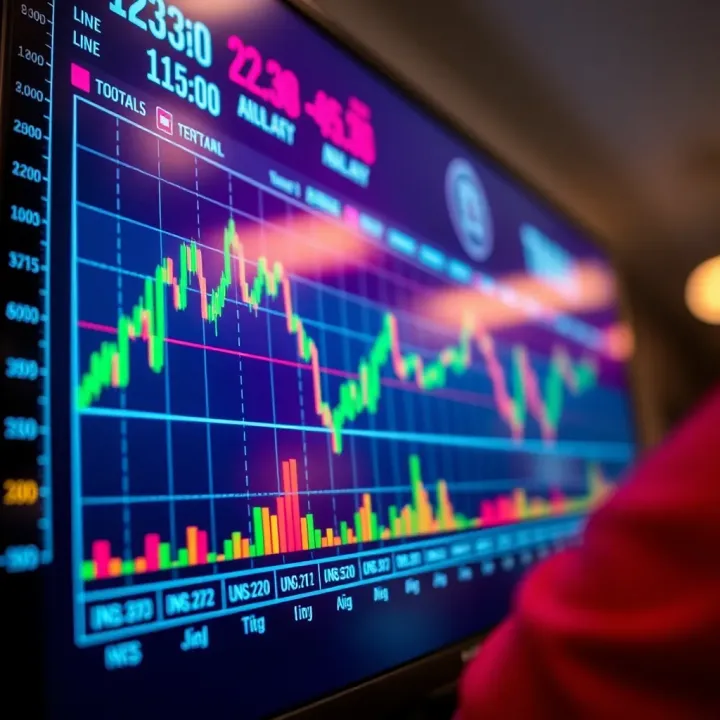
Forex, short for foreign exchange, is where currencies are bought and sold. Traders speculate on currency price movements to make a profit. For instance, if you believe the US dollar (USD) will strengthen against the Kenyan shilling (KES), you buy the USD/KES pair. Later, you can sell it at a higher price to earn money.
Unlike stock trading, forex runs 24 hours during weekdays, reacting quickly to news and macroeconomic changes, both locally and globally.
Finding a trustworthy broker registered by the Capital Markets Authority (CMA) Kenya is crucial. Look for features such as:
Local support and payment options like M-Pesa or bank transfers
Transparent commission and spread costs
A user-friendly trading platform
Access to education and market analysis
Consider brokers like HotForex Kenya or XM, which are popular among local traders.
Once you pick a broker, sign up on their website or app. You'll typically provide your KRA PIN (Kenya Revenue Authority Personal Identification Number) and proof of identity, usually a national ID or passport.
Funding your account is straightforward with M-Pesa or bank payments. For example, depositing KSh 10,000 via Lipa Na M-Pesa or direct bank transfer happens quickly and fees are minimal.
Forex markets can be volatile. Start small—say, 1% to 2% of your capital per trade. Use stop-loss orders to limit potential losses. Diversify your trades instead of putting all your capital in one currency pair.
Remember, disciplined risk management is what separates consistent traders from those who lose faster than they can earn.
Keep track of local economic indicators like CBK (Central Bank of Kenya) policies, inflation rates, and political developments, along with global events affecting forex prices.
By applying these practical steps, Kenyan traders can avoid common pitfalls and increase their chances of success in forex trading.
Understanding the basics of forex trading is essential before you put your money on the line. It helps you to know what you're dealing with and how to navigate the market’s ups and downs. Without grasping the fundamentals, even the best strategies can fall flat.
Forex trading, or foreign exchange trading, involves buying and selling currencies to make a profit. Imagine you believe the US dollar will strengthen against the Euro; you buy USD/EUR currency pair expecting to sell it later at a higher price. In Kenya, many traders take advantage of currency fluctuations, particularly between the US dollar, Euro, and the Kenyan shilling.
The forex market is the largest and most liquid financial market worldwide. It operates 24 hours, five days a week, across different time zones, with trading centres in London, New York, Tokyo, and Sydney. Locally, Kenyan traders join this market through online brokers regulated by the Capital Markets Authority (CMA). Transactions here generally reflect global economic events but are also influenced by local factors like CBK policies and Kenya’s economic performance.
A pip is the smallest unit of price movement in forex, usually the fourth decimal place. For instance, if USD/KES moves from 110.4500 to 110.4600, that’s a one pip move. Understanding pips helps measure your profit or loss in trading.
Lots refer to trade sizes in forex. A standard lot equals 100,000 units of the base currency. Beginners often start with mini lots (10,000 units) or micro lots (1,000 units) to control risk. For example, trading 1 micro lot of USD/KES means you’re buying 1,000 US dollars.
Currencies are traded in pairs like USD/KES or EUR/USD. The first currency is the base, and the second is the quote. If USD/KES is 110.50, it means 1 US dollar equals 110.50 Kenyan shillings. Knowing this helps you predict how changes in exchange rates will affect trades.
Leverage allows you to control a large position with a small capital amount supplied by the broker. For example, with 1:100 leverage, you can control KSh 100,000 with just KSh 1,000. While it can magnify profits, it also increases risk, so use it cautiously.
The spread is the difference between the buying price (bid) and selling price (ask) of a currency pair. It’s essentially the broker’s fee for executing the trade. For instance, if EUR/USD shows a bid price of 1.1000 and an ask price of 1.1003, the spread is 3 pips. Tighter spreads generally mean lower trading costs.
Understanding these basics sets you up for smarter trading decisions and better risk management as you enter the forex market.
Choosing a reliable forex broker is one of the most critical steps for Kenyan traders starting out. A good broker not only provides access to the global forex market but also offers the tools, security, and user support needed to trade confidently. Selecting the wrong broker can lead to lost funds, poor trade execution, or even falling victim to scams. Therefore, knowing what to look for safeguards your investments and helps you trade effectively.
In Kenya, the Capital Markets Authority (CMA) regulates financial firms dealing with forex trading. A CMA licence means the broker meets local regulatory standards designed to protect traders’ funds and ensure fair trading practices. For example, a licensed broker must segregate client funds from company funds, offer transparency in pricing, and submit to regular audits. When a broker is registered with CMA, you can check their status on the CMA website or confirm through official announcements. This reduces the risk of fraudulent platforms targeting Kenyan traders.
Beyond licensing, a broker’s reputation matters a lot. Look for reviews from other Kenyan traders on platforms like forex forums or Kenyan financial websites. Avoid brokers with reports of withdrawal delays, poor customer service, or hidden fees. Reliable brokers often have positive feedback praising their quick order execution and responsive support. For instance, some well-established brokers in Kenya have dedicated customer care teams available via phone or WhatsApp. Always seek brokers who are transparent about their operations and have a solid track record in the local market.
The trading platform is where you’ll place orders and monitor the market. MetaTrader 4 (MT4) and MetaTrader 5 (MT5) are among the most common platforms offered by Kenyan brokers due to their ease of use, charting tools, and automated trading features. Some brokers also offer cTrader or proprietary platforms that provide unique tools for technical analysis. Choosing a platform familiar to you, or one that matches your trading style, helps reduce learning time and mistakes.
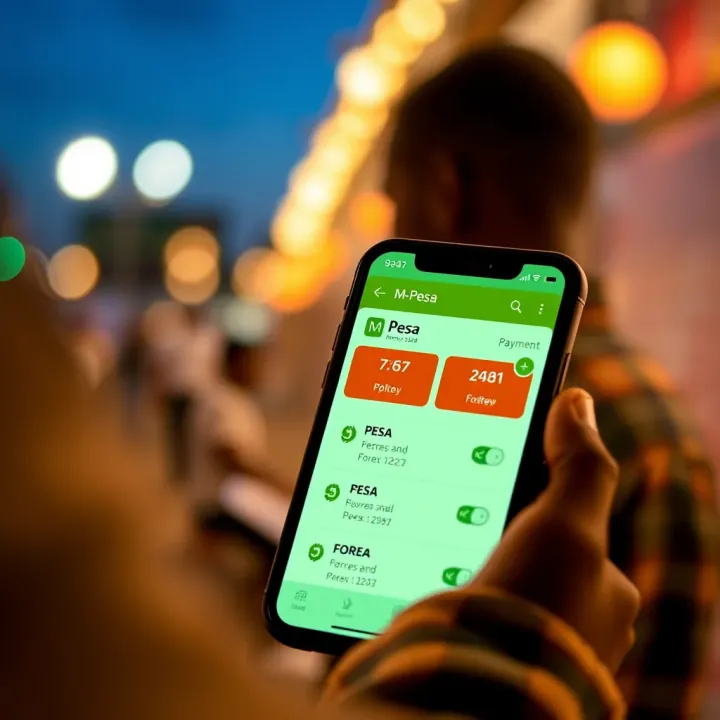
Since many Kenyans rely on mobile devices for internet access, mobile trading capability is essential. Good brokers provide apps for Android and iOS that allow you to trade on the go, receive real-time market updates, and manage your account from anywhere. For example, Safaricom users appreciate brokers supporting seamless M-Pesa integration within their mobile apps for easy deposits and withdrawals. Mobile platforms should be intuitive and stable to prevent missed opportunities due to connectivity or usability issues.
M-Pesa remains the most popular payment method in Kenya, and many forex brokers accommodate it for deposits and withdrawals. This convenience eliminates the need for bank transfers or credit cards, which can be slow or restricted. Some brokers also accept bank transfers, Skrill, Neteller, or even Visa cards, giving traders more flexibility. When choosing a broker, confirm which payment options they support, especially if you prefer quick mobile money transactions.
Fees for deposits and withdrawals differ among brokers and payment methods. Some may charge a flat fee, while others take a percentage of the amount. Processing times also vary, with M-Pesa deposits often instant and withdrawals taking from a few hours to a couple of days. Always check the fee structures and withdrawal policies beforehand to avoid surprises. A broker with low or no withdrawal fees and fast processing enhances your trading experience by ensuring you have quick access to your funds.
Selecting a well-regulated broker, using trusted platforms, and understanding payment logistics are key to a smooth, secure start in forex trading in Kenya.
By focusing on these practical considerations, you position yourself for success in forex trading while avoiding many common mishaps.
Opening and managing your forex trading account is a critical step that sets the stage for your trading journey. It’s not just about registering and clicking "start trading"; the process involves crucial documentation, verification, careful budget planning, and testing your skills on a demo account. Managing your account well can help you avoid unnecessary losses and build a foundation for sustainable trading.
To open a forex trading account in Kenya, you’ll typically need to provide personal identification such as a national ID or passport. Proof of residence is also commonly requested—for example, a recent utility bill or bank statement showing your address within Kenya. These documents verify your identity and help the broker comply with Anti-Money Laundering (AML) regulations enforced by the Capital Markets Authority (CMA).
Some brokers may also ask for a tax compliance certificate (KRA PIN) or bank statements, especially if you are funding large amounts. Having these ready expedites the account opening process and shows you are serious about trading responsibly.
Verification is a necessary step where your documents are checked before your account becomes active. The process varies by broker but usually takes a couple of business days. During verification, brokers cross-check your provided information to ensure your account is secure and meets regulatory standards.
For Kenyan traders, this step guarantees that you are dealing with a legitimate broker who follows CMA rules. It also protects you from fraud, ensuring your funds and personal data stay safe. Once verified, you’ll gain access to full trading features like deposits, withdrawals, and live market access.
A demo account allows you to trade with virtual money in real market conditions. This is especially useful for beginners, giving a risk-free environment to practice placing orders, trying different strategies, and familiarising yourself with the broker's trading platform.
In Kenya, using a demo account can also help you understand how forex trading fits your daily schedule without risking actual KSh. Many traders test demo accounts to build confidence before going live, making fewer beginner mistakes.
Transitioning to a real account should happen only after you consistently make profitable trades in demo and understand market basics. Jumping into live trading too early can lead to emotional decisions due to real money being involved.
Set criteria such as achieving a specific success rate or comfort level with your trading plan before funding your real account. This approach protects your hard-earned cash and builds discipline in your trading habits.
Start by defining how much capital you can afford to lose without affecting your daily life. Forex trading is risky, so setting a clear budget helps protect you from financial stress.
For instance, if you earn KSh 50,000 monthly, you might choose to allocate KSh 5,000 to KSh 10,000 for trading, treating it as a long-term investment rather than instant profit.
In Kenya, many brokers accept deposits through M-Pesa, which makes funding fast and convenient compared to traditional bank transfers. This method lets you deposit as little as KSh 500 or higher depending on the broker's minimum.
Ensure your chosen broker supports M-Pesa and confirm the process involves using either a Paybill or Till number, which is familiar to most Kenyan users. This ease of funding lowers barriers for many eager traders and allows quick account top-ups when market opportunities arise.
Opening and managing your forex trading account with care builds a strong foundation for successful trading. Focus on meeting verification requirements, getting comfortable with a demo account, and funding wisely to trade smartly and confidently in the Kenyan market.
Starting with basic forex trading strategies helps you avoid guesswork and make smarter decisions in the market. These strategies provide a framework to analyse market behaviour and plan your trades, which is particularly important if you're new to forex or trading with real money for the first time.
Market trends indicate the general direction a currency pair’s price moves over time—upwards, downwards, or sideways. Grasping these trends is essential because most successful strategies rely on following the market’s momentum rather than going against it. For example, if the Kenyan shilling is strengthening steadily against the US dollar due to improved economic indicators, recognising that upward trend can help you decide when to enter or exit trades.
Simply put, trying to fight a clear trend often leads to losses, while aligning your trades with the trend tends to improve your chances of success. That’s why skilled traders spend significant time analysing charts to spot trends on different time frames—daily, weekly, or monthly.
Trend following means entering trades in the same direction as the prevailing market trend. It’s a straightforward approach suitable for beginners because it minimises conflicts with market momentum. For instance, if the EUR/USD pair is showing consistent upward movement over a few days, a trend follower would look for buying opportunities rather than betting against the trend.
In practice, you could use moving averages—lines on charts that smooth price data—to identify when a trend is present. When a short-term average crosses above a long-term one, it signals an upward trend to buy. The reverse suggests a downward trend to sell. This method helps you avoid emotional trades and stick to clear market signals.
Support and resistance are price levels where the currency tends to pause or reverse. Support is like a floor preventing prices from falling lower, while resistance acts as a ceiling limiting upward movement. Identifying these levels on charts helps you set entry points and manage risk.
Say the USD/KES pair has repeatedly bounced back after reaching KSh 110—the price level acts as support. Buying near this support reduces risk because if the price drops below this level, you can exit quickly before further loss. Similarly, resistance levels show where price might struggle to rise, so it’s wise to take profits or avoid buying near resistance to prevent getting caught in a drop.
A trading plan acts as your roadmap, detailing when and how you will enter or exit trades, your risk limits, and your goals. Without a clear plan, you might find yourself reacting impulsively to market moves or chasing losses—a common pitfall for beginners.
Your plan should include:
Objectives: How much profit you target and what losses you can tolerate
Entry and exit rules: Based on strategies like trend following or support/resistance
Risk management: How much of your capital you're willing to risk per trade
For example, a Kenyan trader might decide to risk only 2% of their trading capital per trade and close positions if losses reach KSh 1,000. This discipline helps preserve capital and avoid emotional decisions.
Having a clear strategy and plan is what separates trading from gambling. It allows you to react calmly, measure your progress, and improve with time.
Adopting these basic strategies and structuring your trading approach around them will build a solid foundation. As you gain experience, you can gradually explore more advanced techniques and tailor your approach to fit your trading style and goals.
Managing risks and maintaining discipline are essential steps for anyone starting forex trading in Kenya. Trading the volatile forex market without proper controls can lead to quick losses, especially when emotions take over decision-making. Keeping a clear strategy helps protect your capital and creates a foundation for consistent profits.
A stop loss order is a preset instruction to close a trade when the price reaches a specific less favourable level. This tool helps limit losses by automatically exiting a position before the downside worsens. For Kenyan traders using brokers with M-Pesa payment options, stop losses safeguard their capital, avoiding large negative balances.
For example, if you buy EUR/USD at 1.1500, you can set a stop loss at 1.1450, ensuring you only lose 50 pips if the trend reverses. This automatic exit prevents emotional last-minute decisions that might lead to hanging on to a losing trade too long.
Position sizing involves deciding the amount to invest in each trade relative to your total trading capital. This prevents risking too much on any one trade and helps manage losses sustainably. A common practice is to risk no more than 1-2% of your account on a single trade.
For instance, if your account balance is KS00,000, risking 2% means a maximum loss of KS,000 per trade. Adjusting your lot size to match this risk gives you better control, especially when combined with stop loss orders.
Overtrading happens when you make too many trades in a short period, often due to impatience or chasing quick profits. This can drain your capital through excessive spreads, commissions, and poor decision-making. Kenyan traders sometimes fall into this by reacting to short-term market moves without clear strategy.
To avoid overtrading, set daily or weekly trading limits, stick to your trading plan, and allow time for market analysis. Quality trades, not quantity, build your forex skills and savings steadily.
Chasing losses means increasing trade sizes or frequency to recover previous losses quickly. This behaviour usually leads to bigger losses because it ignores sound risk management.
For example, if a KS,000 loss discourages you, trying to recoup it with risky trades can wipe out more of your capital. The better approach is to accept the loss, review your strategy calmly, and return with clear trades rather than emotional ones.
Emotional control is fundamental for long-term success. Forex markets can trigger fear, greed, or frustration, making traders act impulsively. Simple rules like setting stop losses, taking breaks after losses, and journaling trades help maintain discipline.
Remember, forex trading is not about winning every trade but managing your risks and emotions so that winning trades outweigh losses over time.
Building patience and a steady mindset will help you avoid rash decisions driven by market noise. With practice, you’ll grow confident making measured trades that fit your financial goals and risk appetite.
Staying informed and continuing to learn are essential parts of successful forex trading, especially for Kenyan traders operating in a fast-moving market. Forex markets react quickly to global and local developments. Without up-to-date information, traders risk missing signals that affect currency prices, leading to costly decisions. Continuous education also helps you refine your strategies and adapt to changes, which is key given how economic policies or market sentiment can shift unexpectedly.
Accessing local financial news provides insights on Kenyan economic trends and political developments that influence the forex market. For example, decisions by the Central Bank of Kenya (CBK) about interest rates or inflation reports can directly impact the Kenyan shilling's strength. Platforms like Business Daily, The Standard, and KTN Business Hour regularly cover these updates, helping traders adjust their positions accordingly.
Keeping track of government budgets, election cycles, or regional trade agreements within the East African Community (EAC) also affects currency value movements. These local nuances are necessary to complement global market updates.
Online forums and local trading communities offer opportunities to discuss experiences, share advice, and stay aware of emerging trends. Kenyan traders can join platforms such as Forex Kenya Forums or WhatsApp groups organised around forex trading topics. These spaces are helpful for asking questions about specific brokers, learning from others’ mistakes, or accessing real-time tips.
Besides support, these communities sometimes share technical analysis and fundamental insights, which broaden your understanding beyond your own research. Interaction also helps build discipline and emotional control, knowing others face similar challenges.
Economic calendars list key upcoming events that affect forex markets, like GDP announcements, inflation rates, or unemployment figures. Kenyan traders should follow global calendars provided by platforms like Investing.com or Bloomberg to anticipate market volatility around such reports.
For instance, news that the US Federal Reserve raised interest rates can strengthen the US dollar and weaken emerging market currencies like the Kenyan shilling. Being aware helps traders decide when to reduce risk or capitalise on market movements.
Regularly monitoring statements, policy changes, or reports from the Central Bank of Kenya is crucial. For example, a change in CBK’s monetary policy might ease or tighten liquidity in the local market, impacting forex trading conditions.
Global developments—such as shifts in oil prices, geopolitical tensions, or decisions by big economies like China and the EU—also influence forex trends. Staying on top of these allows Kenyan traders to understand the bigger picture and avoid surprises.
Forex trading is not a quick route to riches; it demands patience and steady improvement. Many beginners rush into trades without adequate knowledge or wait for quick profits, which usually leads to losses. Continuing your education—through courses, webinars, or reading market analyses—and practising patience helps build confidence.
Focus on consistent progress instead of quick wins. Over time, this approach yields better discipline and sharper decision-making skills. Remember, the market will always be changing, so your learning and adaptation must never stop.
Staying updated and committed to learning puts you ahead of many traders who rely solely on guesswork. Make it a habit to check news, engage with communities, and review your strategies regularly for long-term success.
📈 Understand forex trading basics in Kenya! Learn market operation, key currency pairs, strategies, risk tips, and how to start trading confidently today.

📊 Discover top forex trading classes in Kenya! Learn to manage risks, gain practical skills, and choose the best course for smart trading decisions.

📊 Master forex trading charts and boost your trading skills! Learn to read charts, avoid common mistakes, and apply strategies tailored for Kenyan traders.

Learn forex trading basics with practical steps, risk tips, and free PDFs 📈. A clear guide tailored for beginners in Kenya to trade with confidence.
Based on 7 reviews