
Forex Trading Classes in Kenya: A Practical Guide
📊 Discover top forex trading classes in Kenya! Learn to manage risks, gain practical skills, and choose the best course for smart trading decisions.
Edited By
Laura Mitchell
Online forex trading has become an accessible way for many Kenyans to engage with the global financial markets. Thanks to widespread mobile coverage and platforms tailored for local users, anyone with a smartphone or computer can buy and sell currencies from Nairobi to Kisumu. This accessibility brings opportunities but also risks, so understanding the basics can save you from costly mistakes.
Forex trading involves exchanging one currency for another, aiming to profit from price changes. For example, a trader might buy US dollars with Kenyan shillings anticipating that the dollar will strengthen. If the dollar rises, they sell back to shillings at a better rate and make a gain. This is not about owning physical cash but trading digital contracts.
Key terms you should know include ‘pip’ (the smallest price move in forex), ‘leverage’ (trading with borrowed money), and ‘spread’ (the difference between buying and selling prices). Leverage can boost profits, but it also increases losses, so use it carefully.
Choosing a trustworthy trading platform is critical. In Kenya, platforms like XM, HotForex, and IG Markets have a solid reputation and offer local support, Kenyan shilling accounts, and easy deposits via M-Pesa. Always confirm the platform is regulated by authorities such as the Capital Markets Authority (CMA) or equivalent bodies.
Proper risk management is your shield in forex trading. Set stop-loss orders to limit losses and never trade with money you can’t afford to lose.
Regulation matters because some forex providers operate without licenses, risking your funds. The CMA periodically issues warnings about unlicensed brokers targeting Kenyans, so always verify before depositing.
Finally, consider how forex fits your financial life. Many traders start small, often using profits to supplement household income or fund small businesses. Forex trading should not be your sole income source but rather a supplementary venture approached with discipline and continuous learning.
This guide takes you through all these aspects, helping you make informed decisions about trading forex online in Kenya. Ready to start? Let’s move on to understanding the basic mechanics and strategies involved.
Understanding the basics of forex trading and why it attracts many Kenyans is essential before getting into the market. Forex trading, or foreign exchange trading, simply means buying and selling currencies. It allows individuals to access global financial markets right from their mobile phones or computers, offering practical opportunities for income, investment growth, or even full-time engagement.
Forex trading always involves currency pairs, such as USD/KES (US dollar to Kenyan shilling). The idea is that you buy one currency while simultaneously selling the other. For example, if you believe the US dollar will strengthen against the Kenyan shilling, you might buy USD/KES. If the dollar indeed rises, you can sell back at a higher price and make a profit. Understanding this pairing system is crucial since it determines how profits or losses are realised.
Spot trading means exchanging currencies immediately at the current market rate, which is most common for retail traders in Kenya. Forward trading, on the other hand, involves agreeing today on a price to exchange currencies at a future date, usually used by businesses to hedge against currency risks. Most online traders in Kenya focus on spot trading due to its simplicity and reliance on real-time market movements.
The forex market mainly revolves around major currencies like the US dollar (USD), Euro (EUR), British pound (GBP), Japanese yen (JPY), and Swiss franc (CHF). These currencies have the highest liquidity and trading volume. For Kenyan traders, pairs involving the USD, EUR, and GBP are popular since these currencies are widely used for import-export and remittances.
Forex trading in Kenya has surged thanks to widespread mobile networks and internet access. With platforms downloadable on smartphones and computers, traders don’t need expensive setups. For example, a farmer in Kisumu or a boda boda rider in Nairobi can trade forex during free hours using a basic smartphone and data. This widespread accessibility breaks down barriers, making forex trading open beyond traditional urban financial hubs.
Currencies change values often due to economic events, political developments, or global trends. Forex offers chances to benefit from these fluctuations by buying low and selling high—or sometimes short-selling. For instance, a trader might spot weakening of the Kenyan shilling against the dollar and decide to trade accordingly. The dynamic nature of currencies means traders must stay informed but can tap into profit windows daily.
Successful forex trading depends on keeping an eye on global news and local economic reports, as they shift currency values constantly.
Forex trading allows flexibility to suit different lifestyles. Some Kenyans trade forex alongside jobs or businesses, using evenings or weekends to place trades. Others pursue full-time trading as their main income source. Because the forex market operates 24 hours from Sunday evening to Friday night (EAT), traders can pick convenient times. This adaptability explains why forex has attracted a diverse range of Kenyans—from students financing their studies to entrepreneurs seeking an extra income stream.
Starting with online forex trading in Kenya can seem overwhelming, but it’s a straightforward process once you understand the basics. This section guides you through choosing the right trading platform and setting up your account. The right start can make all the difference between losing money through avoidable mistakes or building a steady trading routine.
When picking a trading platform, security and user experience top the list. Look for platforms regulated by reputable authorities like the Capital Markets Authority (CMA) of Kenya or international bodies such as the Financial Conduct Authority (FCA). This ensures your funds and data get proper protection. Additionally, check for competitive spreads and fees, since high costs can eat into your profits, especially if you trade frequently.
Another key factor is the platform’s usability. It should offer clear charts, fast order execution, and real-time market data. Many platforms provide demo accounts, which you should use to test the interface and trading tools before putting real money on the line.
Popular forex platforms available in Kenya include MetaTrader 4 (MT4), MetaTrader 5 (MT5), and cTrader. These platforms support multiple currency pairs, offer advanced charting tools, and have strong community support. Local brokers often use these interfaces combined with their own services, allowing Kenyan traders to deposit and withdraw easily.
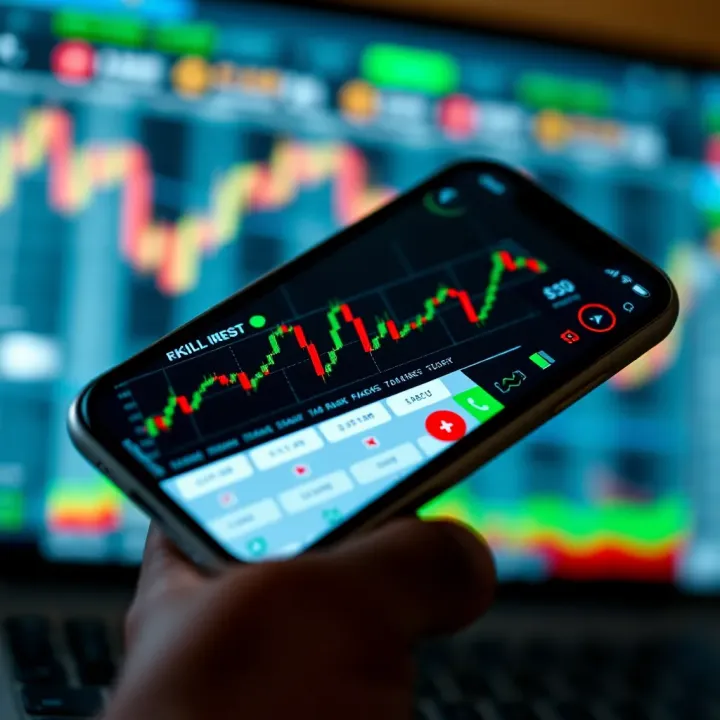
Mobile trading apps have become essential for many Kenyans, given the widespread mobile phone use. Most platforms offer mobile versions that sync with desktop accounts. Features to look for include alert notifications, quick trade execution, access to market news, and simple fund management. For example, the MT4 Android app gives you flexibility to trade while commuting or during breaks, which suits the hustle of many Kenyan traders.
Opening a trading account in Kenya involves submitting a few documents to comply with regulatory standards. Typically, you’ll need your national ID or passport, proof of address like a utility bill, and your Kenya Revenue Authority (KRA) Personal Identification Number (PIN). This paperwork confirms your identity and helps brokers meet Anti-Money Laundering (AML) rules.
Verification is a key step where brokers validate your information. It reduces fraud and confirms you are eligible to trade. Most brokers complete this process within one or two business days. A verified account also allows you to access full features such as higher leverage and deposit options.
Linking your KRA PIN and M-Pesa makes managing funds convenient and secure. Many Kenyan brokers now integrate M-Pesa for deposits and withdrawals, enabling instant transactions without bank delays. Using your KRA PIN in the process ensures compliance with tax and regulatory requirements, avoiding issues when you declare income or profits from forex trading.
Starting with a reputable platform and proper account setup protects your investments and helps you focus on trading strategies rather than sorting out technical glitches or compliance problems.
This preparatory step is essential for any Kenyan looking to enter forex trading seriously and sustainably.
Successful forex trading in Kenya depends heavily on understanding the right strategies and using effective tools. These elements help traders make informed decisions, reduce risks, and navigate volatile markets more confidently. Without a clear plan and practical techniques, even the most promising trades can end in losses.
Technical analysis involves studying past market data, mainly price charts and trade volumes, to predict future currency movements. This method relies on identifying patterns like support and resistance levels, moving averages, and trend lines. For instance, a trader might notice that the KSh/USD pair tends to bounce back after hitting a certain price level, signalling a good point to buy or sell.
Tools such as candlestick charts and technical indicators like the Relative Strength Index (RSI) help traders spot overbought or oversold currencies. In Kenya, many online platforms like MetaTrader offer these features, making technical analysis accessible even to beginner traders.
Fundamental analysis focuses on economic indicators and news that affect currency values. Key factors include interest rates set by the Central Bank of Kenya (CBK), inflation data from the Kenya National Bureau of Statistics (KNBS), GDP growth, and political stability.
For example, if CBK raises interest rates, the Kenyan shilling might strengthen as investors seek higher returns. Traders keeping tabs on such developments can anticipate currency movements better than those relying solely on charts.
Sentiment analysis gauges the overall mood or attitude of traders and investors towards a currency. It reflects whether the market is generally bullish (expecting prices to rise) or bearish (expecting prices to fall).
In practice, this might be seen through net buying or selling volume reported by platforms or through social media trends. A sudden shift in sentiment, say due to unexpected political news, can cause rapid currency fluctuations. Kenyan traders who monitor sentiment signals alongside technical and fundamental analyses often make more balanced decisions.
These are preset instructions that automatically close a trade when it reaches a certain loss or profit level. Using stop-loss limits helps prevent heavy losses if the market suddenly moves against a trader, while take-profit locks in gains when a target price is met.
For instance, if a trader buys EUR/USD at 1.10 expecting it to rise, they might place a stop-loss at 1.08 to limit losses to 2 cents per unit. Simultaneously, a take-profit order at 1.15 ensures they secure profits without constantly watching the market.
Position sizing means deciding how much money or volume to commit to each trade. Proper sizing relates directly to the trader’s total capital and risk tolerance. Leverage allows traders to control a larger position than their actual funds, but it increases risk.
Imagine a trader with KSh 50,000 using 10:1 leverage to trade KSh 500,000 worth of currency. While the potential profits are appealing, the losses can be equally large. Wise traders keep leverage low and adjust position sizes to protect their capital, avoiding the temptation to overtrade for quick wins.
A solid trading plan outlines entry and exit points, risk limits, and criteria for selecting trades. Sticking to this plan reduces impulsive decisions based on emotions like fear or greed, which often sabotage success.
Discipline is especially vital in volatile markets. For example, if a trade hits the stop-loss point, a disciplined trader accepts the loss and moves on, rather than trying to recover immediately by risking more. Over time, this approach preserves capital and builds steady gains.
Effective market analysis combined with strong risk management forms the backbone of successful forex trading. Kenyan traders who master these can better weather market ups and downs while protecting their investments.
Navigating the regulatory framework is vital for anyone venturing into online forex trading in Kenya. Understanding the rules and safety measures helps protect your investments and spot credible brokers. Given the rise in popularity of forex trading, regulators have stepped in to create a safer environment for Kenyan traders. Knowing these safeguards and legal boundaries not only builds confidence but also reduces exposure to fraud or illegal operations.
The Capital Markets Authority (CMA) is the key regulator overseeing forex trading activities in Kenya. Its main role is to license and supervise brokers to ensure they operate fairly and transparently. For instance, the CMA enforces rules about how client funds must be handled and requires regular reporting from brokers. This oversight helps curb malpractice and keeps the forex market cleaner.
By being guided by CMA regulations, Kenyan traders can rely on a system that aims to protect them from deceitful practices. The Authority also educates the public on safe trading, which is crucial given that many new traders may not fully grasp the risks involved.
Only brokers licensed by the CMA or reputable international bodies should be considered. Brokers operating without proper licences in Kenya pose a high risk; some promising unrealistic profits might disappear with clients' funds. Licensed brokers have to follow strict capital requirements and maintain clear records, which lowers the chance of sudden failures.
Many trusted brokers such as FXPesa (licensed by CMA) comply with Kenyan laws, offering local traders safer access to global forex markets. Confirming a broker’s licence status before depositing any funds is a must to avoid falling into traps.
Kenyan law recognises forex trading as a legitimate activity but insists on compliance with tax obligations and anti-money laundering (AML) rules. Traders should declare their profits for tax purposes according to KRA (Kenya Revenue Authority) regulations. Also, using platforms that comply with AML and Know Your Customer (KYC) processes protects both traders and the country from illicit flows of money.
Engaging with unlicensed brokers or ignoring these legal aspects may expose traders to fines or loss of funds. Thus, it pays to understand your responsibilities and trade within the legal boundaries set by Kenya’s financial authorities.
Fraudsters often target Kenyans through schemes promising massive returns with little effort. These scams include fake investment platforms, Ponzi schemes, and unregulated brokers that vanish abruptly. For example, some scammers might cold call potential traders promising insider tips or guaranteed wins, only to exploit them once money is sent.
Awareness of these tactics is key. Remember, in forex trading, high returns come with high risks; don’t fall for offers that seem too good to be true.
Before trading, verify that the broker holds a valid licence from CMA or recognised international regulators like FCA (Financial Conduct Authority) or ASIC (Australian Securities and Investments Commission). Check their website for licence numbers, physical office addresses, and clear contact details.
Look for reviews from verified users and beware of brokers who refuse to provide transparent information or pressure you to deposit quickly. It’s wise to test their demo accounts and customer service before committing real money.
To keep your funds safe, always use strong passwords and enable two-factor authentication where possible. Avoid sharing your login details with anyone and be cautious with emails or messages claiming to be from your broker. Use secure internet connections, preferably at home, rather than public Wi-Fi.
Keep records of all transactions and communications with your broker. Set realistic limits for losses using stop-loss orders and never invest money you cannot afford to lose. Staying disciplined and informed guards against impulsive decisions that scammers can exploit.
Staying informed about Kenyan forex trading regulations and practising security measures is your best defence against fraud. Always trade cautiously, choose licensed brokers, and report suspicious activities promptly.
Forex trading influences Kenyan traders' finances in diverse ways, presenting both opportunities and risks. Understanding these effects helps traders balance their investments and avoid common pitfalls.
Many Kenyans rely heavily on a single income source, usually from salaried jobs or small businesses. Forex trading offers an alternative avenue to diversify income, reducing dependence on one revenue stream. For example, a teacher in Nairobi could trade currencies during evenings to earn extra income rather than relying solely on their salary.
Diversifying income through forex allows traders to tap into global markets that operate 24/5, providing opportunities beyond Kenya’s traditional economic cycles. This helps smooth out income fluctuations especially when local businesses slow down during off-peak seasons.
Forex trading can serve as a side hustle for many Kenyans looking to boost their monthly earnings. A boda boda rider or a small shop owner might allocate some funds to trade currencies, supplementing their daily takings. This practice, when done with caution, can help meet urgent expenses or savings goals.
However, supplementing income requires realistic expectations and disciplined trading. Relying on forex as the main income source too soon can be risky, especially without solid strategies and risk management.
Profits from forex trading can be redirected into other investments or savings, contributing to long-term financial growth. A trader who makes a consistent gain might choose to invest in land, stocks listed on the Nairobi Securities Exchange, or even expand a small business using forex earnings.
Reinvesting profits help build wealth beyond forex and cushion traders against market volatility. Kenyan traders should set aside a portion of their gains as emergency funds or for future ventures.
Currency markets react to many factors like political events, economic data, and global crises. This makes forex trading volatile and unpredictable. For example, sudden political announcements can shift the Kenyan shilling's value within minutes, affecting open positions.
Such volatility demands traders keep abreast of news and avoid hasty decisions. Without proper risk controls, severe losses may result, especially during turbulent periods.
Leverage lets traders control large positions with small amounts of money, amplifying profits but also losses. For instance, a 100:1 leverage means KS,000 controls a KS00,000 position. While gains can multiply quickly, so do losses.
In Kenya, where many use leverage to maximise returns, the danger is overexposure. Losing beyond the initial capital is possible, so prudent leverage choice and stop-loss orders are essential.
Trading without discipline is a common trap. Overtrading—making too many trades without clear strategy—often leads to poor decisions and larger losses. It’s vital for Kenyan traders to stick to trading plans, limit daily trades, and resist chasing losses.
Maintaining control over emotions and not treating forex like gambling helps safeguard finances. Consistent review of past trades promotes learning and improving.
Forex trading can enhance income and investment opportunities if approached wisely. Understanding potential rewards and risks ensures Kenyan traders protect their finances while exploring this global market.
📊 Discover top forex trading classes in Kenya! Learn to manage risks, gain practical skills, and choose the best course for smart trading decisions.
📊 Master forex trading charts and boost your trading skills! Learn to read charts, avoid common mistakes, and apply strategies tailored for Kenyan traders.

🤖 Discover how forex trading bots work in Kenya, explore their strategies, risks, and benefits to make smarter trading choices in the automated market.
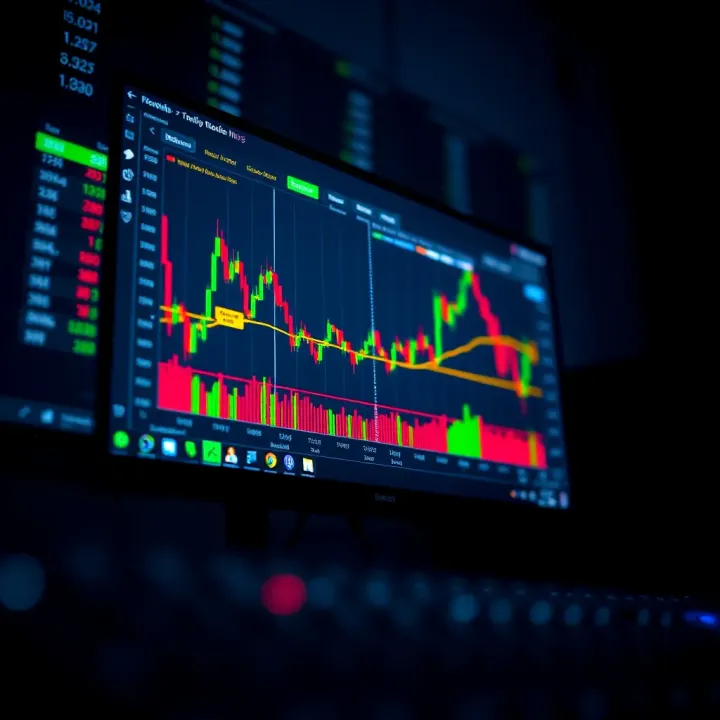
Explore top forex brokers in Kenya 🇰🇪, learn how to pick the right one, understand regulations, and get tips for safe, effective trading 📈💡
Based on 11 reviews