

Forex Trading Basics for Kenyan Beginners
📈 Understand forex trading basics in Kenya! Learn market operation, key currency pairs, strategies, risk tips, and how to start trading confidently today.
Edited By
Matthew Green
Forex trading has grown popular in Kenya, attracting many who want to diversify income sources or try a new form of investment. Although forex trading offers opportunities, it demands understanding of the market dynamics, risks, and local context to avoid costly mistakes.
The foreign exchange market operates 24/5, where currencies are bought and sold in pairs, like USD/KES or EUR/USD. Price changes depend on economic events, political developments, and market sentiment. As a Kenyan trader, knowing these basics sets a strong foundation.

Getting started requires choosing a broker regulated by the Capital Markets Authority (CMA) or another reputable body. Reliable brokers offer secure platforms, transparent fees, and convenient payment options like M-Pesa, enabling smooth deposits and withdrawals. Avoid brokers promising guaranteed profits or unreasonably high leverage — these often signal scams.
Once you pick a broker, opening a trading account is straightforward. Most platforms provide demo accounts to practice without risking real money. Use this to get familiar with trading tools, charts, and order types. Trading platforms such as MetaTrader 4 and MetaTrader 5 are widely used and compatible with desktops and mobile devices in Kenya.
Risk management is vital. Don’t invest more than you can afford to lose, and always use stop-loss orders to limit potential losses. For example, if you start with KS0,000, limit your loss per trade to around 2-3% of that amount to protect your capital.
Successful forex trading relies on discipline, continuous learning, and understanding market forces unique to Kenyan and global economies.
In short, forex trading in Kenya offers a practical way to grow your finances if approached cautiously. Start small, learn frequently, and use trusted platforms to avoid common pitfalls.
This guide will walk you through essential steps, from regulations and broker selection to practical payment options and risk controls tailored to Kenyan traders.
Grasping how forex trading operates is foundational for anyone planning to dive into Kenya's forex market. This knowledge helps you avoid costly mistakes and positions you to make informed trading decisions. Forex involves exchanging one currency for another, but its mechanics ripple through economics, politics, and global events that impact currency values daily.
Forex trading is simply buying one currency while simultaneously selling another. These transactions occur in pairs—for example, the US dollar (USD) against the Kenyan shilling (KES). If you expect the USD to strengthen against the KES, you buy the USD/KES pair, hoping to sell later at a profit. This market operates 24 hours a day, enabling traders in Nairobi and other Kenyan towns to respond quickly to market shifts.
In forex, some currency pairs attract more attention because of their liquidity and stability. The major pairs usually include USD against the euro (EUR), Japanese yen (JPY), British pound (GBP), and Swiss franc (CHF). For Kenyan traders, the USD/KES pair deserves particular focus since US dollar fluctuations affect import costs and savings in shillings.
Here’s a brief list of commonly traded major pairs relevant to Kenyan traders:
USD/KES (US dollar to Kenyan shilling)
EUR/USD (euro to US dollar)
GBP/USD (British pound to US dollar)
USD/JPY (US dollar to Japanese yen)
These pairs provide better trading volumes and tighter spreads, making them attractive to both beginners and professionals.
Currency prices depend on supply and demand, shaped by factors like economic indicators, interest rates, and political stability. For instance, if Kenya's Central Bank raises interest rates, the shilling might strengthen as investors seek better returns. Conversely, political unrest tends to weaken a currency as confidence drops.
Market sentiment also plays a role. Rumours about changes in trade policies, election outcomes, or global events—like oil price shifts—can cause sharp price movements. It’s wise to follow local and international news daily to catch trends early.
Understanding these dynamics gives you an edge to anticipate movements instead of just reacting. For example, noticing that Kenya’s agricultural output has increased consistently may suggest a stronger shilling due to increased exports.
This foundational grasp of forex trading explains what you’re trading (currency pairs), where prices come from, and why they move. It sets the stage for choosing the right broker and developing strategies that suit the Kenyan trading environment.
Starting in forex trading requires a solid foothold on the basics, especially within the Kenyan context where regulations, payment methods, and technology play key roles. This section covers how to pick a reliable broker, set up your account, and use trading platforms efficiently. These steps help build confidence and lay the foundation for profitable trading.
The Capital Markets Authority (CMA) regulates forex brokers operating in Kenya. Working with a CMA-approved broker ensures that your investments are protected under Kenyan law. For example, a broker registered with the CMA must maintain minimum capital requirements and comply with fair trading standards. This reduces the risk of fraud or sudden broker closure.
Selecting a regulated broker also means you can report disputes to the CMA for resolution. This peace of mind is crucial, especially since some online brokers might pretend to service Kenyan clients without proper licences.
Besides regulation, brokers differ on features such as minimum deposit amounts, spreads (the cost of trading), leverage options, and customer support quality. A broker offering tight spreads with reliable support, such as through live chat or call centres reachable during Nairobi business hours, improves your trading experience. Popular brokers available in Kenya often provide demo accounts, allowing you to practise before risking real money.
Forex brokers generally offer different account types to suit beginners and more advanced traders. A beginner might choose a standard account with a low minimum deposit, typically starting from KS,000. Other account types, like mini or micro accounts, allow smaller trade sizes, which help manage risk.
Opening an account usually requires submitting identification documents like the national ID or passport and proof of address, which you can scan and upload on the broker’s platform.
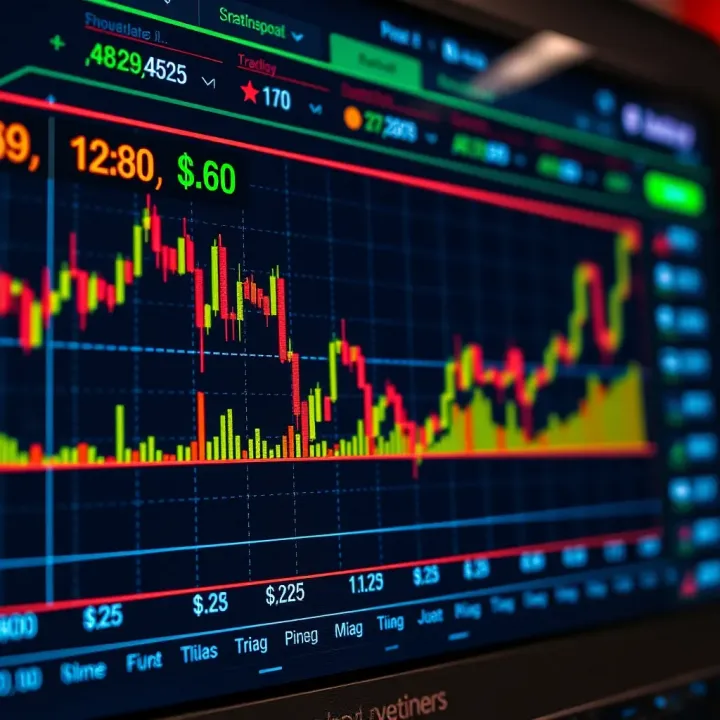
In Kenya, M-Pesa is the primary payment method for funding forex accounts. Brokers who accept M-Pesa transfers provide fast and secure deposits, making it handy to top up your account anytime, even from rural areas. Other payment methods, including bank transfers and cards, are often available but might take longer or attract extra fees.
MetaTrader 4 (MT4) and MetaTrader 5 (MT5) are the most popular trading platforms worldwide, including in Kenya. These platforms are free to download on desktops and mobile devices. MT5 has some added tools and a more modern interface, but beginners often start comfortably on MT4 due to its simplicity and wide user community.
These platforms offer real-time price charts, order execution, and various technical analysis tools. For a beginner, it's vital to learn basic functions such as opening and closing trades, placing stop-loss orders, and reading candlestick charts.
Using demo accounts on these platforms can help new traders familiarise themselves with the interface without risking money. Knowing how to switch time frames or add indicators like Moving Averages and RSI early can give you a head-start before diving into actual trading.
Starting well grounded with a regulated broker, a properly set-up account, and basic platform skills helps you avoid common pitfalls and prepares you for trading confidently in the Kenyan forex market.
Developing a solid grasp of basic forex trading strategies and techniques is key for any trader, especially beginners in Kenya. These strategies help you make informed decisions, manage risks, and improve your chances of consistent profits instead of relying on guesswork or luck. By understanding how market forces work and applying practical trading methods, you can navigate the forex market with more confidence.
Fundamental analysis involves examining economic data that influence currency prices. Important economic indicators include interest rates, inflation rates, employment figures, and GDP growth. For instance, if the Central Bank of Kenya (CBK) raises its base rate, this often strengthens the Kenyan shilling because higher interest rates attract foreign investors looking for better returns. Conversely, poor employment data in the USA may weaken the US dollar, affecting dollar-based pairs.
Tracking such news helps you anticipate currency moves before they reflect in price charts. Kenyan traders should watch major releases from the US, Eurozone, and China, as these economies influence global forex trends.
Besides global data, local Kenyan and East African developments also impact forex prices. For example, political stability during election seasons can affect the shilling’s performance; uncertainty often leads to volatility. Regional factors such as trade agreements within the East African Community (EAC) or changes in commodity prices like tea and coffee—key Kenyan exports—can indirectly impact forex by influencing Kenya’s foreign exchange earnings.
Understanding these local elements allows Kenyan traders to factor in events outside standard economic calendars that can cause sharp price swings.
Technical analysis focuses on price charts and indicators to predict future movements. Common tools include moving averages, Relative Strength Index (RSI), and Bollinger Bands. These help you identify market conditions such as overbought or oversold states.
For example, if the 50-day moving average crosses above the 200-day moving average, it might signal a bullish trend, encouraging you to consider buying. Beginners should start by learning how to read candlestick charts, as they show price action clearly.
Patterns like double tops, head and shoulders, or triangles occur frequently in forex charts. Recognising these helps forecast trend reversals or continuation. For instance, a breakout above a triangle can indicate a strong new trend.
In Kenyan contexts, where volatility might spike during certain times (e.g., before CBK announcements), spotting these patterns can guide timely entry or exit decisions.
This strategy involves identifying the current market direction and trading in its favour. If the Kenyan shilling is consistently strengthening against the US dollar, you would look for opportunities to buy the shilling based on confirmed upward moves.
Trend following reduces the risk of betting against the market’s momentum. It’s suitable for newbies because it relies on clear price direction rather than trying to predict sudden reversals.
Breakout trading focuses on entering trades when prices move out of defined support or resistance levels. For example, if the USD/KES pair has been trading between 110 and 112 for weeks and suddenly breaks above 112 on high volume, this could signal a strong move higher.
This method lets traders catch big market moves early. However, it requires discipline to avoid false breakouts, which are common in busy trading sessions.
Mastering fundamental and technical analysis basics combined with straightforward strategies like trend following and breakout trading sets a strong foundation for Kenyan forex traders to grow.
By practising these techniques patiently, you can improve your trading skills and make decisions based on data rather than emotions.
Risk management is the backbone of successful forex trading. Without it, even the best strategies can fail, leaving traders exposed to heavy losses. In Kenya’s fast-moving forex market, managing risk helps protect your capital and ensures you can stay in the game longer. It means not just seeking profits, but also knowing when to cut losses and move on. Avoiding common pitfalls, such as overtrading or falling for scams, is equally important for preserving your trading journey.
Stop-loss and take-profit orders are vital tools in managing your trades. A stop-loss automatically closes a trade when the price hits a level you consider a maximum acceptable loss. This prevents bigger losses when the market moves against you unexpectedly. For example, if you buy the USD/KES pair at 110.00, setting a stop-loss at 109.50 can limit your loss to 50 pips.
Take-profit orders work in the opposite way. They lock in profits by closing the trade once the price reaches your target. If you expect the price to rise to 111.00, a take-profit order at that level ensures you secure your gains without having to watch the market constantly. These orders provide discipline and prevent emotional decisions.
Trade size and leverage are closely linked to risk exposure. Leverage allows you to control a larger position than your actual capital, but it can magnify losses as well as gains. In Kenya, brokers often offer leverage as high as 1:100 or more, but it’s wise to use much lower levels.
Start with small trade sizes that don’t risk more than 1-2% of your total capital on a single trade. For instance, with KSh 100,000 in your account, risking KSh 1,000 or KSh 2,000 per trade helps you survive losing streaks. Combine this with moderate leverage to keep losses manageable. Greedy trading with huge lots and maximum leverage often leads to blowing up accounts quickly.
Scams still catch many beginner traders unaware. Watch out for brokers promising guaranteed profits or unusually high returns with minimal risk. Also, beware if a broker pressures you to deposit more funds rapidly or restricts withdrawals. Poorly designed websites, lack of a physical address, and unclear fee structures often signal trouble.
Fake brokers may also use aggressive marketing on social media targeting Kenyan traders, offering bonuses that seem too good to be true. If something doesn’t feel right, it probably isn’t.
Always check that a broker is licensed by Kenya’s Capital Markets Authority (CMA) or a reputable international regulator. This information is usually available on the broker’s website and on the CMA website itself. Licensed brokers must meet compliance standards that offer some protection to traders.
Reading reviews and feedback from other Kenyan traders on forums or social media groups can help identify trustworthy brokers versus scams. Use demo accounts first to test platforms before committing real money. If a broker refuses to permit withdrawals or avoid answering basic questions, consider it a warning sign.
Proper risk management and careful broker selection significantly increase your chances of sustainable profit in forex trading. Protect your money by setting clear limits, verifying broker credibility, and avoiding quick-win promises. Trading safely in Kenya requires vigilance alongside skill.
Access to solid learning resources and practical tools is priceless for Kenyan traders looking to develop skills and make informed decisions in forex trading. Especially for beginners, having reliable materials and supportive communities reduces costly mistakes and boosts confidence. In Kenya’s fast-evolving trading environment, staying updated on local regulations and economic factors requires trustworthy and relevant information sources.
Look for PDF guides from recognised financial institutions and established forex brokers with a presence in Kenya. For example, some CMA-approved brokers provide free eBooks or PDFs covering basic to advanced forex concepts tailored for the local trader. Also, institutions like the Capital Markets Authority (CMA) and Nairobi Securities Exchange occasionally publish digital materials explaining market rules and strategies.
Avoid random downloads from unknown sites as these can be outdated or misleading. Kenyan traders benefit most when the content references East African economic trends or payment methods like M-Pesa, making the knowledge immediately practical.
Choose materials that explain forex concepts clearly, with examples relevant to Kenya’s market conditions. Guides emphasising risk management, use of local payment systems, and understanding regulatory requirements are particularly helpful. Look for those including charts or screenshots from popular platforms like MetaTrader to bridge theory and practice.
Moreover, prefer resources that offer exercises or quizzes that help test your understanding. This approach ensures you don’t just passively read but engage actively, which improves retention and application in real trading.
Kenyan traders gain a lot from joining online forums and social media groups dedicated to forex trading. Platforms like Facebook and Telegram host active Kenyan trading groups where members share market analysis, broker reviews, and practical tips. These spaces provide real-time insights, helping traders catch trends or spot warning signs early.
Besides, forums like Forex Peace Army, although global, have Kenyan members who discuss issues specific to trading from Kenya. Engaging here broadens perspective beyond solo learning and connects you to global practices adapted locally.
Joining local trading groups or clubs in Nairobi, Mombasa, or Kisumu opens the door to mentorship from experienced traders familiar with Kenya’s market quirks. Such face-to-face interactions often clarify cultural or infrastructural challenges, like payment delays or broker behaviours.
Also, local mentors help navigate paperwork for licensing or opening accounts with brokers approved by the CMA. They can introduce you to regulated brokers and teach you how to avoid scams, which protects your capital better than relying purely on online research.
Continuous learning through trusted materials and community support builds a resilient trading approach, especially in Kenya’s complex forex scene. Combining digital education with real-world mentorship is key to growing steadily and safely as a trader.
By prioritising reliable guides, engaging in vibrant online discussions, and seeking local mentorship, Kenyan forex traders position themselves to trade more confidently and profitably.
📈 Understand forex trading basics in Kenya! Learn market operation, key currency pairs, strategies, risk tips, and how to start trading confidently today.
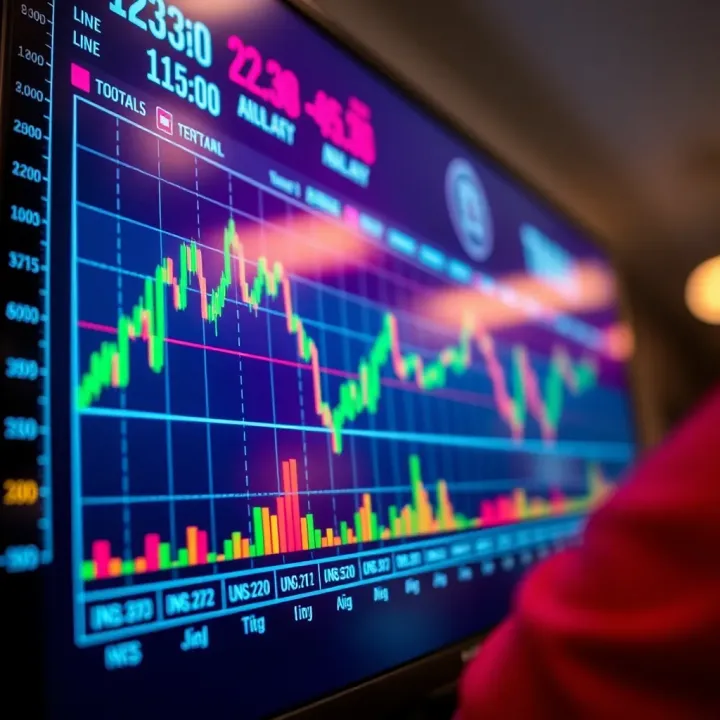
Start forex trading in Kenya with this practical guide 📈. Learn to pick brokers, open accounts, use M-Pesa for payments, and manage risks smartly like a pro.
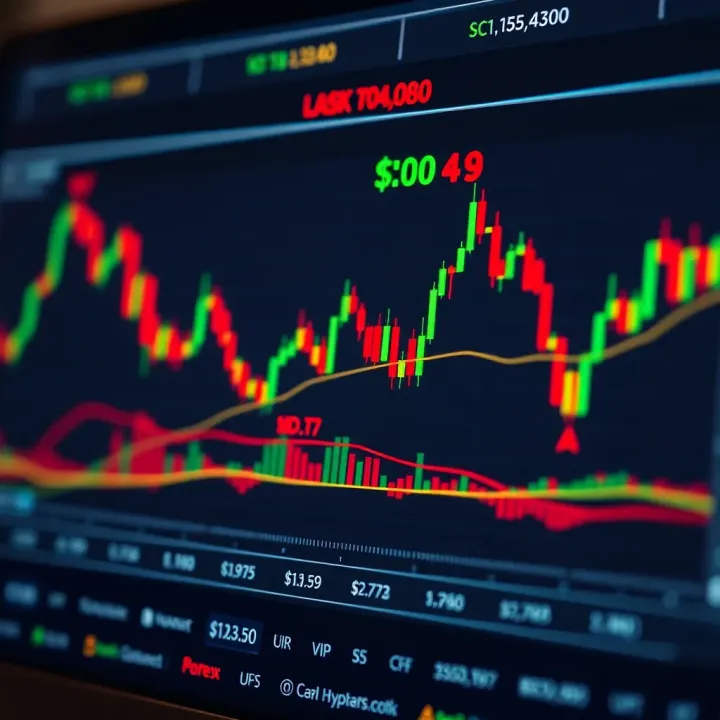
📈 Master forex trading in Kenya with this practical guide covering key strategies, risk management, top platforms, and regulatory tips to trade confidently and securely.

📈 Discover how forex trading signals guide your buy or sell decisions with market analysis in Kenya, plus tips on finding reliable providers and risks to avoid.
Based on 15 reviews