

Forex Trading in Kenya: A Beginner’s Guide
📈 Start your forex trading journey in Kenya with this practical guide covering safe trading, trusted brokers, M-Pesa payments, and risk management tips tailored for beginners.
Edited By
Isabella Morgan
Forex trading involves buying and selling currencies to profit from changes in exchange rates. In Kenya, an increasing number of people are exploring forex trading not just to diversify investments but also for potential income. However, trading forex requires a solid understanding of market basics, strategies, and risk management.
The forex market operates 24 hours a day, five days a week. Unlike the Nairobi Securities Exchange (NSE) that closes daily by 3:00 pm, forex trading spans several global financial centres, such as London, New York, Tokyo, and Sydney. This continuous trading opportunity lets Kenyan traders participate at convenient times, especially during quieter hours in local markets.
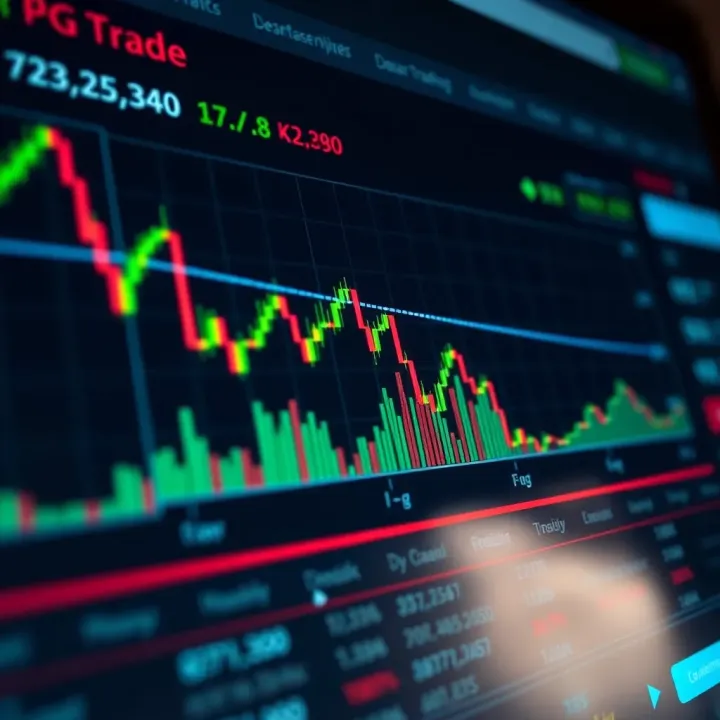
Starting forex trading typically begins with opening an account with a reputable broker. Brokers in Kenya often offer platforms like MetaTrader 4 or 5, which help traders analyse charts and execute trades. Funding your account using M-Pesa is common because of its ease and widespread availability.
To build a strong foundation, understand the most traded currency pairs, like EUR/USD, GBP/USD, and USD/JPY. For Kenyan traders, the USD/KES pair holds special relevance due to frequent transactions involving the dollar and shilling. Knowing how economic news—such as CBK’s interest rate decisions or US non-farm payroll data—affects these pairs is crucial for making timely trades.
Managing risks with stop-loss orders and proper position sizing is essential to protect your capital. Without sound risk controls, even small market swings can cause big losses.
Start with a demo account: Practice without risking real money.
Keep a trading journal: Record your trades and emotions to identify strengths and weaknesses.
Focus on one or two currency pairs: This helps you observe market behaviour more closely.
Follow Kenyan and global economic news: Subscribe to updates from credible sources.
Trading forex is not a get-rich-quick scheme but a skill to develop through learning and practice. The Kenyan market context adds unique dynamics, so staying informed on local regulations and market conditions gives traders an edge. This guide will walk you through steps to trade confidently while managing your investments wisely in the volatile foreign exchange environment.
Grasping how forex trading operates is key for any Kenyan trader stepping into the market. It helps you know what drives currency values and how global events shape trading patterns. Without this understanding, navigating the forex market feels like driving blind in Nairobi traffic: chaotic and risky.
Forex, short for foreign exchange, involves buying one currency and selling another simultaneously. These currencies trade in pairs, for example, USD/KES (US Dollar against Kenyan Shilling). When you trade forex, you're speculating on whether one currency will strengthen or weaken relative to another.
Exchange rates reflect the price of one currency in terms of another. For instance, if USD/KES is 115, it means one US Dollar equals 115 Kenyan Shillings. Traders decide when to buy or sell based on expectations of future changes in these rates.
Exchange rates are determined by supply and demand forces plus economic factors like interest rates, inflation, political stability, and trade balances. If Kenya's economy strengthens or the Central Bank of Kenya raises its interest rates, the Kenyan Shilling may appreciate because investors want to hold KSh-denominated assets.
Forex markets fuel the global economy by enabling international trade, investment, and tourism. Businesses convert currencies to pay for goods or services across borders. Without a liquid and efficient forex market, importing machinery from Germany or exporting tea to the UK would be more complicated and costlier.
Central banks and governments influence forex markets to stabilise their currencies or support economic policies. For example, the Central Bank of Kenya may intervene by buying or selling KSh to smooth out excessive volatility or manage inflation.
Commercial banks and other financial institutions form the core trading hubs. They provide liquidity by matching buyers and sellers. Large banks often trade in huge volumes daily and make markets for retail clients and corporations.
Individual retail traders in Kenya use online platforms to participate at smaller scales. With mobile internet and M-Pesa, Kenyans can open accounts easily and trade from anywhere—even during their boda boda rides or at nyama choma joints.
The forex market is open 24 hours during weekdays because it operates across major financial centres: Tokyo, London, New York, and Sydney. When the London session overlaps with New York, you’ll find higher trading volumes and sharper price moves.
Market hours affect liquidity—the ease of buying or selling. High liquidity means tighter spreads and quicker trade execution. During Nairobi's daytime (London and New York sessions), KSh pairs experience more activity. At night, liquidity tends to fall, making trading riskier with wider price swings.
Understanding the workings of forex trading empowers Kenyan traders to make informed decisions, manage risks better, and spot opportunities that fit their style and schedule.
By keeping these fundamentals in mind, you set a solid foundation to build your trading skills confidently and avoid costly mistakes along the way.
Starting forex trading can seem complicated, but focusing on practical steps makes the process straightforward. For Kenyan traders, choosing the right broker, setting up an account properly, and understanding the necessary tools are key to entering the market confidently.
Regulation by the Capital Markets Authority (CMA) of Kenya ensures that forex brokers operate within legal and ethical boundaries. Such regulation protects traders from fraud and unfair practices, which is especially important with the rise of scam brokers targeting Kenyan clients. Always confirm that your broker is CMA-licensed before depositing any funds.

Dealers with a dealing desk act as middlemen, often trading against you, which can create potential conflicts of interest. No dealing desk brokers, also known as straight-through processing (STP) or electronic communication network (ECN) brokers, send orders directly to the market. For Kenyan traders looking for transparency and fair pricing, no dealing desk brokers generally offer better trading conditions.
Spreads are the difference between buying and selling prices, while commissions are fees brokers charge per trade. Kenyan traders should compare these costs as they directly affect profitability. Also, the choice of platform matters – a user-friendly platform with reliable execution, like MetaTrader 4 or 5, enhances your trading experience.
Forex brokers usually offer various account types, from standard to micro or mini accounts. Micro accounts require lower minimum deposits, sometimes as low as KSh 1,000, making them ideal for beginners in Kenya to start with smaller capital. Choosing an account that fits your budget and trading style helps manage risk effectively.
Many Kenya-based brokers accept deposits and withdrawals through M-Pesa, allowing easy and secure transactions without needing bank transfers. Integration with the eCitizen portal helps with identity verification and compliance, simplifying account setup and fund management for Kenyan traders.
Demo accounts let you practise trading with virtual money in real market conditions. For beginners, this means testing strategies and understanding platform functions without risking real cash. Using a demo account first can build confidence and improve skills before dealing with the actual forex market.
MetaTrader 4 (MT4) and MetaTrader 5 (MT5) are among the most widely used forex platforms worldwide. MT4 is preferred for its simplicity, while MT5 offers advanced features like more timeframes and order types. Both support automated trading, useful for Kenyan traders aiming to reduce manual errors.
Having reliable charting tools helps traders spot trends and patterns critical for making informed decisions. Many brokers offer mobile apps featuring live charts and alerts, so you can trade and monitor positions on the go, which is handy for Kenyan traders with busy schedules or limited access to desktops.
Economic calendars provide schedules for important events like Central Bank meetings, GDP releases, or inflation data announcements. Tracking such events helps Kenyan traders anticipate market moves and avoid surprises. For example, CBK interest rate decisions often cause volatility in the Kenya shilling that savvy traders can use to their advantage.
Taking these practical steps builds a strong foundation, allowing you to trade forex in Kenya with confidence and control your investment risks effectively.
Understanding both fundamental and technical analysis is essential for anyone serious about forex trading. Fundamental analysis focuses on the factors driving currency values at the economic level, while technical analysis looks at historical price data to predict future movements. Together, these approaches help Kenyan traders make informed decisions and improve their chances of success.
Economic indicators and news significantly impact currency prices. For example, if Kenya’s inflation rate unexpectedly rises, it might lead to the Central Bank increasing interest rates, which would typically strengthen the Kenyan shilling. Traders following such news can react before price changes fully take effect, giving them a trading edge.
Interest rates, inflation, and GDP are key elements in fundamental analysis. Rising interest rates usually attract foreign investors seeking better returns, pushing a currency's value higher. Conversely, high inflation may erode purchasing power, causing the currency to weaken. GDP growth indicates economic strength, often leading to currency appreciation. For instance, if the Economy of Kenya reports robust GDP growth amidst stable inflation, its currency might gain favour compared to currencies from weaker economies.
Central Banks play a critical role by making monetary policy decisions that influence currency movement. When the Central Bank of Kenya raises rates to curb inflation, traders generally expect the shilling to strengthen. On the other hand, if the bank signals possible rate cuts to stimulate growth, the shilling may weaken. Paying attention to such announcements and the tone of Central Bank statements helps traders anticipate trends.
Technical analysis involves studying chart patterns and trend lines, which show price direction over time. For example, a rising trend line connecting recent lows can signal an uptrend, suggesting a good buying opportunity. Kenyan traders who use MT4 or MT5 platforms can easily draw these lines to visualise market sentiment.
Key indicators such as moving averages, RSI (Relative Strength Index), and MACD (Moving Average Convergence Divergence) offer insights about market momentum and potential reversals. A moving average crossover on a USD/KES chart, for instance, might indicate a new trend forming. RSI helps spot overbought or oversold conditions, while MACD confirms trend strength, enabling more precise entry or exit points.
Support and resistance levels mark price points where the currency often bounces or struggles to break through. Identifying these levels is valuable because they often guide stop loss and take profit placements. For example, if the USD/KES pair keeps bouncing off KSh 110, that price becomes a support level signaling buyers are stepping in.
Using both fundamental and technical analysis together can improve trade timing. For instance, after hearing strong GDP growth news, a trader may wait for technical signals like a trend line break or an RSI dip before entering a position. This way, they confirm the economic outlook with market behaviour, reducing risks.
Developing a personalised trading plan helps Kenyan traders stick to disciplined strategies and manage emotions. Such a plan outlines when to enter or exit trades based on combined analysis, risk limits, and specific goals. Over time, regular review and adjustment of the plan builds confidence and consistent results.
Combining economic understanding with price action analysis gives forex traders a sharper edge, especially in volatile markets like forex where Kenyan shilling pairs can react quickly to regional and global factors.
Both approaches have strong practical benefits, and mastering them paves the way for more confident trading decisions in Kenya's forex market.
Managing risks effectively is vital for any trader aiming to stay afloat in the forex market, especially beginners. The forex market can be unpredictable, with rapid price swings that can either lead to big profits or heavy losses. Knowing how to protect yourself against major losses helps you trade sustainably and avoid wiping out your capital early on. Plus, avoiding common mistakes—including falling for scams or trading based on emotions—improves your chances of long-term success.
Leverage lets you control a large position using a small amount of your own money, magnifying both gains and losses. For example, if you use a leverage of 1:100, a KSh 1,000 deposit can open a position worth KSh 100,000. While this sounds attractive, if the market moves against you by just 1%, you might lose your entire deposit. Leverage works like a double-edged sword—it can boost your profits but also expose you to significant losses beyond your initial investment.
For beginners in Kenya, it’s best to use low leverage levels, such as 1:10 or even less. This reduces the risk of rapid account depletion while you get the hang of market movements. Many brokers offer adjustable leverage, so you can start small and only increase it once you gain experience and confidence. Keeping leverage low is like having a safety net—your losses remain manageable even if trades don’t go your way.
A stop loss order is a preset level where the trade automatically closes to limit losses. This tool helps you avoid wiping out your trading account when the market suddenly moves against your position. For instance, if you buy USD/KES at 110 and set a stop loss at 108, the trade will close automatically at 108, capping your loss to an agreed level. Using stop loss orders is a disciplined way to protect your funds without watching the screen 24/7.
Taking profit at realistic levels is just as important. Setting a take profit order ensures you lock in gains before the market reverses. For example, if you expect the USD/KES pair to climb to 112, placing a take profit there secures your profit once the price hits that level. Avoid being greedy; chasing big profits without an exit plan often leads to losing earned gains. It’s better to take small, consistent profits than gamble on big wins that might never come.
Trading with a clear mind keeps emotions like greed and fear in check. Greed may push you to risk bigger amounts after a win, while fear can make you exit trades too soon or avoid promising setups. For example, a beginner who just made a profit may overtrade or ignore their strategy out of excitement. Developing a trading plan and sticking to it helps reduce emotional decisions that can cost you dearly.
Kenyan traders should also be vigilant against scams. Fraudulent brokers often promise guaranteed profits or demand upfront fees outside normal deposit methods. A red flag is when a broker is not regulated by the Capital Markets Authority (CMA) Kenya or demands unusual payment channels. Always verify broker licences and check reviews from fellow traders. Remember, if something sounds too good to be true, it likely is.
Protecting your capital through sound risk management and staying alert against scams builds a strong foundation for consistent trading success.
By understanding leverage, setting effective orders, and keeping emotions and frauds at bay, you create a safer trading environment that can help your forex endeavours last longer and grow steadily.
Growing your skills in forex trading is not a one-time effort but an ongoing process. Having the right resources and clear next steps can make a world of difference, especially for Kenyan traders navigating a global market with local challenges. Reliable educational platforms, deliberate practice through demo accounts, and active participation in trading communities help build both confidence and technique.
Kenya offers an increasing number of local and international online resources tailored specifically for forex beginners. Platforms like the CMA Kenya website provide regulatory guidelines and updates, while international websites such as BabyPips offer structured forex courses suitable for novices. Using such platforms helps you understand key basics without expensive classes. They often break down complex concepts into bite-sized lessons, which you can follow at your own pace.
YouTube channels dedicated to forex trading are also valuable. They let you see live trading examples and get visual explanations of strategies. Kenyan-focused forums and blogs provide a chance to learn from people who understand your trading environment, including currency pairs that are active locally and how M-Pesa payments can simplify deposits with brokers. However, make sure you verify the credibility of what you watch or read to avoid misleading information.
Before risking real money, demo accounts are essential. They give you a hands-on feel of the market without any financial risk. Kenyan beginners can easily open demo accounts with brokers like Pepperstone or AximTrade without deposit requirements. Practising like this helps you understand order types, chart movements, and trade execution timing in a stress-free environment.
Demo trading also lets you test various strategies safely. Whether it's testing how a moving average crossover works or trying out stop loss limits, you can evaluate what suits your style before actually investing KSh. Practising regularly increases your discipline and prepares you for market volatility, reducing costly mistakes once you go live.
Learning from more experienced traders accelerates your growth. Peer exchange and mentorship offer real-world insights you won’t find in books. Kenyan traders often share tips on spotting local scams or trusted brokers, which is invaluable given the rise of fraudulent schemes. Mentorship can guide you through emotional pitfalls like fear and greed that plague new traders.
Joining both local groups and online forums connected to Kenya’s trading scene creates support structures. Physical meetups in Nairobi or Mombasa enable face-to-face discussions, while platforms like Twitter and Telegram host active Kenyan forex trading communities. Being part of these networks offers not just knowledge but also motivation and accountability as you develop your trading skills.
Starting forex trading in Kenya means more than just opening an account—it requires constant learning and community support to succeed consistently.
By tapping into these resources and taking deliberate next steps, you set yourself on a clearer path towards smart, informed forex trading.
📈 Start your forex trading journey in Kenya with this practical guide covering safe trading, trusted brokers, M-Pesa payments, and risk management tips tailored for beginners.
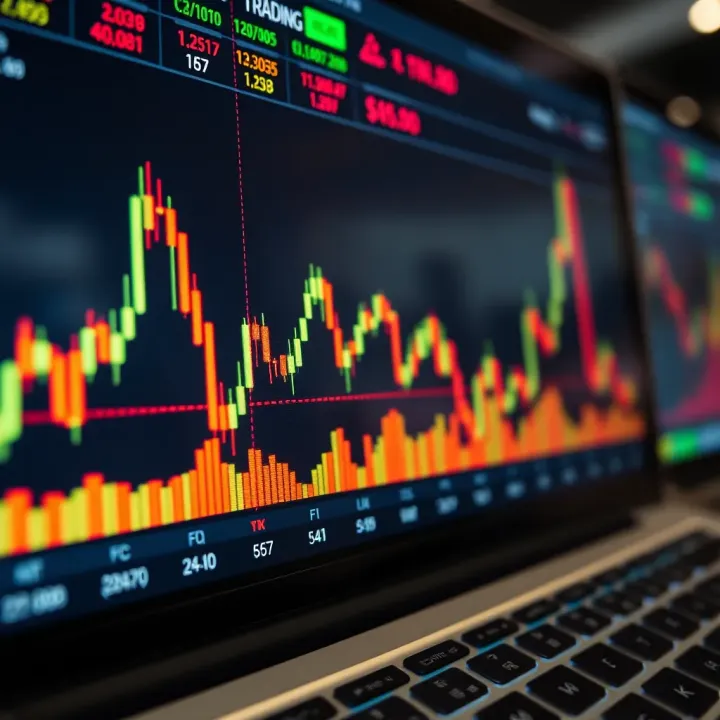
📈 Understand forex trading basics in Kenya! Learn market operation, key currency pairs, strategies, risk tips, and how to start trading confidently today.
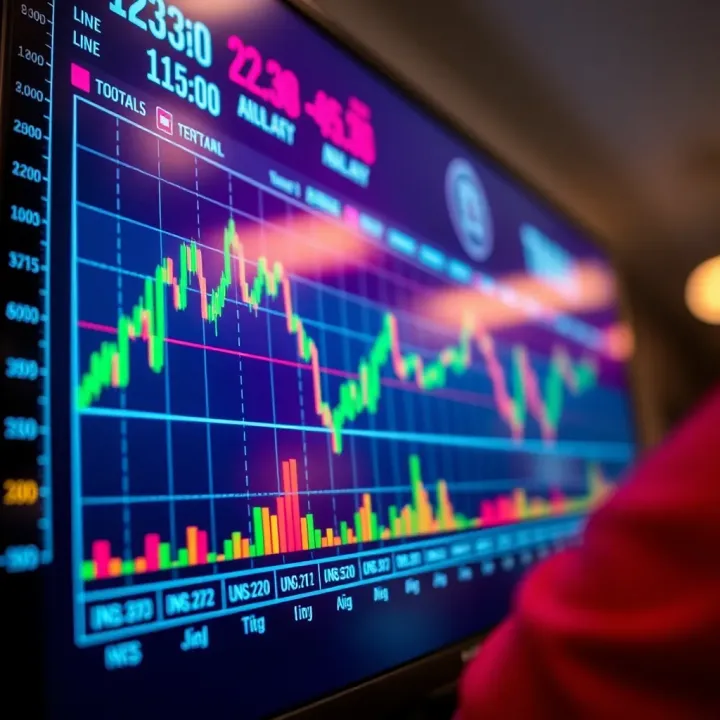
Start forex trading in Kenya with this practical guide 📈. Learn to pick brokers, open accounts, use M-Pesa for payments, and manage risks smartly like a pro.
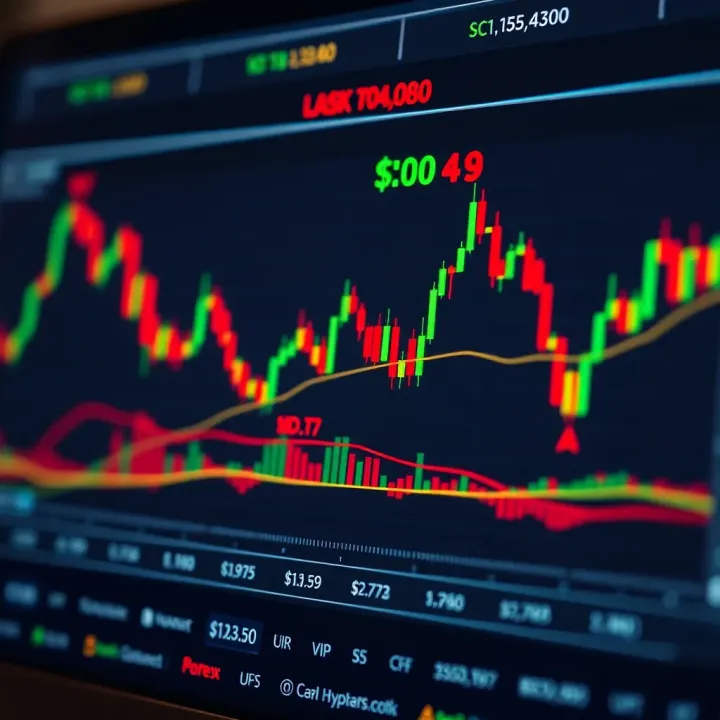
📈 Master forex trading in Kenya with this practical guide covering key strategies, risk management, top platforms, and regulatory tips to trade confidently and securely.
Based on 14 reviews