
Risk Management in Kenyan Organisations
📊 Discover how risk management helps Kenyan organisations reduce uncertainties, protect finances, and boost growth. Learn practical steps and business examples to stay ahead.
Edited By
Oliver Edwards
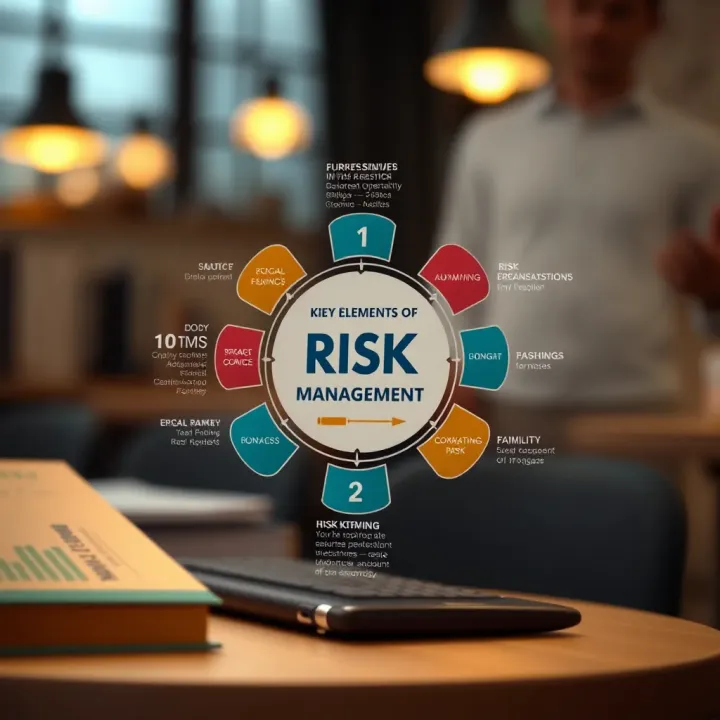
Risk management is a practical tool that organisations use to keep their operations steady and their goals achievable amid uncertainties. This is particularly true in environments like Kenya’s dynamic business scene, where economic shifts, regulatory changes, and market disruptions can occur unexpectedly.
At its core, risk management involves a series of deliberate functions that help organisations identify potential threats, evaluate their impact, and put measures in place to control or mitigate those risks. Unlike guesswork, this process demands systematic gathering of information and continuous monitoring. For example, a Nairobi-based agribusiness might track weather forecasts closely to anticipate rainfall delays that could affect harvest cycles and adjust their supply chain accordingly.

Proper risk management doesn’t just prevent losses—it supports better decision-making that aligns with the organisation’s risk appetite and strategic direction.
The first step is to recognise what could go wrong. This requires scanning both internal operations and external factors, from shifting market demand to political developments within counties. Risk assessment then measures the likelihood of each risk alongside its potential cost in financial or reputational terms. For instance, a bank operating in Kenya must weigh cyber threats and credit default risks differently, assigning appropriate priorities.
Organisations must decide the level of risk they are willing to tolerate. This depends on their size, sector, and strategic goals. A smaller SME in Mombasa might opt for a conservative approach to protect limited capital, while a larger firm on the NSE (Nairobi Securities Exchange) may accept higher risks for bigger returns. Clear definition of this appetite ensures all team members understand boundaries and work towards acceptable outcomes.
Risk environments shift constantly. Effective risk management involves tracking emerging threats and the effectiveness of controls regularly. This can mean weekly reports on liquidity for a brokerage or continual updates on compliance for a manufacturing firm facing evolving county regulations. Transparency in these reports helps leadership react swiftly.
Finally, a good risk management function creates action plans to reduce impact if threats materialise. This includes prearranged measures like insurance policies, business continuity strategies, or emergency funds. For example, a transport company might have alternative routes mapped out in case of roadblocks during the rainy season.
Understanding and implementing these core functions equips organisations to survive uncertainties in Kenya’s fast-moving economy, keeping their ambitions on track even when risks arise.
Identifying risks is the first and one of the most important steps in managing threats to an organisation’s objectives. It involves recognising any possible events or conditions that can disrupt operations, affect finances, or harm reputation. By understanding these risks early, organisations can prepare and respond effectively rather than reacting after damage has occurred. For investors and financial analysts, spotting risks early means better evaluation of a company’s stability and potential returns.
Internal operational risks arise from within the organisation’s processes and systems. Examples include machinery breakdowns, IT system failures, or staff shortages. For instance, a manufacturing firm in Nairobi might face delays due to faulty equipment or poor quality control, which can disrupt supply chains. These risks directly affect day-to-day operations and can increase costs or lower productivity if not managed.
These risks come from outside the organisation and often lie beyond immediate control. They include changes in government policies, weather conditions, or socio-political unrest. For example, during the general elections in Kenya, some businesses experience interruptions caused by protests or transport strikes. Also, prolonged droughts can affect agricultural firms by reducing yields. Companies must monitor such external factors as they influence strategic decisions and continuity planning.
Financial and market risks involve fluctuations in currency exchange rates, interest rates, or stock prices. Investors following NSE-listed companies, for example, need to be mindful of how economic changes or global market trends affect share values or dividends. A forex depreciation against the US dollar could increase import costs for a local business, reducing profitability. These risks require constant analysis to mitigate potential financial losses.
Legal and compliance risks emerge when organisations fail to adhere to laws, regulations, or contractual obligations. In Kenya, businesses must follow regulations from bodies like the Kenya Revenue Authority (KRA) or the Capital Markets Authority (CMA). Non-compliance with tax laws or workplace safety standards can result in fines or legal action, damaging reputation and finances. Managing these risks ensures operational legitimacy and builds trust with stakeholders.
Conducting regular risk assessments and audits helps organisations uncover vulnerabilities before they escalate. These processes evaluate activities, systems, and controls to find gaps that could lead to problems. For example, banks in Kenya often perform internal audits to check for fraud risks or IT security weaknesses. Such reviews provide a clear picture of current risk exposure and guide improvements.
Engaging with employees, customers, suppliers, and regulators offers valuable insights into emerging risks. Those closely involved with daily operations can often detect warning signs unnoticed by top management. A company sourcing raw materials from local farmers might learn about supply risks through direct conversations. These consultations ensure a comprehensive understanding of potential threats from different perspectives.
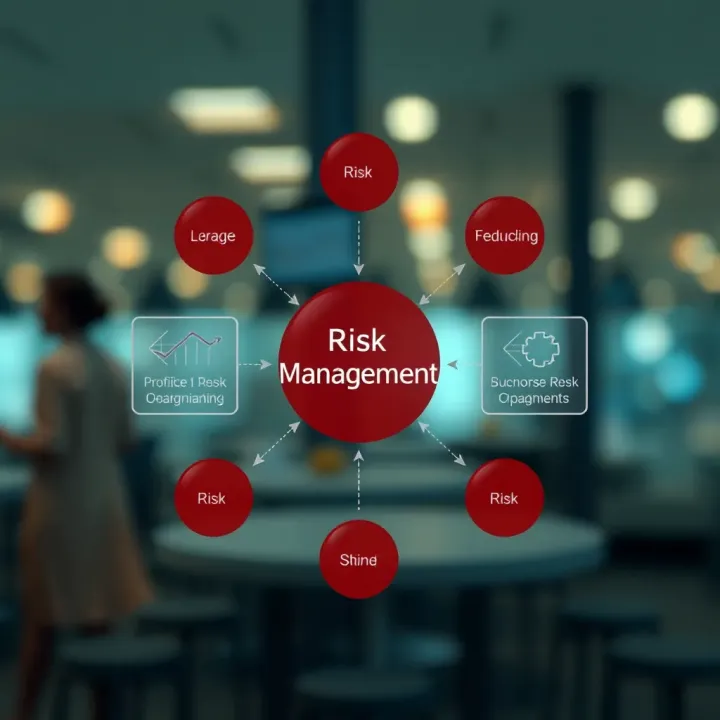
This technique involves monitoring external trends and events that may affect the organisation, such as economic shifts, technology changes, or social movements. It’s like having an early warning system. For instance, a logistics firm can observe fuel price trends or changes in transport laws to anticipate cost increases. Keeping an eye on the broader environment allows businesses to adapt proactively rather than being caught off guard.
Early and thorough risk identification can save organisations from costly surprises and helps build resilience. For financiers and educators alike, understanding where risks come from and how to spot them is key to sound decision-making and sustainable growth.
Risk analysis and evaluation methods lie at the heart of effective risk management. They provide organisations with a clear picture of which risks pose the greatest threats and thus deserve immediate attention. Without these methods, decision-makers can easily get overwhelmed by the sheer number of potential risks, leading to misdirected resources and missed opportunities to safeguard operations. For investors, traders, and financial analysts, a systematic approach to risk evaluation offers a way to measure uncertainties and make more informed choices based on real data.
Qualitative risk analysis involves evaluating risks based on descriptive measures like likelihood and potential outcome severity, rather than precise numbers. This method often uses expert judgement, brainstorming sessions, or structured interviews to categorise risks into groups such as high, medium, or low. For example, in a Nairobi-based manufacturing firm, management may identify power outages as a high-probability and medium-impact risk, based on past experiences and local electricity supply reliability. Such insight helps focus discussions quickly on the most pressing concerns without complex data requirements.
On the other hand, quantitative risk measurement translates risks into numerical values, often using statistical models or historical data. This approach might calculate the expected financial loss or probability distributions associated with a specific risk. Banks in Kenya, for instance, frequently use value-at-risk (VaR) models to estimate the potential loss from market downturns over a certain period. While quantitative analysis requires more data and specialised skills, it offers a clearer picture of potential impacts measured in absolute terms like KSh losses or percentage changes.
Utilising a risk matrix and scoring tools is a practical way organisations rank risks by combining their likelihood and impact into a simple visual grid. Such matrices help quickly separate urgent risks from those that are less threatening. For example, a blue-collar company in Mombasa might plot supply chain delays into a high-impact but low-likelihood category, adjusting their contingency plans accordingly. Scoring tools assign numerical values, making it easier to track risk profiles over time and compare between different departments or projects.
Aligning with organisational risk appetite ensures that risk prioritisation matches the company’s willingness and capacity to tolerate risks. Risk appetite acts as a compass guiding whether to accept, reduce, or avoid certain risks. A Kenyan bank might have a low appetite for credit risks following recent economic shocks but a higher appetite for technology risks as it explores digital banking innovations. This alignment ensures resources target risks that truly matter to the organisation’s overall strategy and financial health.
Proper risk analysis and evaluation not only pinpoint threats but also inform smarter resource allocation and strategic planning. Organisations that master these methods navigate uncertainties more confidently and maintain steadier growth trajectories.
By combining qualitative insights with quantitative data, and matching these to organisational tolerance, businesses achieve a balanced, actionable risk management framework.
Planning and implementing risk responses forms a critical stage in managing risks within organisations. It involves choosing the right approach to address identified risks and then putting those plans into action effectively. This function helps organisations reduce the likelihood and impact of threats, securing business continuity and protecting their reputation. Without clear response plans, even well-identified risks can spiral into significant losses.
Process improvements focus on refining existing operations to eliminate or reduce risk sources. For example, a bank might automate manual transaction processes to minimise human errors that could lead to financial losses or fraud. By improving workflows, organisations not only cut down risks but also boost efficiency and cost-effectiveness. This strategy is practical because it tackles root causes rather than just handling symptoms, ensuring that similar risks don't reoccur.
Controls and safeguards are checks put in place to detect, prevent, or limit exposure to risks. Consider a trading firm that employs strict access controls and surveillance systems to prevent unauthorised trading or data theft. These controls include physical barriers, IT security protocols, and operational procedures. Their practical value lies in creating layers of defence, which lower the chances of risk events causing significant harm.
Insurance options provide financial protection by transferring risk to third-party insurers. Organisations purchase insurance policies covering areas like property damage, liability claims, or business interruptions. For example, a manufacturing company based in Nairobi might insure its plant against fire or flood damage. While insurance doesn’t prevent risks, it cushions the financial hit, ensuring the business can recover without draining reserves.
Outsourcing and partnerships shift certain risks by delegating tasks to external entities. For instance, a company may outsource its IT support to a specialised firm to avoid risks related to system failures or cyber-attacks. Partnerships with trusted suppliers can also share the burden of operational risks. This approach often allows organisations to focus on core activities, relying on experts to handle areas where risk exposure is high or expertise lacking.
Risk retention policies acknowledge that not all risks can or should be avoided. Some risks are accepted consciously because mitigating them may be too costly or impossible. A small startup might decide to retain risks associated with minor supplier delays, accepting occasional disruptions rather than overcomplicating supply chains. The key is that these accepted risks are planned for, with budgets or contingency resources allocated to handle their possible impact.
Setting limits and thresholds involves defining acceptable levels of risk that an organisation can tolerate. For example, a financial analyst firm may set a loss threshold beyond which immediate action must be taken to stop trading. These limits help monitor risk exposure continuously and trigger timely responses if risks grow out of bounds. Establishing these thresholds helps keep risks within manageable levels, preventing escalation into crises.
Effective risk response planning balances avoidance, transfer, and acceptance to protect organisations against uncertainty and sustain their growth.
By choosing suitable response strategies and monitoring them actively, organisations maintain control over potential threats, ensuring resilience even in unpredictable environments.
Effective monitoring of risks and reliable reporting systems are a backbone of sound risk management in any organisation. These functions help track emerging threats and ensure that decision-makers receive timely information to act accordingly. For investors, financial analysts, or brokers, understanding how risks evolve through regular monitoring can guide better investment decisions or trading strategies. Organisations that stay alert to risk indicators can prevent losses, improve compliance, and align operations with their risk appetite.
Key risk indicators (KRIs) are measurable signals that alert an organisation to potential exposures before they escalate. For example, a bank might track loan default rates or liquidity ratios as KRIs to spot financial stress early. These indicators must be specific, quantifiable, and closely linked to the organisation’s risk profile. Tracking KRIs allows firms to identify risk trends over time, enabling proactive management rather than reactive firefighting.
Regular monitoring of KRIs also supports setting thresholds or limits that trigger alerts when risks move beyond acceptable bounds. For instance, an investment fund may set a KRI threshold on market volatility; if volatility spikes past this point, portfolio managers receive an alert to review positions. This approach minimises surprises and keeps risk within tolerable levels.
Regular risk reviews form another key element in this monitoring process. These reviews involve scheduled assessments—monthly, quarterly, or after major events—to evaluate the current risk status against initial forecasts. They provide a forum for different departments to share insights and update the overall risk register.
For example, an energy company might hold quarterly risk reviews to assess exposure to fuel price swings or regulatory changes. This ensures risk management remains a continuous process, not a one-off exercise. Such discipline helps align risk responses with changing business environments and maintain clear focus on critical risks.
A well-structured risk reporting framework ensures that relevant information reaches the right people at the right time. This framework defines the types of reports, frequency, format, and reporting lines—making risk data understandable and actionable. For instance, senior management might receive summary dashboards that highlight top risks and their impact, while operational teams get detailed reports related to their functions.
Clear and consistent reporting reduces confusion and builds a shared understanding of risk priorities across an organisation. It also supports regulatory compliance by documenting how risks are monitored and addressed.
Internal and external stakeholder updates extend this communication beyond immediate teams. Internally, regular risk presentations or bulletins keep everyone informed and engaged—from finance to sales. Externally, investors or regulators require transparent risk disclosures to assess the organisation’s stability.
For example, a listed company might include risk discussions in its annual report, explaining how identified risks are managed and their potential impact on financial performance. Timely updates to stakeholders foster trust and help manage expectations, particularly when market conditions shift rapidly.
Consistent risk monitoring and clear communication are vital in turning raw data into strategic insight, enabling organisations to navigate uncertainties with greater confidence.
By embedding these systems into everyday operations, firms maintain control over their risk landscape and respond swiftly to emerging threats.
Strong risk governance and a healthy risk culture form the backbone of effective risk management in any organisation. Without clear governance structures, it becomes difficult to ensure consistent decision-making or enforce risk policies. Similarly, a culture that encourages responsible risk-taking and awareness helps organisations respond swiftly to emerging threats and opportunities. This section breaks down how defining risk appetite and fostering a supportive culture empower boards and staff to manage risks confidently.
The board and senior management define the organisation's risk appetite—how much risk the company is willing to accept in pursuit of its objectives. In practice, this means they must balance between being overly cautious, which could stifle growth, and taking excessive risks that endanger business stability. For example, a financial services firm may decide its appetite for credit risk is low after a recent sector downturn, prompting stricter loan approval criteria.
These leaders also set the tone for risk oversight by approving policies and monitoring adherence. In Kenyan companies, this responsibility often involves boards reviewing risk registers quarterly and using reports from risk committees to guide decisions. When management actively embraces this role, it sends a clear message that risk management is not just a box-ticking exercise but integral to strategy.
Risk limits serve as practical boundaries that keep risks within the appetite approved by the board. These limits can take various forms: thresholds on financial exposure, caps on market positions, or operational tolerances like downtime limits for critical systems. For instance, an investment firm may set limits on how much capital its traders may deploy per transaction to prevent outsized losses.
By setting and enforcing these boundaries, organisations ensure they do not drift unknowingly into dangerous territory. Regular monitoring combined with escalation procedures for breaches keeps risk management proactive rather than reactive. Clear limits also help allocate resources efficiently, focusing attention on areas where risks approach or exceed tolerances.
Creating a risk-aware workforce is essential for spotting and handling risks at all levels. Providing tailored training ensures employees understand the risks relevant to their roles and how their actions affect the wider organisation. For example, a manufacturing company might train shop-floor staff on safety protocols and near-miss reporting, ensuring hazards are caught early.
Ongoing awareness campaigns keep risk considerations top of mind rather than forgotten after initial training. Practical sessions, case studies, and real-life scenarios relevant to Kenyan contexts enhance understanding. A workforce that recognises risks is better equipped to take ownership and work collaboratively to manage them.
Encouraging employees to take calculated risks requires building reward systems that recognise not just successes but also responsible decision-making. Organisations that punish every mistake without context risk stifling innovation and driving risks underground.
Implementing incentive schemes that value risk discipline—for example, bonuses linked to compliance with risk management procedures or recognition for identifying potential threats early—promotes a balanced approach. In banking or investment firms, this practice helps align individual behaviour with organisational risk profiles, leading to safer, smarter growth.
Establishing sound risk governance and culture is not a one-off task but an ongoing commitment. Boards, managers, and employees must all play their part to create an environment where risks are understood, managed, and appropriately taken to support organisational goals.
📊 Discover how risk management helps Kenyan organisations reduce uncertainties, protect finances, and boost growth. Learn practical steps and business examples to stay ahead.
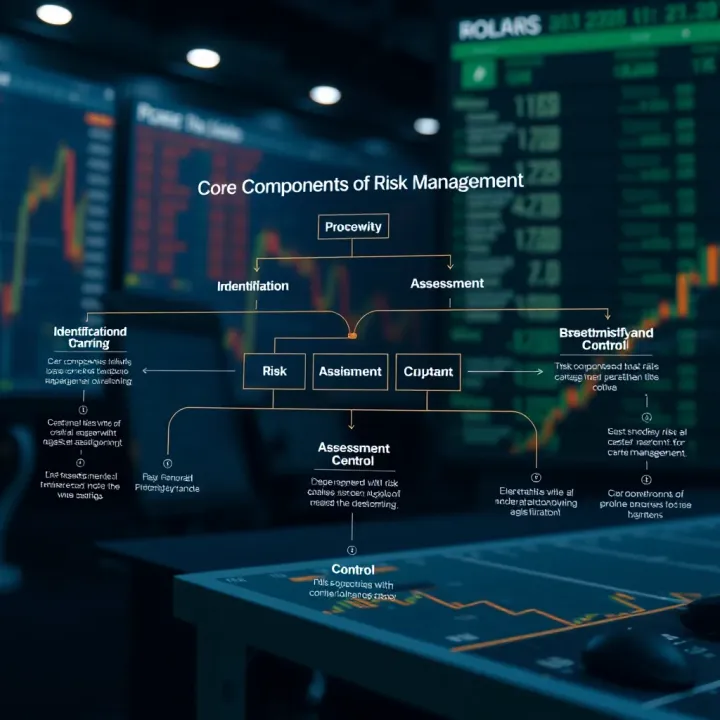
🔍 Learn core principles of risk management to protect your business or public service in Kenya. Manage threats wisely and secure your resources amidst change.

Discover how the Kenyan government identifies, assesses, and manages risks like natural disasters, economic shocks, and health threats to protect communities 🌍.

🔍 Learn how risk management and insurance protect you and businesses in Kenya from accidents, theft, and natural disasters. Discover local policies and tips to stay covered.
Based on 6 reviews