
Forex Trading Guide for Kenyan Traders
Learn forex trading basics clearly with this practical PDF guide designed for Kenyan traders. Understand tools, risk management, and tips to trade with confidence 💹
Edited By
Oliver Edwards
Forex trading involves buying and selling different currencies in the global market with the aim of making profits from changes in exchange rates. Unlike stocks or commodities, forex markets run 24 hours a day during weekdays, offering flexibility for traders in Kenya to engage at their convenience.
For Kenyan traders, understanding the forex market means recognising how currency pairs work. For instance, the USD/KES pair shows how many Kenyan Shillings (KES) you need to buy one US Dollar (USD). When the USD strengthens against the KES, it costs more shillings to buy a dollar, and savvy traders can capitalise on these movements.
Forex trading is all about speculation on whether one currency will appreciate or depreciate compared to another. You don’t own the actual currency but trade contracts representing the currency pairs. Brokers offer platforms where you can place trades using leverage, meaning you control a larger amount of currency with a smaller deposit. For example, with 1:100 leverage, KSh 10,000 can control a position worth KSh 1 million.
Currency Pair: Two currencies traded against each other (e.g., EUR/USD).
Pip: The smallest price move in a currency pair, usually the fourth decimal place.
Spread: The difference between the buying (ask) and selling (bid) price.
Leverage: Borrowed capital to increase the size of your trade.
Trading forex requires solid knowledge of these terms to avoid costly mistakes.
Kenya’s forex scene is growing, supported by brokers regulated by the Capital Markets Authority (CMA). Many Kenyans use platforms like MetaTrader alongside M-Pesa for fast deposits and withdrawals. However, forex is not without risks. Currency values can shift dramatically due to global events, local political changes, or economic data releases.
Before venturing into forex, Kenyan traders should get familiar with local regulations, select a reputable broker, and practise with demo accounts. Also, understanding how global events affect currency pairs, especially those involving the Kenyan Shilling, helps sharpen trading decisions.
This guide will unpack the basics, common strategies, and risk management tailored for Kenyan traders to navigate forex trading confidently and safely.
Understanding how forex trading operates is key for any Kenyan trader looking to enter this market. Forex, or foreign exchange trading, involves exchanging one currency for another with the goal of profiting from currency value changes. This section breaks down the fundamental parts of the forex market and how everyday traders can take part meaningfully.
Forex trading always happens in pairs, like USD/KES or EUR/USD. One currency is bought while the other is sold simultaneously. The exchange rate shows how much of the second currency you need to buy one unit of the first. For example, if the USD/KES rate is 115, it means 1 US dollar costs 115 Kenyan shillings.
This matters to Kenyan traders because your profits or losses depend on how these rates move. If you bought USD/KES at 115 and the rate rises to 117, you gain as the dollar becomes more valuable against the shilling.
Major pairs are the most traded worldwide and include currencies like the US dollar (USD), euro (EUR), British pound (GBP), and Japanese yen (JPY). These pairs have high liquidity and tighter spreads, which is beneficial when trading.
Minor pairs do not involve the US dollar but still consist of other strong currencies like EUR/GBP or AUD/NZD. These pairs tend to have wider spreads and can be more volatile, presenting both risks and opportunities for traders.
Knowing which pairs to focus on helps Kenyan traders manage risk and choose markets that suit their trading style.
The forex market is made up of banks, central banks, corporations, hedge funds, and retail traders. For instance, Kenya’s Central Bank may intervene to stabilise the shilling. Banks and corporations trade forex mainly for business or hedging, while retail traders like you aim to profit from price movements.
Each participant’s actions affect liquidity and price. For a Kenyan trader, understanding who moves the market can guide better timing and strategy.
Most forex trading involves the spot market where currency exchange happens instantly at current prices. For example, you use your trading account to exchange KSh to US dollars immediately at the prevailing rate.
Derivatives like futures and options allow traders to speculate on future prices without holding the currencies themselves. While these can offer flexibility, they are riskier and usually for more experienced traders.
Kenyan traders typically start with spot trading before considering derivatives.
Leverage lets traders control a big position with a small deposit called margin. For instance, with 1:100 leverage, KSh 1,000 in your account could control KSh 100,000 worth of currency.
While leverage can boost profits, it also magnifies losses and can quickly wipe out your capital. Careful use of leverage is critical for Kenyan traders, especially those starting with small accounts.

Brokers act as the bridge connecting you to the forex market. They provide trading platforms, access to price quotes, and manage your orders.
Choosing a trustworthy broker is vital. Brokers regulated by Kenya’s Capital Markets Authority (CMA) or internationally recognised bodies generally offer safer environments. They also provide convenient deposit options like M-Pesa, which is popular in Kenya.
Good brokers offer transparent fees, fair spreads, and useful educational resources that support your trading journey.
Mastering the basics of how forex works sets you up for informed decision-making. Knowing currency pairs, market players, trading types, and broker roles helps you trade confidently and avoid common pitfalls.
Forex trading presents a mix of clear advantages and potential setbacks for Kenyan traders. Being aware of these helps investors make informed decisions and prepares them to handle the market's ups and downs better. This section looks closely at practical benefits such as easy access and profit chances, alongside key risks like unpredictability and issues around unregulated brokers.
One big plus for Kenyan traders is forex’s accessibility. Unlike traditional stock markets with fixed hours, the forex market runs 24 hours from Monday morning in Asia through to Friday evening in New York. This fits nicely with the typical Kenyan day, allowing traders to make deals before work, after dinner, or during quiet moments in between. Plus, with just a smartphone, internet, and platforms like MetaTrader, anyone in Nairobi, Mombasa, Kisumu, or even smaller towns can jump in.
Currency markets especially flourish with volatility—rapid price changes present opportunities to make gains even in short periods. In Kenya, for example, shifts in the US dollar-Kenyan shilling exchange during election seasons or after major economic announcements offer chances for savvy traders to capitalise. However, with volatility comes risk, so while profits can be substantial, they require careful strategy and timing.
Although volatility can be an advantage, it also means that forex is unpredictable. Sudden moves caused by political events, central bank decisions, or global crises can wipe out gains quickly. For instance, an unexpected decision by the Central Bank of Kenya (CBK) on interest rates might cause rapid Kenyan shilling fluctuations, catching unprepared traders off guard.
Leverage lets traders control larger positions with a small deposit, amplifying both profits and losses. While it can seem attractive to double or triple returns, many Kenyan traders fall into traps using excessive leverage without solid risk controls. For example, using 100:1 leverage could mean losing the whole deposit just from minor market swings. Knowing how to manage leverage is critical to avoid wiping out capital fast.
The Kenyan forex space has seen a rise in scams and unscrupulous brokers who promise unrealistic returns or operate without proper licences. Dealing with unregulated brokers risks losing money with little recourse. One should always check if brokers are authorised by the Capital Markets Authority (CMA) and KRA, and verify their reputation through trusted sources before opening an account.
To trade forex safely, Kenyans must balance the market's open doors with cautious steps to avoid pitfalls, focusing on reputable brokers, sound strategies, and disciplined money management.
By weighing these pros and cons carefully, traders in Kenya can make forex a worthwhile venture without falling into common traps that have caught many others.
Starting forex trading in Kenya involves practical steps that help ensure safety and effectiveness. Unlike jumping in blindly, preparing correctly can shield you from avoidable losses and scams. This section covers key points like selecting a trustworthy broker and managing your account efficiently.
Before trading, picking a broker is a major decision. Brokers must comply with Kenya Revenue Authority (KRA) and Capital Markets Authority (CMA) regulations. Compliance means brokers follow local laws on taxation and financial services, ensuring they operate legally and transparently. For instance, brokers registered with CMA Kenya provide an added layer of consumer protection, making it easier to seek recourse if problems arise.
Checking broker credentials goes beyond just licences. Look at their years in operation, client reviews, and whether they offer proper educational resources. Registered brokers typically display their CMA licence numbers on their sites. An experienced broker with clear communication inspires confidence, compared to those with vague or suspicious credentials.
Kenyan traders often wonder whether to choose local or international brokers. Local brokers are more accessible and may accept M-Pesa payments directly, making deposit and withdrawal simpler. On the other hand, international brokers may offer more currency pairs and tighter spreads but require additional verification steps. Weighing convenience against variety helps decide what suits your trading style best.
Using M-Pesa for deposits is a huge advantage for Kenyan traders. It lets you fund your trading account quickly without complex bank transfers or forex charges. Many brokers now integrate M-Pesa, making funding accounts as easy as sending money to a family member. Besides M-Pesa, options like bank transfers and debit cards are common, but M-Pesa remains the fastest and most popular.
Trading accounts come with different types, such as standard, mini, or micro accounts, each with distinct spreads and minimum deposits. Beginners might prefer micro accounts that require low initial investment, while experienced traders seek tighter spreads and more tools in standard accounts. Understanding these variations helps avoid surprises with trading costs and ensures you pick an account type that fits your budget and goals.
Starting right with a reputable broker and a funded account that matches your trading needs builds a strong foundation for your forex journey in Kenya.
Selecting the right broker and opening your account properly are early-but-critical steps. They prevent losses, speed up trading, and give you peace of mind as you explore the forex market. Always confirm broker registration, payment options, and account types carefully to trade smoothly.
Understanding common forex trading strategies and techniques helps Kenyan traders navigate the volatile currency market with better insight and control. These methods provide practical tools to analyse price movements, time trades, and manage risks, all essential for consistent trading success. Without a grasp of these strategies, traders risk making impulsive decisions or falling prey to market noise.
Charts show historical price movements of currency pairs, allowing traders to spot trends and potential reversals. Trends indicate the general direction—upwards, downwards or sideways—over a period. For instance, if the USD/KES pair has been steadily rising, traders anticipate continued strength in USD relative to the shilling. Recognising such trends helps decide whether to buy or sell.
Using basic chart types like line charts, bar charts, and candlestick charts lets traders visualise price action clearly. Candlestick charts are favourite among many because they show open, close, high and low prices, giving a fuller picture. Spotting a sequence of higher highs and higher lows, for example, suggests an uptrend.
Indicators are mathematical tools applied to charts to highlight market conditions such as momentum, volatility, or trend strength. Popular ones include the Moving Average (MA), Relative Strength Index (RSI), and Bollinger Bands. Moving Averages smooth out price fluctuations to show the general trend direction. For example, a 50-day MA crossing above the 200-day MA—a golden cross—often signals a bullish market.
Patterns such as head and shoulders, double tops, or flags provide clues about possible price reversals or continuations. If a double top pattern forms in EUR/USD, it may signal that the price will drop, helping traders plan to exit long positions or prepare shorts. Combining indicators and patterns refines timing for entries and exits, improving chances of profit.
Economic releases like inflation rates, GDP growth, unemployment figures, and trade balances influence forex trading heavily. For Kenyan traders, data from Kenya National Bureau of Statistics (KNBS) or Central Bank of Kenya’s (CBK) monetary policy decisions are crucial. A surprise interest rate change by CBK, for example, can lead to sudden KES volatility.
Traders track such releases and anticipate market reactions to adjust their positions. If inflation rises beyond CBK’s target, expectations of a rate hike usually strengthen the shilling, prompting buy orders in anticipation. Similarly, strong US Federal Reserve statements can affect USD pairs worldwide.
Politics plays a big role in forex markets. Elections, policy shifts, or unrest can cause sharp swings in currency prices. Kenyan traders watch domestic political developments closely, such as general elections or new government policies affecting the economy. Regional events in East Africa and trade relations within the East African Community (EAC) also impact forex.
Global surprises like geopolitical tensions, pandemics, or trade wars between major economies can ripple through currency markets. During periods of uncertainty, many prefer holding ‘safe haven’ currencies like the USD or Swiss franc. Being aware of these events helps traders avoid unnecessary losses or exploit opportunities from market reactions.
Stop-loss orders limit losses by automatically closing a position at a predefined price. For example, if you buy EUR/USD at 1.1000 and set a stop-loss at 1.0950, your trade closes to avoid bigger losses if prices drop. Take-profit orders lock in gains by closing positions once a target price is reached.
These tools protect capital and remove emotional stresses that come with watching market swings. They are vital in Kenya’s often unpredictable forex environment, where sudden moves can wipe out unprotected trades quickly.
Managing how much to trade and how much of your capital is exposed reduces risk. A common advice is to risk no more than 1-2% of your total trading account on a single trade. This way, a few losses won’t drain your entire capital.
Adjusting trade size based on volatility and your account balance keeps you in the game longer. For example, during volatile periods after CBK policy updates, reducing the position size limits possible losses. Such disciplined risk controls help Kenyan traders preserve funds and build sustainable trading careers.
Effective forex trading in Kenya blends sound strategy with good risk management. Combining technical and fundamental analysis tools allows smarter decision-making, while disciplined risk controls keep losses manageable.
Starting forex trading without a clear plan and understanding can lead to unnecessary losses. These tips focus on practical ways Kenyans can navigate the forex world more safely and confidently. Embracing them improves your chances of steady progress and reduces costly mistakes.
Demo accounts give you hands-on practice without risking actual money. Most Kenyan brokers provide these free of charge. It’s like learning to drive in an empty parking lot before hitting Nairobi’s mad traffic. You can test trading platforms, understand how orders are placed, and try out different strategies without losing KSh. This approach helps you build confidence and recognise how the market behaves, especially during volatile periods such as after Central Bank of Kenya announcements.
Forex markets respond quickly to local and global events. For Kenyan traders, keeping an eye on key economic reports like inflation figures, GDP growth released by the Kenya National Bureau of Statistics, or changes announced by the Central Bank of Kenya is vital. Plus, global news such as US Federal Reserve rate decisions or shifts in oil prices can influence currency values. Using Kenyan and international financial news sources daily ensures you’re not caught off guard by sudden market moves. This habit keeps your strategies relevant and timely.
Being part of local trading groups—whether online forums, WhatsApp groups, or meet-ups—connects you with fellow traders who share experiences and up-to-date insights. These communities often reveal practical tips about trusted brokers, real trading results, and warnings on scams in the Kenyan market. Besides offering guidance, they boost morale in what can often feel like a lonely venture. For example, members can discuss how the recent KRA tax rules might impact forex profits or share advice on handling Fuliza overdraft facilities to manage trading cash flow.
The forex scene in Kenya has its share of fraudsters promising guaranteed returns or insider tips. Always verify a broker’s licence with the Capital Markets Authority (CMA) before committing funds. Avoid any offer that sounds too good to be true. Overtrading—making too many trades at once due to excitement or fear—often drains capital quickly. Set daily and weekly limits on how many trades you open. Practising discipline around your trading habits is crucial in keeping losses manageable and fostering long-term success.
Starting modestly, staying informed, and trading cautiously are key steps Kenyan traders should take. They help protect your investment and create a solid foundation to grow in forex trading.
Adopting these tips will reduce common pitfalls and guide you towards becoming a more savvy forex trader within Kenya's unique economic and regulatory environment.
Learn forex trading basics clearly with this practical PDF guide designed for Kenyan traders. Understand tools, risk management, and tips to trade with confidence 💹
📈 Understand how forex trading works with practical steps, Kenyan-specific rules, key currency pairs, top platforms, and safe payment options like M-Pesa. Start trading smart!
📈 Discover how forex trading PDFs help Kenyan traders learn key strategies, manage risks, and navigate local market quirks easily with practical guides you can download.
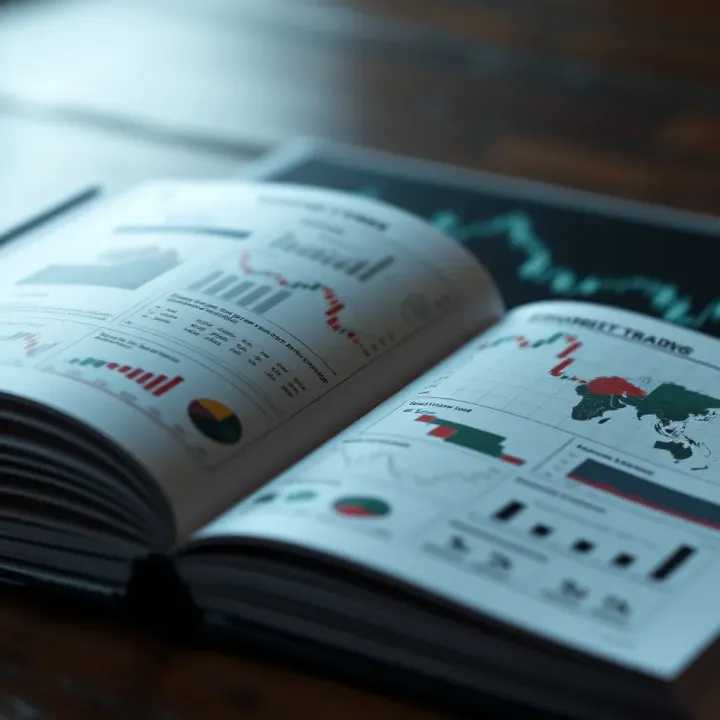
Discover top forex trading books perfect for Kenyan traders 📚. Learn smart strategies, risk management, and market analysis to boost your trading game!
Based on 14 reviews