
Top Forex Trading Books for Kenyan Traders
Discover top forex trading books perfect for Kenyan traders 📚. Learn smart strategies, risk management, and market analysis to boost your trading game!
Edited By
Sophia Clarke
Forex trading has been picking up steam among Kenyan investors over the past few years. But before diving headfirst, it's crucial to get a solid understanding of what forex trading actually involves, especially for traders in Kenya who face unique market conditions and regulatory frameworks.
In simple terms, forex—or foreign exchange—is the buying and selling of currencies. It’s the biggest financial market on the planet, operating 24/5, with trillions of dollars changing hands daily. For Kenyan traders, this can open opportunities to profit from currency value changes, whether it’s the shilling against the U.S. dollar, euro, or other major currencies.
This guide aims to break down the basics, explain how the forex market operates, and walk you through the strategies and risk considerations real traders in Kenya need to know. Whether you're a first-timer or looking to sharpen your skills, we’ll cover actionable steps to trade responsibly and improve your chances of success.
Remember, forex trading isn’t a get-rich-quick scheme. It requires patience, discipline, and a clear plan tailored to your personal and financial situation.
Throughout the article, we'll touch on market fundamentals, factors influencing currency prices, the importance of a trading plan, and practical examples relevant to the Kenyan context. By the end, you should feel more prepared to navigate the forex waters with confidence and caution.
Forex trading is a topic that raises plenty of interest among traders and investors in Kenya, and for a good reason. It offers access to the world’s most liquid financial market, where daily volumes top $6 trillion. Getting an introduction right is critical before diving in, especially if you aim to trade forex in Kenya’s unique economic and regulatory environment.
Understanding the basics helps you avoid common pitfalls and lays the foundation for smart decision-making. For Kenyan traders, forex trading can be a practical way to take advantage of currency fluctuations, hedge business risks, or diversify investment portfolios. Take the Kenyan shilling’s frequent reactions to global events like commodity price changes or US Federal Reserve decisions—knowing these movements is key for trading success.
This section sets the scene by defining what forex trading really is and introduces the main players in the market. Through this, you’ll grasp who moves the forex needle and why, providing necessary context for the rest of the guide.
Forex trading, short for foreign exchange trading, involves buying one currency while simultaneously selling another. Essentially, it’s the act of exchanging currencies to profit from their relative value changes. Imagine a Kenyan importer buying US dollars to pay for goods—if the shilling weakens after purchase, they might face higher costs. But traders use this movement to their advantage by predicting currency moves.
The purpose of forex trading varies: some trade currencies to profit from short-term price swings, others to hedge against risks in international business, and central banks use it to control currency stability. For everyday Kenyan investors, understanding these shifts opens the door to opportunities beyond traditional assets like stocks or bonds.
Currencies in the forex market are quoted in pairs, such as USD/KES (US dollar vs. Kenyan shilling). The first currency is the base, and the second is the quote currency. When you see USD/KES at 110, it means 1 US dollar equals 110 Kenyan shillings.
Trading currency pairs means you’re betting on whether the base currency will strengthen or weaken against the quote currency. If you expect the shilling to weaken, you might sell KES against USD. This structure is what makes forex different from stock trading—it’s always relative.
Currency pairs are grouped into majors (like EUR/USD), minors, and exotics (such as EUR/ZAR). In Kenya, pairs involving the USD, EUR, and GBP are common due to import-export ties.
Banks and big financial firms dominate forex trading since they handle significant currency flows to facilitate trade, investments, and speculations. Banks like Standard Chartered Kenya or Barclays handle these transactions daily. They act as market makers, providing liquidity and ensuring there's always a counterparty for trades.
Their participation stabilizes the market but can also create volatility when large trades move currency prices.
Retail traders in Kenya are growing thanks to internet access and affordable trading platforms like MetaTrader 4 and 5. These traders usually operate smaller accounts but collectively contribute substantial volume.
Individual investors treat forex like a side hustle or a full-time venture, seeking to profit by analyzing trends or news. However, retail trading comes with high risk, so understanding market mechanics is a must before committing real money.
Governments and central banks, such as the Central Bank of Kenya, intervene in forex markets to stabilize or influence their national currencies. They might buy or sell large quantities of foreign currency to control inflation or support export competitiveness.
Their involvement is critical because it can sharply sway currency values, affecting all market participants.
Being aware of who moves the forex market helps Kenyan traders better anticipate price swings and manage risks effectively.
Understanding how the forex market operates is fundamental for any trader, especially in Kenya where the time difference and economic factors play unique roles. This section breaks down the nuts and bolts of forex trading—when and why currency prices move, and how you can align your trading strategy to these movements. Getting a clear picture of the market hours and the factors that shift currency prices can give you an upper hand, making your trades smarter and better timed.
The forex market never sleeps—it’s open 24 hours a day during weekdays because it runs across different global financial centers. These sessions are generally split into three main parts: Tokyo (Asian session), London (European session), and New York (American session). Each has its own rhythm and volatility.
Why does this matter? Imagine trading Kenyan shillings against the US dollar. Most activity kicks off when the New York and London sessions overlap, roughly from around 3 PM to 7 PM Nairobi time. This overlap tends to be the liveliest, offering better spreads and more chances to spot price movements.
Workers in Nairobi, for example, might find the early morning (when Tokyo is active) is calmer and less favorable for quick trades. It’s smart to plan your trading sessions based on these cycles to avoid dead zones where the market barely moves.
Kenya operates on East Africa Time (EAT), which is UTC+3. This makes it important to know when the major forex hubs open and close in local time so you don't miss out or get caught off guard. For instance, London’s market opens at 10 AM EAT and closes at 7 PM EAT, while New York opens at 3 PM EAT and closes at midnight.
Timing your trades around these hours means you can catch the market when it’s most active and liquid, reducing costs and improving the chance of favorable price moves. It’s common for beginners to jump in at random hours, but this often leads to poor results due to low liquidity or unpredictable market behavior.
Knowing the clock is half the battle in forex. In fact, a trader once told me, "Trading without understanding market hours is like fishing without knowing where the fish swim."
Economic reports like GDP growth, unemployment rates, and inflation stats are like weather forecasts for the forex market. When Kenya’s inflation rate spikes unexpectedly, for example, the Kenyan shilling may weaken as investors worry about rising prices. Conversely, strong GDP growth signals a healthy economy, likely boosting currency value.
Forex traders watch for these releases, timing entries and exits based on whether numbers beat or miss expectations. A surprising unemployment drop in the US can strengthen the dollar, shaking up currency pairs like USD/KES quickly.
Political news can move currencies just as violently as economic data. Think about Kenya’s elections or a sudden policy change from the Central Bank of Kenya. Uncertainty makes investors nervous, often leading to the shilling dropping as they look for safer assets.
On the flip side, political stability or positive reforms usually bolster confidence and attract foreign investment, supporting the currency’s strength. For example, when Kenya launches a new infrastructure project backed by international loans, it might lift the shilling over time as the economy grows.
Sometimes price changes don’t reflect solid facts but rather what traders feel might happen. Market sentiment is that gut feeling or general mood among traders about a currency’s future.
Take a rumor about an interest rate hike in the US: even before official announcements, forex prices might adjust because traders speculate on the impact. People’s perceptions, emotions, and reactions—often amplified by online forums and news—can drive quick currency moves.
For Kenyan traders, it's key to check not only fundamentals but also the market buzz. Following reliable sources and ignoring hype can help keep trades sensible rather than emotional gambles.
By grasping these aspects—market hours and factors affecting prices—Kenyan traders can improve timing, minimize rash decisions, and better interpret market signals. Forex trading isn’t about luck; it’s about knowing when the tide is in your favor and sailing smoothly with it.
Starting forex trading in Kenya opens up new opportunities for individuals seeking to grow their financial resources. It's important to understand that the forex market here is accessible but comes with specific rules and practical concerns unique to the local environment. For Kenyan traders, knowing where to begin — from choosing a reliable broker to setting up an account — directly affects the chance of success and helps avoid common pitfalls like fraud or poor trading conditions.
The benefit of a well-informed start can't be overstated. Traders gain confidence when they pick a licensed broker, use the right tools, and handle their accounts properly, which all combine to build a stronger foundation for trading.
In Kenya, the Capital Markets Authority (CMA) oversees financial markets, including forex brokers. Trading with a CMA-licensed broker reduces the risk of scams, as such brokers must meet strict standards for transparency and client fund security. For instance, with firms like EGM Securities or euxher Forex Services, which are CMA-registered, traders know they operate under Kenyan law.
Before signing up with a broker, verify their CMA status. This step prevents falling victim to unregulated operators promising unrealistic returns. Many reputable brokers also adhere to international regulations, like those by the FCA (UK) or ASIC (Australia), offering an extra layer of trust.
Choosing the right trading platform is not something to take lightly. Platforms like MetaTrader 4 (MT4) and MetaTrader 5 (MT5) are popular in Kenya because they're user-friendly and packed with features like real-time charts, technical indicators, and automated trading capabilities. Brokers often provide additional tools, such as economic calendars or sentiment analysis, which can help Kenyan traders make smarter decisions.
When exploring platform options, consider your comfort with technology and the types of trades you wish to make. For example, local traders who rely on smartphones will benefit from brokers offering robust mobile apps, ensuring they can monitor trades on the go without losing touch with the market.
Understanding the cost structure is key before committing to any broker. Forex brokers typically make money through spreads (the difference between buying and selling prices) or commissions. For Kenyan traders, low spreads can mean more profit if trades are frequent.
Some brokers offer fixed spreads, which remain stable even during volatile sessions, while others offer variable spreads that widen with market uncertainty. For example, a EUR/USD spread might be as low as 1 pip with a broker like HotForex but could increase during economic news. Know these details ahead to avoid surprises that erode profits.
Always check for any hidden charges like withdrawal fees or inactivity penalties. A clear breakdown of costs beforehand helps keep your trading expenses predictable.
Forex brokers usually offer several account types suited to different trader needs. Kenyan beginners might opt for micro or mini accounts that allow trading with smaller amounts, limiting financial exposure while learning the ropes.
Additionally, some accounts come with features like negative balance protection, which stops losses from exceeding your deposited amount—an essential safety net in volatile markets. For instance, with FXPesa, traders can choose an account with flexible leverage settings, tailoring risk levels.
Knowing what your account offers, like demo accounts or educational resources, can greatly impact your early trading experience.
Opening an account requires identity verification to comply with anti-money laundering (AML) rules. Typically, this means submitting a government-issued ID like a Kenyan National ID or passport, proof of address (utility bill or bank statement), and sometimes a selfie for facial verification.
This process, although sometimes viewed as a hassle, protects both trader and broker. It ensures the platform remains secure and reduces fraud risk. Most brokers process verification within a few days; however, submitting clear, valid documents speeds this up.
Funding your trading account is straightforward with many convenient methods available in Kenya. Common options include bank transfers, mobile money services like M-Pesa, and debit or credit cards. M-Pesa integration is a big plus since it offers quick, secure deposits and withdrawals without traditional banking delays.
For example, a trader could instantly top up their FXTM account using M-Pesa, making it easy to respond to market opportunities.
Always confirm deposit minimums and withdrawal policies. Some brokers may have minimum initial deposits as low as $10, opening the door for almost anyone to get started.
Starting forex trading in Kenya is more accessible than ever, but a careful approach to broker choice and account setup will help you avoid costly missteps and lay the groundwork for steady trading growth.
Understanding the key strategies behind forex trading is what separates casual traders from those who consistently make informed decisions and reduce losses. In Kenya’s fast-paced market, with a mix of local and international influences, having a solid grasp of trading methods can really tilt the odds in your favor. These strategies give you a framework—not just guesswork; they help you read the market signals and decide when to step in or pull out.
Technical analysis revolves around studying price charts and using indicators to predict future market behavior based on past patterns. It’s pretty much looking for a repeating story in the numbers. Instead of focusing on why a currency pair moves, technical traders look at how it moves.
Charts are your map to price movements. Candlestick charts, for example, show the open, close, high and low prices within a set time, helping you spot trends and reversals visually. Traders in Kenya often use simple indicators such as Moving Averages to smooth out price fluctuations or Relative Strength Index (RSI) to judge if a currency is overbought or oversold.
For instance, if the USD/KES pair shows RSI above 70, it might be signaling a pullback is near, giving you a chance to time your sell. These tools don’t guarantee success but give you a clearer lens to frame the chaos.
Besides RSI and Moving Averages, other go-to tools include Bollinger Bands, which outline price volatility, and Fibonacci retracement levels that help identify support and resistance points. Kenyan traders often bookmark these because they work well regardless of currency pairs.
By combining tools—like pairing RSI with Bollinger Bands—you can get double confirmation, reducing guesswork. The trick is not to drown in numbers but to use just a few that match your style and objectives.
While technical analysis looks at numbers, fundamental analysis digs into the "why" behind currency movements. It’s about understanding the economic and political forces shaping supply and demand for various currencies.
Kenyan traders frequently track indicators like GDP growth, inflation rates, and unemployment figures from countries whose currencies they trade. For example, if the US releases a strong jobs report, you might see the USD strengthen against the KES. Being able to interpret these reports quickly helps you anticipate shifts and act before the crowd.
Timeliness is everything here—economic calendars from sources like Bloomberg or Reuters are popular to set up alerts for important releases.
Political stability and international relations can drastically affect currencies. Kenya’s own elections or crises in trading partner countries can make the shilling jump or drop unexpectedly. Globally, trade disputes or sanctions can send ripple effects across currency pairs.
Keeping an eye on trusted news sources and understanding the regional context gives you a leg up. A recent example: during recent East African regional tensions, the Kenyan shilling's value displayed volatility, reminding traders to watch news as much as charts.
Neither technical nor fundamental analysis alone can paint the full market picture. Smart traders find a middle ground—using technical tools to time entries and exits, while fundamental insight guides the bigger bet.
Imagine you’ve ’read’ a solid uptrend on the charts for EUR/USD but upcoming European Central Bank announcements hint at policy shifts. Combining these signals allows you to adjust positions rather than jumping in headlong.
In Kenya’s forex scene, this balance helps filter noise and reduces chasing after every swing. You can think of it as using fundamental analysis as your 'why', with technical analysis showing the 'when'. Using both doesn’t complicate trading; it makes your decisions smarter and your money safer.
Successful forex trading isn't about magic formulas but understanding the market's language, where strategy meets timing. Kenyan traders who master both technical and fundamental analysis stand better chances of navigating the unpredictable forex waters effectively.
In sum, effectively applying these strategies brings clarity and discipline. As you grow more familiar with forex tools and news, you’ll find yourself instinctively knowing when it’s time to act and when to hold back—key skills in the often unpredictable world of currency trading.
When trading forex, managing risks isn’t just a suggestion—it’s the backbone of staying in the game long-term. Many Kenyan traders dive into the market chasing profits but overlook how quickly things can spiral without proper safeguards. Understanding and controlling risk helps protect your capital, avoid devastating losses, and approach trades with a level head. For example, without a solid risk plan, a sudden move in the USD/KES pair could wipe out days or weeks of gains in just a few minutes.
A sensible approach to risk management encompasses knowing your limits, preparing for worst-case scenarios, and using tools like leverage, stop-loss orders, and psychological discipline to keep losses in check. We'll break these down in the sections below to show you how each plays a part in minimizing risks while looking for steady gains.
Leverage is a double-edged sword in forex trading. Simply put, it allows you to control a larger position than the money you actually have. For instance, with 1:100 leverage, a deposit of 1,000 KES lets you control 100,000 KES in the forex market. This means even small price changes can translate into significant profits—or losses.
The practical side of leverage means Kenyan traders can enter the market with relatively low capital, but it also requires a clear grasp on how margin—the money set aside as collateral—functions. Knowing margin calls and maintenance margin levels is vital to avoid sudden trade liquidations.
Leverage boosts purchasing power, but with that comes amplified risk. A single bad trade with high leverage can eat through your funds rapidly. For example, a 1% market move against your position when using 1:100 leverage might cut your investment by 100%.
On the flip side, leverage allows traders in Kenya to amplify gains even in modest market moves. The key benefit is flexibility and access, but understanding the risks encourages responsible trading—like using leverage ratios that fit your risk tolerance rather than maxing it out blindly.
A stop-loss order acts like a safety net. Setting one means your trade will automatically close if the market moves against you by a set amount, preventing further losses. For example, if you bought EUR/USD at 1.2000, a stop-loss at 1.1950 limits your loss to 50 pips.
This kind of order is indispensable for traders who can’t monitor the market 24/7, especially with time zone differences affecting Kenyan trading hours. Think of it as an insurance policy that guards your hard-earned money against unexpected market swings.
Equally important is the take-profit order, which locks in profits when the currency reaches your predetermined gain. Setting these targets reasonably helps avoid greed-driven decisions that might turn a winning trade into a losing one.
Balancing stop-loss and take-profit points balances risk and reward and fits your trading strategy. For example, choosing a 1:2 risk-to-reward ratio means risking 50 pips to make 100 pips, which over many trades can enhance profitability.
Forex trading can feel like riding a rollercoaster of emotions. Fear from potential loss or greed chasing quick profits often lead to hasty decisions. Kenyan traders who master their emotions fare better because they stick to plans even when the market looks unpredictable.
Simple practices like stepping away after a loss, keeping a journal to review trades, and reminding yourself that no one wins every time make a big difference in this mental game.
Common mistakes such as overtrading, revenge trading, or ignoring your risk limits often stem from emotion-driven actions. For instance, doubling down on a losing trade to recover losses usually results in deeper trouble.
Keeping a strict trading plan and following it steadfastly is a practical way to steer clear of these pitfalls. Consistency in execution and learning from mistakes helps traders improve steadily rather than erratically chasing fortunes.
Managing risk in forex is about survival first, then profit. Without discipline and proper risk controls, even the best strategies may fail.
By embracing these risk management strategies, Kenyan traders can build a stable foundation, protecting their investments while navigating the fast-moving forex market.
Getting into forex trading without knowing the common pitfalls can be like walking blindfolded on a busy street. Kenyan traders need to be aware of the usual challenges to dodge losses and frustration. Understanding these can save time, money, and stress, letting you focus on sharpening your strategy and building steady profits. Two big hurdles are scams and reckless trading habits, both can be pretty damaging if you're not careful.
The forex market in Kenya has gotten more popular, which unfortunately draws some crooked brokers. It's key to spot the warning signs early. For example, if a broker promises guaranteed returns or pressures you to invest huge sums quickly, that's a major red flag. Also, watch out for brokers who aren't regulated by the Capital Markets Authority (CMA), since legitimate firms usually follow CMA rules to protect traders. A shady website with no clear contacts, confusing terms, or requests for upfront fees without transparency should raise your suspicion.
If you do encounter a suspicious broker or get scammed, report them immediately to the CMA. This helps protect others from falling into the same trap. You can avoid most scams by sticking to well-known brokers like FXPesa or IG Markets, which have proper licensing. Always double-check broker credentials on the CMA website before depositing money. Use demo accounts first to test platforms and never give out sensitive info hastily. Keep in mind, if an offer sounds too good to be true, it usually is.
One of the biggest mistakes Kenyan traders make is jumping in without a solid plan. Overtrading happens when you make too many trades trying to chase quick wins, which often backfires. A trading plan outlines when to enter and exit trades, how much to risk, and what strategies to follow. For instance, deciding beforehand to only risk 2% of your account per trade keeps losses manageable. Having clear rules prevents you from chasing losses or riding a whim, keeping emotions out of the picture.
Even with a plan, temptation to stray is real, especially after a few losses or big wins. Sticking to your strategy means trusting your analysis and rules, not jumping into “hot” trades because a friend mentioned them or because of FOMO (Fear Of Missing Out). Regularly review your trades to see which setups work and adjust your plan if needed — but avoid knee-jerk reactions. Keeping discipline helps smooth your learning curve and protects your capital for the longer haul.
Staying vigilant about common forex challenges isn’t just smart; it’s essential. With clear eyes on risks like scams and emotional trading traps, Kenyan traders stand a better chance to grow steadily and avoid costly mistakes.
Avoiding scams and controlling your trading habits not only improve your odds but build a confident mindset crucial for surviving the ups and downs of forex markets. Keep it cool, stay sharp, and trade wisely.
Technology plays a big role in modern forex trading, especially for Kenyan traders trying to keep up in a fast-moving market. Without the right tech tools, you might miss important price movements or trading opportunities. Good technology helps you analyze data quickly, execute trades faster, and manage risks better.
By using technology effectively, traders can gain an edge—like spotting trends early or automating routine tasks. But it’s important to pick tools that fit your trading style and budget. Let’s break down some key tech options and how they help improve trading.
When it comes to forex, Kenyan traders often turn to platforms like MetaTrader 4 (MT4) and MetaTrader 5 (MT5), which are favorites worldwide. These platforms are known for simplicity and reliability. Local brokers like FXPesa and EGM Securities offer access to these platforms, making it easier to engage with global markets.
MT4 and MT5 provide real-time charts, multiple order types, and support automated scripts, which many find essential. Plus, some platforms offer Kenyan shilling accounts, reducing currency exchange hassles when funding your trades.
Another platform gaining ground is cTrader, appreciated for its intuitive interface and detailed order book. It suits traders looking for better transparency.
Charts are the trader’s window into market behavior. Besides built-in charting in trading platforms, dedicated apps like TradingView offer powerful features like customizable indicators and social sharing options. Kenyan traders find value here because they can follow market updates and share ideas with global peers.
Mobile apps are a must nowadays. Platforms like MetaTrader and FXPesa’s mobile app let you monitor and execute trades on the go—even from Nairobi’s bustling streets or a rural area with internet access. This flexibility ensures you don’t miss crucial moves even when away from your desk.
Automated trading uses software—bots or expert advisors (EAs)—that execute trades based on preset rules. This can be a huge time-saver if you don’t want to stare at charts all day.
It removes emotions, reducing impulsive decisions.
Bots can work 24/7, taking advantage of round-the-clock market opportunities.
Automated systems can backtest strategies quickly, showing potential performance before live use.
Bots are only as good as their programming; if setup wrong, they can lose money fast.
Market conditions change; bots can struggle adapting to sudden events like political unrest in Kenya or unexpected news.
Over-reliance on automation might deprive traders of learning and developing their own skills.
Before trusting an EA or bot, Kenyan traders should:
Check credibility: Look for reviews from other users, particularly from Kenyan or East African communities, to see real-world experiences.
Test extensively: Use demo accounts provided by brokers to test bots without risking real money.
Understand the logic: Know how the bot makes decisions; blindly trusting it is a recipe for disaster.
Monitor performance: Even with automation, regular oversight helps catch problems early.
Beware of overpromises: Any system promising guaranteed profits is likely a scam.
Using technology wisely isn't about having the flashiest tools but choosing those that actually help you trade smarter and fit your unique context as a Kenyan trader.
Technology can be a strong ally if you use it with care. Know your platforms, keep learning, and don’t forget to balance automation with human judgment.
Navigating the legal and tax landscape is a key part of forex trading for Kenyan investors. Without a clear understanding of these aspects, traders risk facing penalties or even losing their investments through unregulated brokers. This section explains the practical side of regulations and taxes in Kenya, helping you trade within the law while maximising your returns.
The Capital Markets Authority (CMA) is Kenya’s watchdog for the forex market, ensuring fairness and transparency. It licenses and monitors forex brokers operating locally to protect traders from scams. For example, CMA-licensed brokers must meet capital requirements and adhere to strict reporting standards. This safeguards your money and makes sure you’re dealing with reputable companies.
Failing to work with CMA-regulated brokers can expose traders to shady platforms, often promising unrealistic profits. The CMA also handles complaints and enforces actions against offenders. For traders, knowing about CMA’s role means safer trading and increased trust in your broker.
To legally operate, forex brokers in Kenya must obtain CMA approval. This includes maintaining adequate capital reserves and submitting regular financial reports. Brokers must also provide clear terms, such as spreads, fees, and risk disclosures, so traders make informed decisions.
On the trader side, opening an account with a CMA-regulated broker usually requires identity verification and compliance with anti-money laundering measures. For instance, you’ll need your national ID and proof of residence. These steps may seem like a hassle but protect against fraud and ensure the market isn’t abused.
Any profits you make from forex trading in Kenya are subject to income tax. This means you must report your earnings to the Kenya Revenue Authority (KRA) when filing returns. Doing so isn’t just legal compliance—it helps you avoid penalties or audits later.
For example, if you made a profit of KES 200,000 from trading, that amount forms part of your taxable income and should be declared. Even if you are trading part-time, or from a hobbyist stance, income from forex trading counts as taxable.
Most forex traders in Kenya are taxed under the individual income tax regime, where forex profits add to your total income and are taxed at progressive rates. Businesses trading forex as their main activity may face corporate tax rules.
It’s practical to keep a detailed record of your trades, including dates, amounts, and outcomes. This paperwork eases the process during tax filing and if questions arise. Remember, losses can sometimes be offset against profits, but this is subject to specific tax rules, so consulting a tax expert is wise.
Staying on top of legal and tax matters protects your trading journey and keeps you clear of surprises. Getting these basics right is as important as any strategy or platform you use.
By wrapping your head around the CMA’s role, broker requirements, and tax duties, you ensure your forex trading in Kenya is both profitable and compliant—setting a solid foundation for future success.
Continuous education is the backbone of successful forex trading, especially for Kenyan traders navigating a market that’s fast-moving and influenced by global events. Staying current helps traders sharpen their skills, avoid costly mistakes, and adapt to changing market conditions. It’s not just about collecting information, but applying it wisely to your trading practice to make informed decisions.
Books remain one of the most solid ways to build a strong foundation in forex trading. Titles like "Currency Trading for Dummies" by Brian Dolan and "Forex Trading: The Basics Explained in Simple Terms" by Jim Brown offer clear, no-nonsense insights into the mechanics and mindset needed for this market. For Kenyan traders, these books provide accessible knowledge without overwhelming jargon, making them practical companions to the forex journey.
Moreover, a good book often goes beyond theory to include case studies or real-life examples, which help readers understand how strategies work in practice. For instance, Dolan’s book breaks down currency pairs, leverage, and risk management using straightforward illustrations rather than abstract concepts.
Online courses allow traders to learn at their own pace while often including interactive elements like quizzes, assignments, and live trading sessions. Reputable platforms like Investopedia Academy and Online Trading Academy have courses specifically tailored for forex basics along with advanced strategies.
For Kenyan traders, platforms offering localized insights or support can be especially beneficial. Some providers also offer community support and mentorship, which makes the learning experience more engaging and less isolated. When choosing a course, it’s wise to check for genuine student reviews and ensure the instructor has verifiable trading experience.
Joining trading communities helps break the isolation that can come with forex trading. In Kenya, groups on social media platforms like Facebook or WhatsApp offer real-time discussions, sharing of trading ideas, and alerts on market moves. International forums like Forex Factory or BabyPips extend this benefit globally, allowing traders to see different styles and hear diverse perspectives.
Being part of these groups exposes traders to mistakes others have made and lessons learned without having to experience them firsthand. This can save time and money. However, one must be cautious to differentiate genuine advice from mere noise or hype.
Networking isn’t just about making connections but about finding mentors, potential trading partners, or even brokerage contacts who can provide insights and opportunities. Attending forex seminars or webinars—whether local or international—can open doors to experiences not available online, such as hands-on workshops or direct question and answer sessions.
For example, Nairobi occasionally hosts investment expos and forex-focused events where traders can engage directly with brokers, educators, and seasoned traders. These occasions also help build confidence and expose traders to the newest tools and market trends.
Continuous learning in forex trading is less of a luxury and more of a necessity. Whether it's through books, courses, or communities, keeping one’s knowledge alive and sharp is what separates a consistent trader from a struggler.
Building a sustainable trading practice matters because forex trading isn’t just about quick wins; it’s about staying in the game for the long haul. This approach helps Kenyan traders protect their capital, avoid burnout, and grow steadily over time. Sustainability means putting plans in place that cater to real-life challenges — like balancing trading with other commitments and managing your emotions when things don’t go as expected.
In practice, sustainable trading involves consistency, discipline, and adaptability. For example, a trader in Nairobi who sets strict daily loss limits and revisits their plan every month is more likely to avoid reckless decisions driven by emotions. These habits create a solid foundation, turning trading from a gambling session into a thoughtful business.
When setting goals, it's important to split them into short-term and long-term expectations. Short-term goals help keep you focused day to day—for instance, aiming to improve your chart reading skills or sticking to your stop-loss rules. Long-term goals, like doubling your capital in a year or becoming a full-time trader, give you a bigger picture to work towards.
Realistic goals prevent frustration and impulsive decisions. Don't expect to make a fortune overnight. Instead, think about steady monthly gains that compound over time. For example, earning 3-5% on your trading account monthly is a modest but achievable target for most beginners.
Measuring progress means tracking not just profits but also your trading process. Keep a journal of trades, noting entry and exit points, reasons for the trade, and your emotional state. Over time, patterns will emerge showing where you’re improving or slipping up. This reality check helps you adjust your strategies without relying solely on gut feelings.
Keeping a trading journal is like having a roadmap. It shows what’s working and pinpoints mistakes before they become costly habits.
Managing risk exposure is key when forex is not your only income. No matter how confident you feel, always treat trading money as something you can afford to lose. For many Kenyans, that means only using a portion of savings or disposable income for trading. Avoid putting all your eggs in one basket.
Diversifying income helps keep your financial life stable and reduces pressure during losing streaks. Besides forex, you might consider rental income, part-time consulting, or small businesses. The extra cushion lets you avoid desperate trading moves just to cover basic expenses. For example, a Kenyan trader balancing a day job and a small online store can allocate smaller funds to trading while maintaining steady income streams.
In summary, sustainable trading isn’t about chasing quick gains but carving out a steady path. It starts with realistic goals, tracking your progress honestly, and ensuring your livelihood doesn’t depend solely on unpredictable markets. This way, you protect yourself and make forex trading a practical, manageable part of your financial life.
Wrapping up a forex trading guide isn't just about summarising facts; it's about helping you take meaningful action with what you've learned. This final part is all about making sure you don't just walk away with information, but with a clear path forward. Why does this matter? Because forex trading is no stroll in the park—it demands real discipline, understanding, and smart decisions, especially when you're trading from Kenya's unique financial context.
By revisiting key points and outlining practical next steps, this section underscores the need to balance optimism with skepticism, growth with caution. For instance, knowing when to limit losses or how to spot trustworthy brokers can be the difference between growing your savings or losing them. In short, the conclusion and next steps provide a roadmap that helps you trade responsibly and set realistic expectations.
Getting the fundamentals down is the cornerstone of any trading journey. Forex isn’t a slot machine; it’s a market driven by real economic forces like interest rates, GDP data, and political stability. Knowing how currency pairs work—like the USD/KES—and what factors sway their values lets you make trades based on facts, not hunches.
For example, understanding that the Kenyan shilling tends to weaken when there's political unrest helps you decide when to hold back or push forward. This grounding prevents beginners from jumping in blind and getting burned by volatile swings. Staying familiar with terms such as "spread," "pips," and "leverage" equips you to navigate trading platforms confidently.
Even seasoned traders hit rough patches, but smart risk management ensures those rough patches don’t turn into devastating losses. Managing risk means knowing how much capital to put at stake on any single trade and setting stop-loss orders to protect your money.
Let’s say you decide to trade EUR/USD with a leverage of 1:50; you need to understand that while possible profits are higher, so are potential losses. Diverse strategies like mimicking successful trades in demo mode or setting take-profit levels prevent the common pitfall of chasing quick profits at all costs. Without proper risk controls, emotions can cloud judgment, leading to impulsive decisions that wipe out your account faster than you think.
Think of demo accounts as your practice field—no real money at risk but real market conditions. For Kenyan traders new to forex, demo accounts from brokers like Exness or IG Markets offer invaluable hands-on experience without the fear of losing cash.
This practice helps you test strategies, learn about order types, and get comfortable with the trading software's layout. It's like learning to drive in an empty parking lot before hitting the freeway. By the time you switch to a live account, you’ll have built the muscle memory to act quickly and wisely under pressure.
Forex markets evolve, with new trends, tools, and geopolitical factors constantly influencing prices. Stopping your learning once you start trading is like trying to navigate Nairobi’s busy streets with an outdated map.
Keeping up with reliable forex news outlets, enrolling in courses from providers like Babypips or Coursera, and joining communities such as the Kenya Forex Traders Forum will sharpen your skills. Importantly, continual learning helps you adapt your strategy based on fresh insights and avoid common traps experienced traders share.
Forex trading isn’t a get-rich-quick scheme; it’s a skill honed over time. Getting started safely with practice accounts and ongoing education lays a strong foundation for smarter trading decisions.
By focusing on these final steps, you are better equipped to face the forex markets with eyes wide open, turning knowledge into practical action that suits your Kenyan context and personal goals.
Discover top forex trading books perfect for Kenyan traders 📚. Learn smart strategies, risk management, and market analysis to boost your trading game!
Explore binary forex trading in Kenya 🇰🇪. Learn key strategies, risk management, and how to pick trusted brokers for smarter trading decisions.
Explore forex binary trading in Kenya 📈 Understand key differences, risks, strategies, and legal tips for safe and smart trading in your market.
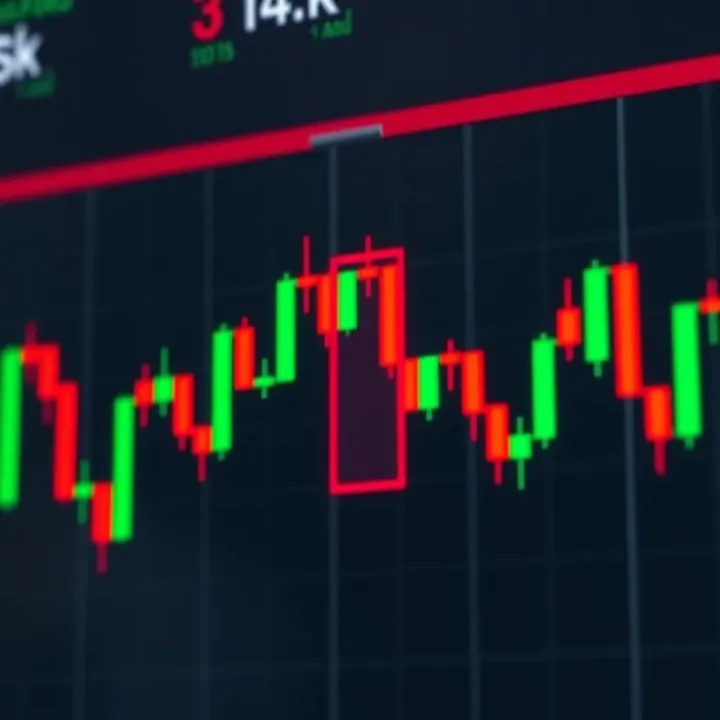
📉 Discover essential candlestick patterns every Kenyan trader should know. Learn to read market signals and improve your trading decisions with clear examples.
Based on 6 reviews