

How Forex Trading Works for Kenyan Traders
📈 Understand how forex trading works with practical steps, Kenyan-specific rules, key currency pairs, top platforms, and safe payment options like M-Pesa. Start trading smart!
Edited By
Megan Willis
Forex trading means buying and selling foreign currencies to make a profit. Unlike the stock market, forex operates 24 hours a day, five days a week, making it very active. For Kenyan traders, understanding the forex market can open new opportunities to grow wealth, but it requires proper knowledge and tools.
This guide offers a practical introduction to forex trading through a downloadable PDF tutorial, designed specifically with Kenyan traders in mind. It breaks down the basics clearly and provides tips to manage risks effectively. You'll find step-by-step guidance on setting up accounts, using trading platforms, and interpreting forex charts.
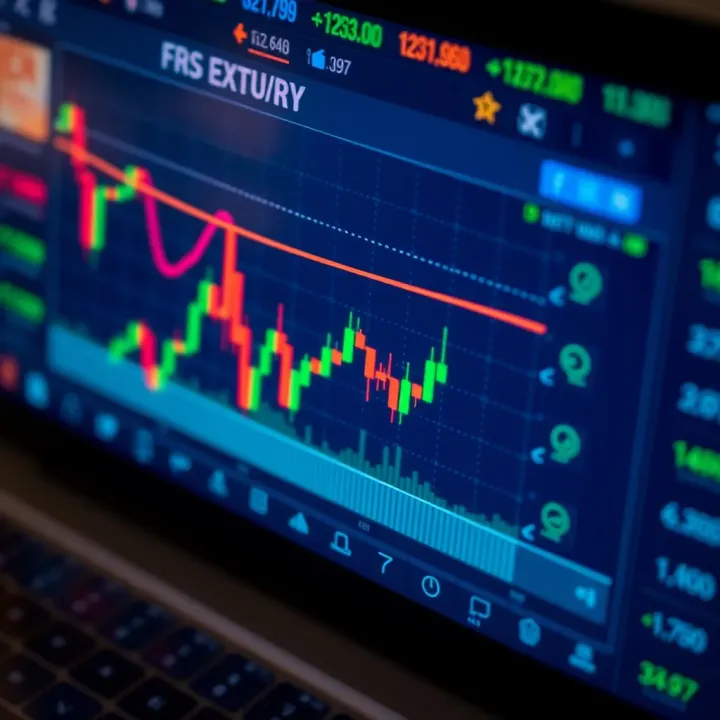
PDF tutorials are handy because you can download and refer to them anytime without needing internet. They often include visuals like charts and annotated screenshots, which help you understand complex ideas quicker. For busy hustlers juggling multiple jobs, this flexibility is a big advantage.
Forex Basics: Learn common terms such as pips, lots, leverage, and spreads to build a strong foundation.
Trading Platforms: Understand how to navigate popular platforms like MetaTrader 4 and MetaTrader 5 which are widely used in Kenya.
Analysing Markets: Discover the difference between technical and fundamental analysis with local market examples.
Risk Management: Master practical tips on protecting your capital, such as stop-loss orders and appropriate position sizing.
Remember, forex trading is not a get-rich-quick scheme. Consistency and discipline keep you afloat when markets move unexpectedly.
Kenyan traders should also be aware of regulatory aspects. The Capital Markets Authority (CMA) monitors forex brokers in Kenya to ensure fair practices. Always use licensed brokers to avoid scams common in unregulated markets.
This overview will set you on the right track, helping you navigate the forex world confidently. The PDF tutorial that accompanies this article will deepen your understanding with practical exercises and real-world examples adapted to the Kenyan context.
Grasping the fundamentals of forex trading sets a solid base for anyone looking to navigate the fast-moving currency markets confidently. This section breaks down key concepts, so traders, analysts, and investors understand how the market operates and what practical steps to take when starting out. Being clear on these basics helps avoid costly mistakes and supports more informed decision-making.
Forex trading is the act of buying one currency while simultaneously selling another, with the aim of making a profit from fluctuations in exchange rates. In Kenya, traders might focus on the Kenyan shilling (KES) against currencies like the US dollar (USD) or Euro (EUR), hoping to capitalise on value changes caused by economic events or market sentiment.
Currencies in forex are quoted in pairs, such as USD/KES. The first currency (USD) is the base, and the second (KES) is the quote currency. The price tells you how much of the quote currency is needed to buy one unit of the base currency. For example, if USD/KES is 110, it means one US dollar costs 110 Kenyan shillings. Traders make profits by correctly predicting whether the base currency will strengthen or weaken against the quote.
Major pairs typically involve the most traded currencies globally, such as USD, EUR, JPY, and GBP. These pairs usually have higher liquidity and tighter spreads, making them less costly to trade. Minor pairs exclude the US dollar but still include strong currencies like EUR/GBP or EUR/AUD. For Kenyan traders, focusing on majors like USD/KES often makes sense due to liquidity and available market information.
Forex largely operates over-the-counter (OTC), meaning trading happens directly between parties via electronic networks, without a central exchange. This allows for a 24-hour market where banks, brokers, institutions, and retail traders interact. In Kenya, this structure opens access to global currency markets anytime, though it also demands careful choice of reliable brokers.
The forex market is divided into global sessions: Asian (Tokyo), European (London), and North American (New York). Each session overlaps briefly, resulting in different activity levels and volatility times. Kenyan traders can target the London session, which overlaps with Kenyan business hours, providing ample market activity and liquidity.
Large banks act as primary liquidity providers, executing massive currency trades for clients and themselves. Brokers serve as intermediaries, giving individual traders access to the market through platforms. Retail traders, including Kenyan investors, participate via brokers using leverage to increase exposure. Understanding each role helps traders pick trustworthy brokers and align their trading strategies accordingly.
Knowing the structure and mechanics behind forex trading helps Kenyan traders approach the market with clear expectations and better preparation, increasing chances of success in this dynamic environment.
Major pairs offer safer trading with low spreads
OTC market means 24/7 access but requires vigilance on broker reliability
Key market sessions align with Nairobi’s time for optimal trading windows
Understanding these basics ensures you don’t start trading blind and prepares you for deeper strategies and risk handling covered in later sections.

Forex trading tutorials in PDF format come with key features that make learning easy and effective, especially for Kenyan traders aiming to grasp the forex market quickly. These PDFs offer clear explanations, practical steps, and handy tools, all arranged in a way that respects your time and fits into a busy schedule.
Accessibility and portability
One strong point of PDFs is that you can access them almost anywhere. Whether you are travelling in a matatu or sitting in a quiet corner at home, the tutorial is available on your mobile phone, tablet, or laptop. Unlike some online videos or web pages, a PDF doesn't demand an active internet connection once downloaded. This means you can study forex concepts even when the network is patchy, such as in more remote parts of Kenya.
Structured content layout
PDF tutorials usually have a neat structure that guides you step-by-step from simple to more advanced topics. You will find chapters clearly divided with headings, subheadings, and bullet points making key ideas easy to spot. For instance, you might see one section focusing solely on chart reading, which is separate from a part explaining trading psychology. This clear layout helps you plan your studies and review complex parts quickly.
Offline study benefits
Often, learning forex requires revisiting concepts many times before they sink in. PDFs allow you to study offline without worrying about data costs or unreliable networks. You can highlight important sections, make personal notes, and bookmark pages to return later. For Kenyan traders who might juggle study with work or family, this flexibility is valuable. It means you control your learning pace without being tied to a daily internet connection.
Introduction to forex concepts
Most tutorials begin with the basics: what forex trading is, how currency pairs work, and the significance of major and minor pairs. For example, you'll learn why the USD/KES (US dollar to Kenyan shilling) pair behaves differently from EUR/USD. This foundation sets you up to understand other sections without confusion.
Trading strategies and analysis
A good tutorial moves beyond theory to practical strategies you can try. This includes technical analysis techniques like recognising support and resistance levels, or fundamental analysis involving economic indicators relevant to Kenya, such as CBK interest rate decisions. You can see how these strategies help decide when to open or close trades.
Risk management guidelines
Forex comes with risk, and tutorials often dedicate sections to managing it well. You’ll read about stop-loss orders, which limit how much you can lose on a trade, as well as the importance of position sizing. For instance, instead of risking KSh 20,000 on one trade, you might be advised to risk only 1-2% of your capital. This teaching protects your investment and encourages disciplined trading habits.
Choosing the right tutorial PDF is about matching your learning style and ensuring the guide offers clear, localised information relevant to Kenyan traders. This way, you build confidence and practical skills steadily.
Having the right tools and resources is fundamental for successful forex trading, especially for Kenyan traders navigating a fast-moving and volatile market. These essentials help you make informed decisions, execute trades efficiently, and manage risks properly. Without reliable tools and thorough understanding of available resources, even the best strategies can falter.
Choosing a broker licensed by the Capital Markets Authority (CMA) of Kenya is vital to protect your investments. The CMA regulates and supervises forex brokers to ensure they operate within legal and ethical standards. A registered broker provides transparency in their operations, including clear terms for spreads, fees, and customer fund protection. Kenyan traders benefit from local oversight, which makes it easier to seek recourse if any dispute arises.
The trading platform is where you interact with the market, so pick one that is user-friendly, stable, and suits your trading style. Popular platforms like MetaTrader 4 or 5 offer advanced charting tools and various order types. However, some brokers provide proprietary platforms tailored to mobile or desktop use with simpler interfaces. Clear layout, fast execution, and reliable order entry reduce mistakes and delays, which can cost you especially during volatile market movements.
Accessibility of deposit and withdrawal methods influences your cash flow and convenience. Most Kenyan brokers accept popular ways like M-Pesa, bank transfers, and credit/debit cards. Quick and affordable transfers mean you won’t be stuck waiting days to access your trading funds or profits. Also, be sure to check any fees and minimum amounts for deposits or withdrawals to avoid surprises.
Accurate charts and indicators guide your trading decisions. Good platforms offer multiple timeframes, drawing tools, and indicators such as moving averages or RSI. Using these tools helps you identify trends and potential entry or exit points. For example, spotting a channel pattern on the 1-hour chart may signal a good buy opportunity, which you wouldn't catch just by watching price quotes.
Every new trader should start with a demo account, which allows practising with virtual money in real market conditions. Kenyan brokers commonly provide these accounts for free, giving you a risk-free environment to test strategies, get familiar with the platform, and build confidence before risking actual funds.
With busy schedules and frequent matatu commutes, mobile trading is especially relevant. Choose brokers whose apps are light, responsive, and secure on common Kenyan smartphones. Mobile apps letting you place orders, set stop-losses, and view live charts on the go ensure you don’t miss critical market moves.
An economic calendar lists important events like interest rate decisions, inflation reports, or employment numbers. These events often cause sharp price swings. For instance, Kenya’s central bank rate announcements can affect the Kenyan shilling paired currencies. Having this calendar helps you prepare and avoid unexpected surprises.
Keeping up to date with financial news from trusted sources improves your market awareness. Real-time news feeds alert traders to political changes, economic policies, or global developments impacting currencies. For example, a sudden policy shift in the US or China may influence USD or CNY pairs.
The KSh is affected by local factors like trade balances, foreign remittances, and government debt levels. Tracking related reports through Kenya’s Central Bank or national statistics helps anticipate currency strength or weakness. For example, during heavy import seasons, KSh may weaken due to higher demand for foreign currencies.
Using these tools and resources wisely builds a strong foundation for your forex trading journey. Focus on regulated brokers, dependable platforms, and timely market data to trade with confidence and control.
Using a forex trading tutorial PDF is more than just reading through the content—it’s about applying the lessons in a way that builds strong, practical skills. This section highlights key methods to make the most of these materials, ensuring you develop both a theoretical foundation and real-world trading experience.
Tracking progress and milestones helps you stay on course and measure your understanding as you move through the tutorial. For example, after completing chapters on currency pairs and technical analysis, test yourself with questions or practice trades to confirm you have grasped those concepts. This approach makes learning less overwhelming and keeps you motivated.
Balancing theory and practice is crucial. Reading about trading strategies is one thing, but seeing how they work in simulated or real conditions cements that knowledge. Allocate time for both study and hands-on experience, such as reviewing chart patterns one day and then entering trades on a demo account the next. This habit builds confidence and sharpens skills incrementally.
Starting with demo accounts allows you to practise without risking real money. Kenyan brokers such as those regulated by the Capital Markets Authority (CMA) often provide demo platforms where you can test entry and exit points. This step is vital before going live because it lets you familiarise yourself with market movements and trading tools.
Practising risk management guards your capital from large losses. Use features like stop-loss orders to limit risks and determine position sizes based on how much you can safely afford to lose. For example, if you decide never to risk more than 2% of your trading capital on one deal, you create a safety net against wild market swings. This discipline helps avoid emotional decisions that commonly lead to heavy losses.
Adjusting strategies over time reflects how dynamic the forex market is. What works during quiet market periods might fail when volatility spikes, such as during Kenyan election seasons or major economic announcements. Regularly review and tweak your approaches based on experience and changing market conditions. This continuous improvement mind-set keeps your trading relevant and reduces costly mistakes.
Consistent improvement comes from smart learning strategies and disciplined application. Use your forex tutorial PDFs not just as reading material, but as a toolbox for building sustainable trading habits.
By combining clear goals, hands-on practice, and sensible risk control, you harness the true value of your trading tutorials and prepare yourself for the complexities of live forex trading.
Managing risks is the backbone of successful forex trading. Without proper risk control, traders expose themselves to losses that can quickly wipe out investments. Avoiding common pitfalls protects your capital and helps build confidence, especially as a Kenyan trader navigating both global markets and local economic factors. This section focuses on practical steps to handle market volatility, apply good risk management, and steer clear of scams.
Price swings in the forex market can be sharp and sudden, affecting the outcome of your trades significantly. For instance, if the US dollar suddenly strengthens against the Kenyan shilling during political uncertainty, trades placed before the change might suffer losses. Recognising how these fluctuations impact your positions helps in planning entry and exit points.
Specific events influence the Kenyan shilling’s movement, including inflation reports, Central Bank of Kenya (CBK) policy decisions, and regional trade developments within the East African Community (EAC). For example, a hike in CBK’s benchmark rate can boost the shilling, affecting currency pairs like USD/KES. Being aware of such events allows you to anticipate volatility and adjust your trading accordingly.
Stop-loss orders are vital tools that automatically close your trade when the price hits a preset level, limiting possible losses. Imagine you buy EUR/USD at 1.1000 and set a stop-loss at 1.0950; if the price drops to that point, your position closes, preventing further loss. This discipline protects you from market swings you’re not ready for.
Position sizing involves deciding how much capital to risk on each trade relative to your total account balance. For instance, allocating only 1-2% of your account per trade means that even a losing streak won’t drain your funds quickly. This approach supports steady growth without exposing you to reckless risks.
Emotional decisions, like chasing losses or overtrading after a win, often lead to poor outcomes. Staying calm and sticking to your trading plan helps avoid impulsive moves based on fear or greed. Taking breaks after losses and reviewing your strategy regularly can curb emotional biases.
Forex scams prey on hopeful traders with promises of guaranteed returns or secret strategies. Common signs include pressure to deposit large sums quickly, unrealistic profit claims, and unverified testimonials. Always question offers that seem too good to be true.
Dealing only with brokers regulated by Kenya’s Capital Markets Authority (CMA) and similar reputable agencies is crucial. Unregulated brokers might deny withdrawals, manipulate prices, or disappear after collecting money. Check for registration and read reviews before committing funds.
Remember, protecting your capital is as important as making profits. Careful risk management and vigilance against scams give you a better shot at consistent trading success.
By understanding market behaviour and applying disciplined risk controls, Kenyan forex traders can trade smarter and with greater peace of mind.
📈 Understand how forex trading works with practical steps, Kenyan-specific rules, key currency pairs, top platforms, and safe payment options like M-Pesa. Start trading smart!

📈 Discover how forex trading PDFs help Kenyan traders learn key strategies, manage risks, and navigate local market quirks easily with practical guides you can download.
Discover top forex trading books perfect for Kenyan traders 📚. Learn smart strategies, risk management, and market analysis to boost your trading game!

Explore forex trading in Kenya 🇰🇪 with practical tips on market basics, strategies, risk management, and starting right to trade wisely and confidently.
Based on 9 reviews