
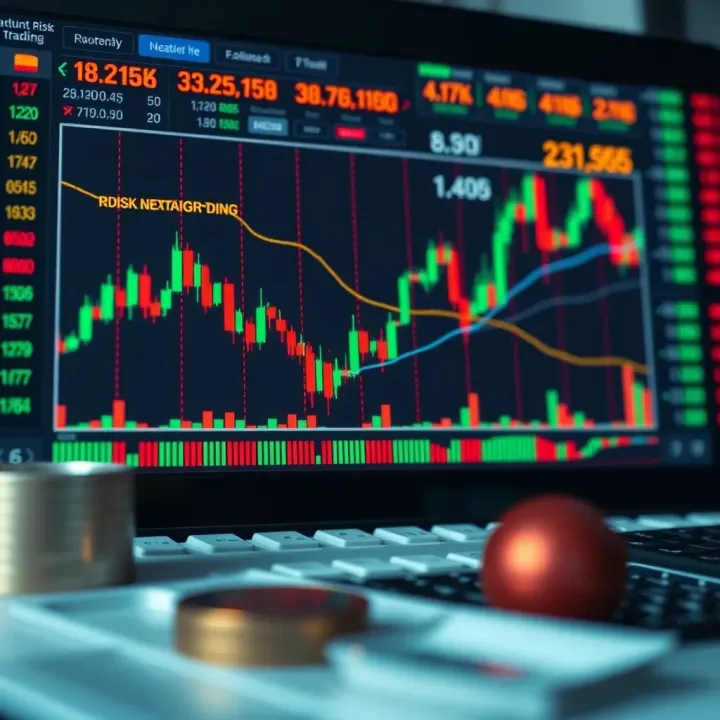
Maximising Profit in Forex Trading: Practical Tips for Kenyans
📈 Learn how Kenyan traders can boost profits in forex by mastering market trends, smart risk management, and proven strategies for safer, efficient trading.
Edited By
Megan Willis
Forex trading often draws interest because of its promise of quick profits, but having a clear idea of the daily profit potential helps set realistic expectations. Understanding how much profit a trader can reasonably earn per day depends on several factors including market volatility, trade size, leverage, and strategy.
Daily profits in forex are rarely fixed and can vary widely. Some scalpers aim for small gains like 0.1% to 0.5% per trade but may complete multiple trades in a day. Others holding positions longer might target 1% to 2% daily, but this is less common and involves more risk. For example, with a KSh 100,000 trading account, earning 1% would be KSh 1,000 daily, which may sound modest but compounds well over time.

Successful trading is less about hitting huge daily profits and more about consistent, controlled returns while managing risk effectively.
Several key points influence daily profit potential:
Market Conditions: High volatility days can offer bigger opportunities but with increased risk.
Leverage: Using leverage can amplify profits but also magnifies losses, so must be used cautiously.
Trading Strategy: Strategies like day trading, swing trading, or position trading impact how quickly profits can be realised.
Risk Management: Effective stop losses and position sizing prevent large losses that wipe out gains.
Traders often face challenges such as sudden market news that quickly reverses price, slippage in execution, or emotional decision-making. Therefore, having a disciplined strategy and patience is often more valuable than chasing daily profit highs.
In summary, daily profit in forex trading is variable and depends strongly on the trader’s approach and market environment. Setting achievable targets and sticking to a strategy reduces the chance of big losses and helps build sustainable growth in trading capital.
Market volatility and liquidity have a direct impact on daily profit potential. Markets with higher price swings offer more opportunities but also carry greater risk. For example, the US dollar versus the Kenyan shilling pair might show moderate volatility compared to exotic pairs like USD/TRY. Liquidity matters too—highly liquid pairs allow easier entry and exit, reducing slippage and unexpected losses, which directly affects how much you can realistically earn in a day.
Your experience and skill level shape how well you interpret market movements and execute trades. A newbie trader may only manage to secure small gains or even face losses as they learn to read charts, control emotions, and apply strategy. In contrast, an experienced trader who has honed risk management and pattern recognition can make steadier profits because they understand when to act and when to hold back.
Trading capital size also plays a big role. With a small capital, say KSh 10,000, even a 1% daily gain represents only KSh 100, which might barely cover transaction costs. On the other hand, a trader using KSh 1 million capital has potential for much larger daily returns but must guard against bigger losses too. Starting with enough capital to comfortably absorb losses without emotional stress is key.
The trading strategy and style you adopt influences your profit range and risk exposure. Scalpers look for tiny moves in the market multiple times a day, targeting quick, small profits. Day traders focus on intraday trends and may hold trades for hours. Swing traders hold positions for days, aiming for larger price moves. Each style demands a different approach to risk, patience, and capital allocation, all affecting daily earnings.
Realistically, forex traders aim for daily profit goals ranging from conservative to aggressive depending on their risk appetite. A conservative trader might target 0.2% to 0.5% per day, focusing on preserving capital and consistent small wins. An aggressive trader might aim for 1% to 3% daily but accepts higher chances of losses. For example, with KSh 500,000 capital, a 0.5% daily gain nets KSh 2,500, which is sustainable without taking too much risk.
Average percentage returns per day are usually modest. Even professional traders rarely exceed 1% daily returns on a consistent basis. This isn’t due to lack of skill but reflects market realities and the need to balance potential profits with acceptable risks. High daily returns often come with high volatility, which can wipe out gains quickly.
Aiming for consistent small profits matters because compounding over time grows your trading account steadily. For instance, a steady 0.5% daily profit compounded over a month results in nearly 14% growth, which outperforms most traditional savings rates. Consistency also builds discipline and confidence. Chasing big, quick wins leads many to overtrade or take reckless risks, increasing the chance of losses.
Setting practical, data-based profit goals helps Kenyan traders protect capital while gradually growing earnings, especially when starting with limited funds or balancing forex alongside other jobs.
By keeping expectations grounded, especially in volatile markets, traders can avoid burnout and stay focused on steady progress rather than get distracted by unrealistic dreams.
Daily profits in forex trading depend heavily on managing certain risks. Traders who understand common dangers are better placed to protect their capital and maintain steady earnings. This section highlights key risks such as market volatility, emotional pitfalls, and leverage misuse that can severely impact daily returns.
Economic news and geopolitical events frequently shake forex markets. For example, a sudden decision by the Central Bank of Kenya to adjust interest rates can cause rapid currency fluctuations impacting KES pairs. Similarly, geopolitical tensions in East Africa or trade announcements from major economies like the US or China may create sharp swings in price. Traders must watch economic calendars closely to anticipate such moves and avoid unexpected losses.
Price gaps and slippage are another set of challenges during active trading sessions. A price gap occurs when a currency pair’s opening price differs significantly from the previous close, often due to overnight news or weekend events. Slippage happens when an order executes at a worse price than intended during high volatility or low liquidity moments. Both can erode expected profits, especially for scalpers and day traders relying on tight spreads.
Overtrading and revenge trading often arise from emotional reactions rather than sound strategies. After losing a few trades, some traders might increase trade size recklessly or enter multiple simultaneous trades trying to quickly recover losses. This approach usually backfires, amplifying losses instead of fixing them.
Fear, greed, and impatience also affect decision-making on a daily basis. Fear may cause premature exits from profitable trades, whereas greed pushes traders to hold losing positions hoping for a turnaround. Impatience can lead to entering trades without proper setup or analysis, increasing mistakes. Learning to control these emotions is critical for consistent profitability.
Emotional discipline is as important as technical skill when aiming for daily profits in forex.

Leverage allows traders to control larger positions with smaller capital, magnifying both profits and losses. For example, a 1:100 leverage means a KSh 10,000 deposit can open a position worth KSh 1,000,000. While this can boost gains when markets move favourably, the same leverage amplifies losses and may wipe out an account quickly if the market moves against the trader.
Safe leverage levels depend on the trader’s experience and risk tolerance. Many Kenyan brokers recommend conservative leverage between 1:10 and 1:30 for daily traders to minimise risks. Using lower leverage limits exposure and helps preserve account balance during volatile periods, enabling more sustainable trading over time.
Understanding and managing these risks daily can significantly improve a forex trader’s chance of achieving consistent profits.
Improving daily profits in forex trading isn't just about luck; it demands clear strategies tailored to your trading style and disciplined execution. By focusing on specific practices, traders can better manage risks and seize opportunities in the volatile currency markets. The right approach enhances not only potential earnings but also helps control losses, essential in achieving consistent gains over time.
Scalping and day trading explained
Scalping involves making numerous trades within very short timeframes—often just minutes or even seconds—to capture small price changes. Day trading, meanwhile, typically involves holding positions for hours but closing all trades before the market closes to avoid overnight risk. Both styles aim for daily gains but differ in pace and trade duration.
In practice, scalping demands quick decision-making and constant market monitoring, fitting traders who can dedicate several hours to active screen time. Day trading suits those looking for a balance between speed and patience, allowing for more analysis during the day but avoiding holding positions overnight.
Pros and cons of each style
Scalping's main benefit is the chance to exploit small price moves frequently, which can add up quickly. However, this strategy requires fast execution, strong focus, and often higher transaction costs due to many trades. It can be stressful and is not suitable for traders with limited time or slower platforms.
Day trading allows more breathing room to make decisions and often involves using technical indicators to identify setups during the day session. Its drawback is the risk of sudden price swings before market close, particularly in volatile currency pairs. Both approaches require discipline but suit different risk appetites and lifestyle needs.
Setting stop-loss and take-profit points
A stop-loss limits how much you can lose on a trade by automatically closing a position once it hits a certain loss level. Conversely, a take-profit locks in gains once a target price is reached. Setting these points beforehand helps maintain discipline and prevents emotions from driving decisions.
For instance, if you buy EUR/USD at 1.1000, setting a stop-loss at 1.0980 protects you from a larger loss if the market falls. Similarly, establishing a take-profit at 1.1030 locks in small, steady gains. This method prevents the temptation to hold losing trades hoping for a reversal.
Limiting risk per trade
Many experienced traders recommend risking only 1-2% of your total trading capital on a single trade. This approach helps ensure that a string of losses does not wipe out your account. For example, if your trading capital is KS00,000, risking KS,000 or KS,000 per trade keeps losses manageable.
By controlling bet size according to capital, you avoid overcommitting to risky positions. This practice preserves your ability to stay in the market longer and take advantage of profitable opportunities when they arise.
Avoiding overexposure
Avoid putting all your capital into a small number of trades or one currency pair. Diversifying across currency pairs and spreading out exposure reduces the risk of heavy losses from a single market event.
For instance, if you trade only USD/JPY and something unexpected affects Japan’s economy, you could lose significantly. Instead, allocating funds to USD/KES, GBP/USD, and EUR/USD spreads risk and balances potential gains and losses more evenly.
Popular technical indicators for daily trading
Indicators like Moving Averages, Relative Strength Index (RSI), and Bollinger Bands help traders read market trends and momentum. For example, a Moving Average crossover might signal a buy opportunity, while the RSI indicates whether a currency pair is overbought or oversold.
Using these tools alongside price action guides timely entries and exits, which are vital for strategies like scalping and day trading where even small moves matter.
Understanding economic calendars and announcements
Events like Central Bank interest rate decisions, employment reports, or inflation data can cause sharp market moves. Monitoring economic calendars alerts traders to these scheduled releases.
For example, the Kenya National Bureau of Statistics monthly inflation release often impacts the Kenya Shilling’s strength. Being aware of such announcements helps traders avoid entering positions just before major volatility or prepare to trade expected moves.
Effective strategies combine clear trading style choices, strict risk control, and smart use of analysis tools. Kenyan traders can benefit by adapting these methods to local market realities and trading platforms.
By applying these approaches, traders improve their chances of consistent daily profits while managing the inevitable ups and downs of forex trading.
For Kenyan traders, tapping into daily profits from forex trading requires more than just understanding strategies. Practical considerations like starting capital, brokerage choices, and balancing trading with other income streams shape success. This section looks closely at these real-world factors to help you build a sustainable daily trading routine.
Starting with adequate capital matters greatly in forex trading. In Kenya, a minimum of around KSh 20,000 to KSh 50,000 often gives traders enough room to operate without being too exposed. With this amount, you can place meaningful trades and manage losses better rather than risking all on tiny positions. For instance, placing 0.01 lot trades on major pairs usually requires such capital to handle normal market swings without hitting stop-loss prematurely.
The key is not just having money but having enough to manage your trades without emotional pressure to recover losses quickly. A small capital can easily vanish on a bad run, so starting with a reasonable buffer helps maintain discipline and better decision-making.
Forex trading is not just about your profits; losses and costs come with the territory. You should plan to lose up to 5% of your capital as part of your risk management. For example, if you start with KSh 50,000, be ready to see losses of up to KSh 2,500 without panic.
Besides trading losses, consider spread costs and any brokerage fees, especially when trading frequently. For Kenyan traders using local brokers, spreads might be tighter, but costs still add up over time. Factor those into your daily profit expectations and be realistic about how much you need to cover those expenses before you’re in the clear.
Payment methods like M-Pesa simplify deposit and withdrawal processes for Kenyan traders. Using mobile money avoids delays linked to international wire transfers and usually incurs lower fees. This accessibility means you can access funds quickly for trading or withdrawals, which is vital when seizing short-term trading opportunities.
Additionally, local payment solutions reduce dependency on bank account set-ups that can be slow or limiting, especially for those outside Nairobi or in more rural counties. For example, depositing funds via M-Pesa Paybill or Till number is straightforward and available 24/7.
Choosing a broker registered with the Capital Markets Authority (CMA) or recognised in Kenya adds a layer of trust. Local regulation helps protect traders against fraudulent firms and ensures brokers meet minimum standards.
A reliable broker offers transparent pricing, prompt payments, and customer support that understands Kenyan traders’ needs. For instance, brokers with local offices or partners can provide faster resolutions to technical issues or account problems. Make sure to check brokers’ reviews and regulation status before committing your trading capital.
Forex trading can be unpredictable daily, so having stable income sources like a salary or business buffers your finances. Relying solely on trading profits can create pressure to take reckless risks, leading to bigger losses. For example, a teacher or a jua kali artisan who trades in free time can afford to be more disciplined because daily forex profits aren’t their only income.
This safety net also allows you to build your trading capital gradually rather than forcing withdrawals when under pressure.
Most Kenyan forex traders juggle their trades alongside jobs or businesses. It’s important to schedule trading hours realistically, focusing mostly on the most active times to catch profitable setups without disrupting daily routines.
Don’t expect to make consistent daily profits immediately; managing your expectations means setting achievable goals that won’t interfere with your primary work. For example, a matatu driver might trade during mid-morning or late evening quiet hours rather than trying to monitor markets continuously. This approach keeps trading manageable without sacrificing other income or wellbeing.
Staying practical and grounded makes forex trading a more viable and less stressful part of your financial growth.
By considering capital needs, choosing trusted brokers with local payment options, and balancing trading with other income, Kenyan traders can better position themselves for consistent daily profits without burning out.
Monitoring your trading performance every day is more than tracking the numbers; it helps you understand how and why your trading decisions impact your results. Regularly measuring success keeps emotions in check and brings discipline to your approach. For example, a trader who consistently reviews whether they stick to stop-loss limits is better positioned to avoid costly mistakes during market swings.
A trading journal should include specifics like entry and exit prices, trade size, the reason behind entering the trade, and overall market context. Keeping track of these details helps pinpoint which strategies and market conditions yield better results. For instance, noting that trades entered during Nairobi market opening hours perform well can shape your future timing decisions.
Beyond just jotting down numbers, the journal records your psychological state and any errors or breakthroughs experienced during trading. This insight lets you spot patterns—maybe impatience leads to premature exit—and helps adjust behaviour for better outcomes over time.
Using the journal effectively isn’t just a record-keeping exercise; it’s a learning tool. Reviewing past trades systematically allows you to refine your strategy, cutting out moves that don’t work and focusing on profitable ones. Suppose you notice that momentum trades in USDKES during economic announcements consistently lose money—this signals a time to avoid or adjust strategies around those periods.
Daily profits in forex naturally fluctuate due to market unpredictability, news events, and trader emotions. Expecting a steady profit every day is unrealistic and can lead to frustration or risky behaviour like overtrading. Instead, it is normal to experience losing days, which are part of the trading process.
This variation means focusing on long-term performance is crucial. By analysing weekly or monthly results, you can see whether your strategy maintains an overall upward trend instead of getting caught in ups and downs. For example, a trader with a modest average return of 0.5% per day might lose on two days but still end the month with notable gains.
Keeping this perspective prevents chasing quick wins and helps maintain discipline. The goal is sustainable growth and preserving capital, not hitting daily jackpot profits. This approach is particularly important when managing your risk and capital as a Kenyan trader, ensuring you stay in the game through market ups and downs.
Tracking your forex trading performance daily with honesty and detail builds the foundation for real improvement and success over time. Without it, trading becomes guesswork rather than a skillful investment.
📈 Learn how Kenyan traders can boost profits in forex by mastering market trends, smart risk management, and proven strategies for safer, efficient trading.

📈 Discover practical forex trading strategies tailored for Kenyan traders to boost profits steadily with smart risk management and market insights. 🇰🇪💹

📈 Explore the origins and growth of forex trading, from the gold standard era to modern electronic platforms reshaping global currency markets today.

Discover the truth about forex trading 💱—how the market moves day and night, its legitimacy, risks, and practical advice for Kenyans eyeing this global currency market.
Based on 7 reviews