
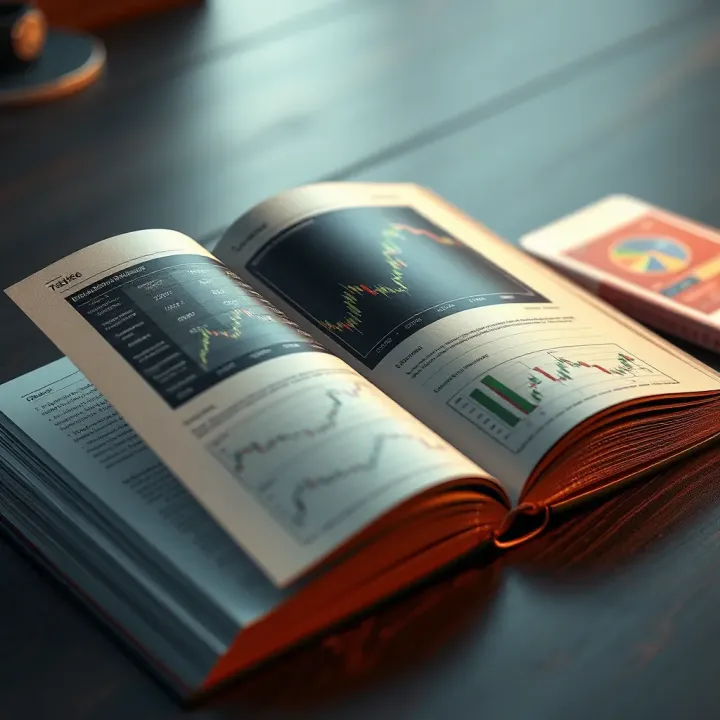
Top Forex Trading Books for Kenyan Traders
📚 Master forex trading in Kenya with top books on technical analysis, risk management, and trading psychology to boost your skills and confidence.
Edited By
Sophia Bennett
Forex trading, often known as foreign exchange trading, is the buying and selling of currencies on a global marketplace that operates 24 hours a day. Unlike stock markets that close after daily trading sessions, forex runs nonstop from Sunday evening to Friday night, reflecting the worldwide nature of currency exchange. This continuous activity makes it accessible to investors and traders across Kenya and beyond, fitting various schedules.
Many people ask if forex trading is real or just another scam. The reality is that forex trading is genuine and backed by a global financial system involving banks, governments, corporations, and individual traders. Countries trade currencies to support international trade, investment, and tourism. For example, a Kenyan exporter receiving payment in US Dollars would convert that money to Kenyan Shillings in the forex market.

Forex is the world’s largest financial market, with daily trading volumes exceeding $6 trillion.
That said, the question of legitimacy depends on who you trade with and how you approach it. There are licensed brokers regulated by authorities such as the Capital Markets Authority (CMA) in Kenya, ensuring the platforms follow fair practices. On the other hand, fraudsters often exploit the curiosity around forex, promoting get-rich-quick schemes with no real market involvement.
Key points to keep in mind about forex trading:
Currencies are traded in pairs. For instance, USD/KES represents the value of the US Dollar against the Kenyan Shilling.
Exchange rates fluctuate constantly due to economic factors, political events, and market sentiment.
You can trade with leverage, meaning you control a larger position than your actual capital, but this increases risk.
Profits depend on correctly predicting price movements, but losses are just as possible.
For Kenyans interested in forex, understanding the market’s structure and trading responsibly is crucial. Always verify that the broker has CMA approval and avoid schemes promising guaranteed profits or fixed returns.
In the next sections, we will explore how forex trading works, deeper insights into the risks involved, and practical tips for participating safely.
Knowing what forex trading involves lays the groundwork for anyone interested in this dynamic market. Forex trading, simply put, is buying and selling currencies to profit from fluctuations in exchange rates. For instance, a trader might buy US dollars (USD) with Kenyan shillings (KES) anticipating that the dollar will strengthen. If this happens, selling the dollars later yields a profit. This basic knowledge helps filter out any misinformation about forex being a mere gamble or scam.
At its core, forex trading deals with currency pairs — you buy one currency while selling another simultaneously. When you trade the EUR/USD pair, for example, you're effectively betting on whether the euro will rise or fall against the US dollar. Unlike stocks, forex doesn't involve physical assets but instead relies on how currencies value against each other. This market runs continuously, responding to economic indicators, geopolitical events, and central bank policies, making it highly liquid and fast-moving.
Forex is the largest financial market worldwide, with over $6 trillion changing hands daily. It operates around the clock because it spans different time zones, from banks in London to traders in Nairobi and Tokyo. Major financial centres open and close at varying times, so the market never really sleeps. This global setup means market conditions can shift quickly — a policy announcement in Washington DC can immediately affect trading in Nairobi. It also means participants range from small retail traders to massive banks and governments.
Most forex trade focuses on a handful of "major" currency pairs because of their liquidity and stability. Examples include EUR/USD (euro to US dollar), USD/JPY (US dollar to Japanese yen), and GBP/USD (British pound to US dollar). These pairs tend to have tighter spreads, meaning trading costs are lower compared to exotic pairs like KES/JPY. Understanding these pairs is essential since they often set trends followed by others. For instance, if the USD strengthens against the EUR, this might influence USD trades with other currencies like the Kenyan shilling.
Remember: Forex trading isn’t about guessing; it depends on analysing economic data, political developments, and market sentiment. Knowing how the market operates globally and which pairs dominate can give you a solid edge.
Having a clear grasp of these basics is key before you jump into trading or consider forex as an investment option. It helps separate fact from fiction and prepares you better for the realities of the forex market in Kenya or anywhere else.
Many people question whether forex trading is real or just another get-rich-quick scheme. Understanding its legitimacy matters because it affects how and whether you should engage with the market. Forex, short for foreign exchange, is a massive global market where currencies are traded daily across countries. This market operates under tightly regulated environments in many countries, which helps protect traders and maintain fair play.
Forex trading worldwide is overseen by various authorities to ensure transparency and reduce fraud. For example, in Kenya, the Capital Markets Authority (CMA) licences brokers and monitors their activities. Internationally, organisations like the UK’s Financial Conduct Authority (FCA) and the US Commodity Futures Trading Commission (CFTC) set clear rules for brokers and trading platforms. These agencies require brokers to hold clients’ money in segregated accounts and provide financial reports regularly. This means you can verify your broker's credibility and avoid fraudulent schemes. For instance, a trader who chooses a CMA-licensed broker in Kenya is significantly safer than working with an unregulated firm claiming huge returns with little evidence.
Forex trading is often painted as gambling or a scam. While it’s true that many lose money, this doesn’t mean the market itself is rigged. One misconception is that forex guarantees fast, easy profits. In reality, the market fluctuates based on global economics, political events, and investor sentiment. Another myth suggests brokers manipulate prices, but regulated brokers follow strict rules and use transparent pricing feeds. It's like a supermarket — prices change daily, but you still buy what you understand. Forex is a market requiring skill, patience, and continuous learning rather than quick luck.
Brokers act as intermediaries, connecting you to the forex market. They provide trading platforms and tools, showing currency prices and allowing transactions. When selecting a broker, check their licences from recognised authorities like CMA, FCA, or the Australian Securities and Investments Commission (ASIC). Avoid firms with unclear ownership or those pressuring you to deposit large sums fast. Look for clear fee structures, user-friendly platforms like MetaTrader 4 or 5, and customer support. For example, a good broker will allow you to demo trade before risking real money, giving you practice without losses.
Choosing a regulated broker with transparent operations protects you from scams and builds trust in your trading journey.
In summary, forex trading is a legitimate market backed by regulatory oversight. While misunderstandings exist, knowing how brokers operate and recognising common myths can help you trade wisely and safely.
Forex trading is far from a guaranteed way to make money; it comes with real risks that traders must understand and manage carefully. This section highlights the main risks and challenges so that anyone interested can approach forex trading with their eyes open.
Currency prices in the forex market are highly volatile. They often swing sharply due to economic data releases, central bank decisions, geopolitical events, or unexpected crises. For example, during the COVID-19 pandemic, many currencies experienced rapid changes in value, with the Kenyan shilling fluctuating noticeably against the US dollar. Such volatility can offer profit opportunities, but it can also wipe out investments quickly if traders are unprepared. Understanding what drives currency volatility is key to making informed trades rather than guessing blindly.
Unlike fixed investments, forex trading can result in losses exceeding the initial deposit, especially when using leverage—a common feature in the forex market. Traders must apply risk management techniques to protect themselves. This includes setting stop-loss orders to automatically exit trades if losses mount, limiting the size of each trade to a small percentage of the trading capital, and diversifying trades rather than putting all funds into one currency pair. For instance, a trader risking only 2% of their capital per trade is less likely to suffer a devastating loss. Professional traders maintain discipline to avoid emotional decisions, which often lead to bigger losses.
The forex market unfortunately attracts scammers who promise unrealistic returns or operate unlicensed brokerages. Common scams include fake signal providers, Ponzi schemes, or brokers manipulating prices. To guard yourself, always verify that the broker is licensed by reputable regulators such as the Capital Markets Authority (CMA) in Kenya or international bodies like the Financial Conduct Authority (FCA) in the UK. Also, avoid guarantees of profit—they are a red flag. Use demo accounts to test platforms before investing real money. Lastly, keep your personal and financial information secure and only trade through official channels.
Taking the time to understand the risks and challenges in forex trading helps you trade smarter, not just harder. With the right knowledge and caution, you can avoid costly mistakes and increase your chances of success.
By recognising the volatile nature of forex currencies, managing losses proactively, and steering clear of scams, traders can engage in forex trading with a realistic view. This approach makes the difference between a hopeful gambler and a serious trader.
Starting forex trading in Kenya offers opportunities but takes careful planning and smart choices. Unlike straightforward investments like government bonds or real estate, forex trading demands that you pick the right broker, have tools that work well for you, and use effective strategies to navigate the market.
The first step is to choose a broker you can trust. In Kenya, brokers licensed by the Capital Markets Authority (CMA) provide an added layer of security. These brokers must follow rules designed to protect your money and ensure fair trading. For example, a CMA-licensed broker like Olymp Trade Kenya or local offices of international brokers help keep your funds in segregated accounts, reducing risk.
Sometimes, traders prefer brokers licensed abroad in financial centres such as the UK’s Financial Conduct Authority (FCA) or Australia’s ASIC. These brokers may offer a wider range of currency pairs or better trading platforms but verify their reputation carefully. Watch out for brokers without any licence or with a history of client complaints.
Once you have a broker, pick the trading platform that suits your style. MetaTrader 4 and MetaTrader 5 remain popular among Kenyan traders due to their easy interface and analysis tools. Some brokers also offer web-based platforms or mobile apps for trading on the go, which is useful given the busy lifestyle in Nairobi and other towns.
Besides the platform, use tools like economic calendars to track when major financial reports are released. For instance, you might want to know when the US Federal Reserve announces interest rate decisions because these have big effects on the US dollar pairs. Charting software that offers real-time data can also help you spot trends early.
Starting without a strategy is like going to the market without money. Kenyans familiar with investment often use simple strategies such as “trend following” where you buy when the price is going up and sell when it’s down. Another approach is “range trading,” buying low and selling high within defined price ranges.
Learning resources abound online — local training centres like those in Nairobi offer courses, while websites provide videos and simulations for practice. Using demo accounts offered by brokers can sharpen your skills without risking real money.
For Kenyans, understanding local regulations, selecting the right broker and tools, and mastering simple strategies provide a solid foundation for forex trading. It’s not a get-rich-quick scheme, but with discipline, it can be a worthwhile pursuit.
Starting forex trading requires patience and informed choices. By focusing on these practical steps, you increase your chances of joining this global market with confidence and responsibility.
Understanding the reality of forex trading helps clear up common myths that often cause confusion among investors. This section highlights how forex trading is indeed a real market but comes with risks that require careful handling. Kenyans interested in forex must learn to distinguish between genuine trading opportunities and misleading claims often spread by scams.
Forex trading operates as a legitimate global marketplace where currencies are exchanged around the clock. For example, major banks, multinational companies, and governments participate daily, showing it's more than just speculation. However, the forex market is extremely volatile. Currency values can shift sharply due to economic news, geopolitical events, or unexpected crises. This unpredictability can lead to quick gains but also steep losses, which makes forex a risky avenue for most traders.
Understanding risk means accepting that no matter how much research one does, outcomes can be uncertain. For instance, during the recent currency turbulence triggered by global inflation concerns, many traders lost substantial amounts. That’s why recognising forex as a market with both promise and danger helps set realistic expectations.
If you decide to join forex trading, start with choosing a broker fully licensed by reputable bodies such as the Capital Markets Authority (CMA) in Kenya or equivalent international regulators. Licensed brokers provide safeguards including segregation of client funds and transparent pricing.
Develop a strong knowledge base before committing real money. Use demo accounts to practise trading without risk. Learn fundamental and technical analysis methods relevant to forex markets. For example, understanding Kenya’s economic data, interest rates, and political developments can help anticipate shilling movements against other currencies.
Risk management is key. Set stop-loss orders to limit potential losses on trades and resist emotional decisions driven by greed or fear. Also, avoid brokers promising guaranteed profits or pressure to deposit large sums quickly – such claims are red flags.
Responsible forex trading means combining knowledge, discipline, and vigilance. It's not a scheme to get rich quickly but a demanding activity requiring careful approach.
To sum up, forex trading is real with genuine opportunities but it demands caution. By separating facts from fiction, Kenyan traders can engage wisely and protect their investments from unnecessary risks.
📚 Master forex trading in Kenya with top books on technical analysis, risk management, and trading psychology to boost your skills and confidence.
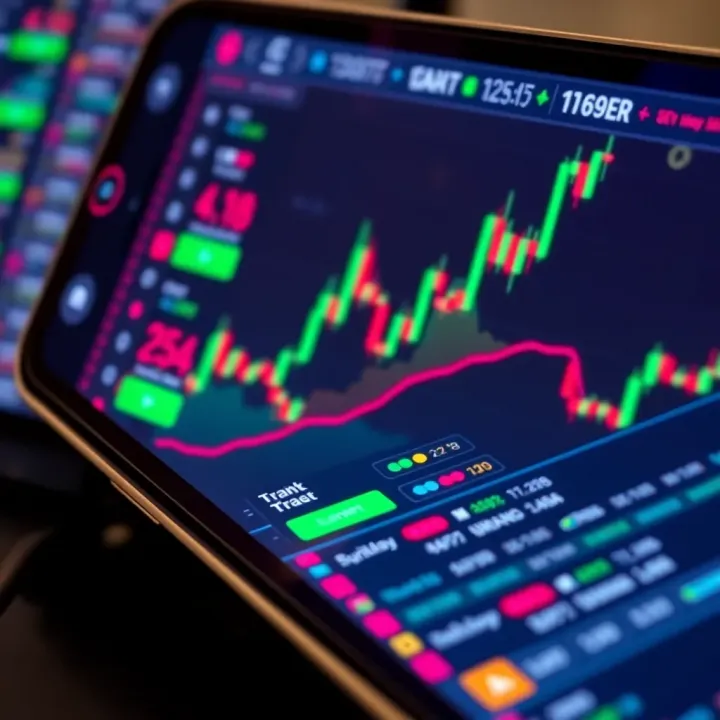
📱 Thinking of forex trading in Kenya? Discover top apps, learn features, security tips, and find the best fit for safe, smooth trading journeys today!
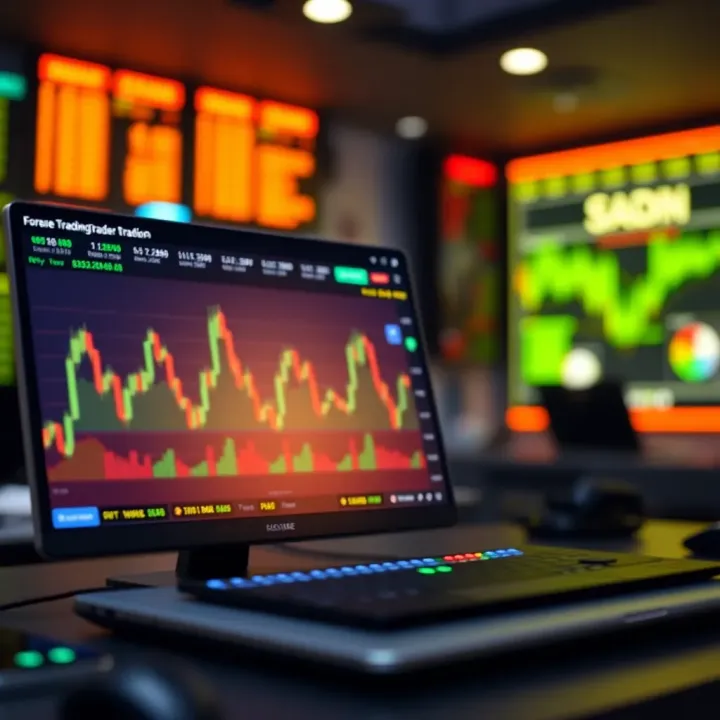
Explore top forex trading companies in Kenya 🇰🇪, learn how the market works, choose the right broker, and get tips for safe, smart trading 💹.
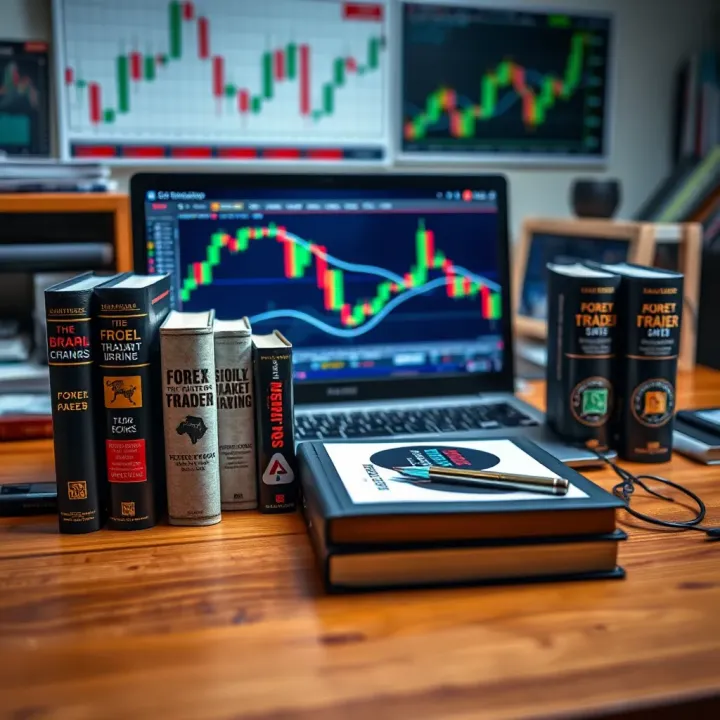
📚 Discover essential forex trading books covering basics, strategies, market analysis & risk management. Perfect for beginners and pros to improve skills!
Based on 12 reviews