
Learn Forex Trading: A Guide for Kenyan Investors
📈 Learn how Kenyan investors can trade forex confidently with tips on market basics, risk management, and avoiding common mistakes. Start smart and protect your KSh today!
Edited By
Oliver Edwards
Forex trading refers to buying and selling currencies in the global foreign exchange market. It is one of the largest financial markets worldwide, handling over $6 trillion daily. For Kenyan investors, forex trading has become more accessible due to technology and widespread use of mobile money platforms like M-Pesa.
Unlike the stock market, forex operates 24 hours on weekdays, allowing traders to respond quickly to economic news and events around the world. The basic idea is to buy a currency when its value is expected to rise against another currency, then sell it later for a profit. For example, if you anticipate the US dollar will strengthen against the Kenyan shilling, you can buy USD/KES and benefit when the exchange rate moves in your favour.
The forex market is influenced by various factors such as interest rates, inflation, political stability, and global trade flows. These elements cause currency values to fluctuate continuously. Kenyan traders should pay attention to both local factors like Central Bank of Kenya policies and international events that affect major currency pairs.
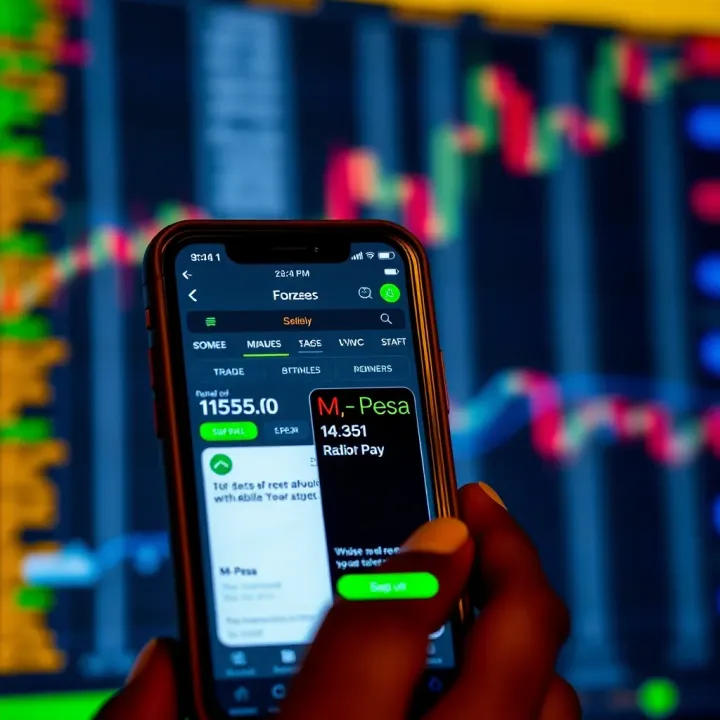
Getting started with forex trading in Kenya involves choosing a reliable broker, preferably one regulated by the Capital Markets Authority (CMA) to ensure your funds are safe. Most brokers offer online platforms accessible via computers or smartphones, making it easy to trade from anywhere. Payments and withdrawals are typically handled through familiar channels like M-Pesa, which simplifies transactions considerably compared to traditional banking methods.
Successful forex trading depends not only on understanding market dynamics but also on managing risks. Leveraging small amounts of capital responsibly and using stop-loss orders can prevent significant losses, especially for beginners.
Key points to keep in mind:
Forex trading is about currency pairs, for example, USD/KES or EUR/USD
Global economic indicators affect exchange rates
Use regulated brokers with transparent fees
Leverage technology for trading and payments
Practice good money management and avoid overtrading
This practical guide will help you build a solid foundation to navigate the forex market wisely, taking into account the unique aspects of trading from Kenya.
Forex trading refers to buying and selling currencies to profit from their changing values. This market is massive and operates 24 hours a day across the globe, making it accessible anytime, even for Kenyan investors trading from their phones. Understanding how forex works is vital because it helps investors grasp when and why currency prices move, thus informing better decisions.
At its core, forex trading involves exchanging one currency for another, such as converting Kenyan shillings to US dollars or euros. Investors aim to buy when they expect the currency to strengthen and sell when they foresee it weakening. For example, if you believe the US dollar will gain value against the Kenyan shilling, you might buy USD/KES hoping to sell later at a profit. Unlike stock markets, forex does not have a central exchange; instead, it operates over-the-counter with dealers and traders connected electronically.
The forex market includes various players: banks, financial institutions, governments, corporations, and retail traders like you and me. Banks play a big role by facilitating currency flows, while corporations exchange currencies to pay for goods across borders. Meanwhile, retail investors in Kenya can access forex via brokers using online platforms, often paying through M-Pesa for convenience. Each participant’s actions impact currency demand and supply, creating price fluctuations that traders try to predict and benefit from.
Currencies are traded in pairs, for example, USD/KES or EUR/USD. The first currency is the base, and the second is the quote. The price shows how much of the quote currency you need to buy one unit of the base currency. If USD/KES is 110, it means KSh 110 buys one US dollar. Traders focus on the relative value changes between these pairs.
Currency pairs fall into three categories:
Major pairs: These involve the most traded currencies and include USD paired with EUR, GBP, JPY, etc.
Minor pairs: They exclude the US dollar but consist of other major currencies like EUR/GBP.
Exotic pairs: These involve less common currencies, such as USD/KES, offering opportunities but often with less liquidity and higher spreads.
Knowing how currency pairs work helps you spot opportunities and manage risks, especially in markets like Kenya where the USD/KES pair dominates.
Understanding these basics sets a solid foundation to explore more complex forex strategies and manage associated risks effectively, tailored to the Kenyan investor’s context.
Understanding what moves currency markets helps Kenyan investors make smarter decisions in forex trading. Currency values seldom move by chance; they react to clear triggers that can be anticipated with the right knowledge. This section breaks down the main factors behind these changes and what you should watch for.
Economic data reveals the health of a country's economy, directly affecting its currency's strength. In Kenya, reports like inflation rates, GDP growth, and unemployment figures matter to forex traders. For example, if Kenya's inflation rate spikes, the Central Bank of Kenya might hike interest rates to control prices, making the Kenyan shilling more attractive to investors. This often causes the shilling to appreciate against other currencies. Conversely, a weak GDP report can signal troubles ahead, leading investors to favour stronger currencies like the US dollar or euro.
Key indicators to monitor include:
Interest rate decisions: Central banks adjust rates based on economic outlook.
Inflation rates: High inflation usually weakens a currency.
Trade balance: Kenya's exports and imports affect demand for the shilling.
Employment data: Job growth or decline reflects economic stability.
Keeping an eye on these can help traders anticipate currency moves before they happen.
Politics can shake forex markets quickly. Unexpected elections, policy changes, or unrest in Kenya or abroad often make investors nervous. If a major election in Kenya shows potential for stable governance, the shilling may strengthen due to increased foreign investment confidence. But political tension or protests can spook investors, causing capital flight and currency depreciation.
On a wider scale, conflicts in global hotspots can push investors towards safe-haven currencies like the US dollar or Swiss franc. For instance, political instability in oil-producing countries can raise oil prices, affecting currencies of net importers like Kenya.
Sometimes, forex moves reflect traders’ emotions more than hard data. Market sentiment – whether traders feel optimistic or fearful – can drive quick fluctuations. Speculators betting on future moves may amplify trends, creating volatility.
For example, rumours about an upcoming interest rate hike can trigger a rally in the affected currency even before official announcements. In Kenya, social media buzz or news coverage about economic prospects may sway sentiment sharply among local traders.
Forex markets blend facts and feelings. Successful traders observe economic signals but also gauge overall market mood to avoid surprises.
Understanding these three factors gives Kenyan investors a solid foundation for navigating forex. By following economic indicators, watching political developments, and reading market sentiment, you can better time your trades and manage risks effectively.
Getting started in forex trading in Kenya requires more than just understanding the market; practical steps make all the difference. These steps help you navigate the unique local context where mobile payment systems like M-Pesa simplify transactions, but risks still persist if you're not careful. This section breaks down essential actions for new traders, from choosing trustworthy brokers to setting up accounts and learning trading strategies.
A trustworthy forex broker is the cornerstone of successful trading. In Kenya, you’ll find many online brokers offering services, but not all are regulated or have good reputations. Look for brokers registered with reputable authorities such as the Capital Markets Authority (CMA) in Kenya or international regulators like the Financial Conduct Authority (FCA).
For example, brokers like XM, HotForex, and Exness are popular for their ease of access to Kenyan traders and allow deposits via M-Pesa. Avoid brokers promising guaranteed returns or massive bonuses; these often lead to scams. Also, check the spreads and commissions, as these affect your trading costs directly.
Once you pick a broker, the next step is opening a trading account. This usually involves submitting identifying documents (like your ID and proof of address) online — a straightforward process thanks to digital documents and Kenya’s widespread internet access.
Mobile-friendly trading platforms are vital. MetaTrader 4 (MT4) and MetaTrader 5 (MT5) apps are top choices because they work well on smartphones and provide tools like charts, indicators, and real-time pricing. Ensure your internet connection is stable, as interruptions can lead to missed trades or losses.
Also, consider starting with a demo account. It allows you to practise without risking real money. This is especially useful in avoiding early mistakes that new traders often make.
Knowing a few basic strategies helps you make smarter trades and manage risk. One common approach is trend trading — buying when prices rise steadily and selling before they fall. Another is range trading: identifying price levels where currency pairs tend to bounce between support and resistance.
For Kenyan investors, it’s helpful to keep an eye on global news affecting currencies relevant to Kenya, such as the US dollar or euro. Economic reports, interest rate changes from the Central Bank of Kenya (CBK), or political developments can move the market suddenly.
Starting small with clear strategies and solid risk management is better than rushing for big profits. Use stop-loss orders to limit losses and never risk more than you can afford to lose.
To wrap up, taking the right first steps protects your investment and sharpens your skills. Choosing a proper broker, setting up the right tools, and understanding basic strategies lay a strong foundation for forex trading success in Kenya.
Understanding the risks involved in forex trading is key for any investor, especially in Kenya where access to the market is becoming easier through mobile technology. Forex markets can be highly volatile, meaning prices change rapidly and unpredictably. While this can offer profitable opportunities, it exposes traders to significant financial risks. Recognising these challenges upfront helps you protect your capital and make informed decisions.
Forex markets often react swiftly to economic reports, political happenings, or global events. For example, a sudden change in US Federal Reserve interest rates can cause the Kenyan shilling versus the dollar to fluctuate sharply within minutes. Such swings can wipe out profits or even cause heavy losses in a short time. New traders sometimes underestimate this volatility because, unlike stock markets that have trading hours, forex operates 24/5, allowing nonstop price movement. This constant activity demands vigilance and a clear understanding of your risk tolerance.
One way to control risks is by using stop loss orders, which automatically sell your position if the price moves against you beyond a set level. For instance, if you buy EUR/USD at 1.1000 and place a stop loss at 1.0950, you limit your loss to 50 pips if the price falls. This tool acts as a safety net, preventing emotional decisions when the market moves fast.
Leverage allows traders to control larger positions with a smaller deposit, often up to 1:30 or higher. While this can multiply profits, it also increases losses, sometimes beyond your initial investment. Kenyan traders should be cautious with leverage, starting low and increasing only as they gain experience. Carefully combining stop loss orders with sensible leverage settings can help keep losses manageable.
The forex world in Kenya, like elsewhere, has its share of scams and shady brokers. Be wary of firms promising guaranteed high returns or pressuring you to invest quickly. Always check if the broker is regulated or licensed by trustworthy authorities, such as the Capital Markets Authority (CMA) in Kenya.
Another common pitfall is overtrading—making too many trades too fast out of excitement or fear. This usually drains your trading account quickly. Sticking to a well-planned strategy and practicing patience will reduce unnecessary losses.
Always remember: no matter how promising forex may seem, protecting your capital by managing risks carefully is what keeps you in the game longer.
Being aware of these risks and challenges helps Kenyan forex traders navigate the market wisely. Equip yourself with risk management tools, keep learning, and avoid shortcuts that might cost you dearly.
Forex trading has become a notable part of Kenya's investment options, reflecting the wider growth of digital finance in the country. It connects local investors to the global currency market, offering a chance to diversify beyond traditional avenues like stocks or real estate. Understanding its place within Kenya’s financial scene helps investors align forex trading with their broader economic goals.
Mobile technology has democratized forex trading for many Kenyans. Platforms such as Safaricom's M-Pesa allow easy deposits and withdrawals without needing a traditional bank account. For instance, a trader in Kisumu can fund a forex account and execute trades from a smartphone during a boda boda ride, something unthinkable a decade ago.
The convenience and accessibility of trading apps compatible with M-Pesa encourage widespread participation. This is particularly important in a country where over 80% of adults use mobile money. Forex brokers with mobile-friendly platforms give investors real-time market access anytime and anywhere, facilitating decisions based on rapid market changes.
Forex trading in Kenya is regulated to protect investors and ensure fair market conduct. The Capital Markets Authority (CMA) oversees licensed forex brokers operating within the country. Choosing a broker authorised by CMA helps reduce risks of scams and fraud.
That said, forex trading is not without legal nuances. Kenyan law requires disclosure of risks and compliance with anti-money laundering rules. Unregulated offshore brokers, although tempting due to high leverage, can present legal challenges and withdrawal problems. Therefore, Kenyan investors should prioritise trading with brokers that comply with local regulations.
Forex trading is often viewed as an additional income source rather than the sole investment. It can complement other portfolios, especially for Kenyans looking to protect their savings from inflation or currency devaluation. For example, someone holding KSh 500,000 might allocate a portion to forex trading for short-term gains while keeping other funds in fixed deposits or government bonds.
Moreover, forex trading suits Kenyans engaged in international business or those receiving remittances, offering a way to hedge against shilling fluctuations. Aligning forex activity with personal or business financial goals ensures it supports long-term wealth creation rather than speculative risk-taking.
Trading forex in Kenya fits into a larger picture of financial innovation driven by mobile technology and prudent regulation, providing practical opportunities for investors to engage globally while managing local risks.
Understanding these local dynamics helps Kenyan investors make informed choices about entering the forex market, tailoring strategies to their financial realities and regulatory environment.
📈 Learn how Kenyan investors can trade forex confidently with tips on market basics, risk management, and avoiding common mistakes. Start smart and protect your KSh today!
📈 Discover how forex trading works in Kenya! Learn about currency pairs, traders, platforms, strategies, and managing risk to start your journey with confidence.

📊 Discover how Kenyan investors can use copy trading to mirror expert trades, manage risks, and grow their portfolios confidently and safely.
📈 Learn how forex trading in Kenya works, know the risks, key players, and how to start safely. Get insights on regulations and practical tips for currency trading.
Based on 15 reviews