
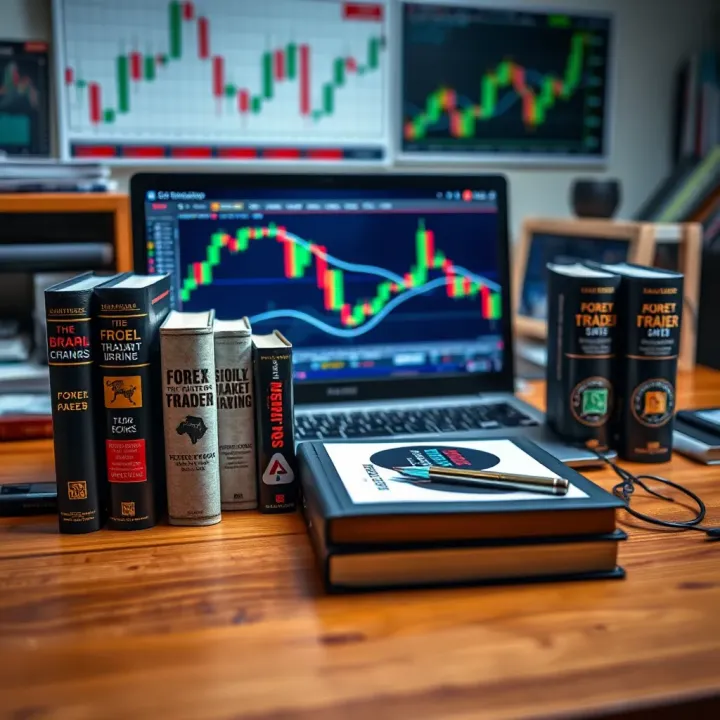
Top Books to Master Forex Trading
📚 Discover essential forex trading books covering basics, strategies, market analysis & risk management. Perfect for beginners and pros to improve skills!
Edited By
Emily Fairchild
The forex market, also known as the foreign exchange market, is where currencies are bought and sold. Unlike traditional stock exchanges, forex operates 24 hours a day, five days a week, making it accessible to Kenyan investors at any time. Forex trading involves buying one currency while simultaneously selling another, and this happens in pairs — for example, USD/KES represents the US dollar against the Kenyan shilling.
Many Kenyan investors are attracted to forex trading because of its high liquidity and potential profitability, but it’s important to understand how it works before diving in. Unlike betting on football matches, forex requires knowledge of global economic indicators, political developments, and central bank policies that affect currency values.
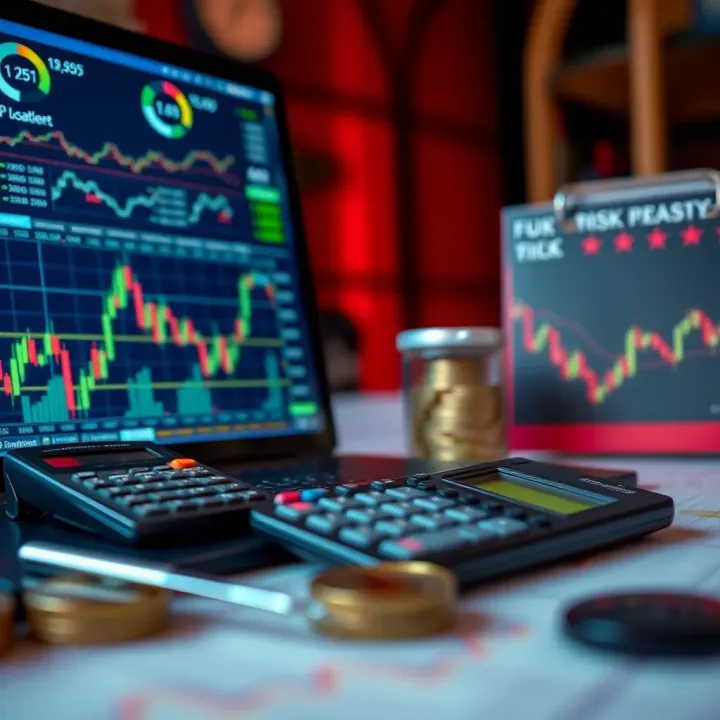
Forex trading happens through brokers licensed by the Capital Markets Authority (CMA) in Kenya or internationally recognised platforms. You need an account to trade, and most brokers offer demo accounts for practice without risking your money. Trades are executed using orders — for example, a "buy order" when you expect a currency to strengthen or a "sell order" when you expect it to weaken.
Leverage: Brokers often allow you to trade with more money than you actually have, known as leverage. For example, a leverage of 1:100 means you control KSh 100,000 with just KSh 1,000. While this magnifies profits, it can also amplify losses.
Pips: This stands for "percentage in point" and measures how much a currency pair moves. A change of 1 pip in USD/KES can influence profit or loss significantly depending on your trade size.
Spread: This is the difference between the buying and selling price offered by the broker. Keep an eye on the spread charges because too-high spreads can eat into your profits.
Choose a reliable broker regulated by CMA or reputable international authorities.
Open and fund your trading account using trusted methods like bank transfers or M-Pesa.
Use a demo account to get familiar with the trading platform.
Learn technical and fundamental analysis to make informed decisions.
Start small and avoid risking more than you can afford to lose.
Remember: Forex is not a quick way to get rich. It’s a market that rewards knowledge, patience, and good risk control.
Understanding these basics sets you on a strong footing to explore more advanced strategies and tools tailored for Kenyan forex traders. From managing risks to spotting market trends, the right foundation can help you protect your KSh and spot opportunities with confidence.
Understanding the forex market is fundamental for Kenyan investors aiming to engage confidently in currency trading. The forex market influences many aspects of Kenya's economy, including importers, exporters, and businesses dealing with foreign currencies. By knowing how this market works, investors can make smarter decisions, reduce risks, and recognise opportunities that might otherwise go unnoticed.
Forex trading involves buying one currency while simultaneously selling another. This activity takes place in the global foreign exchange market where currencies are traded in pairs, such as the US Dollar and Kenyan Shilling (USD/KES). The goal is to profit from fluctuations in exchange rates. For example, if you expect the US Dollar to strengthen against the Kenyan Shilling, you could buy USD/KES and sell back later at a higher rate to make a gain.
Unlike investing in stocks or bonds, forex trading is primarily about speculation on currency movements. It’s a fast-paced market where prices can change within seconds based on global news, political developments, or economic data. Understanding these basic principles prepares you to approach forex trading as an informed investor.
Forex differs significantly from other markets. For starters, it is the largest and most liquid financial market worldwide, with daily trading volumes exceeding US$6 trillion. Unlike the stock market, forex doesn't have a central exchange; trades happen over-the-counter between banks, brokers, and individual traders around the clock. This means you can trade currencies 24 hours a day during weekdays, whereas stock markets typically operate during specific hours.
The forex market operates continuously from Sunday evening to Friday evening (EAT), covering major time zones through global trading centres in London, New York, Tokyo, and Sydney. When the London session opens, there is usually more activity in currency pairs involving the British Pound or Euro. Later, the New York session brings fresh volatility with the US Dollar often taking centre stage.
This continuous operation allows Kenyan traders to participate at convenient times, but it also means markets can be affected by events worldwide at any moment. Staying aware of global market hours helps you plan your trading activities and avoid times of thin liquidity that lead to erratic price movements.
Currency pairs are the backbone of forex trading. Every trade involves two currencies—the base and the quote. For example, in USD/KES, USD is the base currency, and KES is the quote. Changes in this pair reflect how many Kenyan Shillings you need to buy one US Dollar. Popular pairs, like EUR/USD or USD/JPY, are known as majors and generally have tighter spreads due to higher liquidity.
Understanding the importance of currency pairs helps you focus on those most relevant for Kenya. For instance, the USD/KES pair directly affects local importers who need US Dollars to pay for goods. Spotting trends in this pair can offer insights into when to hedge currency risks or enter trades.
Forex trading has a direct impact on Kenyan businesses involved in international trade. Importers that pay foreign suppliers in dollars or euros must deal with exchange rate fluctuations that affect their costs. If the Kenyan Shilling weakens, importing goods becomes more expensive, potentially raising prices in local markets. Conversely, exporters earning foreign currency benefit when their earnings convert into more shillings.
The forex market also shapes the Kenyan Shilling’s exchange rate, which has broader effects on inflation and interest rates. Central banks, like the Central Bank of Kenya (CBK), closely monitor forex flows to manage currency stability. Large shifts in forex demand or supply can prompt intervention, such as adjusting interest rates or selling reserves to support the shilling.
For Kenyan investors, staying tuned to the forex market's role in the national economy is not just about trading; it’s about understanding how currency movements influence everyday business and household expenses. This helps in making informed choices whether you’re hedging a business position or speculating for profit.
In summary, getting to grips with what forex trading is, how it works day-to-day, and its impact on Kenya’s economy equips you with a strong foundation. This prepares you to move from theory into practical trading with eyes wide open to risks and opportunities specific to the Kenyan market.
Understanding key concepts in forex trading lets you make smarter decisions and avoid common pitfalls. These ideas form the foundation of how the market works and influence your trading strategies. For Kenyan investors, being familiar with these basics will help you manage risks and spot good opportunities, especially as forex trading grows locally through platforms offering M-Pesa funding.
Currency pairs show the value of one currency against another. Major pairs involve the most traded currencies globally, like the US dollar (USD), euro (EUR), and Japanese yen (JPY). For instance, USD/KES reflects how many Kenyan shillings you'll get for one US dollar. These pairs have tight spreads and high liquidity, making them popular choices for traders in Kenya.
Minor pairs combine less traded currencies but still exclude the US dollar, such as EUR/GBP (euro/British pound). While they may offer fewer trading hours or slightly wider spreads, some traders find them useful for diversification.
The bid, ask, and spread are crucial to understand when entering trades. The bid price is what buyers are willing to pay for a currency, while the ask price is what sellers want. The difference between these prices is the spread—essentially the broker's fee. For example, if USD/KES has a bid at 110.50 and an ask at 110.60, the spread is 0.10. Smaller spreads save you money, especially if you trade frequently or with small amounts.
Leverage lets you control a large trade size with a relatively small deposit, called margin. If you have KS0,000 and use 1:100 leverage, you can trade up to KS,000,000 worth of currency. This can multiply your profits but also your losses.
Using leverage is a double-edged sword. On one hand, it can boost your gains, allowing you to make significant profits from small market moves. On the other, if the market moves against you, losses can wipe out your capital quickly. For example, a 1% drop on a leveraged position could mean losing your entire margin. That's why careful risk management and modest leverage use are essential, especially if you are just starting.
Market orders execute a trade immediately at the current market price. They are useful if you want to enter or exit a position quickly. For instance, if you see the USD/KES rate jumping and want to buy immediately, placing a market order ensures your trade happens without delay.
Limit and stop orders offer more control by specifying prices at which trades should execute. A limit order buys or sells only at a certain price or better—say, buying USD/KES if it drops to 110.00. A stop order triggers a trade when the price reaches a set level, useful for limiting losses or locking in profits. For example, if you buy USD/KES at 110.50, placing a stop-loss at 109.50 protects against a larger loss if the rate falls.
Knowing how to use different order types helps you manage your trades actively without watching the market all the time, saving you both time and potential losses.
By mastering these concepts, Kenyan forex traders can approach the market with greater confidence, manage their funds wisely, and tailor trading strategies suited to local conditions and personal risk tolerance.
Getting started in forex trading can feel overwhelming, but it’s a crucial step for Kenyan investors aiming to participate in the global currency market effectively. Understanding how to pick the right broker, set up an account, and begin trading with clear strategies helps protect your investment and maximises chances of success. This section walks you through the practical aspects of starting forex trading within Kenya’s specific regulatory and technological environment.
Kenya’s Capital Markets Authority (CMA) regulates forex brokers to protect investors from fraud and malpractice. When choosing a broker, confirm that they hold a valid CMA licence. This license guarantees the broker follows rules designed to safeguard clients’ funds, offer transparent pricing, and operate with a certain level of professionalism. Brokers without CMA licensing should be treated with caution — trading through unlicensed entities exposes you to avoidable risks.
Beyond regulation, weigh how brokers handle customer service, transaction speed, and ease of depositing or withdrawing funds. A reputable broker often provides a secure and efficient trading platform suited for both beginners and advanced traders.
The trading platform is your main tool for navigating the forex market. Popular platforms like MetaTrader 4 (MT4) and MetaTrader 5 (MT5) are widely used in Kenya because they offer user-friendly interfaces and advanced charting tools. When selecting a platform, ensure it supports technical indicators, allows swift order execution, and provides a reliable connection.
Additionally, mobile trading has become essential in Kenya’s market. Choose platforms with robust smartphone apps since many traders rely on mobile devices for convenience. The platform should also integrate smoothly with local payment options such as M-Pesa for hassle-free funding.
Most brokers offer several account types tailored to different trader needs. For beginners, a standard or micro account is suitable since it allows smaller trade sizes and lower minimum deposits, sometimes as low as KSh 1,000. These accounts help you practice without risking a large chunk of capital.
For seasoned traders, premium accounts might offer better spreads and leverage but come with higher financial commitment. Always review account features carefully to select what fits your trading style and budget.
Regarding funding, M-Pesa has become the preferred method among Kenyan traders due to its speed and widespread availability. Many brokers now accept M-Pesa payments directly, allowing you to top-up your account conveniently. Bank transfers and local debit cards are alternative options, but M-Pesa’s accessibility clearly stands out, especially for those trading from smaller towns.
Two main approaches guide forex trading decisions: technical and fundamental analysis. Technical analysis involves studying price charts and indicators to predict future trends. For example, a Kenyan trader might use moving averages on the MT4 platform to spot entry points.
Fundamental analysis refers to evaluating economic news, interest rates, and geopolitical events that influence currency values. For instance, changes in the Central Bank of Kenya’s base rate can affect the Kenyan shilling’s strength and provide trading opportunities.
Beginners are advised to start with simple methods like trend following or breakout strategies. These focus on clear signals such as price crossing a moving average or breaking a specific resistance level rather than complex models. Keeping strategies straightforward helps new traders build confidence while managing risks appropriately.
Starting forex trading requires combining reliable tools, trusted brokers, and simple yet effective approaches. With Kenya’s growing access to online trading and mobile payments, investors can now engage more confidently and responsibly in the forex market.
Managing risks is essential for anyone trading forex, especially Kenyan investors working with limited capital. The forex market moves quickly and unpredictably—if you don't manage your risks carefully, a good day can quickly turn into heavy losses. Protecting your capital means using strategies that limit how much you can lose on any trade. This approach doesn't just save your money but also keeps your trading journey sustainable.
Market volatility refers to how much the currency prices can change in a given period. In forex, these price swings can be caused by events like changes in Kenya’s economic indicators or unexpected political developments in major markets. For example, if the Central Bank of Kenya suddenly adjusts interest rates, the Kenyan Shilling’s value may swing sharply. While some traders seek to benefit from volatility, it also raises the risk of losses if the market moves against your position quickly.
Leverage-related losses are another common hazard. Leverage allows you to control a larger position than your actual deposit by borrowing money from your broker. While this can increase potential profits, it also magnifies losses. If you use a 1:100 leverage, a 1% move against your trade would wipe out your entire deposit. Many new traders get caught unaware, losing more than they planned. In Kenya, where many traders prefer using platforms that offer leverage, it’s crucial to understand how it affects your risk exposure.
Setting stop-loss orders is one of the simplest ways to protect your capital. A stop-loss instructs your broker to close a trade automatically if the price moves to a certain level, preventing larger losses. For instance, if you buy a currency pair at KSh 100 and place a stop-loss at KSh 95, your trade will close if the price falls to KSh 95, limiting your loss to KSh 5. This technique is particularly useful during volatile sessions to avoid emotional decision-making.
Limiting trade sizes and diversification also play a key role in risk control. Never risk all your funds on one trade. Instead, keep your trade sizes small relative to your total capital—many experts suggest risking no more than 1-2% per trade. Also, diversifying by trading different currency pairs or using varied strategies can reduce the impact if one trade goes bad. This way, your capital stays safer even when markets are unpredictable.
Spotting red flags in the forex world is critical for Kenyan traders. Promises of guaranteed high returns, pressure to invest quickly, or unlicensed brokers are all warning signs. A common scam involves brokers asking for large upfront deposits without proper regulatory approval. Likewise, overly complicated strategies sold at high prices often benefit the seller more than the buyer. Staying cautious prevents both financial loss and headaches.
Reporting unlicensed brokers in Kenya is vital for protecting the forex community. The Capital Markets Authority (CMA) regulates forex trading in Kenya. If you suspect a broker is unlicensed or operating fraudulently, report them to CMA immediately. You not only protect your own investments this way, but you also help maintain a safer market environment for all Kenyan investors.
Managing risks is not just about protecting your money today—it’s about staying in the game longer, learning steadily, and making forex trading a reliable part of your financial plans.
Access to the right tools and resources greatly influences your success as a forex trader. These tools help you analyse market movements, execute trades efficiently, and keep up with the latest developments. For Kenyan investors, choosing platforms and resources tailored to local needs and regulations can make a major difference.
MetaTrader 4 and 5 are among the most widely used trading platforms globally and in Kenya. They offer user-friendly interfaces with advanced charting tools, technical indicators, and automated trading options. For instance, MetaTrader 5 (MT5) includes more timeframes and improved order management compared to MetaTrader 4 (MT4), making it easier to plan entry and exit points.
These platforms also support running Expert Advisors (EAs), which are automated trading systems. This feature can be especially helpful for Kenyan traders who cannot sit in front of their computers all day. The platforms are compatible with desktop, mobile, and web versions, so you can trade on the go using your smartphone via Safaricom’s network.
Beyond MetaTrader, many Kenyan brokers offer local trading platforms customised for regional preferences. These may feature integration with M-Pesa for easy deposits and withdrawals or have customer support focused on local market questions. Platforms like AvaTrade Kenya and HotForex Kenya provide custom apps with educational support and real-time data. Using locally adapted platforms helps avoid currency conversion issues and often means you get local regulatory protection under the Capital Markets Authority (CMA).
Both free and paid forex courses are vital for building your knowledge. Platforms like Forex Academy Kenya and online providers offer beginner to intermediate courses tailored to the Kenyan context, including how to use local payment methods for funding. Paid courses often provide live webinars and coaching, helping traders sharpen technical and fundamental analysis skills.
Regular access to accurate market analysis keeps you informed. Kenyan investors benefit from forex news provided by local sites like Business Daily and international sources such as Bloomberg or Reuters. These outlets report on events affecting the Kenyan Shilling and global currencies, from CBK announcements to US Federal Reserve meetings. Timely news can alert you to opportunities or risks, helping you plan better trades.
Interest rates and inflation data are central to forex trading decisions. For example, the Central Bank of Kenya’s (CBK) Monetary Policy Committee meetings affect the Kenyan Shilling’s strength. If CBK raises rates to fight inflation, the shilling might appreciate, presenting a trading opportunity. Traders watch inflation rates closely since rising prices often prompt central banks to adjust policy.
Besides local figures, global economic indicators matter. The US Federal Reserve’s rate changes or Eurozone inflation figures impact major currency pairs with the KES as a minor player. A well-maintained economic calendar listing when these data points or central bank decisions occur lets you prepare or avoid volatile times. Kenyan and international platforms provide these calendars highlighting dates and expected impacts, so you don’t trade blind.
Using the right tools and staying informed with precise economic data gives Kenyan traders a solid foundation to manage risks while seeking profit. Tools that blend global standards with local relevance deliver the best of both worlds.
This mix of platforms, courses, market news, and economic indicators forms the backbone of practical forex trading in Kenya. When you tap into these resources, you can trade smarter and make decisions based on facts, not guesses.
📚 Discover essential forex trading books covering basics, strategies, market analysis & risk management. Perfect for beginners and pros to improve skills!

📊 Discover how Kenyan investors can use copy trading to mirror expert trades, manage risks, and grow their portfolios confidently and safely.

📚 Discover essential books for forex trading in Kenya! Learn strategies, market analysis, and management techniques tailored for all skill levels.
Discover top forex trading books perfect for Kenyan traders 📚. Learn smart strategies, risk management, and market analysis to boost your trading game!
Based on 8 reviews