

Understanding Copy Trading for Kenyan Investors
📊 Discover how Kenyan investors can use copy trading to mirror expert trades, manage risks, and grow their portfolios confidently and safely.
Edited By
Sophie Bennett
Forex trading, also known as foreign exchange trading, involves buying and selling currencies to make a profit. For Kenyan investors, understanding how forex operates is essential before stepping into this market. Unlike stocks traded on the Nairobi Securities Exchange (NSE), forex is a global market operating 24 hours on weekdays, offering flexibility but also requiring careful timing.
Currency pairs are at the core of forex trading. Each trade involves two currencies, such as USD/KES (US Dollar to Kenyan Shilling) or EUR/USD (Euro to US Dollar). The first currency in the pair is called the base currency, and the second is the quote currency. When you buy a currency pair, you are essentially buying the base currency and selling the quote currency, expecting the base to strengthen.
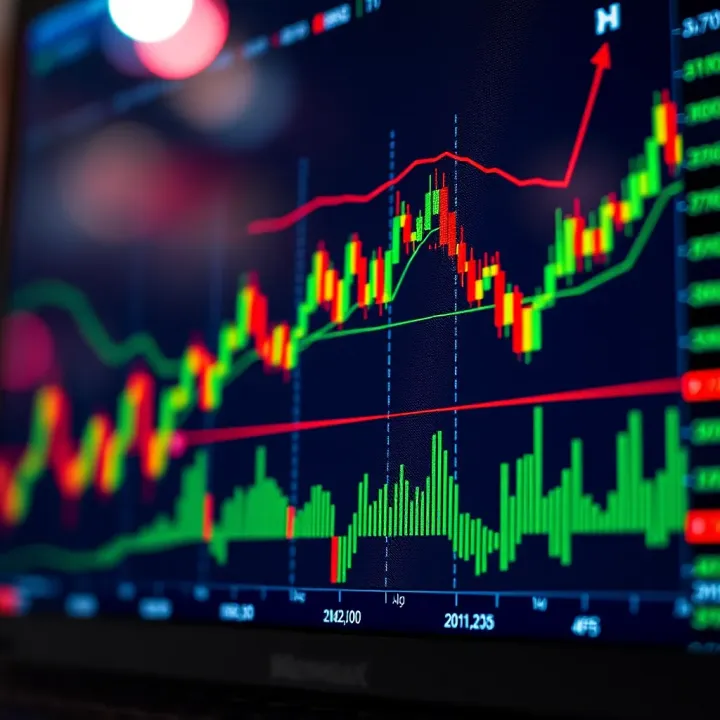
Market participants in forex include banks, hedge funds, brokers, and individual traders like you. In Kenya, individual investors commonly access the market through online trading platforms offered by regulated brokers. These platforms provide tools for analysis, order execution, and risk management.
Practical trading begins with choosing a legitimate broker registered with the Capital Markets Authority (CMA) Kenya. Platforms like MetaTrader 4 or 5 (MT4/MT5) are popular choices, allowing traders to monitor price movements, set stop-loss orders, and manage trades efficiently.
Trading strategies vary widely—from scalping (quick trades lasting minutes) to swing trading over days. Kenyan traders often start with simple approaches like trend-following or support-resistance levels, focusing on currencies they understand well, such as USD/KES or GBP/USD.
Risk management cannot be overstated. Using stop-loss orders helps limit potential losses. Also, avoid over-leveraging; while brokers may offer high leverage, Kenyan traders should be cautious as this can magnify losses.
Remember, forex trading is not a get-rich-quick scheme. It requires study, practice, and discipline to succeed in Kenya's financial environment.
To sum up, knowing the basics—currency pairs, who trades, platforms available in Kenya, strategies, and how to manage risk—sets the foundation for a practical approach to forex trading. With this groundwork, you can make informed decisions and approach forex with confidence.
Grasping the basics of forex trading is essential for anyone keen to venture into the currency market. It builds a solid foundation that helps you understand how trades work, what factors influence currency prices, and the risks involved. For Kenyan investors, this knowledge translates into smarter decisions and the ability to spot genuine opportunities amid the market noise.
Forex trading, short for foreign exchange trading, involves buying and selling currencies. Unlike stocks or bonds, the forex market is decentralised and operates globally, making it possible to trade from anywhere in Kenya at any time of day. You essentially exchange one currency for another, hoping the value changes in your favour. For example, if you buy US dollars (USD) with Kenyan shillings (KES) and the dollar strengthens, you could sell it back later at a profit.
Currencies are always traded in pairs because you exchange one currency for another. Major pairs include the most traded currencies globally, like USD/EUR (US dollar vs Euro) or USD/JPY (US dollar vs Japanese yen). These pairs tend to have higher liquidity and lower spreads, making them cost-effective for trading.
Minor pairs, also known as cross-currency pairs, do not involve the US dollar but instead include other strong currencies like EUR/GBP (Euro vs British pound) or AUD/NZD (Australian dollar vs New Zealand dollar). They often have lower liquidity and sometimes wider spreads, which can impact trading costs and volatility.
For Kenyan traders, focusing on major pairs like USD/KES or EUR/USD makes sense due to higher liquidity and more predictable price movements.
In any currency pair, the first currency is the base currency, and the second is the quote currency. The price you see shows how much of the quote currency you need to buy one unit of the base currency. For example, in the USD/KES pair, if the price is 110, it means one US dollar costs 110 Kenyan shillings.
Understanding this helps you know which currency you're buying or selling. If you believe the US dollar will strengthen against the shilling, you buy the USD/KES pair; if you expect the shilling to gain value, you sell it. This is practical knowledge that guides entry and exit decisions.
The forex market never sleeps because it connects trading centres worldwide. It opens in Asia, moves to Europe, and finally to North America. Trading hours overlap, creating times of higher activity. For Kenyan investors, this means you can trade beyond local business hours, particularly during London and New York sessions, which tend to be the most active and liquid.
Forex trading runs 24 hours a day from Monday to Friday, so you have the flexibility to choose when to trade, depending on your schedule and currency pairs of interest.
Kenya’s time zone (East Africa Time, UTC+3) places it conveniently in the middle of these sessions, offering access to global market movements without staying up through the night. Knowing the market hours helps you plan your trading, stay alert during volatile periods, and manage risk better.
Understanding who the key players are in the forex market helps Kenyan investors grasp how price movements happen and where the real trading volume originates. The market isn’t just retail traders on their laptops; it’s driven by large institutions, government entities, and brokers who connect buyers and sellers. Each player has their own motives and effects on liquidity and volatility.

Central banks, like the Central Bank of Kenya (CBK), and national governments play a significant role in forex. They intervene to stabilise their currencies or influence economic conditions. For instance, when the Kenyan shilling weakens sharply, CBK may sell foreign reserves to support it. These interventions can cause sudden shifts that affect all traders, from commercial banks to retail investors.
Central banks also set interest rates, which impact currency values. A hike in Kenyan interest rates can strengthen the shilling, attracting foreign capital. Understanding how central bank policies work is practical for Kenyan traders aiming to predict currency moves and manage risks.
Commercial banks handle the largest share of forex transactions daily. They facilitate currency exchanges for their clients — from multinational companies to local exporters and importers in Kenya. Banks buy and sell currencies on behalf of these clients and sometimes trade for their own profit.
These institutions provide massive liquidity to the market. For example, Standard Chartered and KCB Kenya regularly handle forex flows linked to trade and investment. The rates commercial banks offer often serve as benchmarks for prices retail traders eventually see.
Individual Kenyan traders have become more active in forex thanks to online platforms and broker access. Though retail volumes are small compared to banks, their presence is growing fast, especially among young investors seeking extra income or portfolio diversification.
Retail traders typically speculate on currency movements using leverage, which magnifies both gains and losses. It’s important for them to understand the market’s larger players as these influence price trends. For Kenyan investors, knowing when central banks or commercial banks are active offers better timing for trades.
Brokers act as the middlemen between individual traders and the vast forex network. They provide a trading platform, execute orders, and offer account services. Without brokers, retail Kenyans wouldn't access major currency pairs like USD/KES or EUR/USD easily.
Besides just executing trades, brokers often provide analytical tools, educational resources, and customer support tailored to the Kenyan market. For instance, many brokers accept deposits via M-Pesa, making it convenient to fund accounts.
Regulation ensures that brokers operate transparently and protect clients’ interests. The Capital Markets Authority (CMA) in Kenya oversees forex brokers registered locally. Kenyan traders should prioritise brokers licensed by CMA or reputable international authorities to avoid scams.
A regulated broker ensures segregated client funds and fair pricing, which is crucial given the challenges some traders face with unregulated entities. Always check the broker’s regulatory status and reviews before depositing money.
Knowing the different roles within the forex market helps Kenyan traders make informed choices and understand where market movements originate. This insight reduces guesswork and improves trading decisions.
Central banks like CBK influence forex markets through policies and interventions.
Commercial banks provide large liquidity and facilitate trade-related currency exchange.
Kenyan retail traders access forex via brokers who connect them to bigger players.
Choose brokers regulated by CMA to ensure safety and fair practice.
Starting forex trading in Kenya requires understanding key steps to ensure safety and efficiency. This section covers what you need to know before you place your first trade, such as selecting a reliable broker, setting up your trading account, and getting familiar with trading platforms adaptable to Kenyan investors.
Kenya's forex brokers must comply with regulations from the Capital Markets Authority (CMA). Trading with brokers approved by the CMA offers protection against fraud and promotes transparency in dealings. For example, using a CMA-licensed broker reduces risks of sudden account freezes or unlawful fund withdrawals. This is particularly important for Kenyan investors who want assurance that their money is safe and dispute mechanisms are in place.
Checking broker licences and the regulatory jurisdiction they operate in can save you from scams. While some brokers operate offshore, those registered locally conform to Kenya's legal framework, offering better recourse if things go wrong.
Besides regulation, Kenyan traders should consider spreads, commissions, and the variety of currency pairs offered. Lower spreads reduce trading costs, which improves profitability especially for day traders. Another core feature is the availability of M-Pesa deposit and withdrawal options, since M-Pesa dominates mobile payments in Kenya.
Also, check customer service responsiveness and whether the broker offers educational resources or demo accounts. Brokers like FXPesa and EGM Securities provide platforms tailored to Kenyan traders, with easy deposits via mobile money and localised support.
Most brokers provide several account options such as standard, mini, and Islamic accounts. Standard accounts suit those with more capital and looking to access full features. Mini accounts allow beginners to start trading with less money, sometimes as low as KSh 1,000, making forex accessible without steep initial investments.
Islamic accounts comply with Sharia law, avoiding interest charges on overnight positions, appealing to Muslim traders in Kenya. Selecting the right account type helps align trading activities with individual investment goals and ethics.
Depositing funds using M-Pesa has become the preferred option in Kenya thanks to its rapid processing and security. Most brokers now accept deposits through M-Pesa Paybill or Till numbers, allowing traders to quickly fund their accounts from anywhere.
Withdrawals to M-Pesa or local bank accounts also tend to clear within the same day or the next business day. This ease of transaction ensures traders maintain control over their funds without long delays that are common with international wire transfers.
MetaTrader 4 (MT4) and MetaTrader 5 (MT5) dominate the Kenyan forex scene. These platforms offer mobile and desktop versions, accommodating traders who need flexibility. Their interface supports charting, automated trading, and easy access to order types.
Local brokers may customise these platforms or offer web-based versions that do not require downloads. Such platforms suit Kenya’s varying internet reliability, letting traders manage positions on the go.
Forex trading platforms usually provide live price charts, technical indicators like Moving Averages and RSI (Relative Strength Index), and tools to place stop-loss or take-profit orders. Understanding these tools helps traders manage risk and react quickly to market changes.
Platforms also enable account monitoring, showing balance, equity, and open trade details in real-time. Kenyan traders benefit from learning how to use alerts and integrated news feeds to keep tabs on currency movements influenced by economic events from both Kenya and the global scene.
Choosing a reliable broker, selecting the right account, and mastering trading platforms are vital steps paving your way into forex trading. These foundations protect your investments and sharpen your trading skills in Kenya’s unique financial environment.
Understanding common forex trading strategies is essential for anyone aiming to trade effectively in the Kenyan market. These strategies guide traders on when to enter or exit trades, how to interpret market data, and manage risks. A well-chosen strategy can improve your chances of success instead of relying on guesswork or luck alone.
Using charts and indicators involves studying historical price movements to predict future currency trends. Charts display currency price changes over time and can show important levels such as support or resistance. Indicators like Moving Averages and the Relative Strength Index (RSI) add extra detail by showing momentum or overbought and oversold conditions. For example, a trader spotting an RSI below 30 may consider a currency pair undervalued and look for a buying opportunity.
Understanding trends and patterns helps traders identify the overall direction of the market. Trends can be upward, downward, or sideways. Recognising these helps avoid buying during a falling market or selling during a rising market. Patterns such as "head and shoulders" or "double tops" act like signals pointing to possible reversals. A Kenyan trader noticing a clear upward trend in USD/KES may decide to hold their position longer, expecting more gains.
How economic data affects currencies is a key part of fundamental analysis. Reports like Kenya’s GDP growth, inflation rates, and Central Bank monetary policy announcements directly influence shilling strength. For instance, rising inflation tends to weaken the currency because it erodes buying power, while higher interest rates can attract foreign capital, strengthening it.
News events to watch include scheduled releases such as the Central Bank of Kenya’s statements, US Federal Reserve meetings, or global trade developments. Such news can cause sharp currency swings. Kenyan traders often track major events like KRA tax changes or regional elections, since these can impact forex volatility locally or within the East African Community.
Stop loss and take profit orders are tools that automatically close trades at preset price levels to protect your investment. A stop loss limits losses by exiting a trade when the price moves against you, while take profit locks in gains when the price hits your target. For example, if you buy EUR/USD at 1.1000, setting a stop loss at 1.0950 limits loss to 50 pips, and a take profit at 1.1100 secures earnings 100 pips away.
Position sizing means deciding how much to trade based on your total capital and risk tolerance. Managing position size avoids losing too much from a single trade. One common approach is risking only 1–2% of your trading account on any position. A Kenyan trader with KSh 100,000 might risk KSh 1,000 per trade, adjusting trade volume accordingly.
Managing leverage wisely is crucial because leverage allows you to control large positions with small capital but also magnifies losses. Many Kenyan brokers offer leverage up to 1:100 or higher, but using too much can wipe your account with small market moves. Wise traders start low (like 1:10), using leverage judiciously, and increase it only as they gain experience.
Using clear strategies and sound risk management will help you trade with confidence while protecting your capital in the volatile forex market.
Employing these common forex trading strategies helps Kenyan traders make informed decisions that balance potential profits with risk control. Over time, combining technical and fundamental insights with disciplined money management forms a solid approach to forex trading success.
📊 Discover how Kenyan investors can use copy trading to mirror expert trades, manage risks, and grow their portfolios confidently and safely.
Discover top forex trading books perfect for Kenyan traders 📚. Learn smart strategies, risk management, and market analysis to boost your trading game!

Explore forex trading in Kenya 🇰🇪 with practical tips on market basics, strategies, risk management, and starting right to trade wisely and confidently.

📚 Master forex trading in Kenya with top books on technical analysis, risk management, and trading psychology to boost your skills and confidence.
Based on 9 reviews