
Effective Risk Management in Forex Trading
📉 Protect your KSh investments with smart risk management in forex trading. Learn practical strategies, tools, and planning tips fit for Kenya's fast-paced forex market.
Edited By
Chloe Mitchell
Forex trading offers an opportunity to earn profits by exchanging currencies, but it also carries significant risks. Managing these risks is vital to protect your capital and avoid heavy losses. Without a solid risk management plan, even experienced traders can end up losing hard-earned money.
Understanding the nature of forex risk helps you to make informed decisions. The forex market is highly volatile, with prices influenced by economic data, geopolitical events, and central bank policies. For instance, a sudden announcement from the Central Bank of Kenya (CBK) about interest rates can cause the Kenyan shilling to fluctuate sharply against the US dollar.
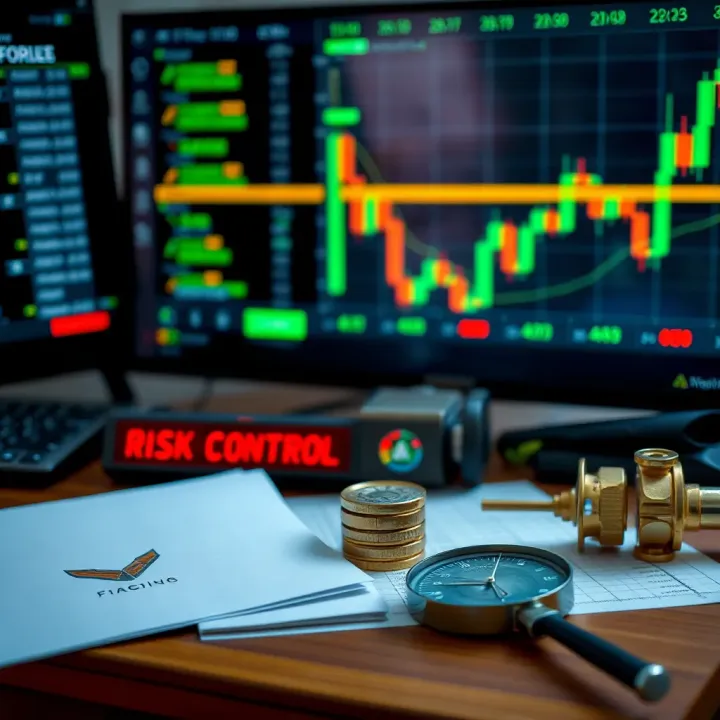
Risk management involves setting limits on how much you are willing to lose on a trade, using tools like stop-loss orders and position sizing. For example, if you decide to risk only 2% of your trading capital on a single trade, you calculate your position size accordingly and place a stop-loss order to exit the trade if the market moves against you.
Practical strategies include:
Position sizing: Determine the amount to invest per trade based on your total capital and risk tolerance.
Stop-loss orders: Automatically close trades at predetermined price levels to limit losses.
Diversification: Avoid putting all your money into one currency pair. Instead, spread risk across different pairs.
Regular review: Consistently analyse trading outcomes to adjust your strategies and identify mistakes early.
Managing risk is about protecting your trading capital first, so you can stay in the game longer and seize more opportunities.
For Kenyan traders, it’s essential to factor in local contexts such as the availability of brokers regulated by the Capital Markets Authority (CMA) Kenya and payment options like M-Pesa that affect funding and withdrawals. Additionally, forex trading involves leverage, which can amplify both gains and losses; using leverage cautiously is a key part of risk management.
By combining knowledge of market dynamics with disciplined risk controls, you reduce the chances of large losses and build a foundation for steady growth in forex trading.
Understanding the nature of risk in forex trading is essential for anyone looking to participate in this volatile market. Forex trading involves buying and selling currencies, and the constant fluctuations in currency values mean that traders face various uncertainties that can affect their investments. Recognising these risks helps traders prepare better, develop sound strategies, and protect their capital.
Volatility in the forex market refers to how much and how quickly currency prices change. Kenya's traders, for instance, often see significant swings in pairs like USD/KES during political events or changes in economic data such as inflation rates or interest decisions by the Central Bank of Kenya (CBK). This volatility presents both opportunities and dangers. A sudden drop in the shilling’s value against the dollar can wipe out profits if not managed carefully. It's this unpredictability that makes forex trading exciting but also risky. Traders must stay alert and ready to respond to these rapid changes.
Market risk is the most visible form of risk in forex trading. It arises from changes in currency prices that can work for or against a trader. For example, if a Kenyan trader buys euros against the US dollar expecting the euro to rise, but instead, the euro drops due to an unexpected economic policy decision in Europe, the trader faces losses. Market risk is influenced by global events such as geopolitical tensions, economic reports, or sudden changes in supply and demand.
Traders must constantly monitor global news and economic calendars. Using tools like stop-loss orders can limit potential damage from adverse market movements.
Leverage lets traders control large currency positions with a relatively small amount of capital. While this can multiply profits, it also magnifies losses. For example, with 50:1 leverage, a KSh 10,000 deposit can control KSh 500,000 worth of currency. However, a 2% market movement against the position means a KSh 10,000 loss, wiping out the initial capital.
In Kenya, where many traders use mobile platforms offering high leverage, it’s common to see accounts wiped out quickly if leverage is not managed carefully. Traders should use leverage prudently and only risk what they can afford to lose.
Liquidity risk occurs when traders cannot easily enter or exit positions due to a lack of buyers or sellers in the market. While the forex market is generally very liquid, certain currency pairs or trading times can experience thin activity. For instance, the KES/EUR pair might have lower liquidity compared to the USD/EUR pair, especially outside the main trading hours.
Low liquidity can cause larger spreads—the difference between buying and selling prices—leading to higher trading costs. It can also result in slippage, where trades execute at worse prices than expected. Kenyan traders should be aware of market hours and choose commonly traded pairs to minimise liquidity risk.
Operational risk involves failures in systems, processes, or human errors affecting trading activities. Examples include platform outages, internet connectivity problems, or mistakes in order entries.
In Kenya, where internet connectivity can be intermittent in some regions, operational risks are a real concern. A trader might miss a critical stop-loss order due to a slow connection or platform glitch. Choosing reliable brokers with robust infrastructures and having backup plans—like mobile data or alternative devices—can reduce these risks.
Every forex trader faces risk, but knowing what type allows better control and smarter decisions.
In summary, understanding the nature of risk in forex trading means recognising market changes, managing leverage wisely, ensuring liquidity for smooth trades, and safeguarding against operational hiccups. Kenyan traders who appreciate these risks stand a better chance of sustaining their investments and growing steadily in the market.
Setting up a strong risk management plan is vital for any forex trader serious about protecting their capital and achieving consistent returns. Without a clear plan, traders often fall prey to impulsive decisions that can quickly erase profits or blow up their accounts. A well-structured plan helps you navigate the market’s ups and downs with confidence and controls losses to a manageable level.
Forex markets are notoriously volatile, with prices swinging sharply within minutes due to economic news or geopolitical events. This unpredictability means you can’t simply rely on good instincts or luck. Risk management serves as your safety net, ensuring one bad trade doesn’t wipe out months of gains. For instance, many successful Kenyan traders limit their daily losses to a small percentage of their overall capital, like 1-2%. This disciplined control reduces emotional stress and helps maintain a balanced outlook on trading.
Effective risk management is not about avoiding losses altogether but about keeping losses small and letting profits run.
Before placing any trade, you need to understand how much risk you can comfortably handle. Risk tolerance varies from one trader to another depending on factors like financial goals, age, income stability, and previous investment experience. For example, a young investor with steady income from a job can consider accepting slightly higher risk, say risking 3% per trade, compared to a retiree who needs to preserve capital for daily expenses.
To determine your risk tolerance, review your financial situation honestly and simulate hypothetical losing streaks. Ask yourself: can I afford to lose KSh 10,000 on a trade without panicking? Being realistic here saves you from emotional decisions that might double down losses or cause you to quit trading in frustration.
Clear trading goals keep your plan purposeful. Instead of vague hopes of "making money," specify targets like earning 5% monthly profit while risking no more than 2% per trade. Such goals help you design entry and exit strategies aligned with those limits.
Also, set firm stops on how much you are willing to lose daily or weekly. For instance, if you hit a loss of KSh 20,000 in a day, commit to stepping away—to avoid hunting losses or revenge trading. Many Kenyan traders write down these limits and revisit them regularly to adjust based on market conditions and personal growth.
Finally, break larger monthly targets into smaller, manageable chunks and measure performance weekly. This approach provides feedback and keeps you motivated without overexposing your account.
By setting a solid risk management plan with clear tolerance, goals, and limits, you build a resilient trading approach suited to Kenya’s fast-moving forex environment. This groundwork increases your chances of lasting success and keeps your financial health intact for the long haul.
Managing risk in forex trading is about using the right tools and strategies that help limit losses while protecting potential gains. These methods act like a safety net, especially given how unpredictable the forex market can be. For Kenyan traders, understanding these tools gives practical control over trades and prevents situations where emotions lead to costly mistakes.
Stop-loss and take-profit orders are essential risk management gadgets traders must master. A stop-loss order automatically closes a trade when losses hit a set point, preventing further damage to the trading account. For example, if you buy EUR/USD at 1.2000, setting a stop-loss at 1.1900 means the trade closes automatically if the price drops 100 pips, limiting your loss.
On the flip side, a take-profit order seals profits by closing a trade when it hits a target level. This avoids the risk of prices swinging back and eroding gains. In practice, if you expect EUR/USD to rise to 1.2100, setting a take-profit there locks in profits once the price hits that target. Both orders help enforce discipline; you don’t have to monitor the market constantly, which is a blessing for busy traders.
Using stop-loss and take-profit orders is like having an automatic guard ensuring you don’t lose more than planned and lock profits when conditions are favourable.
Position sizing determines how much of your capital you put on a single trade. Even if your strategy is sound, putting too much money on one trade can lead to big losses if the market turns. For instance, with a KS00,000 account, risking 2% per trade means you risk just KS,000 on any single position.
This approach ensures no trade can significantly damage your account. Position sizing depends on your stop-loss distance: a wider stop-loss means smaller position size, and vice versa. Traders often calculate exact units or lots to buy or sell so that if stop-loss triggers, the loss stays within acceptable limits.
Hedging is a way to reduce risk by opening offsetting positions. For Kenyan traders juggling currency exposure due to imports, exports, or investments, hedging can protect from unfavourable currency moves.
One hedging method is using currency pairs that tend to move inversely. Suppose you have a buying position in USD/KES and worry about USD weakening. You might open a short position on EUR/USD, balancing part of the exposure. Another approach is options contracts which act like insurance, though they might be less common or accessible in Kenya’s forex environment.
Hedging is more advanced but it helps smooth out big swings and protect capital over time.
Together, these tools—stop-loss and take-profit orders, position sizing, and hedging—give you solid control over risk. They aren’t foolproof but help you trade forex without guessing games or hoping for luck. That’s why successful Kenyan traders build their strategies around these practical risk management pillars.
Leverage is a key feature in forex trading that allows investors to control a large position with a relatively small amount of capital. It boosts your buying power but comes with significant risks. Understanding how leverage works, the dangers of high leverage, and how to use it safely can help you protect your funds while maximising potential gains.
In forex, leverage means borrowing funds from your broker to increase your trading position beyond what your own capital would allow. For example, with 1:100 leverage, a KSh 10,000 deposit can give control over KSh 1,000,000 worth of currency. This means even small market moves can lead to big profits or losses. Traders often use leverage to magnify returns when they expect favourable market trends.
A practical illustration: suppose you anticipate the US dollar strengthening against the Kenyan shilling. With leverage, a 0.5% rise might yield a profit larger than your initial deposit alone. However, the same rule applies in reverse—a small unfavourable move can quickly erode your capital, hence the need for vigilance.
While leverage can increase profits, it also magnifies losses, sometimes wiping out an account swiftly. The danger lies in over-leveraging—using too much borrowed money in relation to your account balance. High leverage amplifies exposure to market volatility and unexpected news events common in forex.
Traders relying heavily on leverage face a higher chance of margin calls, where brokers require additional funds to keep positions open. If ignored, your positions may be closed automatically at a loss, especially in fast-moving markets. This risk grows during major announcements like Central Bank of Kenya policy changes or geopolitical tensions within the East African Community.
Remember, leverage is a double-edged sword: it can boost your gains but can also magnify your losses dramatically.
To use leverage responsibly, start by choosing a lower leverage ratio, such as 1:10 or 1:20, until you build experience and confidence. Use stop-loss orders diligently to limit potential losses and prevent unexpected margin calls. Position sizing should be conservative, risking only a small fraction of your total capital on any single trade — typically not more than 1-2%.
Regularly monitoring your trades and adjusting leverage according to market conditions is vital. If volatility increases or your strategy changes, reducing leverage can protect you from sudden swings. Also, ensure you use brokers regulated by the Capital Markets Authority (CMA) in Kenya to avoid scams and get proper client protection.
In sum, leverage can be a powerful ally for forex traders if approached with care and discipline. By understanding how it operates, recognising its risks, and applying safe trading habits, you can improve your chances of long-term success in the forex markets.
Understanding the psychological side of forex trading is just as critical as mastering the technical tools. Managing your emotions, maintaining discipline, and learning from losses can make the difference between success and failure, especially in Kenya's often volatile market environment.
Emotions like fear and greed strongly influence trading decisions. For example, fear might cause you to exit a trade too early, missing out on potential gains, while greed can push you to take unnecessary risks. Kenyan traders sometimes recall stories of rushing into hot tips or quick profits, ending up wiping out their accounts. Being aware of such emotions helps limit impulsive moves. One practical way to manage emotions is keeping a trading journal to reflect on your feelings during trades and how they affected outcomes. This habit builds self-awareness, helping you avoid emotional pitfalls.
Discipline in sticking to your trading plan prevents ad-hoc decisions that often lead to losses. Consistency involves applying your strategies reliably, even when the market gets choppy. A Kenyan trader might decide never to risk more than 2% of their capital on a single trade, no matter how confident they feel, ensuring steady progress. Regularly reviewing your plan and setting clear daily or weekly goals helps maintain focus. Without discipline, even the best risk management tools lose value because emotional reactions take over.
Losses are inevitable but how you respond to them matters most. Kenyan traders sometimes hesitate to admit mistakes, which makes it hard to improve. Instead, view losses as lessons—analyse why a trade failed and adjust your strategy accordingly. For instance, if sudden market news caused unexpected swings, you might decide to avoid trading around major announcement times. This adaptive mindset reduces repeat errors and optimises your approach over time.
Psychological strength in forex trading safeguards your capital better than any technical indicator. By managing emotions, maintaining discipline, and learning from setbacks, you create a sustainable trading edge.
Mastering these psychological factors complements risk management strategies, helping Kenyan traders handle market ups and downs more confidently while protecting their investments and seeking steady returns.
📉 Protect your KSh investments with smart risk management in forex trading. Learn practical strategies, tools, and planning tips fit for Kenya's fast-paced forex market.
Master forex risk management tailored for Kenyan traders 🇰🇪 with practical techniques and tools to secure your investments in the volatile market 📉💹
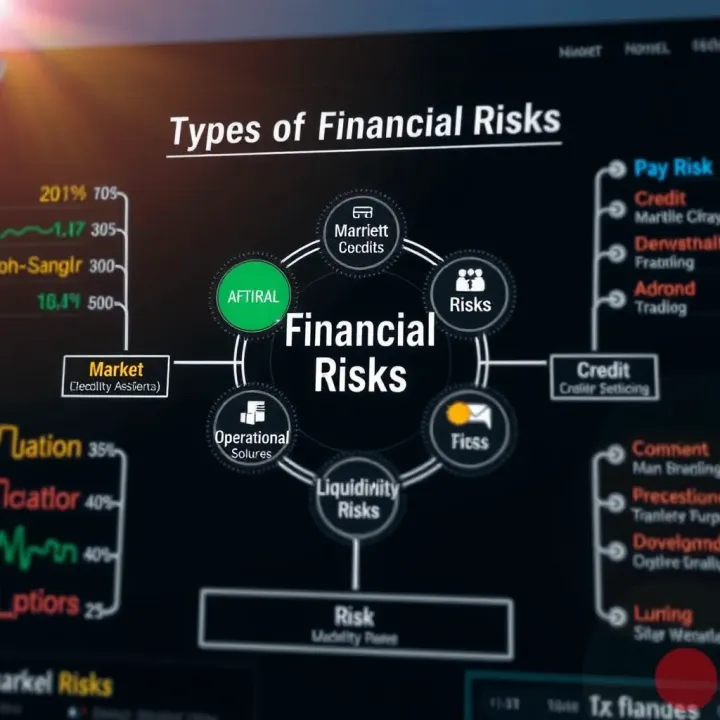
📊 Learn how Kenyan investors and businesses identify, assess, and control financial risks using practical tools, local regulations, and tech innovation to protect assets.
Discover how to start forex trading in Kenya 🇰🇪 with tips on brokers, risk management, and local regulations. Grow your investment knowledge and trade smartly! 📈
Based on 6 reviews