

Compliance and Risk Management for Kenyan Businesses
Discover effective strategies for compliance & risk management in Kenyan businesses ✅ Learn governance, tech & culture tips to protect and grow your company 🌍
Edited By
Oliver Price
For businesses operating in Kenya, understanding and managing risk is more than just ticking boxes. It’s about protecting your investments, staying competitive, and building resilience against the many challenges that can come from economic uncertainties, regulatory changes, or even weather disruptions common during long rains.
Risk management involves identifying potential threats, assessing their likelihood and impact, then deciding how to handle them effectively. Kenyan companies—whether in agriculture, finance, retail, or manufacturing—face risks that range from fluctuating exchange rates and supply chain delays to cyber threats and credit defaults. Ignoring these can lead to costly losses or missed opportunities.
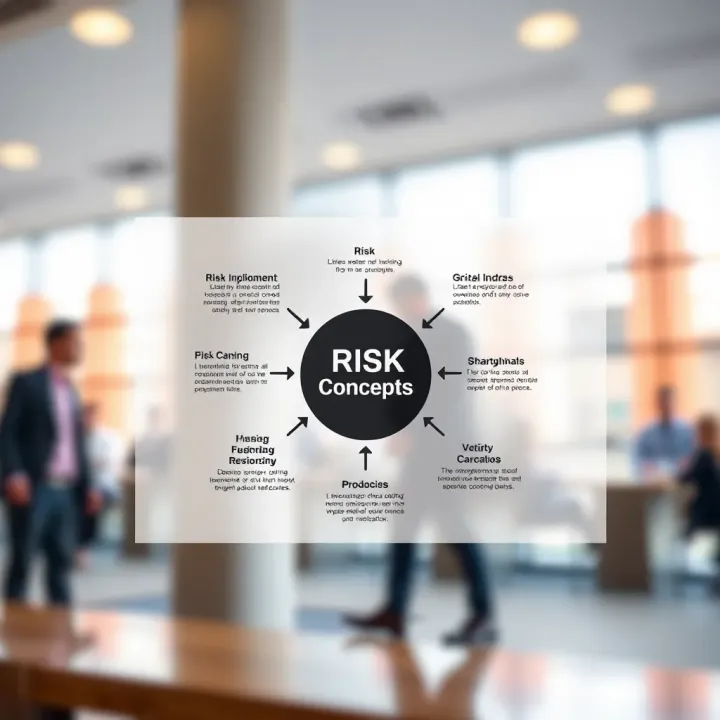
Managing risk is not a one-off task but an ongoing process that keeps your business agile and ready for whatever comes next.
This guide breaks down practical principles you can apply in your context. You will learn how to spot risks early, analyse their significance, prioritise your responses, and implement controls that suit your business size and sector. For example, a Nairobi-based exporter might focus on foreign exchange hedging, while a farmer in Uasin Gishu might prioritise crop insurance and diversification.
Being aware of local regulations, such as those from the Capital Markets Authority (CMA) or Central Bank of Kenya (CBK), will also help you stay compliant and avoid penalties. Plus, with digital payment channels like M-Pesa dominating transactions, knowing the risks related to fraud or system downtimes is vital.
Ultimately, this practical approach to risk management empowers Kenyan decision-makers—investors, traders, educators, and brokers alike—to take informed steps that safeguard their assets and propel steady growth, even in a shifting economic landscape.
Risk management forms the backbone of a stable and successful business, particularly in Kenya where market conditions can shift rapidly. Understanding the core concepts helps organisations spot threats early and develop practical responses that protect their interests. This foundation is essential for investors, financial analysts, and business leaders needing to steer their operations confidently.
Risk management is the process of identifying, assessing, and controlling threats that could affect an organisation’s objectives. Its purpose is to reduce uncertainty and protect assets, whether physical, financial, or reputational. For example, a Nairobi-based manufacturing firm may manage risks related to supply chain disruptions from road closures or currency fluctuations impacting import costs.
In practice, risk management involves more than just avoidance. It enables decision-makers to balance potential downsides with opportunities, ensuring that calculated risks support steady growth. Kenyan SMEs, for example, often rely on risk management when introducing new products in competitive markets or expanding to counties with different regulations.
Kenyan businesses encounter diverse risks ranging from economic and political to operational and environmental. Economic risks include inflation spikes or fluctuating exchange rates, which can inflate costs and squeeze margins. Politically, election years tend to create uncertainty affecting investment and trade.
Operational risks involve failures within internal processes, such as unreliable suppliers or skills shortages. For instance, jua kali workshops often face risks tied to securing quality materials or demand variability. Environmental risks, like flooding during the long rains, also impact sectors such as agriculture and logistics.
The term risk refers to the chance that an event will cause harm or loss to the organisation. A threat is anything that can potentially cause damage, such as cyber-attacks or theft. A vulnerability is a weakness that makes the organisation susceptible to threats—like poorly secured premises or outdated financial records.
Knowing these differences helps businesses focus their efforts – investing in stronger security guards or better IT systems to close vulnerabilities and reduce threats.
Impact and probability are central concepts for evaluating risks. Impact measures the severity of harm if the risk occurs — for instance, how a data leak might damage customer trust and result in lost sales. Probability assesses how likely the risk is to happen, such as the chance of power outages in a specific region.
By combining these two measures, businesses prioritise risks that could seriously disrupt operations and happen soon, guiding where to allocate limited resources. A small retailer in Kisumu, for example, may prioritise theft prevention over rare natural disasters.
Effective risk management begins with clear definitions and realistic assessments — without this, efforts lack focus and may waste resources.
In Kenyan business environments, understanding these core concepts allows organisations to build resilience and adapt to challenges unique to local markets.
Risk management isn't just a checklist exercise. For it to be effective, it needs solid principles guiding every step. These principles help businesses in Kenya tackle risks systematically, improve decision-making, and build resilience in an often unpredictable market.
Embedding risk management in decision making means that risk considerations shouldn’t be an afterthought. Instead, every major business decision, whether expanding a branch or launching a new product, must factor in potential risks. For instance, a Nairobi-based SME planning to import goods should assess risks like supply chain delays due to customs clearance or regulatory changes. Embedding risk management helps avoid surprises and prepares the business to respond swiftly.
The practical side is having risk assessments as part of routine planning meetings and project evaluations. This way, risks are spotted early, and appropriate measures can be taken before problems escalate.
Role of leadership and culture is equally vital. Leaders set the tone for how seriously risks are treated. If top managers in a financial firm in Mombasa prioritise risk awareness by regularly reviewing risk reports and encouraging staff to report issues without fear, it builds a culture where everyone is alert to potential threats.
Such a culture encourages openness and accountability. When staff trust leadership to act responsibly on risk insights, it motivates them to contribute actively, strengthening the whole organisation’s ability to manage uncertainty.
Systematic identification and evaluation of risks involve carefully listing out all plausible threats from internal and external sources. A tea exporter from Kericho, for example, may face currency fluctuations, weather changes affecting harvests, or global market shifts. Systematically gathering this information helps figure out which risks are most likely and which would hurt the business most.
Effective tools include risk registers and SWOT analysis tailored to the local context, ensuring no blind spots remain. This approach prevents random guesswork and focuses effort where it matters most.
Documenting and monitoring risk means keeping a clear record of identified risks, their assessments, and mitigation steps. This documentation serves as a reference so that when conditions change, for example during the long rains season affecting transport, the business can adjust accordingly.
Regular monitoring is key. Without it, a risk thought to be low can suddenly escalate. Establishing routine risk reviews, much like monthly financial updates, keeps the management informed and ready to act.
Adapting principles to Kenya's economic and regulatory environment cannot be overlooked. Kenya’s diverse economy, fluctuating inflation, and evolving regulations require flexible risk principles. For example, the Central Bank's interest rate adjustments directly impact loan costs for businesses, so their risk strategies must reflect these macroeconomic changes.
Moreover, understanding local tax laws and compliance demands ensures organisations avoid penalties that could jeopardise business continuity.
Considering sector-specific risks is crucial because risks differ between sectors. A jua kali craftsman faces risks like theft of tools or inconsistent raw materials, while a Kenyan bank must handle cyber threats and credit risks.
Customising risk management means focusing efforts on relevant risks. For instance, agribusinesses may prioritise weather and pest-related risks, while digital startups concentrate on data security and technology disruptions.
Businesses that apply these principles thoughtfully create a risk-ready organisation able to navigate challenges unique to Kenya's environment, ultimately supporting sustainable growth and investor confidence.
Implementing risk management is a practical process that Kenyan businesses cannot afford to overlook. It involves clear steps that help identify, evaluate, and manage risks before they escalate. Taking these steps equips organisations to protect their assets, maintain steady operations, and seize opportunities even in uncertain times.
Spotting risks is the first step in managing them effectively. Risks can come from within a business, like operational errors, or from outside factors such as economic shifts or political changes. For example, a Nairobi-based exporter may face currency fluctuations or delays at the port, while a local retailer might worry about theft or supply disruptions.
To identify these risks, businesses need to scan their environments continuously. Managers and staff can provide valuable insights since they deal with day-to-day operations. Besides, listening to customer feedback and monitoring market trends helps detect emerging threats early.
Practical tools for identification include SWOT (Strengths, Weaknesses, Opportunities, Threats) analysis, which is widely used in Kenya due to its simplicity. Brainstorming sessions with diverse teams and checklists can uncover hidden risks. For small businesses, informal risk walk-throughs—where staff physically inspect work sites—often reveal safety hazards or process gaps.
Once risks are identified, evaluating their likelihood and potential impact is essential. Likelihood refers to how probable a risk event is, while impact is about the damage it can cause to a business’s finances, operations, reputation, or compliance.
For example, power outages are quite frequent in some Kenyan counties during the rainy season, which can halt production and cause losses. Assessing this risk helps decide if installing a generator is worthwhile.
Risk prioritisation follows assessment by ranking risks according to their seriousness. A business facing many risks must focus on those that threaten survival or legal compliance first. Prioritising helps allocate limited resources effectively rather than spreading efforts thinly across minor issues.
Kenyan businesses have four main ways to treat risks: avoidance, reduction, transfer, and acceptance.
Avoidance means steering clear of activities prone to high risk. For example, a small enterprise might avoid entering a new market if political instability is high.
Reduction involves measures to lower the chance or consequences of risks, such as installing security cameras to curb theft.
Transfer shifts risk to a third party, common through insurance or outsourcing certain activities.
Acceptance is acknowledging some risks are unavoidable and preparing to handle their outcomes.
Insurance is popular for risk transfer in Kenya, especially for property, vehicles, and health. Regular audits also help reduce risks by catching issues like financial discrepancies early. Some businesses outsource logistics to professional freight companies, transferring risks linked to transport delays or damage.
Risk environments constantly change, influenced by market dynamics, regulations, or technology. Thus, monitoring risks regularly is critical. Keeping an eye on key indicators, such as cash flow, supplier performance, or security breaches, alerts businesses when conditions shift.
Regular reviews ensure risk management strategies stay relevant. For instance, after a major flood in Kisumu County, many companies reviewed their disaster plans to improve resilience. Updating approaches prevents complacency and helps adapt to new challenges like cyber threats or changing consumer behaviour.
Effective risk management is not a one-time activity but a continuous cycle that keeps an organisation alert and prepared for whatever comes its way.
By following these steps, Kenyan businesses build a solid foundation to manage uncertainties and focus on growth. Practical tools, sensible prioritisation, and constant vigilance make risk management a workable part of daily operations.
Effective communication and reporting form the backbone of strong risk management in any organisation. These elements ensure that risks are identified early, understood clearly across all levels, and addressed appropriately. In Kenya’s dynamic business environment, keeping all stakeholders in the loop helps avoid surprises that can disrupt operations or drain resources.
Ensuring information flows between teams and management is critical for timely risk response. When teams on the ground spot emerging threats—such as a delay in supply chain due to seasonal floods in Rift Valley—this information must quickly reach decision-makers. Without clear channels, valuable insights get lost or delayed, causing reactive rather than proactive handling. Regular meetings, designated points of contact, and digital tools like WhatsApp groups or project management software can help maintain constant communication.
Importance of transparency in risk reporting cannot be overstated. Honest sharing about potential or realised risks builds trust within the organisation and with external partners like investors or regulators. For example, a Nairobi-based agri-business that reports a pest infestation promptly enables faster resource mobilisation and community support to minimise damage. Transparent risk reporting also helps teams learn from challenges, improving future responses.
Regular risk reporting schedules are essential to keep risk management active, not just a one-off exercise. Kenyan firms might schedule monthly or quarterly risk reports summarising key issues, mitigation progress, and upcoming risks. These prompt reviews ensure risks aren’t overlooked between annual audits. They also keep the business agile; for instance, a transport company can adjust routes quickly if road conditions change due to a political protest.
How reports influence strategic planning is often visible in boardroom decisions. Risk reports highlighting currency fluctuations or changing regulatory environments help planners adjust budgets, diversify suppliers, or shift market focus. Financial analysts rely on these reports to advise clients on investment risks, while educators might incorporate real-world cases into training. Ultimately, risk reports shape a business’s path forward, guiding steady growth amid uncertainty.
Good communication and clear reporting turn abstract risks into manageable realities. For Kenyan businesses, this means being ready for challenges—be it shifting regulations, market shocks, or weather events—with clear plans informed by solid information.
Risk management in Kenya often faces hurdles unique to its economic and social setting. Many businesses struggle with limited financial and human resources, which makes comprehensive risk programmes hard to maintain. Knowing these challenges upfront helps organisations to find practical ways to adapt, ensuring they still protect their interests without overextending their capacities.
Working with limited budgets and expertise is a reality for many Kenyan businesses, especially SMEs and start-ups. Hiring dedicated risk officers or buying advanced software might be out of reach. Instead, organisations often rely on staff juggling multiple roles, which risks overlooking important dangers. For example, a small retail outlet might combine procurement and risk duties, potentially missing fraud signs or supply disruption warnings.
Leveraging community and technology support can help fill these gaps effectively. Local business associations or chambers of commerce sometimes offer free or low-cost risk training sessions. Additionally, mobile-based tools like M-Pesa and expense-tracking apps can act as early warning systems against cash flow risks or theft. For instance, a farmer in Kisumu using M-Pesa transaction alerts can quickly detect unauthorised withdrawals, helping to minimise losses without sophisticated security setups.
Recognising risks without stifling growth is key in Kenya’s fast-changing market. Overly cautious approaches may miss chances in dynamic sectors like tech or agribusiness. On the other hand, ignoring risks altogether invites serious setbacks. A Nairobi-based tech start-up, for example, might test a new service regionally while conducting thorough legal checks to avoid regulatory trouble, balancing caution with growth prospects.
Encouraging calculated risk-taking involves fostering confidence among decision-makers to pursue ventures with measurable potential downsides. It’s about assessing the cost-benefit carefully rather than avoiding risk at all costs. Banks expanding mobile lending services know there is a risk of defaults, but by using data analytics to target reliable customers, they take informed risks rather than shooting in the dark.
Training staff and leaders ensures everyone understands both hazards and opportunities. Awareness encourages early reporting of issues and improves coordination across departments. Organisations like Safaricom regularly hold workshops on cybersecurity because so much of their business depends on digital platforms; this reduces chances of breaches caused by human error.
Embedding risk thinking in everyday operations means making risk management part of the routine, not a once-a-year exercise. Simple processes like daily cash counts, routine safety checks, or regular financial reviews build habits that catch problems early. For instance, a jua kali workshop might integrate weekly tool inventory checks, reducing theft and downtime without heavy paperwork or formal risk departments.
Organisations that adapt risk management to Kenya’s local realities, embracing technology and community resources while promoting a risk-aware mindset, stand a better chance of thriving despite uncertainties.
Understand common limitations such as budget and skills shortages
Use practical support like community networks and mobile tech
Avoid choking growth by balancing caution with opportunity
Develop a culture where risk is everyone's responsibility
These best practices help Kenyan businesses turn risk from a threat into a manageable part of their operations, ensuring resilience amid challenges.
Discover effective strategies for compliance & risk management in Kenyan businesses ✅ Learn governance, tech & culture tips to protect and grow your company 🌍
🌍 Explore how risk management boosts decision-making, financial strength, and compliance for Kenyan businesses, safeguarding operations from threats.
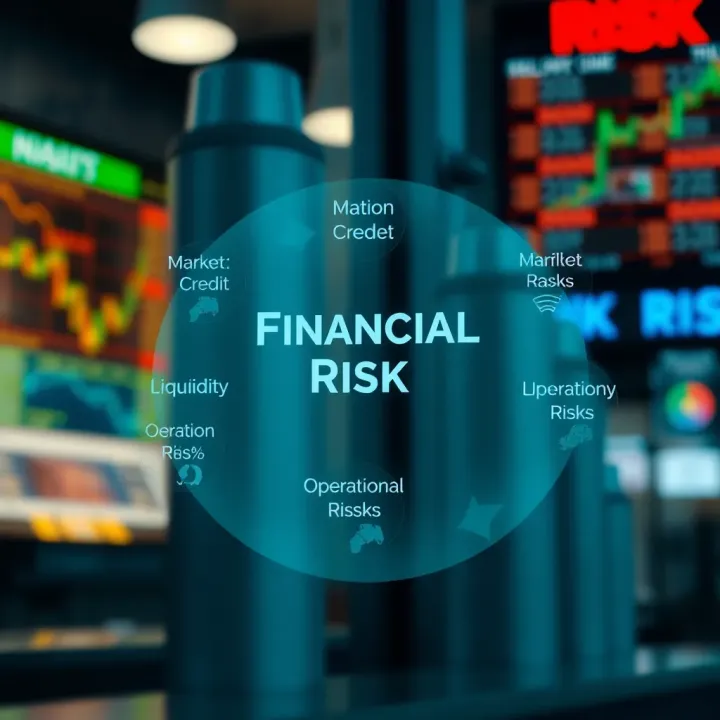
Discover how to spot, assess, and reduce financial risks in your business. Stay compliant and monitor risks continuously to protect your investments 💼📉

Explore how Enterprise Risk Management frameworks help Kenyan businesses spot, evaluate, and handle risks to boost decision-making and resilience. 📊🔍
Based on 11 reviews